This quick lemon pepper chicken features a velvety cream sauce with a zesty, peppery finish. It is an ideal weeknight meal that requires minimal prep time and basic pantry staples. The result is a sophisticated dish that tastes like restaurant quality in under 30 minutes.
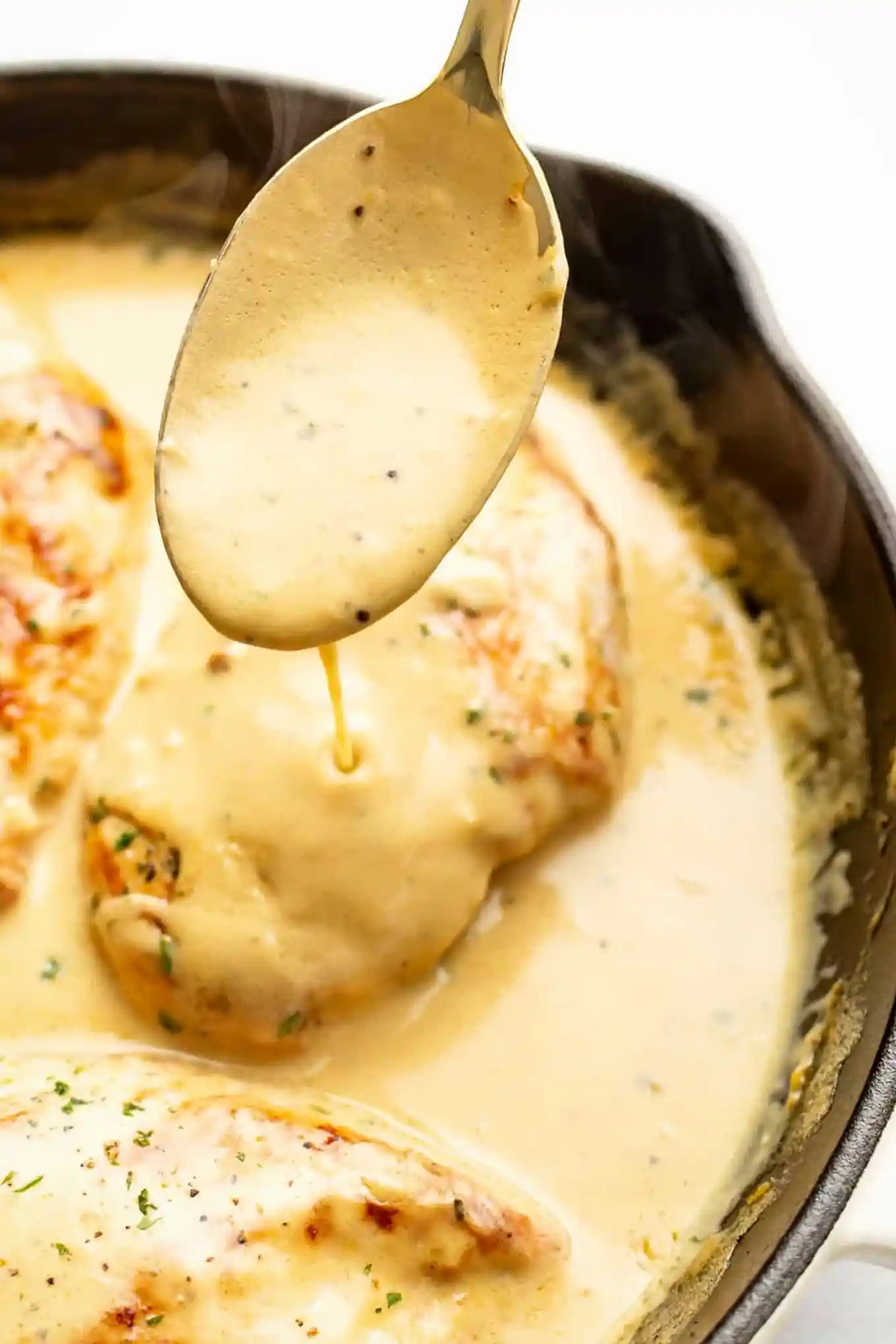
List of ingredients
- 2 chicken breasts (cut in half lengthwise) – provides four thinner portions for faster cooking.
- Salt (to taste) – used for initial seasoning; adjust based on the salt content of your lemon pepper blend.
- 1 tablespoon olive oil – prevents sticking and helps achieve a golden sear.
- 2 tablespoons butter (divided) – adds richness to the chicken and the base of the sauce.
- 2 cloves garlic (minced) – adds a savory depth to the cream sauce.
- 1 tablespoon flour – acts as the thickening agent for the sauce.
- 2/3 cup chicken broth – provides a savory liquid base for the sauce.
- 1/2 cup heavy/whipping cream – creates a silky, luxurious texture.
- 1/2 tablespoon lemon pepper – the primary seasoning that provides the signature tart and peppery flavor.
step-by-step instructions
- Prepare the chicken: Cut the chicken breasts in half lengthwise so you’ve got 4 thinner pieces. Sprinkle them with salt, keeping in mind that some lemon pepper blends already contain salt.
- Heat the pan: Add the olive oil and 1 tablespoon of the butter to a skillet over medium-high heat. Allow the pan to heat up for a few minutes before adding the meat.
- Sear the meat: Sear the chicken for 4-5 minutes per side until golden brown, then transfer the pieces to a plate.
- Create the roux: Add the remaining tablespoon of butter to the pan and let it melt. Stir in the minced garlic and sprinkle in the flour, cooking for about 30 seconds to 1 minute while stirring.
- Build the sauce: Pour in the chicken broth, heavy cream, and lemon pepper. Whisk the mixture for about a minute until the flour is fully dissolved and the sauce is smooth.
- Combine and simmer: Add the chicken and any accumulated juices from the plate back into the pan. Cook for another 4-5 minutes until the chicken reaches an internal temperature of 165F and the sauce has thickened. Reduce the heat if the sauce boils too vigorously. Season with extra salt and pepper if needed and serve immediately.
Pro Cooking Techniques
Use a Meat Thermometer for Precision
The only way to ensure chicken is cooked through without drying it out is by using an instant-read thermometer. Aim for an internal temperature of 165F in the thickest part of the meat. This prevents the chicken from becoming rubbery or overcooked.
Butterfly the Chicken for Even Cooking
Cutting the breasts lengthwise creates thinner fillets that cook much faster. This ensures the exterior does not burn before the center is fully cooked. It also allows more surface area for the lemon pepper sauce to cling to.
Maintain High Heat for Searing
Wait until the olive oil and butter are shimmering before adding the chicken to the pan. This high initial heat creates a brown crust, known as the Maillard reaction, which adds significant flavor. Avoid overcrowding the pan to prevent the meat from steaming instead of searing.
Deglaze the Pan Thoroughly
When adding the chicken broth, use a whisk or wooden spoon to scrape up the brown bits stuck to the bottom of the pan. These caramelized remnants are packed with flavor and will integrate into the cream sauce. This process adds a deeper, more savory profile to the final dish.
Control the Sauce Simmer
Once the cream is added, keep the heat at a gentle bubble rather than a rolling boil. Boiling cream too vigorously can cause it to separate or break. A gentle simmer allows the flour to thicken the sauce while maintaining a smooth, velvety consistency.
Ingredient Alternatives
Use Chicken Thighs for More Moisture
If you prefer a juicier meat, boneless skinless chicken thighs are an excellent substitute for breasts. Thighs have a higher fat content and are more forgiving if cooked slightly longer. Adjust the searing time slightly as thighs may take an extra minute per side.
Substitute Heavy Cream with Half and Half
For a slightly lighter sauce, you can use half and half instead of heavy cream. Note that the sauce will be thinner and less rich. You may need to simmer the sauce for an additional minute or two to achieve the desired thickness.
Use Low-Sodium Chicken Broth
Since lemon pepper seasoning and salt are already used in the recipe, low-sodium broth helps you control the overall saltiness. This prevents the dish from becoming overly salty as the sauce reduces. Always taste the sauce before adding final seasoning.
Replace Flour with Cornstarch
If you need a gluten-free option, you can use a cornstarch slurry instead of flour. Mix one tablespoon of cornstarch with a small amount of cold water until smooth. Stir this mixture into the simmering broth and cream at the end of the process.
Make Your Own Lemon Pepper Seasoning
If you do not have a pre-made blend, mix together granulated lemon zest, cracked black pepper, and a pinch of salt. This allows you to control the ratio of lemon to pepper according to your preference. Store the excess in an airtight container for future use.
Pairing and Serving Suggestions
Serve Over Buttery Rice
White basmati or jasmine rice is an excellent base for this chicken because it absorbs the cream sauce. To enhance the flavor, stir a small piece of butter and some chopped parsley into the rice before serving. This complements the tartness of the lemon.
Pair with Pasta Noodles
Wide noodles like fettuccine or linguine work best with this silky sauce. Toss the cooked pasta directly into the pan with the chicken and sauce for a cohesive meal. A sprinkle of microbial-rennet parmesan cheese adds a nice salty contrast.
Add Roasted Green Vegetables
Roasted broccoli, asparagus, or green beans provide a fresh, slightly bitter contrast to the rich cream sauce. Toss the vegetables in olive oil and salt, then roast at 400F until tender. These greens balance the plate nutritionally and visually.
Include a Fresh Side Salad
A simple arugula salad with a lemon-olive oil vinaigrette mirrors the flavors in the chicken. The peppery notes of arugula pair perfectly with the lemon pepper seasoning. Add some shaved carrots or cucumbers for added crunch.
Use Mashed Potatoes as a Base
Creamy mashed potatoes are a comforting option that pairs well with the savory garlic sauce. Use a mix of butter and milk to keep the potatoes smooth. Spoon the chicken and plenty of extra sauce over the top of the potatoes.
Storage and Reheating Guidance
Store in Airtight Containers
Place leftover chicken and sauce in a shallow, airtight glass container. This prevents the meat from absorbing odors from the fridge and keeps the sauce from drying out. The dish will remain fresh and safe to eat for 3 to 4 days.
Reheat Slowly on the Stovetop
Avoid using the microwave, as it can cause cream sauces to split and chicken to become tough. Instead, place the leftovers in a small saucepan over low heat. Add a tablespoon of water or chicken broth to loosen the sauce as it warms through.
Avoid Freezing Cream-Based Sauces
It is not recommended to freeze this dish because the heavy cream often separates during the freezing and thawing process. The texture of the sauce will become grainy and lose its silkiness. For the best quality, consume the leftovers within the refrigerator window.
Cool Food Before Refrigerating
Allow the chicken to cool to room temperature for about 20-30 minutes before sealing it in a container. Putting steaming hot food directly into the fridge can raise the internal temperature of the refrigerator. This ensures the food stays safe and the sauce maintains its integrity.
Common Cooking Problems and Solutions
Prevent the Sauce from Curdling
Curdling usually happens when the sauce is heated too quickly or the cream is too cold. Warm the cream slightly before adding it to the pan, or ensure the heat is turned down to medium-low. Stirring constantly while the sauce thickens also prevents separation.
Fix a Sauce That Is Too Thin
If the sauce has not thickened enough after simmering, continue to cook it on low heat for another 2-3 minutes. If it remains thin, you can whisk in a small amount of additional cornstarch slurry. Be careful not to over-reduce, or the sauce may become too salty.
Avoid Burning the Garlic
Garlic burns quickly at high temperatures, which can make the sauce taste bitter. Add the garlic only after the butter has melted and just before the flour. Cook it for no more than 30 to 60 seconds until it is fragrant but not brown.
Balance Excessive Saltiness
If the sauce tastes too salty due to the lemon pepper blend, add a splash of heavy cream or a squeeze of fresh lemon juice. The fat in the cream and the acidity in the lemon help neutralize the perception of salt. Do this in small increments and taste as you go.
Frequently Asked Questions
Can I use frozen chicken breasts?
Yes, but they must be completely thawed before cooking. Thawing the chicken in the refrigerator overnight is the safest method. If you cook frozen chicken, it will release too much water, preventing you from getting a proper sear.
Can I add fresh lemon juice to the sauce?
Fresh lemon juice can be added at the very end of cooking to brighten the flavor. However, add it carefully, as the acidity can cause the cream to curdle if boiled. Stir in a teaspoon of juice just before serving for a fresh pop of citrus.
Which skillet is best for this recipe?
A stainless steel or cast iron skillet is ideal because they distribute heat evenly and create a great sear. Non-stick pans work well for the sauce but are less effective at browning the meat. If using non-stick, ensure you don’t use heat that is too high.
How do I make the dish spicier?
To increase the heat, you can add a pinch of crushed red pepper flakes when sautéing the garlic. Alternatively, increase the amount of lemon pepper seasoning by half a teaspoon. Adding a dash of cayenne pepper also provides a subtle, lingering heat.
Can I use this sauce for other proteins?
This cream sauce is versatile and works well with salmon fillets or shrimp. For salmon, sear the fish for 3-4 minutes per side. For shrimp, cook them quickly for 2 minutes per side before adding the sauce ingredients to the pan.
Print
Creamy Lemon Pepper Chicken
- Total Time: 30 minutes
- Yield: 4 servings 1x
- Diet: General
Description
This easy lemon pepper chicken recipe has a bright, peppery, tart, and silky cream sauce. It’s made with just a handful of everyday ingredients and comes together fast!
Ingredients
- 2 chicken breasts (cut in half lengthwise)
- Salt to taste
- 1 tablespoon olive oil
- 2 tablespoons butter (divided)
- 2 cloves garlic (minced)
- 1 tablespoon flour
- 2/3 cup chicken broth
- 1/2 cup heavy/whipping cream
- 1/2 tablespoon lemon pepper
Instructions
- Step 1: Cut the chicken breasts in half lengthwise so you’ve got 4 thinner pieces. Sprinkle them with salt.
- Step 2: Add the oil and 1 tablespoon of the butter to a skillet over medium-high heat. Let the pan heat up for a few minutes.
- Step 3: Sear the chicken for 4-5 minutes/side, then transfer it to a plate.
- Step 4: Add the remaining butter to the pan and let it melt, then add in the garlic and sprinkle the flour in. Let it cook for about 30 seconds to 1 minute (stir it a couple times).
- Step 5: Add the broth, cream, and lemon pepper to the skillet. Whisk it for a minute or so until the flour dissolves.
- Step 6: Add the chicken back to the pan (and any juices from the plate), and let it cook for another 4-5 minutes or until the chicken has cooked through (165F) and the sauce has thickened a bit. Season with extra salt & pepper if needed and serve immediately.
Notes
If you’re particularly sensitive to salt, use low sodium chicken broth, and look for a low or no salt brand of lemon pepper.
- Prep Time: 10 minutes
- Cook Time: 20 minutes
- Category: Main Course
- Method: Pan-frying
- Cuisine: American
Nutrition
- Serving Size: 1 serving
- Calories: 325 kcal
- Sugar: 1 g
- Sodium: 336 mg
- Fat: 23 g
- Saturated Fat: 12 g
- Unsaturated Fat: 11 g
- Trans Fat: 0 g
- Carbohydrates: 3 g
- Fiber: 1 g
- Protein: 25 g
- Cholesterol: 128 mg