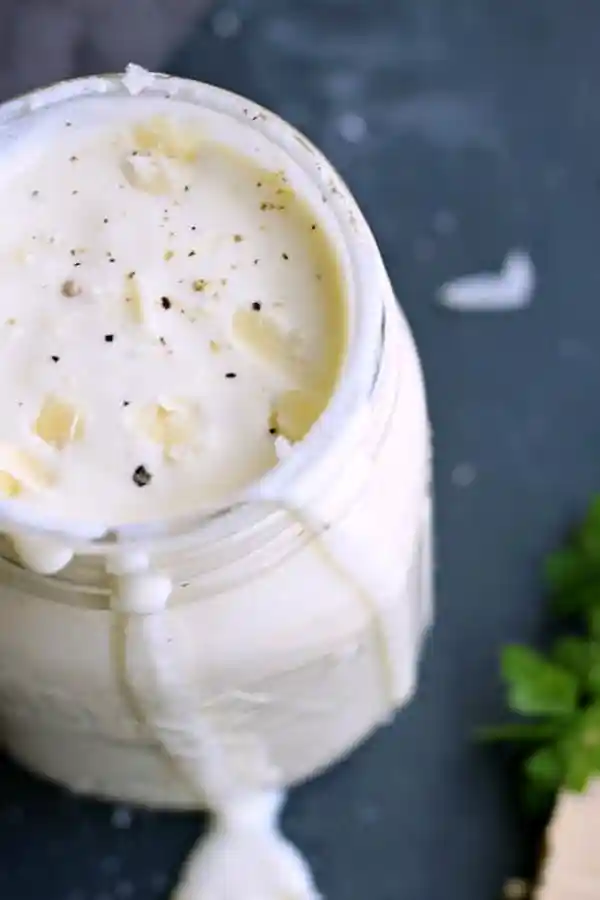
This rich and velvety alfredo sauce combines heavy cream, cream cheese, and parmesan for a professional-grade finish. It is a versatile base that works perfectly for pasta, vegetables, or proteins.
List of ingredients
- 6 tbsp high quality butter (salted or unsalted) – provides a rich, creamy base.
- 4 garlic cloves (minced or pressed) – adds a pungent, aromatic depth.
- 6 tbsp cream cheese – acts as a thickener and adds tanginess.
- 3 tbsp parmigiano-reggiano cheese (grated) – contributes salty, nutty flavor.
- 1 cup heavy cream – creates a silky, smooth texture.
- 1/2 cup milk – helps adjust the final consistency.
- salt and fresh ground pepper (to taste) – enhances the overall flavor profile.
step-by-step instructions
- Melt Butter: Place a medium sauce pan over low heat and melt the butter completely.
- Incorporate Cream: Slowly whisk in the heavy cream to ensure a smooth start.
- Add Remaining Ingredients: Stir in the garlic, cream cheese, and grated parmesan one by one, whisking well between each addition to prevent the sauce from clumping.
- Simmer: Cook the sauce on gentle heat for approximately 10 minutes, monitoring closely to avoid boiling.
- Adjust Consistency: Modify the thickness based on preference using the notes provided.
- Final Touch: Optionally, whisk in a small amount of pasta water for a professional glossy finish.
Ingredient Quality and Selection
The Advantage of Cultured Butter
Cultured butter is produced using live cultures, which results in a tangier and richer flavor profile than standard processed butter. This subtle acidity cuts through the richness of the cream, creating a more complex and luxurious sauce.
Freshly Grated Parmigiano-Reggiano
Always grate your cheese from a block rather than using pre-shredded varieties. Pre-shredded cheeses are coated in anti-caking agents like cellulose or potato starch, which prevent the cheese from melting smoothly and often result in a gritty texture.
Role of Full-Fat Cream Cheese
Full-fat cream cheese is essential for achieving the desired thickness and mouthfeel. While plant-based alternatives can be used, they may alter the viscosity and stability of the emulsion, potentially requiring more simmering time.
Fresh Garlic Preparation
Using fresh garlic cloves that are minced or pressed immediately before cooking ensures the most potent flavor. Avoid using jarred minced garlic, as the preservatives can alter the taste and the aroma is significantly weaker.
Texture and Consistency Management
Fixing a Thin Sauce
If the sauce is too thin after ten minutes of simmering, continue to cook it on low heat for another minute or two. Alternatively, whisk in an extra tablespoon of grated parmesan cheese off the heat to thicken the base quickly.
Correcting an Overly Thick Sauce
A sauce that has become too thick can be easily loosened by whisking in additional milk or heavy cream. A small amount of starchy pasta water is also an excellent way to thin the sauce while maintaining a glossy appearance.
Resolving Sauce Separation
If the sauce begins to split or separate, immediately remove the pan from the heat source. Whisk in a tablespoon of warm pasta water or a splash of warm cream to bring the emulsion back together.
Preventing Grainy Texture
To avoid a grainy or clumpy result, maintain a low heat throughout the process and avoid letting the sauce reach a rolling boil. High temperatures can cause the cheese proteins to tighten and separate from the fat.
Customization and Substitutions
Substituting Heavy Cream
If heavy cream is unavailable, half-and-half can be used as a substitute. Note that this will reduce the overall richness and may result in a thinner sauce that requires more parmesan or a longer simmer to thicken.
Dairy-Free Adjustments
For a plant-based version, use a high-quality vegan butter and plant-based cream cheese. Be aware that the melting point of vegan cheeses varies, so you may need to whisk more vigorously to achieve a smooth consistency.
Adding Protein Components
This sauce pairs exceptionally well with sautéed shrimp or grilled chicken breast. To incorporate these, cook the protein separately and toss it into the sauce just before serving to prevent overcooking.
Flavor Variations
You can add a pinch of nutmeg or a squeeze of fresh lemon juice to brighten the flavor. These additions provide a contrast to the heavy fats and add a layer of professional complexity to the dish.
Serving and Pairing Suggestions
Classic Pasta Pairings
Fettuccine is the traditional pairing for Alfredo sauce due to its wide surface area. However, this sauce also works well in macaroni and cheese recipes or mixed into a stovetop lasagna for extra creaminess.
Vegetable Combinations
Drizzle the sauce over steamed broccoli, roasted cauliflower, or sautéed mushrooms. The creamy base balances the earthiness of these vegetables, making them a satisfying side dish or a vegetarian main.
Creative Main Dish Uses
Use the sauce as a topping for baked potatoes or as a rich base for a chicken pot pie. It can also replace traditional bechamel sauce in various casseroles to provide a more robust cheese flavor.
Garnish Recommendations
Finish the dish with a sprinkle of fresh parsley or chives for a pop of color and a fresh taste. A light dusting of additional parmesan cheese adds a final layer of saltiness and visual appeal.
Storage and Preservation
Refrigeration Guidelines
Store leftover sauce in an airtight glass jar or container in the refrigerator for up to one week. Ensure the sauce is cooled slightly before sealing to prevent excessive condensation inside the container.
Freezing Instructions
The sauce can be frozen for up to one month. To defrost, move the container to the refrigerator overnight to allow it to thaw slowly, which helps maintain the emulsion.
Proper Reheating Techniques
Reheat the sauce slowly on the stovetop over low heat. Because the sauce thickens significantly during cooling, you will likely need to stir in a tablespoon of milk or cream to restore the original consistency.
Managing Freezer Separation
It is common for cream-based sauces to separate slightly after freezing. When reheating, whisk constantly as the sauce warms up to reintegrate the fats and liquids into a smooth state.
Cooking Troubleshooting and FAQ
Why is my sauce clumping?
Clumping usually occurs when ingredients are added too quickly or the heat is too high. To fix this, whisk in a small amount of warm pasta water and stir vigorously on low heat until smooth.
Can I use salted butter?
Yes, you can use either salted or unsalted butter. If using salted butter, taste the sauce before adding any additional salt to avoid over-seasoning the final product.
How do I get a professional glossy finish?
The secret to a glossy, restaurant-style finish is the addition of starchy pasta water. The starch acts as a stabilizer, binding the fats and liquids together and giving the sauce a reflective sheen.
What is the best pan for this recipe?
A heavy-bottomed stainless steel or non-stick saucepan is ideal. Heavy bottoms ensure that heat is distributed evenly across the base, which prevents the milk and butter from scorching in hot spots.
Can I make this sauce ahead of time?
Yes, the sauce can be prepared in advance and stored in the fridge. When you are ready to serve, simply reheat it gently and thin it out with a bit of cream or milk before tossing with fresh pasta.
How do I know when the sauce is done?
The sauce is ready when it has simmered for about ten minutes and has thickened enough to coat the back of a spoon. It should be smooth and velvety without any visible lumps of cream cheese.
Print
Creamy Homemade Alfredo Sauce
- Total Time: 12 minutes
- Yield: 1 jar 1x
- Diet: General
Description
This Creamy Alfredo sauce blends cream cheese, heavy cream, and freshly grated Parmesan into a luxuriously rich, velvety sauce that’s bursting with flavor.
Ingredients
- 6 tbsp high quality butter
- 4 garlic cloves, minced or pressed
- 6 tbsp cream cheese
- 3 tbsp Parmigiano-Reggiano cheese (microbial-rennet), grated
- 1 cup heavy cream
- 1/2 cup milk
- salt and fresh ground pepper to taste
Instructions
- Melt: In a medium sauce pan, melt the butter over low heat.
- Whisk: Whisk in cream slowly.
- Combine: Add all the remaining ingredients one by one, stirring well in between to prevent the sauce from clumping.
- Cook: Cook sauce on gentle heat for about 10 minutes, keeping a close eye on it.
- Finish: Option to add pasta water for a glossy finish.
Notes
Simmer the sauce on gentle low heat and avoid boiling. Use freshly grated cheese rather than pre-shredded to avoid a gritty texture. If the sauce separates or becomes clumpy, whisk in warm pasta water to bring it back together.
- Prep Time: 0 minutes
- Cook Time: 12 minutes
- Category: Dinner, Sauces
- Method: Stove Top
- Cuisine: Italian
Nutrition
- Serving Size: 1 jar
- Calories: 311 kcal
- Sugar: 3 g
- Sodium: 194 mg
- Fat: 32 g
- Saturated Fat: 20 g
- Unsaturated Fat: 9 g
- Trans Fat: 0.5 g
- Carbohydrates: 4 g
- Fiber: 0.04 g
- Protein: 4 g
- Cholesterol: 94 mg