This easy chicken dish combines a tangy Dijon sauce with fragrant rosemary for a sophisticated meal. It is quick to prepare and perfect for a weeknight dinner that tastes like restaurant quality.
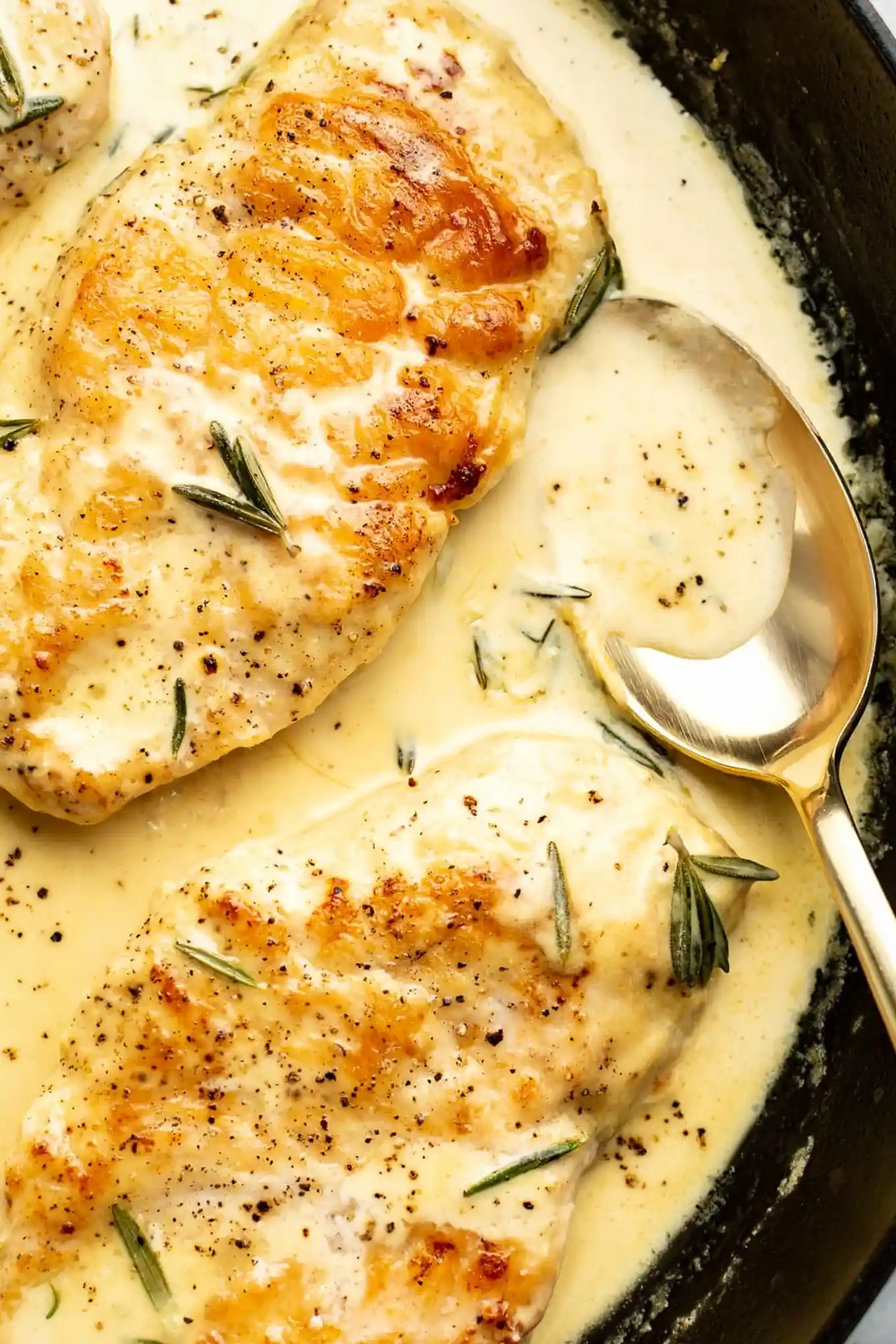
List of ingredients
- 2 large chicken breasts (cut in half lengthwise) – creates thinner cutlets for faster cooking.
- Flour (for dredging) – helps create a golden brown crust and thickens the sauce.
- 1 tablespoon olive oil – prevents sticking and adds flavor.
- 1 tablespoon butter – provides richness and enhances browning.
- 3 sprigs fresh rosemary – adds a woodsy, aromatic quality to the sauce.
- 1/2 cup chicken broth – a savory base for the sauce.
- 3 cloves garlic (minced) – provides essential aromatic depth.
- 3 tablespoons Dijon mustard – adds a sharp, tangy flavor profile.
- 1 cup heavy/whipping cream – creates a silky, luxurious texture.
- Salt & pepper (to taste) – fundamental seasonings for the meat and sauce.
step-by-step instructions
- Prepare the pan: Heat the olive oil and butter over medium-high heat in a large skillet.
- Prepare the chicken: Cut the chicken breasts in half lengthwise so you have four thinner cutlets, then dredge each piece in flour.
- Sear the meat: Fry the chicken for 5 minutes per side, then remove it from the pan and set it aside on a plate.
- Sauté the herbs: Remove the rosemary needles from the stems and add the needles to the pan, cooking them for about a minute.
- Build the base: Add the chicken broth, garlic, and Dijon mustard to the pan. Stir continuously until you have a smooth, integrated sauce.
- Simmer the sauce: Add the heavy cream and return the chicken to the pan.
- Finish cooking: Cook for another 8-10 minutes over medium-low heat until the chicken is cooked through and the sauce has thickened.
- Season: Add salt and pepper as desired before serving.
Technical Cooking Advice for Success
Use an Instant-Read Thermometer
To ensure the chicken is safe and juicy, use a thermometer to check the internal temperature. The meat is perfectly cooked when it reaches 165F. This prevents the breast meat from drying out.
Dredging Technique for Even Browning
Coat the chicken breasts lightly and evenly in flour, shaking off any excess. This thin layer creates a better sear and helps the sauce adhere to the meat. It also acts as a mild thickener for the final sauce.
Blooming Rosemary for Better Flavor
Sautéing the fresh rosemary needles in butter and oil before adding liquids is called blooming. This process releases the essential oils from the herb. It results in a deeper, more fragrant flavor throughout the dish.
Choosing the Correct Skillet
A heavy-bottomed stainless steel or cast iron skillet is ideal for this recipe. These materials distribute heat evenly and allow for a better sear on the chicken. They also prevent the cream sauce from scorching on the bottom.
Managing Heat to Prevent Curdling
Once the heavy cream is added, lower the heat to medium-low. Boiling cream too vigorously can cause it to separate or curdle. A gentle simmer ensures a smooth, velvety consistency.
Ingredient Substitutions and Alternatives
Replacing Heavy Cream with Coconut Cream
For a dairy-free version, you can use full-fat canned coconut cream. While the flavor will be slightly different, it provides the same thickness and richness. Ensure the coconut cream is well-mixed before adding it to the pan.
Using Dried Rosemary Instead of Fresh
If fresh rosemary is unavailable, use dried rosemary but reduce the quantity significantly. One teaspoon of dried rosemary typically equals one tablespoon of fresh needles. Be aware that dried herbs have a more concentrated, less bright flavor.
Swapping Dijon for Whole Grain Mustard
Whole grain mustard can be used as a substitute for Dijon for a more rustic texture. It provides a similar tang but with visible mustard seeds. The flavor is slightly milder than traditional Dijon.
Using Chicken Thighs Instead of Breasts
Boneless, skinless chicken thighs can be used for a juicier result. Thighs are more forgiving and less likely to overcook. You may need to increase the searing time slightly depending on the thickness.
Garlic Powder as a Fresh Garlic Alternative
If fresh garlic is not on hand, use 1/2 teaspoon of garlic powder. Add it during the stage when you stir in the broth and mustard. Note that fresh garlic provides a more pungent and complex taste.
Optimal Side Dish Pairings
Serving with Garlic Mashed Potatoes
Creamy mashed potatoes are an excellent choice for absorbing the extra Dijon sauce. The buttery texture of the potatoes complements the tanginess of the mustard. They provide a comforting, starchy base for the protein.
Pairing with Steamed Basmati Rice
For a lighter option, serve the chicken over a bed of steamed basmati or jasmine rice. The neutral flavor of the rice allows the rosemary and garlic notes to stand out. It is an efficient way to soak up the cream sauce.
Adding Roasted Brussels Sprouts
Roasted Brussels sprouts offer a charred, slightly bitter contrast to the rich cream sauce. Toss them in olive oil and salt before roasting at 400F. Their earthiness pairs well with the woodsy rosemary.
Combining with Sautéed Broccolini
Sautéed broccolini adds a fresh, vibrant green color and a crisp texture to the plate. Quick-sear them with a bit of lemon juice and salt. This acidity helps cut through the richness of the heavy cream.
Serving with an Arugula Salad
A simple salad of baby arugula with a light lemon vinaigrette provides a peppery bite. This freshness balances the heavy nature of the sauce. It makes the meal feel lighter and more balanced.
Storage and Reheating Guidelines
Refrigeration and Container Choice
Store leftovers in an airtight glass container in the refrigerator for 3 to 4 days. Glass containers help maintain the flavor and prevent odors from leaching into the sauce. Ensure the chicken is completely cooled before sealing.
Proper Saucepan Reheating
Reheat the chicken and sauce slowly in a saucepan over low heat. Adding a tablespoon of water or chicken broth can help loosen the sauce. This method prevents the cream from separating during the heating process.
Avoiding Microwave Reheating
Avoid using a microwave to reheat this dish if possible. Microwaves heat unevenly, which often causes cream sauces to break and become oily. The chicken may also become rubbery due to rapid heating.
Freezing Creamy Sauces
It is not recommended to freeze this dish. Cream-based sauces often change texture and separate upon thawing, resulting in a grainy consistency. For the best quality, consume the meal within a few days of cooking.
Common Troubleshooting Solutions
Fixing a Sauce That Is Too Thick
If the sauce reduces too much and becomes overly thick, stir in a small amount of chicken broth. Add one tablespoon at a time until the desired consistency is reached. Stir gently over low heat to incorporate.
Preventing Flour from Burning
If the flour in the pan begins to brown too quickly, lower the heat immediately. Excess flour can burn and create bitter black specks in the sauce. Use a combination of oil and butter to stabilize the temperature.
Handling Overcooked Chicken
If the chicken becomes dry, it is likely due to overcooking the breasts. To prevent this, always slice the breasts lengthwise into thinner cutlets. This ensures they cook through quickly without the exterior drying out.
Correcting a Sauce That Is Too Thin
If the sauce is too runny, simmer it for an additional 2-3 minutes without the lid. This allows more moisture to evaporate and thickens the cream. You can also whisk in a tiny amount of cornstarch slurry if needed.
Flavor Enhancements and Variations
Adding a Squeeze of Fresh Lemon
Stir in a teaspoon of fresh lemon juice just before serving. The acidity brightens the heavy cream and Dijon flavors. It adds a professional finishing touch to the sauce.
Incorporating Fresh Parsley
Garnish the finished dish with chopped fresh parsley. This adds a pop of color and a clean, herbal note. It contrasts well with the deep flavor of the rosemary.
Adding Sliced Mushrooms
Sauté sliced cremini or button mushrooms in the pan before adding the rosemary. Mushrooms add an earthy umami flavor that complements the chicken. They also add more bulk to the meal.
Balancing with a Touch of Honey
If the Dijon mustard is too sharp, whisk in a teaspoon of honey. This creates a honey-mustard profile that appeals to those who prefer a sweeter sauce. It balances the saltiness of the broth.
Adding Heat with Red Pepper Flakes
For a spicy kick, add a pinch of crushed red pepper flakes when sautéing the garlic. This provides a subtle warmth that cuts through the richness of the cream. Adjust the amount based on your spice tolerance.
Frequently Asked Questions
Can I use low-fat milk instead of heavy cream?
Using low-fat milk is not recommended as it lacks the fat necessary to emulsify the sauce. It is likely to curdle when combined with the acidic Dijon mustard and broth. Heavy cream is essential for the desired silky texture.
Should I salt the chicken before dredging?
Yes, seasoning the chicken with salt and pepper before coating it in flour ensures the meat is flavorful from the inside. This prevents the chicken from tasting bland despite the rich sauce.
How do I remove rosemary needles easily?
Hold the top of the rosemary sprig with one hand and slide your other hand down the stem from top to bottom. The needles should strip away easily against the grain. Discard the woody stems.
Is it necessary to cut the breasts in half?
Cutting the breasts lengthwise is highly recommended for even cooking. Large breasts often overcook on the outside before the center is safe to eat. Thinner cutlets cook faster and stay more tender.
Which type of chicken broth works best?
A low-sodium chicken broth is the best choice. Since the Dijon mustard and butter already contain salt, using a low-sodium version allows you to control the final seasoning more accurately.
Print
Creamy Garlic Rosemary Chicken with Dijon Sauce
- Total Time: 25 minutes
- Yield: 4 servings 1x
- Diet: General
Description
This creamy Dijon rosemary chicken recipe is wonderfully tender and flavorful. It feels fancy but uses remarkably few ingredients for a weeknight treat!
Ingredients
- 2 large chicken breasts (cut in half lengthwise)
- Flour (for dredging)
- 1 tablespoon olive oil
- 1 tablespoon butter
- 3 sprigs fresh rosemary
- 1/2 cup chicken broth
- 3 cloves garlic (minced)
- 3 tablespoons Dijon mustard
- 1 cup heavy/whipping cream
- Salt & pepper (to taste)
Instructions
- Step: Heat the olive oil and butter over medium-high heat in a large skillet.
- Step: Cut the chicken breasts in half lengthwise so you’re left with four thinner cutlets. Dredge each piece in flour.
- Step: Fry the chicken for 5 minutes per side and then remove it from the pan and set it aside.
- Step: Remove the rosemary needles from the stems and add the needles to the pan. Let the rosemary cook for about a minute.
- Step: Add the chicken broth, garlic, and Dijon mustard. Stir it until you have a smooth sauce, and then add the cream and chicken back in the pan. Cook for another 8-10 minutes over medium-low heat until the chicken is cooked through and the sauce has thickened. Season with salt and pepper as desired.
Notes
For best results, ensure chicken reaches an internal temperature of 165F. This dish pairs well with rice, roasted red potatoes, or steamed broccolini.
- Prep Time: 5 minutes
- Cook Time: 20 minutes
- Category: Main Course
- Method: Pan-frying
- Cuisine: American
Nutrition
- Serving Size: 1 serving
- Calories: 433 kcal
- Sugar: 1 g
- Sodium: 309 mg
- Fat: 32 g
- Saturated Fat: 17 g
- Unsaturated Fat: 14 g
- Trans Fat: 1 g
- Carbohydrates: 5 g
- Fiber: 1 g
- Protein: 26 g
- Cholesterol: 161 mg