This creamy Cajun chicken pasta is a fast, satisfying meal perfect for busy weeknights. It combines tender chicken and linguine in a rich, spicy garlic sauce that comes together in just 30 minutes.
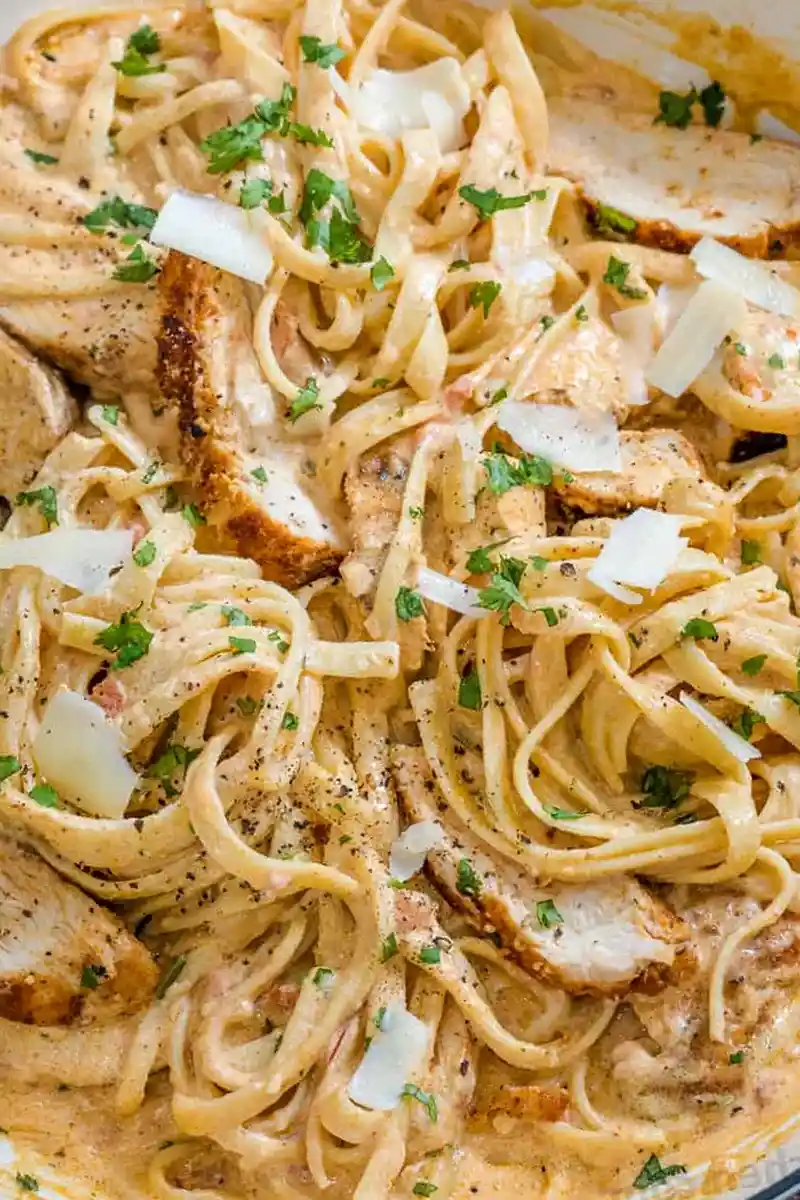
List of ingredients
- 8 oz linguine pasta – provides a classic base for the heavy sauce.
- 2 boneless skinless chicken breasts – lean protein source.
- 2 tsp olive oil – used for searing the meat.
- 2 Tbsp unsalted butter – adds richness and helps sauté aromatics.
- 1 1/2 to 2 Tbsp cajun seasoning – divided for chicken and sauce; adjust based on salt content.
- 3 garlic cloves, minced – provides a pungent, aromatic flavor base.
- 2/3 cup diced tomatoes – adds a slight acidity and pops of color.
- 1 1/2 cup heavy whipping cream – creates the smooth, creamy texture.
- 1/2 cup grated parmesan cheese – thickens the sauce and adds a salty finish.
- 2 Tbsp parsley, finely chopped – used for a fresh garnish.
step-by-step instructions
- Boil Pasta: Bring a large pot of water to a boil and add 1 Tbsp salt. Cook pasta according to package instructions until al dente. Reserve 1/2 cup of pasta water then drain, cover, and keep warm.
- Prepare Chicken: Beat the chicken breasts so that they are even in thickness and season all over with 1½ Tbsp cajun seasoning.
- Sear Meat: In a large non-reactive skillet, heat 2 tsp oil over medium-high heat. Once hot, add the chicken and sear on both sides. Turn heat down to low and saute until cooked through and 165°F on a thermometer. Transfer to a cutting board, slice into thin strips, and cover to keep warm.
- Sauté Aromatics: In the same skillet over medium heat, saute the butter and garlic for 30-60 seconds or until the garlic is fragrant. Add the diced tomatoes and saute another 2 minutes.
- Simmer Sauce: Add in the heavy whipping cream, add remaining cajun seasoning to taste, and parmesan cheese, and bring to a simmer. Season to taste if needed.
- Combine and Serve: Add the sliced chicken and cooked pasta to the sauce and toss until combined and pasta and chicken are warmed through. Add warm reserved pasta water if desired to thin the sauce. Serve with freshly grated parmesan and chopped parsley.
Optimizing Ingredient Choices
Selecting the Ideal Pasta Shape
Linguine is the recommended choice because its flat surface area allows the cream sauce to cling effectively. However, penne or fettuccine are excellent alternatives if you prefer a heartier texture. Ensure you cook the pasta slightly under the package directions to prevent it from becoming mushy during the final tossing phase.
Substituting Chicken Thighs for Breasts
While breasts provide a lean option, boneless skinless chicken thighs offer more moisture and a richer flavor. Thighs are more forgiving during the searing process and less likely to dry out. If using thighs, you may need to increase the searing time slightly to ensure they are fully cooked.
Using Alternative Creamy Bases
For a slightly lighter sauce, you can substitute heavy whipping cream with half-and-half or light cream. Be aware that these alternatives contain less fat, which will result in a thinner consistency. To compensate, you may need to simmer the sauce longer or add a small amount of extra parmesan cheese to thicken it.
Managing Cajun Seasoning Sodium
Different brands of Cajun seasoning vary significantly in salt content. If your blend is very salty, reduce the added salt in the pasta water and omit any final salt seasoning. Always start with the lower end of the measurement and taste the sauce before adding more.
Choosing the Right Parmesan
Freshly grated parmesan cheese melts more smoothly into the sauce than pre-shredded varieties, which are often coated in cornstarch. This prevents the sauce from becoming grainy or clumpy. For the best flavor, grate a block of high-quality parmesan directly into the simmering cream.
Professional Cooking Techniques
Pounding Chicken for Even Cooking
Using a meat mallet to beat chicken breasts to a uniform thickness is critical for consistent results. This ensures the thinner edges do not overcook while the center is still raw. Aim for a consistent thickness of about 3/4 of an inch across the entire piece of meat.
Selecting Non-Reactive Cookware
Avoid using cast iron or copper pans when preparing sauces that contain acidic ingredients like tomatoes. These metals can react with the acid, potentially imparting a metallic taste or making the creamy sauce look grainy. Stainless steel or non-stick skillets are the safest options for this recipe.
Mastering Al Dente Pasta
Cooking pasta al dente means it still has a slight firmness in the center. This is important because the pasta will continue to cook for a minute or two when it is tossed in the hot sauce. Overcooked pasta will break apart and absorb too much sauce, leaving the dish dry.
Using Reserved Pasta Water for Emulsification
The starchy water reserved from the pasta pot is a powerful tool for adjusting sauce consistency. Adding a tablespoon or two of this liquid helps the sauce bind to the pasta more effectively. It emulsifies the fats in the cream and butter, creating a glossy, professional finish.
Flavor Variations and Additions
Adding Sautéed Green Vegetables
You can increase the nutritional value by adding steamed broccoli florets or sautéed asparagus spears. Toss these into the pan at the same time as the cooked pasta. These vegetables provide a fresh, crisp contrast to the richness of the cream sauce.
Converting the Recipe to Vegetarian
To make this dish vegetarian, simply omit the chicken and replace it with sliced cremini or button mushrooms. Sauté the mushrooms in the olive oil until browned and caramelized before proceeding with the butter and garlic. This maintains the savory depth of the dish.
Substituting Chicken with Seafood
For a seafood twist, use large shrimp instead of chicken breasts. Sauté the shrimp quickly over medium-high heat for 2 minutes per side until pink. Add them back into the sauce at the very end to avoid overcooking them and making them rubbery.
Increasing the Heat Level
If the Cajun seasoning is not spicy enough, add a pinch of cayenne pepper or a dash of hot sauce to the simmering cream. You can also add diced jalapeños during the garlic sauté phase for an extra kick. Always taste as you go to ensure the spice does not overwhelm the garlic and cream.
Serving and Presentation
Pairing with Garlic Bread
A side of toasted focaccia or garlic bread is ideal for soaking up the remaining cream sauce on the plate. Brush slices of baguette with melted butter and minced garlic, then toast until golden. This adds a crunchy texture that complements the soft pasta.
Balancing with a Fresh Salad
A simple Caesar salad or a garden salad with a vinaigrette provides a necessary acidic contrast to the rich sauce. The freshness of raw greens helps cleanse the palate between bites of the creamy pasta. Use a lemon-based dressing to cut through the heaviness of the heavy cream.
Garnishing for Visual Appeal
Finely chopped fresh parsley adds a vibrant green color that makes the dish look professional. A final sprinkle of freshly grated parmesan adds a layer of texture and a sharp flavor hit. Avoid using dried parsley, as it lacks the brightness and fresh taste of the fresh herb.
Non-Alcoholic Beverage Pairings
Serve this spicy dish with a cold glass of iced tea or a sparkling lemonade. The coolness of these drinks helps soothe the palate if the Cajun seasoning is particularly potent. A glass of sparkling water with a lime wedge also provides a refreshing acidity.
Storage and Reheating
Refrigerating Leftover Pasta
Store leftover pasta in an airtight container in the refrigerator for up to three to four days. Ensure the pasta is cooled slightly before sealing the lid to prevent excessive condensation. This helps maintain the texture of the noodles during storage.
Reheating to Maintain Creaminess
Avoid reheating the pasta in the microwave on high heat, as this can cause the cream sauce to separate. Instead, heat it in a skillet over low heat. Add a splash of milk or water to loosen the sauce and restore its original creamy consistency.
Freezing Considerations
Cream-based sauces do not always freeze and thaw well, as the emulsion often breaks, leading to a grainy texture. If you must freeze the dish, undercook the pasta significantly. Thaw completely in the fridge before reheating slowly on the stove.
Preventing Sauce Separation during Storage
When storing, you may notice the sauce thickening significantly as it cools. Do not be alarmed; this is a natural result of the parmesan and cream cooling. Adding a small amount of liquid during the reheating process will bring the sauce back to its proper state.
Make-Ahead Advice
Prepping Ingredients in Advance
You can mince the garlic and dice the tomatoes several hours before you begin cooking. Store them in separate small containers in the refrigerator. This reduces the active prep time to just a few minutes when you are ready to start the stove.
Cooking Chicken Ahead of Time
The chicken can be seared and sliced hours in advance and kept in the fridge. When you are ready to assemble the meal, simply add the chilled chicken to the simmering sauce. It will warm through quickly without overcooking.
Par-boiling the Pasta
For very tight schedules, you can boil the pasta a day early, drain it, and toss it with a teaspoon of oil to prevent sticking. When ready to eat, add the cold pasta directly to the hot sauce. Be careful not to overcook it during this second heating phase.
Troubleshooting Common Issues
Fixing a Sauce That Is Too Thick
If the sauce becomes too thick after adding the parmesan, stir in the reserved pasta water one tablespoon at a time. The starch in the water helps the sauce stay smooth while thinning it out. If you have no pasta water left, a tablespoon of heavy cream or whole milk will also work.
Preventing the Sauce from Breaking
Sauce breakage occurs when the fat separates from the liquid, often due to excessive heat. Keep the sauce at a gentle simmer rather than a rolling boil. If the sauce begins to separate, whisk in a small amount of cold cream quickly to re-emulsify the mixture.
Managing Excess Saltiness
If the dish tastes too salty due to the Cajun seasoning, add a squeeze of fresh lemon juice or a teaspoon of apple cider vinegar. The acidity helps neutralize the perception of salt. Alternatively, adding more heavy cream can dilute the salt concentration.
Correcting Overcooked Chicken
If the chicken becomes dry, slice it into thinner strips to increase the surface area contact with the sauce. This allows the meat to absorb more of the cream, masking the dryness. In the future, always use a digital thermometer to pull the chicken at exactly 165°F.
Frequently Asked Questions
Can I use a different cheese?
Yes, you can use Pecorino Romano or Asiago for a sharper, saltier flavor. However, these cheeses are more potent than parmesan, so start with a smaller amount. Ensure the cheese is finely grated to ensure it melts smoothly into the cream.
How do I prevent the chicken from drying out?
The key is to pound the chicken to an even thickness and avoid overcooking it. Use a meat thermometer to ensure it reaches 165°F and then remove it from the heat immediately. Resting the meat for a few minutes before slicing also keeps the juices inside.
Is this recipe suitable for meal prep?
Yes, this dish is great for meal prep, but the pasta may absorb the sauce over time. To prevent this, store a little extra sauce in a separate container. When reheating, add the extra sauce to the pasta to restore the creamy texture.
Can I use gluten-free pasta?
You can use gluten-free pasta, but be cautious with the cooking time. Gluten-free noodles often go from al dente to mushy very quickly. Drain them a minute earlier than usual since they will continue to soften in the hot Cajun sauce.
Essential Equipment Guide
Using a Stainless Steel Skillet
A wide stainless steel skillet is ideal because it allows for a good sear on the chicken while providing enough room to toss the pasta. The high sides prevent the cream sauce from splashing over. Ensure the pan is well-heated before adding the oil to prevent sticking.
The Importance of a Meat Mallet
A meat mallet allows you to flatten the chicken breasts without tearing the fibers of the meat. This creates a uniform shape that cooks evenly across the entire surface. If you do not have one, the bottom of a heavy saucepan can serve as a substitute.
Using a Digital Meat Thermometer
A digital thermometer is the only way to guarantee the chicken is safe to eat without overcooking it. Inserting the probe into the thickest part of the breast ensures accuracy. Pull the chicken off the heat as soon as it hits 165°F.
Using Tongs for Mixing
Tongs are much more effective than a spoon for tossing linguine in a thick sauce. They allow you to lift and fold the pasta, ensuring every strand is coated without breaking the noodles. This method distributes the chicken and tomatoes evenly throughout the dish.
Print
Creamy Cajun Chicken Pasta
- Total Time: 30 minutes
- Yield: 6 servings 1x
- Diet: General
Description
Creamy Cajun Chicken Pasta is such a simple and quick recipe, perfect for weeknight dinners. Juicy chicken breast tossed with tender pasta in a creamy cajun garlic sauce, ready in 30 minutes.
Ingredients
- 8 oz linguine pasta
- 2 boneless skinless chicken breasts
- 2 tsp olive oil
- 2 Tbsp unsalted butter
- 1 1/2 to 2 Tbsp cajun seasoning
- 3 garlic cloves (minced)
- 2/3 cup diced tomatoes
- 1 1/2 cup heavy whipping cream
- 1/2 cup grated parmesan cheese
- 2 Tbsp parsley (finely chopped)
Instructions
- Step: Bring a large pot of water to a boil and add 1 Tbsp salt. Cook pasta according to package instructions until al dente. Reserve 1/2 cup of pasta water then drain, cover, and keep warm.
- Step: Beat the chicken breasts so that they are even in thickness and season all over with 1½ Tbsp cajun seasoning.
- Step: In a large non-reactive skillet, heat 2 tsp oil over medium-high heat. Once hot, add the chicken and sear on both sides. Turn heat down to low and saute until cooked through and 165˚F on a thermometer. Transfer to a cutting board, slice into thin strips, and cover to keep warm.
- Step: In the same skillet over medium heat, saute the butter and garlic for 30-60 seconds or until the garlic is fragrant. Add the diced tomatoes and saute another 2 minutes.
- Step: Add in the heavy whipping cream, add remaining cajun seasoning to taste, and parmesan cheese, and bring to a simmer. Season to taste if needed.
- Step: Add the sliced chicken and cooked pasta to the sauce and toss until combined and pasta and chicken are warmed through. Add warm reserved pasta water if desired to thin the sauce. Serve with freshly grated parmesan and chopped parsley.
Notes
Avoid using cast iron or copper pans anytime you are making a creamy sauce with an acidic product like tomato or it will react and make the sauce grainy. If you are using a cajun seasoning that has a high salt content, start with half of the seasoning and add more to taste.
- Prep Time: 10 minutes
- Cook Time: 20 minutes
- Category: Main Course
- Method: Sauteing
- Cuisine: Cajun
Nutrition
- Serving Size: 1 serving
- Calories: 480 kcal
- Sugar: 4 g
- Sodium: 214 mg
- Fat: 31 g
- Saturated Fat: 18 g
- Unsaturated Fat: 10 g
- Trans Fat: 0.2 g
- Carbohydrates: 34 g
- Fiber: 2 g
- Protein: 18 g
- Cholesterol: 109 mg