This vibrant seafood ceviche offers a refreshing blend of tender shrimp and delicate baby scallops cured in a bright trio of citrus juices. It serves as an ideal appetizer for warm afternoons, providing a light yet complex flavor profile that highlights fresh ingredients. Perfectly balanced with aromatic herbs and a subtle heat, this dish brings a professional-quality coastal experience directly to your home kitchen.
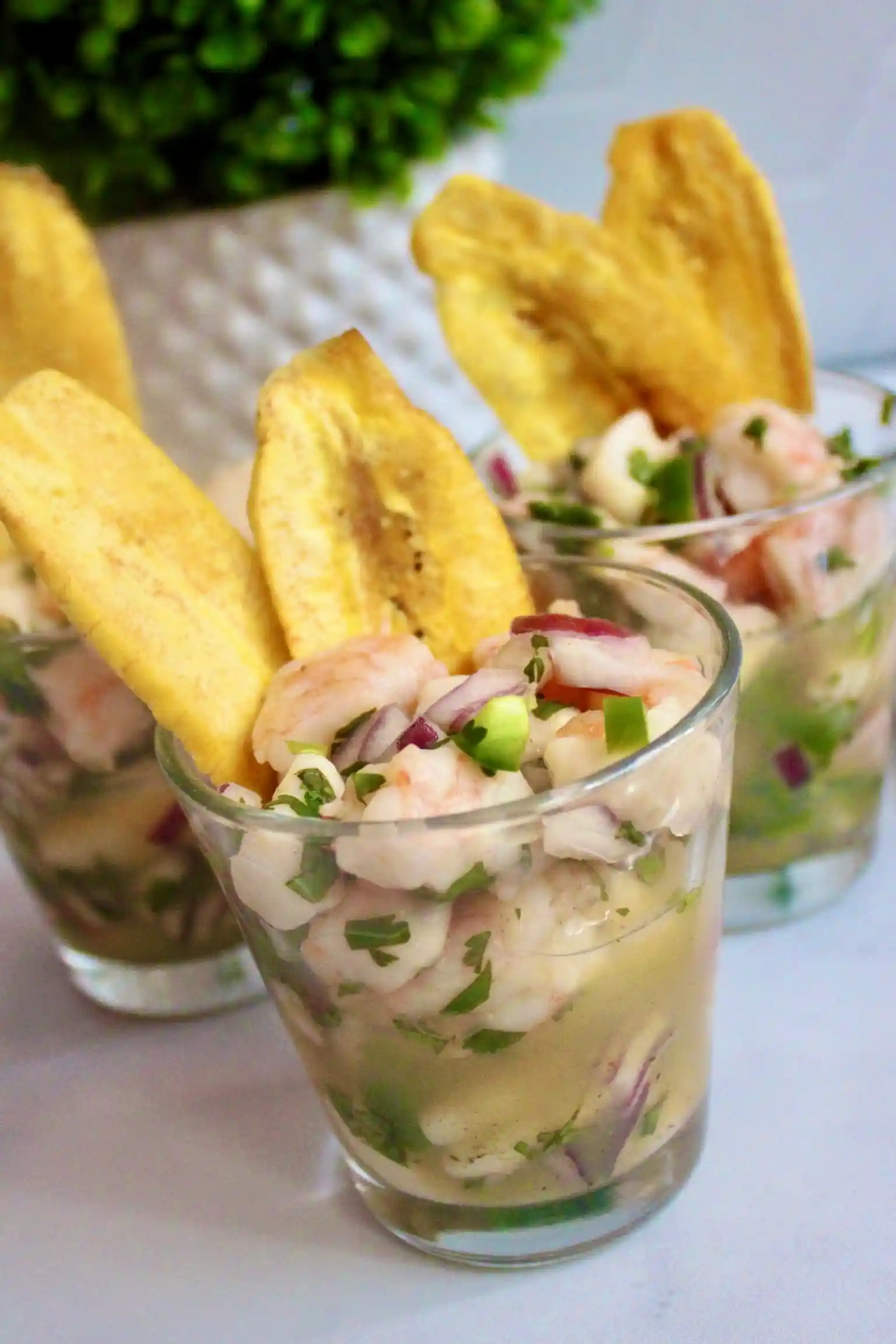
List of ingredients
- ½ lb of shrimp
- ½ lb of miniature/baby scallops
- 1 cup of lime juice
- ½ cup of orange juice
- ¼ cup of lemon juice
- ⅓ cup of cilantro (diced)
- ⅓ cup of tomato (diced)
- ½ cup of red onions (diced)
- 2 tbsp of jalapenos (pitted and diced)
- 1 tsp of salt
- ½ tsp of black pepper
- ½ tsp of cumin
step-by-step instructions
- Step: Take the tail off the shrimp and cut each shrimp in a half or thirds. Place in a bowl along with the baby scallops.
- Step: Next, add your lime, lemon, and orange juice and stir to evenly coat the seafood.
- Step: Then, add chopped cilantro, diced tomatoes, diced red onions, and diced jalapenos (don’t forget to take the seeds out of the jalapenos).
- Step: Finish off with salt, black pepper, and cumin.
- Step: Stir it all together and allow it to marinate for an hour or longer.
- Step: Serve with either plantain chips, tortilla chips or on it’s own and enjoy!
Selecting the Best Seafood
Freshness and Quality
Always prioritize buying the freshest seafood possible from a reputable fishmonger or market. Since the seafood is cured through acid rather than heat, its initial quality is the most important factor in the success and safety of the final dish. Look for clear, firm, and bright-colored shrimp and scallops that have a clean, neutral ocean scent.
Alternative Seafood Options
If you prefer to experiment, you can easily substitute the shrimp or scallops with other firm white fish varieties. Sea bass, tilapia, mah-mahi, or red snapper all perform exceptionally well when cut into small, uniform cubes. Just ensure any fish used is handled with the same care and remains chilled until the very moment it hits the marinade.
Understanding the Curing Process
The Role of Citrus Acidity
The transformation of the raw seafood into a firm, opaque state is caused by the citric acid reacting with the proteins in the shellfish. This process, known as denaturation, changes the texture and appearance of the meat similar to how high-heat cooking functions. Using fresh-squeezed juice is significantly superior to bottled varieties, as it contains the essential enzymes required for an effective and flavorful cure.
Managing Marination Timing
While the seafood technically cures within thirty to sixty minutes, allowing it to rest for closer to two hours can produce a more cohesive flavor profile. However, avoid letting the mixture sit for longer than six hours, as the continued exposure to acidic citrus will eventually cause the delicate seafood to become overly tough or mushy. The goal is to reach that perfect point where the proteins are just set but remain succulent.
Achieving Perfect Textures
Precision in Dicing
Uniformity in dicing the vegetables and the seafood is not just for visual appeal; it ensures that each spoonful offers a harmonious balance of ingredients. Aim for a consistent quarter-inch size for the tomatoes, onions, and jalapenos so that no single vegetable overwhelms the flavor of the delicate scallops. This precision makes the eating experience smoother and more enjoyable for your guests.
Controlling the Heat Level
The spice level of your ceviche primarily depends on how you handle the jalapenos. By removing the pith and all of the seeds, you capture the bright, grassy flavor of the pepper while removing the majority of the capsaicin. If you find your guests prefer a bolder kick, feel free to leave in a small portion of the seeds, but start slow as the heat can intensify as the dish marinates.
Pairing and Serving Strategies
Crispy Serving Accompaniments
The contrast between the soft, cool seafood and a crunchy vessel is the hallmark of a great ceviche experience. Plantain chips provide a hint of sweetness that pairs perfectly with the acidity, while traditional salted tortilla chips offer a familiar, savory crunch. Other alternatives include fresh cucumber slices or even lettuce cups for a lighter, gluten-free option.
Presentation Tips
To serve this dish professionally, chill your serving bowls or glasses for at least thirty minutes before plating the ceviche. This helps maintain the cold temperature of the seafood, which is vital for both safety and enjoyment. Garnish the top with an extra sprinkling of freshly chopped cilantro or a thin slice of lime to emphasize the freshness of the ingredients used.
Storage and Safety Guidelines
Optimal Storage Temperatures
Always store any leftover ceviche in an airtight container kept in the coldest part of your refrigerator. Because the seafood remains technically raw despite the acid cure, keeping it strictly below 40 degrees Fahrenheit is essential. Consume any leftovers within twenty-four hours to ensure the highest quality and safety standards are met.
Avoiding Freezer Use
Never attempt to freeze prepared ceviche, as the structure of the seafood will be completely compromised. Upon thawing, the texture will turn spongy and the liquid will lose its brightness and clarity. It is always better to prepare only what you intend to serve, or keep the ingredients prepped separately to assemble just before the event.
Frequently Asked Questions
Can I prepare the ingredients in advance?
Yes, you can dice all the vegetables and prepare the citrus juices several hours before you plan to serve. Store these components in separate airtight containers in the refrigerator, but do not combine them with the seafood until you are ready to start the curing process. This ensures your vegetables remain crisp and the fish remains perfectly textured.
Why did my ceviche turn milky or cloudy?
A cloudy appearance is often caused by using ingredients that are not perfectly fresh or by allowing the mixture to sit in the citrus for too long. If the citrus juice begins to turn opaque, it is an indication that the proteins are starting to break down significantly. Serve the dish immediately once the seafood has achieved the desired level of opacity to maintain the best aesthetic.
Can I add fruit to this recipe?
While this recipe focuses on a traditional savory profile, many people enjoy adding diced mango or pineapple to the mixture. These fruits introduce a tropical sweetness that pairs beautifully with the acidity of the lime and the mild heat of the jalapenos. If you choose to add fruit, add it during the last thirty minutes of marination so it maintains its structural integrity.
What is the best way to handle red onions?
If you find that the raw red onion is too sharp for your personal preference, place the diced onion in a small bowl of ice water for ten minutes before adding it to the ceviche. This technique, often called de-gorging, removes the harsh sulfurous bite of the onion while keeping it crisp. Drain the onions thoroughly before folding them into your seafood and citrus mixture.
Print
Classic Citrus-Marinated Seafood Ceviche
- Total Time: 80 minutes
- Yield: 8 servings 1x
- Diet: Pescatarian, Gluten-Free
Description
Light, refreshing and flavorful seafood appetizer.
Ingredients
- ½ lb of shrimp
- ½ lb of miniature/baby scallops
- 1 cup of lime juice
- ½ cup of orange juice
- ¼ cup of lemon juice
- ⅓ cup of cilantro (diced)
- ⅓ cup of tomato (diced)
- ½ cup of red onions (diced)
- 2 tbsp of jalapenos (pitted and diced)
- 1 tsp of salt
- ½ tsp of black pepper
- ½ tsp of cumin
Instructions
- Step: Take the tail off the shrimp and cut each shrimp in a half or thirds. Place in a bowl along with the baby scallops.
- Step: Next, add your lime, lemon, and orange juice and stir to evenly coat the seafood.
- Step: Then, add chopped cilantro, diced tomatoes, diced red onions, and diced jalapenos (don’t forget to take the seeds out of the jalapenos).
- Step: Finish off with salt, black pepper, and cumin.
- Step: Stir it all together and allow it to marinate for an hour or longer.
- Step: Serve with either plantain chips, tortilla chips or on it’s own and enjoy!
Notes
Marinate for at least one hour for optimal flavor absorption. For best results, use the freshest seafood available.
- Prep Time: 20 minutes
- Cook Time: 60 minutes
- Category: Appetizer, Side Dish
- Method: Marinated
- Cuisine: Cuban, Hispanic, Spanish
Nutrition
- Serving Size: 1 serving
- Calories: 115 kcal
- Sugar: 3 g
- Sodium: 380 mg
- Fat: 1.5 g
- Saturated Fat: 0.3 g
- Unsaturated Fat: 0.8 g
- Trans Fat: 0 g
- Carbohydrates: 8 g
- Fiber: 1 g
- Protein: 16 g
- Cholesterol: 85 mg