This dish transforms standard boneless chicken breasts into a gourmet meal using the classic flavors of a Caprese salad. By combining a quick pan-sear with a final oven bake, you achieve a juicy interior and a caramelized exterior.
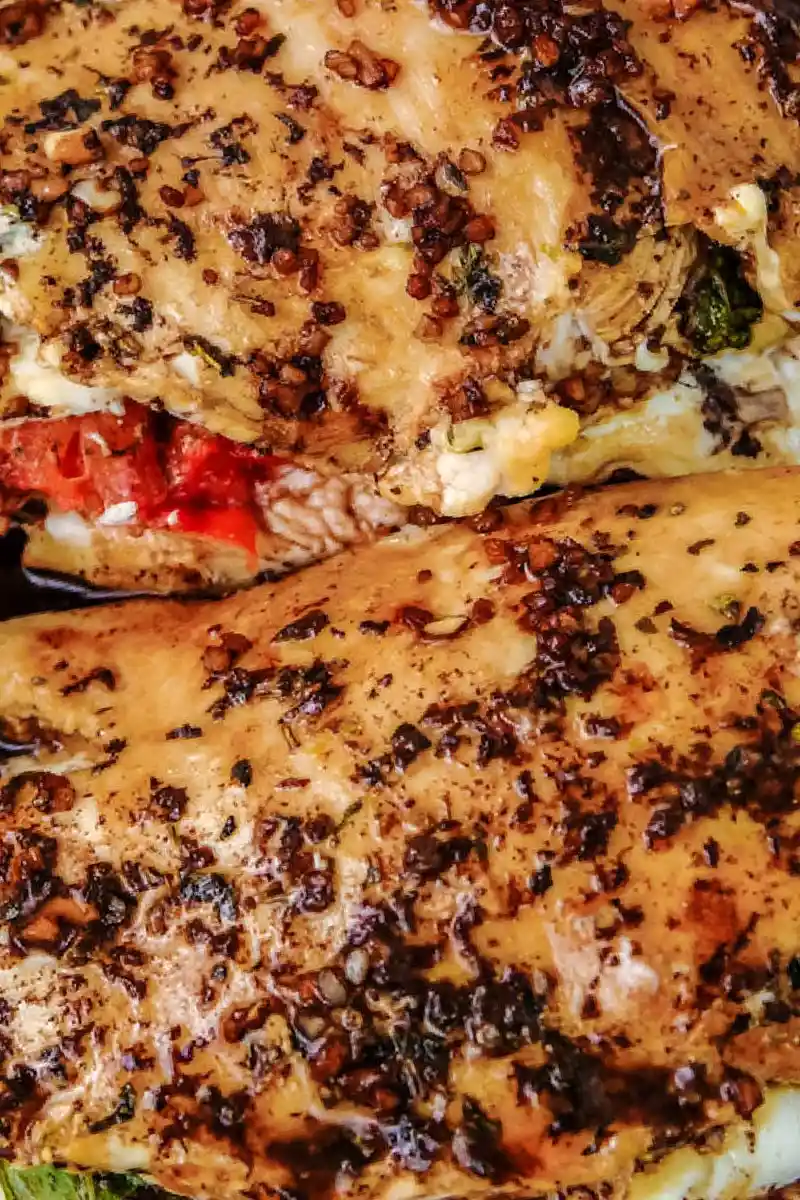
List of ingredients
- 4 chicken breasts (boneless, skinless) – use evenly sized breasts for consistent cooking.
- 2 tomatoes (sliced thinly) – ripe Roma tomatoes work best as they are less watery.
- 8 slices fresh mozzarella cheese (or regular mozzarella slices) – fresh mozzarella provides a creamier melt.
- 1 cup fresh basil leaves (divided into 4 servings) – use large leaves for easier stuffing.
- 1 teaspoon dried oregano – adds an earthy, herbal note.
- 1 teaspoon dried basil – reinforces the fresh basil flavor.
- 1 teaspoon salt – enhances all the flavors in the dish.
- 2 tablespoons olive oil – used for searing to prevent sticking.
- 1/2 cup balsamic vinegar – the base for the tangy glaze.
- 1 tablespoon brown sugar – balances the acidity of the vinegar.
- 4 cloves garlic (minced) – provides a pungent, savory depth.
step-by-step instructions
- Prepare the Oven: Preheat your oven to 375°F to ensure it is hot enough for roasting.
- Create the Pocket: Slice each chicken breast about 3/4 of the way through starting on the thickest side, taking care not to cut all the way through to create a stuffing pocket.
- Stuff the Chicken: Place 2 slices of tomato, 2 slices of mozzarella cheese, and 1/4 cup of basil into each chicken breast pocket.
- Secure the Meat: Place 4 toothpicks into the open side of the chicken diagonally to keep the filling from falling out during the searing and baking process.
- Season: Sprinkle each chicken breast evenly with salt, dried basil, and dried oregano.
- Heat the Pan: Heat 2 teaspoons of olive oil in a non-stick pan or a cast iron skillet over medium-high heat.
- Sear the Chicken: Add the chicken to the pan and sear for 2 minutes on each side, being careful when flipping to keep the filling intact.
- Transfer for Baking: After pan searing, place each chicken breast in a 9 x 13 casserole dish, or leave them in the cast iron pan if it is oven-safe.
- Prepare the Glaze: Mix the minced garlic, balsamic vinegar, and brown sugar together in a small bowl until the sugar dissolves.
- Apply Glaze: Pour the balsamic mixture over the top of each piece of chicken.
- Bake: Place the dish in the preheated oven and cook for 15-20 minutes, or until the chicken is cooked through and no longer pink in the middle.
- Finish: Drizzle the remaining balsamic juice from the pan over the chicken for extra flavor.
- Serve: Remove the toothpicks carefully before serving the dish.
Professional Cooking Techniques
Use a Very Sharp Chef Knife for Slicing
Using a sharp knife is critical when creating the pocket in the chicken breast. A dull blade tends to push the meat rather than cut it, which increases the risk of slicing all the way through. A clean cut ensures the pocket is wide enough to hold the cheese and tomatoes without tearing the outer layer.
Implement Diagonal Toothpick Placement
Inserting toothpicks diagonally across the opening provides maximum stability for the stuffing. If you place them straight across, the filling is more likely to slide out during the flipping process in the pan. This technique locks the mozzarella and basil firmly in place.
Maximize the Maillard Reaction with High Heat
Searing the chicken over medium-high heat creates a brown, caramelized crust known as the Maillard reaction. This step is essential because it locks in juices and adds a depth of flavor that baking alone cannot achieve. Ensure the oil is shimmering before adding the meat to avoid sticking.
Avoid Overcrowding the Searing Pan
If the pan is too full, the temperature will drop rapidly, and the chicken will steam in its own juices rather than sear. Cook the breasts in batches if necessary to maintain a high surface temperature. This ensures a golden-brown exterior on every piece.
Ingredient Substitutions and Alternatives
Swap Fresh Mozzarella for Low-Moisture Mozzarella
If you cannot find fresh mozzarella balls, low-moisture sliced mozzarella is an excellent alternative. Low-moisture cheese melts more quickly and releases less water into the chicken pocket. This can help prevent the chicken from steaming from the inside out.
Use Honey instead of Brown Sugar
For a different sweetness profile, you can replace the tablespoon of brown sugar with honey or maple syrup. Honey provides a floral sweetness that complements the balsamic vinegar well. It also helps the glaze thicken slightly more during the baking process.
Substitute Fresh Basil with Pesto
If fresh basil leaves are unavailable, you can use 1-2 tablespoons of basil pesto per chicken breast. Pesto provides the same herbal flavor but adds extra richness from pine nuts and olive oil. Reduce the amount of salt used on the exterior if using a salty store-bought pesto.
Alternative Vinegar Options
If you do not have balsamic vinegar, a mixture of red wine vinegar and a pinch of extra sugar can work. While it will not have the same syrupy consistency as balsamic, it still provides the necessary acidity. Apple cider vinegar is another option, though it will change the flavor profile significantly.
Creative Recipe Variations
Incorporate Sun-Dried Tomatoes
Replacing the fresh tomato slices with sun-dried tomatoes in oil adds a more concentrated, savory flavor. Sun-dried tomatoes are less watery, which means the chicken breast will stay firmer. This variation creates a more intense, Mediterranean-style taste.
Add Sautéed Spinach to the Filling
For added nutrition and flavor, add a handful of sautéed spinach to the pocket along with the basil. Sauté the spinach first to remove excess moisture so it does not make the chicken soggy. This adds a nice color contrast and an earthy flavor.
Try a Parmesan Crust
For added texture, sprinkle a mixture of grated Parmesan cheese and breadcrumbs on top of the chicken before baking. The Parmesan will brown and create a salty, crispy layer that contrasts with the melted mozzarella inside. This adds a professional finish to the presentation.
Spicy Caprese Twist
Add a few slices of fresh jalapeño or a pinch of red pepper flakes to the balsamic glaze for a spicy kick. The heat of the pepper cuts through the richness of the melted cheese. This variation is great for those who prefer a more bold, piquant flavor.
Recommended Side Dishes
Roasted Garlic Broccoli
Roasted broccoli with garlic and olive oil provides a charred, bitter contrast to the sweet balsamic glaze. Toss broccoli florets with minced garlic, salt, and pepper, then roast at 400°F until the edges are crisp. This keeps the meal balanced and healthy.
Sautéed Garlic Spinach
Quickly sautéing fresh spinach with garlic and a squeeze of lemon juice offers a light, refreshing side. The acidity of the lemon complements the richness of the mozzarella cheese. It is a fast way to add a green vegetable to the plate.
Creamy Garlic Mashed Potatoes
Mashed potatoes serve as an excellent base for the extra balsamic glaze from the pan. Use Yukon Gold potatoes for a naturally buttery texture. This makes the meal more filling and comforting, especially during colder months.
Quinoa or Wild Rice Pilaf
A nutty wild rice pilaf or fluffy quinoa adds complex textures to the meal. Cook the grains in vegetable broth instead of water for more flavor. This provides a healthy carbohydrate source that absorbs the juices from the chicken.
Storage and Reheating Guidelines
Refrigeration Methods
Store leftover stuffed chicken in an airtight container in the refrigerator for up to two days. Ensure the chicken is completely cooled before sealing the container to prevent condensation. Condensation can make the exterior of the chicken soggy.
Proper Oven Reheating
To maintain the texture, reheat the chicken in the oven at 325°F. Place the breasts in a baking dish and cover them with aluminum foil to trap moisture. Heat for 10-15 minutes or until the internal temperature reaches 165°F.
Avoiding Microwave Overcooking
Avoid reheating this dish in the microwave if possible, as it can make the chicken rubbery and the cheese oily. If a microwave is the only option, use medium power and heat in short 30-second intervals. This prevents the meat from toughening.
Freezing Stuffed Chicken
You can freeze the chicken after stuffing it but before searing and baking. Wrap each stuffed breast tightly in plastic wrap and then place them in a freezer-safe bag. Thaw completely in the refrigerator overnight before following the searing and baking steps.
Preparation and Make-Ahead Advice
Stuffing the Chicken in Advance
You can prepare the chicken pockets and stuff them with cheese, tomatoes, and basil up to 24 hours in advance. Keep them refrigerated on a tray covered with plastic wrap. This significantly reduces the active prep time on the day of serving.
Preparing the Balsamic Glaze Early
The balsamic, garlic, and sugar mixture can be whisked together and stored in a small jar in the fridge. This allows the flavors to meld and the garlic to infuse the vinegar. Simply shake the jar before pouring the glaze over the seared chicken.
Pre-Slicing Vegetables
Slice your tomatoes and prepare your basil leaves ahead of time. Store the tomato slices on a paper-towel-lined plate to absorb excess moisture. This ensures the stuffing remains compact and does not leak during the cooking process.
Troubleshooting Common Issues
Preventing the Chicken from Drying Out
If the chicken becomes too dry, you may be overcooking it in the oven. Use a meat thermometer to check the internal temperature of the thickest part of the breast. Remove the chicken from the oven exactly when it hits 165°F (74°C).
Fixing a Too-Thin Balsamic Glaze
If the glaze is too watery, you can simmer the balsamic mixture in a small saucepan before pouring it over the chicken. Reduce the liquid by half over medium heat until it reaches a syrupy consistency. This creates a thicker coating that clings to the meat.
Stopping Filling Leakage
If the filling leaks out, ensure you are not overstuffing the chicken breast. Leave a small gap at the edge of the pocket before sealing it with toothpicks. Additionally, ensure the toothpicks are placed diagonally to create a stronger seal.
Managing Excess Tomato Liquid
Fresh tomatoes can release a lot of water during baking, which may dilute the glaze. To prevent this, lightly pat the tomato slices with a paper towel to remove surface moisture before stuffing. This keeps the sauce concentrated and flavorful.
Frequently Asked Questions
Can I use chicken thighs instead?
Yes, you can use boneless, skinless chicken thighs. Thighs are more forgiving and stay juicier than breasts, though you will need to adjust the slicing technique to accommodate the different shape of the meat.
How do I know when the chicken is fully cooked?
The best way to ensure safety and quality is using a digital meat thermometer. The chicken is safely cooked when the thickest part reaches an internal temperature of 165°F. The juices should also run clear when pierced.
Is it necessary to sear the chicken first?
While you can bake the chicken without searing, the searing step is highly recommended. It creates a savory crust and prevents the chicken from looking pale, significantly improving both the taste and visual appeal.
Can I make this in an air fryer?
Yes, you can air fry the stuffed chicken. Sear them in a pan first, then air fry at 375°F for about 10-12 minutes. Be careful when applying the balsamic glaze, as the sugar can burn quickly in an air fryer environment.
Print
Caprese Stuffed Chicken with Balsamic Glaze
- Total Time: 35 minutes
- Yield: 4 servings 1x
- Diet: General
Description
Caprese stuffed chicken is made with juicy chicken stuffed with tomato slices, melted mozzarella cheese, and basil pan-seared and then baked to perfection. A flavorful twist on the classic Caprese salad!
Ingredients
- 4 chicken breasts (boneless, skinless)
- 2 tomatoes (sliced thinly)
- 8 slices fresh mozzarella cheese
- 1 cup fresh basil leaves
- 1 teaspoon dried oregano
- 1 teaspoon dried basil
- 1 teaspoon salt
- 2 tablespoons olive oil
- 1/2 cup balsamic vinegar
- 1 tablespoon brown sugar
- 4 cloves garlic (minced)
Instructions
- Step: Preheat oven to 375°F.
- Step: Slice each chicken breast about 3/4 quarter of the way through starting on the thickest side.
- Step: Place 2 slices of tomato, 2 slices of mozzarella cheese and 1/4 cup of basil into each chicken breast pocket.
- Step: Place 4 toothpicks into the open side of the chicken diagonally to keep the filling from falling out.
- Step: Sprinkle each chicken breast with salt, basil and oregano.
- Step: Heat 2 teaspoons of olive oil in a non stick pan (or cast iron pan) over medium-high heat.
- Step: Add the chicken and pan sear for 2 minutes on each side.
- Step: Place each chicken breast in a 9 x 13 casserole dish (if using cast iron pan, you can place it directly in the oven).
- Step: Mix the garlic, balsamic vinegar and brown sugar together in a small bowl.
- Step: Pour the mixture over top of the chicken.
- Step: Place the casserole dish in the preheated oven and cook for an additional 15-20 minutes, or until the chicken is cooked no longer pink in the middle.
- Step: Drizzle with extra balsamic juice.
- Step: Remove toothpicks prior to serving.
Notes
Use a very sharp knife when creating the pocket. You can make this up to a day ahead by stuffing and refrigerating before searing. For extra texture, sprinkle bread crumbs on the chicken breast.
- Prep Time: 10 minutes
- Cook Time: 25 minutes
- Category: Main Course
- Method: Pan-sear and Bake
- Cuisine: American, Italian
Nutrition
- Serving Size: 1 chicken breast
- Calories: 548 kcal
- Sugar: 10 g
- Sodium: 1211 mg
- Fat: 26 g
- Saturated Fat: 10 g
- Unsaturated Fat: 16 g
- Trans Fat: 0 g
- Carbohydrates: 14 g
- Fiber: 1 g
- Protein: 62 g
- Cholesterol: 189 mg