This grilled salmon combines a spicy Cajun rub with a sweet honey butter glaze for a fast, flavorful meal. It is an ideal choice for a high-protein dinner that takes only 20 minutes from start to finish.
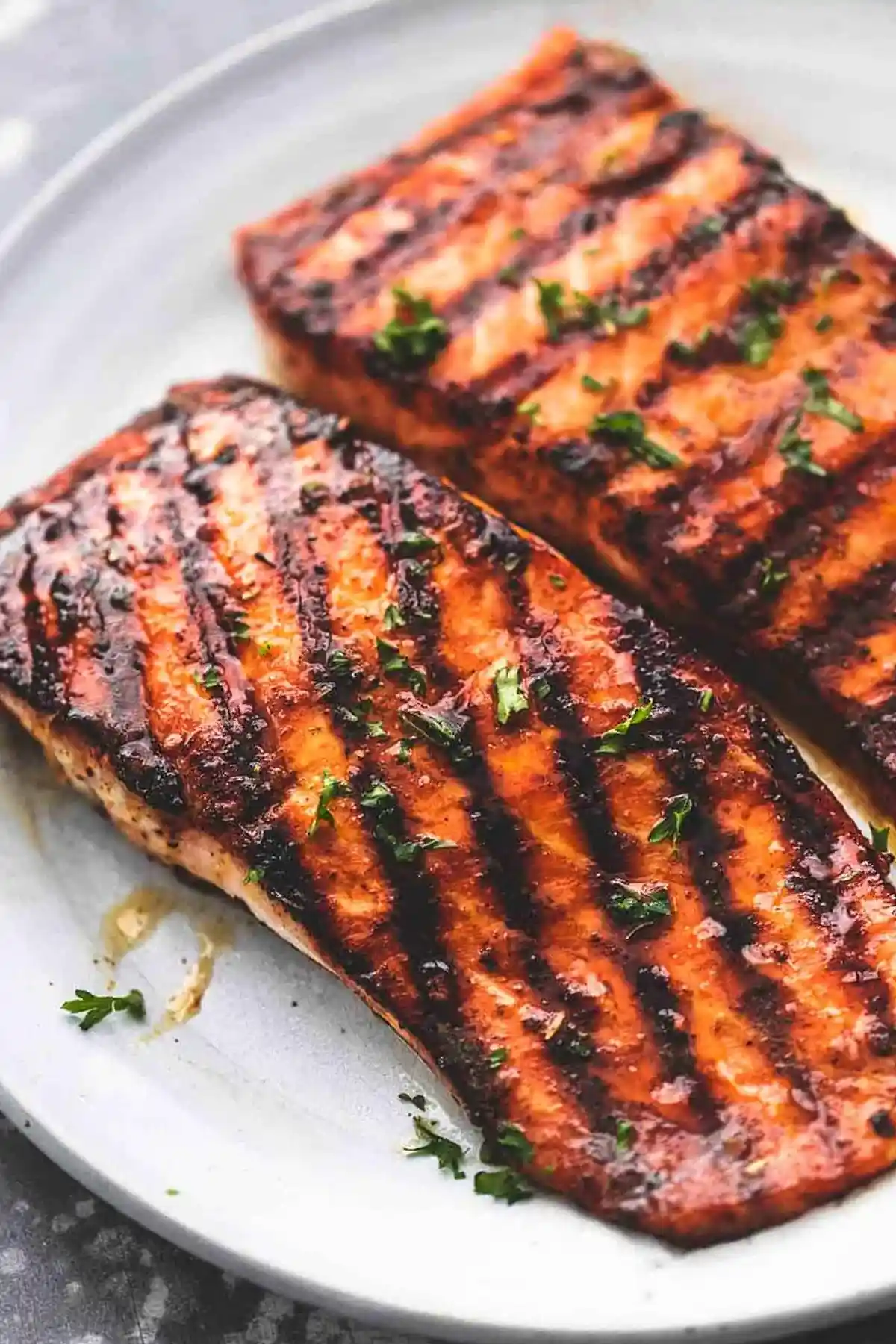
List of ingredients
- 4 salmon fillets – center cut preferred for even cooking.
- salt and pepper to taste – for initial base seasoning.
- 6 tablespoons unsalted butter (room temperature) – creates the creamy glaze base.
- 3 tablespoons honey – provides sweetness to balance the heat.
- 2 teaspoons garlic powder – adds a savory, aromatic punch.
- 2 teaspoons dried Italian seasoning – adds a layer of herbal complexity.
- 2 teaspoons paprika (smoked paprika preferred) – provides deep color and a woody flavor.
- 1 teaspoon cayenne pepper – delivers the primary spicy kick.
- 1 teaspoon onion powder – contributes a mild, sweet savory note.
- 1 teaspoon cracked black pepper (or 1/2 teaspoon finely ground) – adds a sharp, pungent heat.
- 1/2 teaspoon salt – enhances all the other spices.
- 1/2 teaspoon crushed red pepper flakes – adds visible heat and texture.
step-by-step instructions
- Prepare the seasoning: Stir together all the dry Cajun spice ingredients in a small bowl until well blended.
- Whip the honey butter: Use an electric hand mixer to beat the room temperature butter for 2 minutes until it is light and fluffy. Mix in the honey until smooth, then stir in 1 tablespoon of the pre-made Cajun seasoning. Store any remaining dry seasoning in an airtight container for future use.
- Prep the fish: Pat the salmon fillets dry on both sides using paper towels. Rub the fillets lightly with oil and season with salt and pepper to taste.
- Grill the salmon: Place the fillets on a preheated grill or grill pan. Cook for 6-8 minutes per side until the flesh is opaque and flakes easily with a fork.
- Apply the glaze: Turn off the grill or remove the pan from the heat. Place a generous dollop of the Cajun honey butter on top of each hot fillet.
- Finish and spread: Allow the butter to melt for about 30 seconds. Use the back of a spoon to spread the melted glaze across the top of the fillet, then flip and repeat on the other side.
- Garnish and serve: Top with chopped fresh cilantro or parsley if desired and serve immediately.
Master Your Salmon Grilling Technique
Achieving the Perfect Sear
To get a professional sear, ensure your grill is fully preheated to medium-high heat before the fish touches the grate. Patting the salmon completely dry is the most critical step, as moisture on the surface creates steam rather than a crust. Use a high-smoke point oil like avocado or grapeseed oil to prevent burning.
Monitoring Internal Temperature
The most accurate way to prevent overcooking is using an instant-read meat thermometer. Aim for an internal temperature of 145 degrees Fahrenheit, though many prefer taking it off at 135 degrees and letting it carry-over cook. This ensures the salmon remains moist and flaky rather than dry and chalky.
Managing Grill Heat Zones
If you are using a large grill, create a two-zone fire with a hot side and a cooler side. Sear the salmon on the hot side to develop the crust and move it to the cooler side if the fillets are very thick. This prevents the outside from burning before the center is fully cooked.
Preparing the Grill Grates
Clean your grill grates thoroughly with a wire brush to remove old residue. Once clean, lightly oil the grates using a folded paper towel dipped in oil and held with tongs. This creates a non-stick barrier that prevents the delicate fish skin or flesh from tearing during the flip.
Customizing Your Ingredients
Adjusting the Spice Level
To reduce the heat, omit the cayenne pepper and the crushed red pepper flakes. If you prefer a more intense kick, increase the cayenne to two teaspoons or add a pinch of ghost pepper powder. The honey helps temper the spice, so you can experiment with the ratio to suit your palate.
Substituting the Sweetener
If you do not have honey, pure maple syrup is an excellent alternative that adds a distinct woody sweetness. Agave nectar also works well for a more neutral sweetness. Avoid using granulated sugar as it may not emulsify with the butter as smoothly during the whipping process.
Using Different Types of Butter
While unsalted butter is recommended for precise salt control, salted butter can be used if you omit the extra salt during the initial seasoning step. For a dairy-free version, use a high-quality plant-based butter stick that is formulated for grilling. Ensure the substitute can withstand the heat without separating.
Alternative Seafood Options
This Cajun honey butter glaze works exceptionally well with other firm fish such as mahi-mahi or swordfish. Shrimp also pair well with these flavors, though they require a much shorter cooking time of about 2-3 minutes per side. Adjust your grilling time based on the thickness of the protein used.
Comprehensive Serving Guide
Ideal Starch Pairings
Serve this salmon alongside wild rice or a fluffy quinoa pilaf to soak up the extra honey butter. Roasted fingerling potatoes or a creamy garlic mashed potato also complement the spicy and sweet profile. For a lighter option, try a cauliflower puree or roasted root vegetables.
Best Vegetable Accompaniments
Grilled asparagus or sautéed broccolini provide a fresh, slightly bitter contrast to the rich glaze. A side of sautéed kale with lemon or roasted Brussels sprouts also works well. Keep the vegetable seasonings simple, such as salt, pepper, and olive oil, to let the salmon remain the star.
Adding Acidic Elements
The richness of the butter and honey benefits from a touch of acidity to brighten the dish. Squeeze fresh lemon or lime juice over the fillets just before serving. A side of pickled red onions or a light vinegar-based coleslaw also helps cut through the fat of the salmon.
Plating for Presentation
Place the salmon on a wide plate and drizzle any remaining melted butter from the pan over the fish. Garnish with a sprig of fresh parsley and a lemon wedge on the side for a professional look. Use a vibrant green side dish to create a color contrast with the orange-hued salmon.
Proper Storage and Preservation
Refrigeration Guidelines
Store leftover salmon in an airtight glass container in the refrigerator for up to three days. Allow the fish to cool slightly before sealing the container to prevent excess moisture from building up. Keep the remaining honey butter in a separate small jar or wrap it in parchment paper.
Reheating for Texture
To avoid drying out the fish, reheat salmon in a low oven at 275 degrees Fahrenheit until warmed through. Avoid using a microwave on high power, as this often makes the fish rubbery. Adding a small pat of fresh butter during reheating can restore the moist texture.
Long Term Freezer Storage
Cooked salmon can be frozen for up to two months if wrapped tightly in foil and then placed in a freezer bag. Thaw the fish slowly in the refrigerator overnight before reheating. Note that the texture may change slightly after freezing, making it better suited for salads or pasta.
Managing Leftover Butter
The leftover Cajun honey butter can be stored in the fridge for up to two weeks. It makes an excellent topping for grilled corn on the cob or roasted carrots. Simply melt a small amount in a pan or microwave before applying it to your vegetables.
Troubleshooting and Solutions
Solving Sticking Issues
If the salmon sticks to the grill, it usually means the pan wasn’t hot enough or the fish was flipped too early. Wait for the fish to naturally release from the grate, which happens once a proper crust has formed. If it still sticks, use a thin metal spatula to gently lift the edges.
Controlling Smoke and Flare-ups
Honey and butter can cause flare-ups if they drip onto the heat source. This is why the glaze is applied after the grill is turned off or the pan is removed from the heat. If flare-ups occur during the initial sear, move the fish to a cooler part of the grill immediately.
Correcting Over-Seasoning
If the salmon tastes too salty, serve it with a side of unsalted mashed potatoes or a plain grain to balance the palate. A squeeze of fresh lemon juice can also help neutralize excessive salt. In future batches, reduce the salt in the dry rub if using salted butter.
Handling Uneven Cooking
Unevenly thick fillets often cook at different rates, leaving some parts raw and others overdone. Use fillets of uniform thickness or gently press the thicker end of the fillet with a spatula to ensure contact with the heat. You can also finish thicker fillets under a broiler for 1-2 minutes.
Frequently Asked Questions
How long does homemade Cajun seasoning last?
When stored in an airtight container in a cool, dry pantry, the dry spice blend remains potent for up to three months. Ensure the lid is tight to prevent the paprika and garlic powder from absorbing moisture or losing their aroma.
Can this recipe be adapted for an air fryer?
Yes, you can air fry the salmon at 400 degrees Fahrenheit for 8-12 minutes depending on thickness. Apply the honey butter glaze during the last two minutes of cooking or immediately after removing the fish from the air fryer.
Is skin-on salmon better for grilling?
Skin-on salmon is generally better for grilling as the skin acts as a protective barrier, preventing the flesh from overcooking. It also provides a delicious crispy texture when seared correctly. If you prefer skinless, be extra cautious about cooking times.
Why use an electric mixer for the butter?
Whipping the butter incorporates air, making it light and fluffy, which allows the honey and spices to distribute more evenly. This creates a smoother emulsion that melts more consistently over the hot fish compared to simply stirring softened butter.
Print
Cajun Honey Butter Grilled Salmon
- Total Time: 20 minutes
- Yield: 4 servings 1x
- Diet: Gluten-Free
Description
This Cajun Honey Butter Grilled Salmon is a spicy and sweet seafood option that’s ready in 15 minutes. The salmon is moist and meaty, cooks up nice and flaky, and then is topped with a melt-in-your-mouth, slightly spicy honey butter.
Ingredients
- 4 salmon fillets
- salt and pepper to taste
- 6 tablespoons unsalted butter, room temperature
- 3 tablespoons honey
- 2 teaspoons garlic powder
- 2 teaspoons dried Italian seasoning
- 2 teaspoons paprika
- 1 teaspoon cayenne pepper
- 1 teaspoon onion powder
- 1 teaspoon cracked black pepper
- ½ teaspoon salt
- ½ teaspoon crushed red pepper flakes
Instructions
- Step: In a small bowl stir together cajun seasoning ingredients.
- Step: Use an electric hand mixer to whip butter for 2 minutes until light and fluffy. Add honey and cream together until smooth. Mix in 1 tablespoon of the cajun seasoning.
- Step: Pat salmon fillets dry on both sides with a paper towel. Rub all over with oil, then season with salt and pepper to taste.
- Step: Cook salmon on a preheated grill or grill pan for 6-8 minutes on each side until opaque and flaky.
- Step: Turn off the grill (or stove if using a grill pan) and place a generous dollop of cajun honey butter on top of each fillet.
- Step: Allow to melt for about 30 seconds, then use the back of a spoon to spread the butter all over the top of the salmon. Flip, and repeat on the other side.
- Step: Garnish with chopped cilantro or parsley if desired and serve immediately.
Notes
If using salted butter, do not salt the salmon in step three.
- Prep Time: 5 minutes
- Cook Time: 15 minutes
- Category: Main Course
- Method: Grilling
- Cuisine: American
Nutrition
- Serving Size: 1 fillet
- Calories: 453 kcal
- Sugar: 13 g
- Sodium: 570 mg
- Fat: 28 g
- Saturated Fat: 5 g
- Unsaturated Fat: 23 g
- Trans Fat: 0 g
- Carbohydrates: 16 g
- Fiber: 1 g
- Protein: 34 g
- Cholesterol: 94 mg