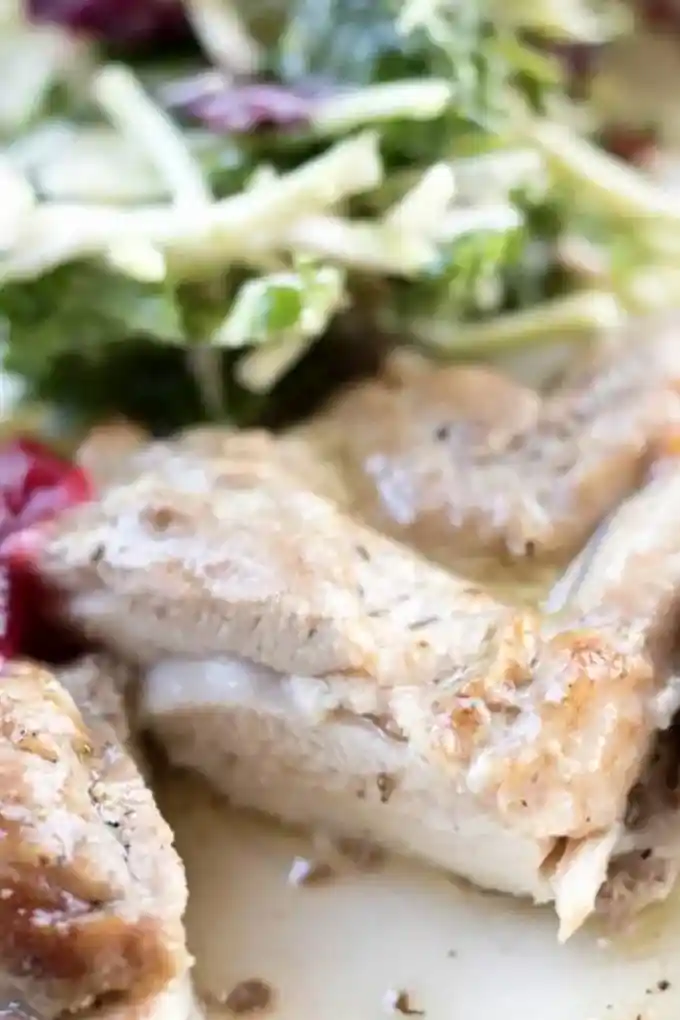
This oven-baked chicken dish combines a tangy balsamic glaze with an aromatic blend of garden herbs. It is a straightforward recipe that yields juicy, flavorful results perfect for a family dinner.
List of ingredients
- 1-1.5 pounds chicken thighs – choose organic or hormone-free options for the best quality.
- 3 fresh rosemary sprigs – provide a woody, pine-like aroma.
- 5-9 sprigs dried or fresh Winter Savory – use a 3:1 ratio of fresh to dried; substitute with Thyme if unavailable.
- 3 leaves fresh sage – chopped finely to distribute flavor.
- 1/4-1/2 cup olive oil – use more if you prefer additional pan juices for serving.
- 1-2 tablespoons Balsamic vinegar – a high-quality vinegar from Modena is recommended.
- 1 teaspoon Kosher salt – adjust based on your personal taste preference.
- 1/4-1/2 teaspoon fresh ground pepper medley – adds a complex spicy note.
- 1 teaspoon minced garlic – one large clove, optional for a sharper flavor.
- Lemon wedges – used for spritzing the chicken before serving, optional.
step-by-step instructions
- Prepare the marinade: In a baking dish, combine the olive oil, balsamic vinegar, rosemary, winter savory, chopped sage, salt, pepper, and minced garlic. Mix these ingredients thoroughly until well blended.
- Coat the chicken: Place the chicken thighs into the baking dish and coat each piece completely with the herb mixture. Ensure all sides of the meat are covered in the marinade.
- Marinate the meat: Allow the chicken to marinate for at least 30 minutes. For enhanced flavor, you can marinate for several hours or overnight up to 8 hours in the refrigerator.
- Bake the chicken: Preheat your oven to 350 degrees F. Place the baking dish inside and cook for 25-35 minutes.
- Flip the thighs: Turn the chicken thighs over once halfway through the cooking process to ensure even browning on both sides.
- Rest and serve: Remove the dish from the oven and let the chicken cool for 5 minutes before serving. Spritz with fresh lemon wedges if desired.
Maximizing Meat Flavor
Extend Marinating Time for Depth
Marinating the chicken for a full 8 hours allows the balsamic vinegar and salt to penetrate deeper into the muscle fibers. This process breaks down connective tissues and ensures the herbs infuse the center of the meat. Always keep the chicken refrigerated during this extended period to maintain safety.
Selecting the Right Balsamic Vinegar
Use a thick, aged balsamic vinegar to achieve a richer, sweeter glaze. Higher quality vinegars have a lower acidity and a more natural syrup-like consistency. This prevents the marinade from becoming too tart and helps the chicken caramelize in the oven.
Prioritize Fresh Garden Herbs
Fresh rosemary and sage provide a brighter, more vibrant flavor than their dried counterparts. If you only have dried herbs, remember that they are more concentrated and potent. Reduce the quantity of dried herbs by two-thirds to avoid an overwhelming medicinal taste.
Ingredient Substitutions and Alternatives
Using Thyme Instead of Winter Savory
If winter savory is not available at your local store, fresh thyme is the most effective replacement. Thyme shares a similar earthy and peppery profile that complements the balsamic vinegar. Use the same measurement of thyme sprigs as called for in the savory requirement.
Adjusting Olive Oil for Pan Juices
The amount of olive oil directly impacts the amount of sauce left in the pan. Increasing the oil to 1/2 cup creates a more generous amount of herb-infused juice. This liquid can be spooned over the chicken or used to flavor a side of mashed potatoes.
Managing Garlic Intensity
For those who prefer a milder garlic taste, use garlic powder instead of minced fresh cloves. Alternatively, you can leave the garlic cloves whole and smashed in the marinade to infuse the oil without adding sharp bits. Remove the whole cloves before serving the dish.
Precision Cooking Techniques
Verify Internal Temperature
Use a digital meat thermometer to ensure the chicken has reached a safe internal temperature of 165 degrees Fahrenheit. Insert the probe into the thickest part of the thigh, avoiding the bone. This prevents overcooking while ensuring the meat is fully cooked.
The Role of the Halfway Flip
Turning the chicken thighs halfway through the baking time ensures that both the top and bottom surfaces are seared. This prevents the bottom from becoming soggy while the top browns. It also helps the balsamic glaze distribute evenly across the meat.
Selecting the Proper Bakeware
A glass or ceramic baking dish is ideal for this recipe because it distributes heat evenly. If using a metal pan, be mindful that the balsamic vinegar may caramelize faster and potentially burn. Glass dishes allow you to monitor the bottom of the chicken through the side of the pan.
Recommended Side Dish Pairings
Pairing with Roasted Root Vegetables
Carrots, parsnips, and Brussels sprouts roast well at 350 degrees F alongside the chicken. Toss these vegetables in a small amount of the balsamic marinade before adding them to the pan. The sweetness of the root vegetables balances the acidity of the balsamic glaze.
Complementing with Grain-Based Sides
Serve these chicken thighs over a bed of quinoa, wild rice, or couscous. The grains will soak up the excess balsamic and herb juices from the baking dish. This turns a simple protein into a complete, hearty meal with balanced textures.
Adding Brightness with Lemon
A fresh squeeze of lemon juice immediately before serving cuts through the richness of the olive oil. The citric acid brightens the earthy notes of the rosemary and sage. This provides a professional finish to the flavor profile of the dish.
Storage and Reheating Guidelines
Refrigerating Leftovers
Store leftover chicken thighs in an airtight glass container in the refrigerator for up to 3 to 4 days. Ensure the chicken is completely cooled before sealing the lid to prevent moisture buildup. Keep any remaining pan juices in the container to keep the meat moist.
Freezing Prepared Chicken
Cooked chicken thighs can be frozen for up to three months. Wrap each thigh tightly in foil and place them in a freezer-safe bag to prevent freezer burn. Thaw the chicken in the refrigerator overnight before reheating.
Best Methods for Reheating
To maintain the texture, reheat the chicken in the oven at 325 degrees F until warmed through. Avoid using a microwave on high power, as this can make the chicken rubbery. Adding a teaspoon of water or broth to the pan helps steam the meat during the reheating process.
Common Preparation Questions
Can I use chicken breasts instead of thighs?
You can use breasts, but they cook much faster and are prone to drying out. Reduce the baking time to 15-20 minutes and monitor the internal temperature closely. Thighs are recommended because their higher fat content withstands the oven heat better.
Why is my chicken not browning?
If the chicken looks pale, it may be due to overcrowding in the baking dish. Ensure there is space between each thigh to allow hot air to circulate. You can also turn on the broiler for the last 2-3 minutes to achieve a deep brown crust.
How do I know when the chicken is fully cooked?
The juices should run clear when the thickest part of the thigh is pierced with a fork. However, the most reliable method is using a thermometer to hit 165 degrees Fahrenheit. The meat should also feel firm to the touch and pull away easily from the bone.
Advanced Preparation Advice
Preparing the Marinade in Advance
You can whisk the balsamic, oil, and herbs together 24 hours before you plan to cook. Store the marinade in a sealed jar in the refrigerator to let the flavors meld. Shake the jar well before pouring it over the chicken to redistribute the oil and vinegar.
Managing Batch Cooking for Meal Prep
When cooking multiple pounds of chicken, use two separate baking dishes rather than one oversized pan. Overcrowding leads to steaming rather than roasting, which prevents the skin from browning. Bake both dishes on different oven racks and rotate them halfway through.
Optimizing Herb Storage
Keep your fresh rosemary and sage wrapped in a damp paper towel inside a plastic bag in the crisper drawer. This keeps the leaves from wilting and preserves the essential oils. Use the herbs as close to the cooking time as possible for maximum aromatic impact.
Print
Balsamic Herb Roasted Chicken Thighs
- Total Time: 1 hour 15 minutes
- Yield: 4 servings 1x
- Diet: Dairy Free
Description
An herb-garden-inspired recipe featuring Winter savory, rosemary, and fresh sage paired with balsamic vinegar and olive oil for juicy, flavorful chicken thighs.
Ingredients
- 1–1.5 pounds chicken thighs
- 3 fresh rosemary sprigs
- 5–9 sprigs dried (or fresh) Winter Savory herb (or Thyme)
- 3 leaves fresh sage, chopped
- 1/4–1/2 cup olive oil
- 1–2 tablespoons Balsamic vinegar
- 1 teaspoon Kosher salt
- 1/4–1/2 teaspoon fresh ground pepper medley
- 1 teaspoon minced garlic, optional
- lemon wedges for serving, optional
Instructions
- Step: Mix all marinade ingredients in a baking dish and coat the chicken thighs in the mixture.
- Step: Marinate the chicken for at least 30 minutes, though it can be marinated for a few hours or overnight (8 hours) for better flavor.
- Step: Bake in a 350-degree F oven for 25-35 minutes, turning the chicken once halfway through.
- Step: Allow the chicken to cool for 5 minutes before serving.
Notes
The safest way to check for doneness is by using a meat thermometer; the internal temperature of the chicken should reach 165° Fahrenheit (75° Celsius).
- Prep Time: 10 minutes
- Cook Time: 35 minutes
- Category: Main Course
- Method: Baking
- Cuisine: American
Nutrition
- Serving Size: 1 chicken thigh
- Calories: 420 kcal
- Sugar: 5 g
- Sodium: 680 mg
- Fat: 32 g
- Saturated Fat: 8 g
- Unsaturated Fat: 24 g
- Trans Fat: 0 g
- Carbohydrates: 8 g
- Fiber: 1 g
- Protein: 28 g
- Cholesterol: 115 mg