This honey mustard baked salmon offers a quick and nutritious meal that balances sweet and tangy notes perfectly. It takes only 25 minutes from preparation to table, making it an efficient choice for healthy weeknight dining.
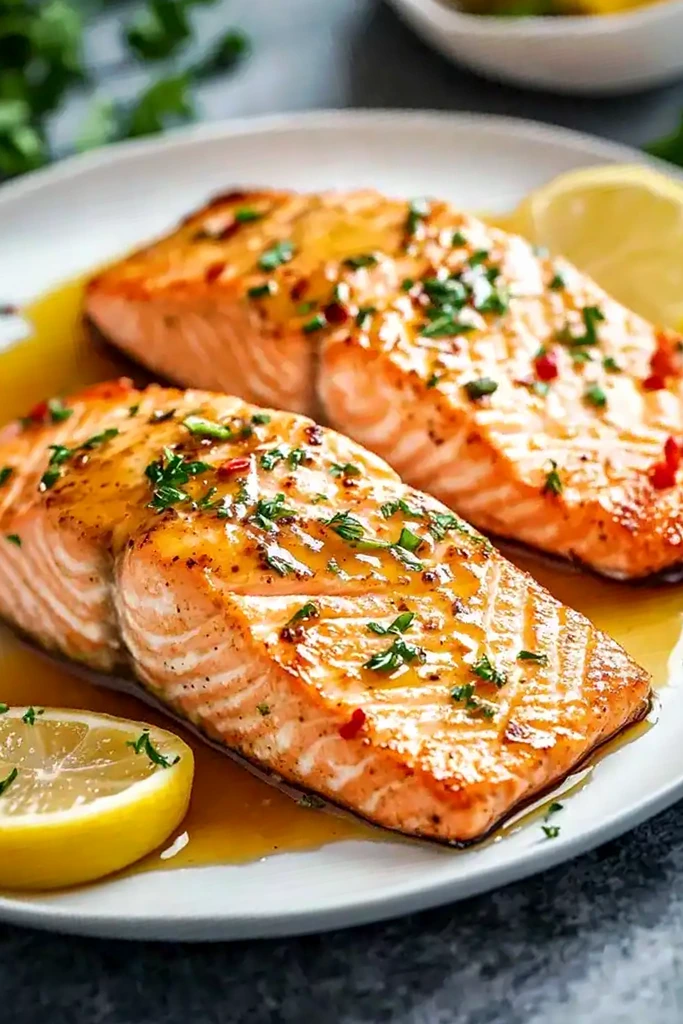
List of ingredients
- 4 fresh salmon fillets (6 oz each) – ensure they are high quality and vibrant in color.
- 1/4 cup honey – use a raw variety for a deeper flavor profile.
- 1/4 cup Dijon mustard – provides the necessary tang and thickness to the glaze.
- 2 tablespoons lemon juice – adds acidity to balance the sweetness of the honey.
- 2 cloves garlic (minced) – provides an aromatic, savory base.
- 1 teaspoon dried thyme – adds a subtle earthy herb note.
- Salt and pepper to taste – essential for enhancing the natural flavor of the fish.
- 1 tablespoon chopped fresh parsley (optional) – used as a fresh garnish for visual appeal.
step-by-step instructions
- Preheat the oven: Set your oven to 400°F (200°C) to ensure it is fully hot before the fish goes in.
- Prepare the glaze: In a small mixing bowl, whisk together the honey, Dijon mustard, lemon juice, minced garlic, and dried thyme until smooth.
- Season the fish: Place the salmon fillets on a lined baking sheet and season both sides evenly with salt and pepper.
- Apply first coat: Generously brush the honey mustard mixture over each fillet, making sure to reserve a portion of the sauce for the final stage.
- Bake: Place the tray in the oven and bake for 12-15 minutes, or until the salmon flakes easily when tested with a fork.
- Final glaze application: During the last 2-3 minutes of cooking, brush the remaining honey mustard glaze over the fillets for extra flavor.
- Optional caramelization: Turn on the broiler for 1-2 minutes to create a golden, caramelized crust on top.
- Finish and serve: Garnish the cooked fillets with chopped fresh parsley if desired.
Essential Cooking Techniques for Salmon
Patting Salmon Dry for Better Glaze Adhesion
Use a clean paper towel to pat the salmon fillets completely dry before seasoning. When moisture remains on the surface, it creates a layer of steam that prevents the glaze from sticking properly. A dry surface ensures the sauce adheres and caramelizes during baking.
Using a Meat Thermometer for Precise Doneness
To avoid overcooking, use an instant-read meat thermometer to check the internal temperature. The USDA recommends 145°F (63°C), but many prefer pulling the fish at 130-135°F. The temperature will rise slightly while the fish rests, ensuring it remains moist.
Choosing the Right Baking Sheet Liner
Parchment paper is the best choice for lining your baking sheet to prevent the honey-based glaze from sticking. If you only have aluminum foil, lightly grease it with oil or non-stick spray. This makes cleanup effortless and prevents the fillets from tearing when served.
Bringing Salmon to Room Temperature
Let the salmon fillets sit at room temperature for about 15 to 20 minutes before baking. This ensures the fish cooks evenly from the outside to the center. Cold fillets often result in overcooked edges while the center remains underdone.
Ingredient Substitutions and Modifications
Substituting Honey with Maple Syrup
If you prefer a more earthy sweetness, you can replace the honey with pure maple syrup in a 1:1 ratio. Maple syrup has a slightly different viscosity but blends well with Dijon mustard. This change provides a distinct autumnal flavor to the dish.
Using Whole Grain Mustard for Added Texture
Replace the Dijon mustard with whole grain mustard for a rustic look and a pop of texture. Whole grain mustard is typically less sharp than Dijon, which may require an extra squeeze of lemon juice. This substitution adds visual interest to the glaze.
Replacing Dijon with Yellow Mustard
In a pinch, standard yellow mustard can be used, though it lacks the complexity of Dijon. Yellow mustard is more acidic and vinegar-forward, which may make the glaze tangier. You may want to slightly increase the honey amount to balance the sharpness.
Using Fresh Thyme instead of Dried
Fresh thyme provides a brighter, more floral aroma than the dried version. Use a ratio of three fresh thyme leaves for every one teaspoon of dried thyme. Strip the leaves from the stem and whisk them directly into the glaze.
Alternative Citrus Options
While lemon is traditional, lime juice can be used for a zestier, more tropical flavor profile. Orange juice can also be substituted to increase the sweetness and pair well with the honey. Adjust the quantity of honey based on how sweet the citrus juice is.
Flavor Variations to Explore
Creating a Spicy Honey Mustard Glaze
For those who enjoy heat, stir a teaspoon of Sriracha or a pinch of red pepper flakes into the glaze. The spiciness cuts through the richness of the salmon and the sweetness of the honey. This creates a dynamic flavor profile that appeals to spice lovers.
Developing an Herb-Crusted Finish
Mix panko breadcrumbs with chopped fresh parsley and thyme, then press the mixture onto the glazed salmon before baking. The glaze acts as the adhesive for the crumbs. This results in a crunchy exterior that contrasts with the flaky fish.
Adding Orange Zest for Citrus Depth
Grate fresh orange zest into the honey mustard mixture before brushing it on the salmon. The essential oils in the zest provide a fragrance that lemon juice alone cannot achieve. This adds a sophisticated, gourmet layer to the overall taste.
Incorporating Smoked Paprika for Earthiness
Add half a teaspoon of smoked paprika to the glaze for a subtle wood-fired flavor. This works particularly well if you are baking the salmon at a higher temperature. It adds a deep red color and a savory undertone to the sweet glaze.
Recommended Side Dish Pairings
Roasted Asparagus and Brussels Sprouts
Since the oven is already preheated to 400°F, roasting green vegetables on a separate tray is highly efficient. Toss asparagus or halved Brussels sprouts in olive oil, salt, and pepper. Roast them for 12-15 minutes alongside the salmon for a complete meal.
Quinoa and Wild Rice Pilaf
A nutty grain like quinoa or a wild rice blend complements the sweetness of the honey glaze. Cook the grains in vegetable broth instead of water to add more depth. This provides a hearty base that absorbs any extra sauce from the salmon.
Fresh Green Salads with Vinaigrette
A light mixed green salad with a lemon-based vinaigrette helps balance the richness of the salmon. Use ingredients like arugula, cucumber, and thinly sliced radishes. The acidity of the dressing cleanses the palate between bites of the glazed fish.
Steamed Broccoli with Lemon
Steamed broccoli provides a clean, crisp contrast to the caramelized glaze. Lightly steam the florets and finish them with a squeeze of fresh lemon juice and a pinch of salt. This keeps the meal feeling light and nutrient-dense.
Alcohol-Free Beverage Pairings
To complement the sweet and tangy flavors, serve a chilled sparkling water with a slice of lemon or lime. An iced herbal tea, such as peppermint or chamomile, also pairs well without overpowering the dish. For a richer option, a chilled sparkling apple cider matches the honey notes.
Storage and Reheating Guidelines
Proper Refrigeration and Container Selection
Store leftover salmon in an airtight glass container to maintain freshness and prevent the fish from absorbing other odors. Ensure the salmon has cooled slightly before sealing the lid to avoid excess condensation. This helps keep the texture of the glaze intact.
Best Practices for Reheating Salmon
Avoid the microwave, as it often overcooks salmon and makes it rubbery. Instead, place the fillet in a 275°F (135°C) oven for 10-12 minutes. This gentle heat warms the fish through without drying out the delicate proteins.
Freezing Cooked Salmon
While not ideal for texture, cooked salmon can be frozen if wrapped tightly in plastic wrap and placed in a freezer bag. Use the fish within two months for the best quality. Thaw it slowly in the refrigerator overnight before reheating in the oven.
Maximum Storage Duration
Cooked salmon is best consumed within 3 to 4 days when kept in the refrigerator. Beyond this window, the fish may develop an off-flavor and the glaze may begin to break down. Always smell the fish before reheating to ensure quality.
Make-Ahead Strategies
Preparing the Glaze in Advance
The honey mustard glaze can be made up to three days before you plan to cook the salmon. Store it in a sealed jar in the refrigerator. Since honey can thicken when cold, give the glaze a vigorous whisk before applying it to the fish.
Marinating the Salmon Before Baking
You can apply the glaze to the fillets 30 minutes before baking to allow the flavors to penetrate the fish. Avoid marinating for longer than an hour, as the lemon juice is an acid that can start to break down the proteins. Over-marinating can lead to a mushy texture.
Pre-portioning Fillets for Weeknight Meals
Buy salmon in bulk and portion it into 6 oz fillets. Freeze them individually wrapped in parchment paper and plastic wrap. This allows you to thaw only what you need, reducing waste and speeding up the preparation process on busy nights.
Troubleshooting Common Issues
Preventing Dry Salmon
Dryness is almost always a result of overcooking. Use a timer and check the fish a few minutes before the suggested time ends. Remember that the salmon continues to cook for a few minutes after being removed from the oven due to carry-over heat.
Adjusting a Glaze That Is Too Sweet
If the glaze tastes too sugary, add an extra teaspoon of Dijon mustard or a splash more lemon juice. A pinch of salt can also help neutralize excessive sweetness. Taste the glaze before applying it to the fish to make these adjustments.
Handling Skin-On Salmon Fillets
Always place skin-on fillets skin-side down on the baking sheet. The skin acts as a protective barrier between the heat of the pan and the delicate flesh. This helps the salmon stay moist and prevents it from sticking to the liner.
Adjusting Time for Thicker Fillets
Fillets thicker than one inch may require an additional 2-3 minutes of baking time. Do not simply increase the heat, as this will burn the honey glaze. Keep the oven at 400°F and use a thermometer to verify doneness.
Cooking in Different Appliances
Using an Air Fryer for Crispier Edges
Place the glazed fillets in the air fryer basket at 400°F. Cook for 7 to 9 minutes depending on the thickness of the fish. The intense circulating air creates a more caramelized exterior than a standard oven.
Baking in a Convection Oven
If using a convection oven, reduce the temperature to 375°F (190°C). The fan distributes heat more efficiently, which can lead to burning the sugar in the honey if the temperature is too high. Check for doneness 2 minutes earlier than usual.
Using a Grill for a Charred Flavor
Preheat the grill to medium-high heat and lightly oil the grates. Use a grill basket to prevent the fillets from falling through. Grill for 4-5 minutes per side, brushing the glaze on during the final two minutes to prevent flare-ups from the honey.
Frequently Asked Questions
Can I use frozen salmon for this recipe?
Yes, you can use frozen fillets, but they must be completely thawed. Pat them dry thoroughly with paper towels, as frozen fish often releases more moisture during thawing, which can dilute the glaze.
Is this recipe suitable for meal prep?
Absolutely. You can bake several fillets at once and store them in the refrigerator for up to four days. They are excellent when served cold over a salad or gently reheated for lunch.
What can I substitute for honey to make it sugar-free?
For a sugar-free version, replace the honey with a monk fruit-based honey alternative or an allulose syrup. These substitutes provide the necessary sweetness and viscosity without the calories or sugar.
How do I know when the salmon is fully cooked?
The most reliable method is to check that the flesh is opaque and flakes easily with a fork. Alternatively, use a thermometer to ensure the internal temperature has reached at least 130-145°F.
Print
Baked Salmon with Honey Mustard
- Total Time: 25 minutes
- Yield: 4 servings 1x
- Diet: Gluten-Free
Description
This Baked Salmon with Honey Mustard recipe is a perfect blend of flavors that’s both healthy and delicious. With just 25 minutes from start to finish, it’s an ideal choice for busy weeknights or impressive enough for entertaining guests.
Ingredients
- 4 fresh salmon fillets (6 oz each)
- 1/4 cup honey
- 1/4 cup Dijon mustard
- 2 tablespoons lemon juice
- 2 cloves garlic (minced)
- 1 teaspoon dried thyme
- Salt and pepper to taste
- 1 tablespoon chopped fresh parsley for garnish (optional)
Instructions
- Preheat: Preheat your oven to 400°F (200°C).
- Whisk: In a small bowl, whisk together honey, Dijon mustard, lemon juice, minced garlic, and thyme.
- Season: Place the salmon fillets on a lined baking sheet and season with salt and pepper.
- Glaze: Generously brush the honey mustard mixture over each fillet, reserving some for later.
- Bake: Bake for 12-15 minutes, or until the salmon flakes easily with a fork.
- Brush: In the last 2-3 minutes of cooking, brush the remaining glaze over the salmon.
- Broil: Optional: broil for 1-2 minutes for a caramelized finish.
- Garnish: Garnish with chopped parsley if desired.
Notes
Avoid overcooking the salmon to keep it flaky; it should be just opaque in the center. For skin-on fillets, place them skin-side down on the baking sheet to keep the fish moist.
- Prep Time: 10 minutes
- Cook Time: 15 minutes
- Category: Main Course
- Method: Baking
- Cuisine: American
Nutrition
- Serving Size: 1 fillet
- Calories: 350 kcal
- Sugar: 12 g
- Sodium: 520 mg
- Fat: 16 g
- Saturated Fat: 3 g
- Unsaturated Fat: 13 g
- Trans Fat: 0 g
- Carbohydrates: 20 g
- Fiber: 1 g
- Protein: 31 g
- Cholesterol: 75 mg