This classic New Orleans Shrimp Creole is a vibrant, tomato-based dish that delivers bold flavors without the need for a complex roux. It is an efficient meal that can be prepared in under an hour, making it a perfect choice for a sophisticated weeknight dinner.
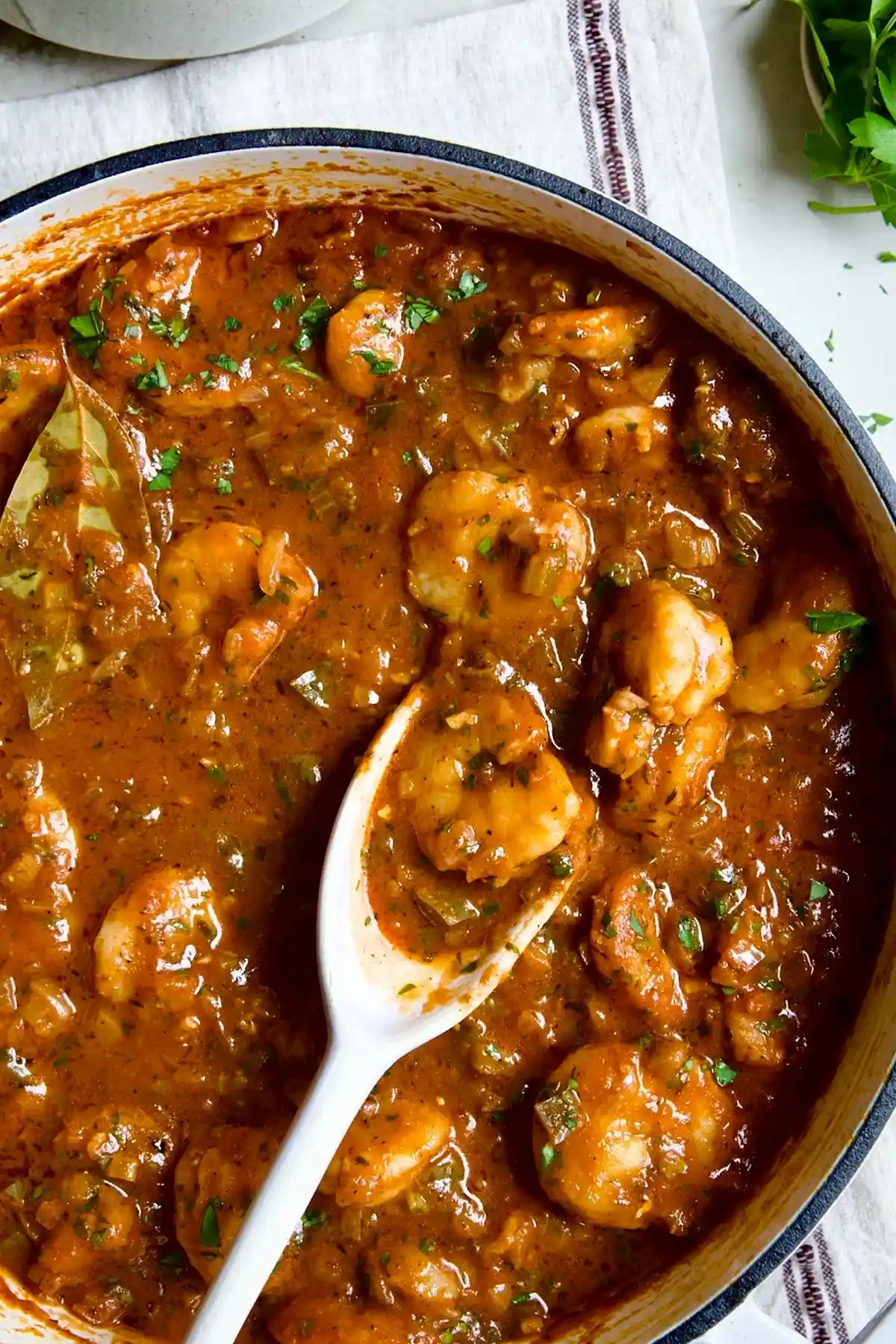
List of ingredients
- 2 tablespoons canola oil – used to prevent butter from burning.
- 2 tablespoons butter – adds a layer of richness to the base.
- 1 medium onion, finely chopped – provides a sweet, savory foundation.
- 1 medium green bell pepper, seeds and membrane removed, finely chopped – a key component of the aromatic base.
- 2-3 stalks (ribs) celery, chopped – use an amount roughly equal to the chopped bell pepper.
- 4 cloves garlic, minced – adds pungent depth to the sauce.
- 1 tablespoon Cajun/Creole seasoning, or to taste – the primary source of regional flavor.
- 1 teaspoon dried thyme – provides an earthy, herbal note.
- 1/2 teaspoon cayenne pepper – controls the heat level of the dish.
- 1 bay leaf – adds a subtle woodsy aroma during simmering.
- 1 can (15-ounce) tomato sauce – creates the thick, smooth base of the Creole sauce.
- 1 cup water – used to adjust sauce consistency; use the tomato sauce can to measure.
- 1 tablespoon Worcestershire sauce – adds a savory, umami depth.
- 1 1/2 pounds large shrimp (16-20 count), peeled and deveined, tail removed – the main protein source.
- Tabasco sauce, to taste – for an extra kick of acidity and heat.
- Salt and freshly ground black pepper, to taste – for final seasoning adjustments.
- 2 tablespoons chopped fresh parsley plus sprigs for garnish – adds a fresh, bright finish.
- Lemon wedges – served on the side to cut through the richness.
- Cooked rice, for serving – the traditional bed for the stew.
step-by-step instructions
- Sauté Aromatics: Heat the oil and butter over medium-high heat in a large skillet or saute pan. Add the chopped onion, green bell pepper, and celery to the pan.
- Soften Vegetables: Reduce the heat to medium and cook for approximately 10-12 minutes. Ensure the vegetables become very soft and translucent, adjusting the heat if they begin to brown too quickly.
- Bloom Spices: Stir in the minced garlic, Cajun/Creole seasoning, dried thyme, cayenne pepper, and the bay leaf. Stir briefly for about a minute to release the oils in the spices.
- Build the Sauce: Pour in the tomato sauce, water, and Worcestershire sauce. Stir well to combine all the ingredients.
- Simmer and Thicken: Bring the mixture to a boil, then immediately reduce the heat to low. Let the sauce simmer uncovered for 8-10 minutes until it reaches a thicker consistency.
- Cook Shrimp: Stir in the peeled and deveined shrimp. Cook for 1-2 minutes, flipping the shrimp halfway through to ensure even cooking, until they are just firm and pink.
- Final Seasoning: Stir in Tabasco sauce, salt, and black pepper according to your taste preferences.
- Garnish and Serve: Remove the bay leaf from the pan. Sprinkle with fresh chopped parsley and serve immediately over hot, cooked rice with lemon wedges on the side.
Component Selection and Substitutions
Using Ghee for High-Heat Sautéing
If you prefer not to use a combination of oil and butter, ghee is an excellent alternative. Because the milk solids have been removed, ghee has a higher smoke point and won’t burn as easily as butter. It maintains the buttery flavor while providing the stability of oil.
Selecting Wild-Caught Shrimp
Wild-caught shrimp are generally more resilient than farmed shrimp, which can become rubbery if slightly overcooked. This resilience is particularly helpful if you plan to reheat the dish. Opt for large 16-20 count shrimp for the best texture and bite.
Cajun versus Creole Seasonings
While often used interchangeably, Cajun seasoning usually focuses on peppers like cayenne and black pepper. Creole seasoning tends to be more herbal, incorporating paprika, oregano, and thyme. You can use either, but Creole seasoning provides a more traditional New Orleans profile.
Choosing the Right Tomato Base
Canned tomato sauce is preferred over crushed tomatoes or puree because it is typically strained and lightly seasoned. This results in a smoother mouthfeel and a more consistent flavor. Avoid using chunky diced tomatoes unless you prefer a more rustic, textured sauce.
Expert Preparation Tips
Mastering the Holy Trinity Ratio
The combination of onion, celery, and green bell pepper is known as the ‘holy trinity’ in Louisiana cooking. For the best flavor balance, aim for a ratio of two parts onion to one part celery and one part bell pepper. This ensures the sweetness of the onion doesn’t overpower the other aromatics.
The Importance of Blooming Spices
Adding dry spices like thyme and cayenne directly to the hot fat before adding the liquid is called blooming. This process activates the fat-soluble flavor compounds in the herbs and spices. It results in a deeper, more integrated flavor than if the spices were stirred into the liquid sauce.
Preventing Rubbery Shrimp
Shrimp cook very quickly and can turn tough in a matter of seconds. Only add them to the pan once the sauce has fully thickened and simmered. Cook them just until they turn opaque and form a slight ‘C’ shape; an ‘O’ shape usually indicates overcooking.
Controlling Sauce Consistency
The simmering process is crucial for reducing the water content and concentrating the tomato flavor. Keep the pan uncovered during the 8-10 minute simmer to allow steam to escape. If the sauce becomes too thick, add a tablespoon of water or vegetable broth to loosen it.
Serving and Pairing Suggestions
Selecting the Best Rice Base
Long-grain white rice or jasmine rice are the traditional choices for serving Shrimp Creole. For a lower-carbohydrate alternative, steamed cauliflower rice works well. Ensure the rice is hot and fluffy to contrast with the rich, simmering sauce.
Complementary Vegetable Sides
To balance the boldness of the Creole sauce, serve the dish with a side of sautéed kale or collard greens. A creamy cucumber salad made with yogurt and dill also provides a refreshing, cool contrast to the spicy notes of the shrimp.
Using Citrus for Brightness
Fresh lemon wedges are not just for decoration; the acidity of the lemon juice cuts through the richness of the butter and tomato sauce. Squeeze a fresh wedge over the shrimp immediately before eating to brighten the overall flavor profile.
Storage and Reheating Guidelines
Proper Refrigeration Methods
Store any remaining Shrimp Creole in an airtight glass container in the refrigerator. The dish will stay fresh for up to three days. Keep the rice stored separately from the shrimp and sauce to prevent the rice from absorbing too much liquid and becoming mushy.
Gently Reheating for Texture
To reheat, place the shrimp and sauce in a small saucepan over low heat. Add a splash of water or vegetable broth if the sauce has thickened too much in the fridge. Stir gently and heat only until steaming to avoid overcooking the shrimp.
Freezing the Sauce Base
The sauce base freezes exceptionally well, while cooked shrimp do not. If you want to meal prep, cook the sauce up to the point where the shrimp would be added. Cool it completely and freeze in airtight containers for up to two months.
Finishing Frozen Sauce
To use the frozen sauce, thaw it in the refrigerator overnight. Bring the sauce to a simmer on the stovetop, then add fresh, raw shrimp and cook as directed in the original recipe. This ensures the shrimp have the perfect texture every time.
Common Questions
Can you make this dish ahead of time?
You can prepare the aromatic base and the tomato sauce in advance. Cool the sauce completely and store it in the refrigerator. When you are ready to serve, bring the sauce back to a simmer before adding the fresh shrimp.
How do I adjust the spice level?
To reduce the heat, decrease the amount of cayenne pepper and omit the Tabasco sauce. To increase the spice, add more cayenne during the blooming phase or stir in extra hot sauce at the very end of the cooking process.
Can I use frozen shrimp for this recipe?
Yes, but you must thaw them completely in the refrigerator and pat them dry with paper towels before adding them to the pan. Excess water on frozen shrimp can dilute the sauce and prevent them from searing properly.
What is a good substitute for Worcestershire sauce?
If you do not have Worcestershire sauce, you can use a mixture of soy sauce and a squeeze of lemon juice. This provides the necessary saltiness and umami depth, though the flavor profile will be slightly different.
Why is my sauce too thin?
A thin sauce usually results from not simmering long enough or using too much water. Ensure the pan is uncovered during the simmering stage to allow for evaporation. If it is still too thin, simmer for an additional few minutes before adding the shrimp.
Print
Authentic New Orleans Shrimp Creole
- Total Time: 45 minutes
- Yield: 4 servings 1x
- Diet: General
Description
This beloved New Orleans dish is super easy to make, doesn’t require a roux, and can be on the table in about 45 minutes for a taste of the Big Easy any night!
Ingredients
- 2 tablespoons canola oil
- 2 tablespoons butter
- 1 medium onion, finely chopped
- 1 medium green bell pepper, seeds and membrane removed, finely chopped
- 2–3 stalks celery, chopped
- 4 cloves garlic, minced
- 1 tablespoon Cajun/Creole seasoning
- 1 teaspoon dried thyme
- 1/2 teaspoon cayenne pepper
- 1 bay leaf
- 1 can (15-ounce) tomato sauce
- 1 cup water
- 1 tablespoon Worcestershire sauce
- 1 1/2 pounds large shrimp, peeled, deveined, and tail removed
- Tabasco sauce, to taste
- Salt and freshly ground black pepper, to taste
- 2 tablespoons chopped fresh parsley
- Lemon wedges
- Cooked rice, for serving
Instructions
- Sauté: Heat oil and butter over medium-high heat in a skillet or saute pan. Add the onion, pepper and celery.
- Soften: Reduce heat to medium and cook approximately 10-12 minutes or until vegetables are very soft.
- Season: Add the garlic, Cajun/Creole seasoning, thyme, cayenne pepper and bay leaf. Stir briefly.
- Combine: Add the tomato sauce, water and Worcestershire.
- Simmer: Bring to a boil. Reduce heat to low and simmer uncovered 8-10 minutes or until sauce thickens.
- Cook Shrimp: Stir in the shrimp and cook 1-2 minutes or until just firm, flipping halfway through.
- Adjust: Add hot sauce, salt and black pepper to taste.
- Serve: Remove bay leaf, sprinkle with parsley and serve immediately with hot, cooked rice and lemon wedges.
Notes
The ‘holy trinity’ of vegetables should be cooked until very soft for maximum flavor. Adding dry spices to the hot fat helps them bloom. Use wild-caught shrimp for a better texture when reheating.
- Prep Time: 20 minutes
- Cook Time: 25 minutes
- Category: Fish and Seafood
- Method: Sautéing
- Cuisine: American
Nutrition
- Serving Size: 1 serving
- Calories: 379 kcal
- Sugar: 3 g
- Sodium: 701 mg
- Fat: 9 g
- Saturated Fat: 1 g
- Unsaturated Fat: 7 g
- Trans Fat: 1 g
- Carbohydrates: 9 g
- Fiber: 2 g
- Protein: 17 g
- Cholesterol: 144 mg