This zesty grilled chicken recipe features a bright, herby Argentinian chimichurri sauce for a fresh and flavorful meal. It is a versatile dish that can be prepared on an outdoor grill or a stovetop grill pan for quick results.
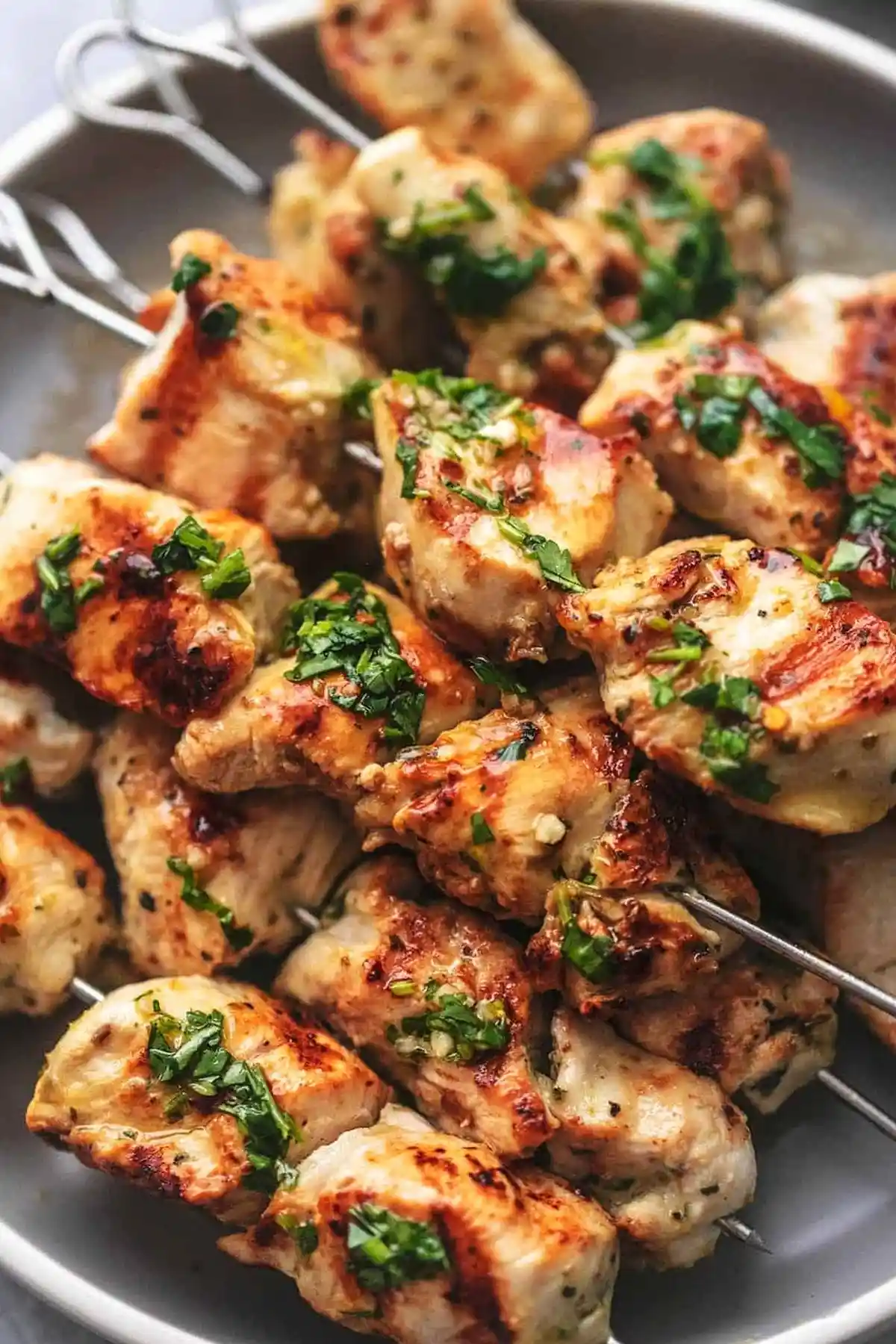
List of ingredients
- 1 recipe for Argentinian chimichurri sauce – used as the final topping.
- 4 medium-large boneless skinless chicken breasts – cut into 1 1/2 inch pieces for even cooking.
- 1/3 cup olive oil – forms the base of the marinade for moisture.
- 2 tablespoons fresh-squeezed lime juice (or lemon juice) – provides necessary acidity to tenderize the meat.
- 1 teaspoon salt – balances the citrus and enhances savory notes.
- 1/4 teaspoon black pepper – adds a light, spicy warmth.
- 1 teaspoon garlic powder – ensures a consistent garlicky flavor throughout.
- 1 teaspoon cumin – adds an earthy, smoky depth to the profile.
- 1 teaspoon coriander – provides a subtle citrusy and floral note.
step-by-step instructions
- Prepare the marinade: Stir together all marinade ingredients in a small bowl until the spices are well incorporated into the oil and lime juice.
- Marinate the chicken: Place the chicken pieces and the marinade into a large ziploc bag. Toss the chicken to ensure every piece is thoroughly coated, press out the excess air, and seal the bag tightly. Chill in the refrigerator for 15 minutes.
- Assemble skewers: Remove the chicken from the bag and thread the pieces onto skewers. Discard any excess marinade remaining in the bag.
- Grill the chicken: Use tongs to place the skewers on a preheated grill or grill pan. Cook for 10-15 minutes, turning the skewers frequently to achieve a brown sear and ensure even cooking throughout.
- Finish and serve: Remove the chicken from the heat. Spoon the prepared chimichurri sauce generously over the skewers and serve immediately while hot.
Professional Grilling Techniques
Using an Indoor Grill Pan
If you do not have access to an outdoor grill, a cast-iron grill pan is an excellent alternative. Preheat the pan over medium-high heat until a drop of water dances on the surface. This ensures you get those distinct char marks and a smoky flavor indoors.
Achieving the Perfect Char
To get a professional sear, avoid overcrowding the grill pan. Leave space between the skewers so the heat can circulate around the chicken. This prevents the meat from steaming in its own juices, which results in a better crust.
Preventing Meat from Sticking
Lightly oil the grill grates or the pan surface just before adding the chicken. Since the marinade already contains olive oil, the risk of sticking is low, but a thin layer of high-smoke-point oil provides an extra safety barrier.
Monitoring Internal Temperature
The most accurate way to ensure chicken is cooked through is using a meat thermometer. Aim for an internal temperature of 165 degrees Fahrenheit (74 degrees Celsius). This ensures the chicken is safe to eat while remaining juicy.
Mastering the Chimichurri Sauce
Selecting the Right Fresh Herbs
For an authentic taste, use flat-leaf Italian parsley rather than curly parsley. Flat-leaf parsley has a more robust, peppery flavor that stands up well to the garlic and vinegar. Fresh oregano can also be added for a more traditional Argentinian profile.
Controlling the Garlic Pungency
If you prefer a milder garlic taste, you can lightly sauté the minced garlic before adding it to the sauce. For those who love a sharp, pungent kick, use raw garlic pressed directly into the oil and vinegar mixture.
Balancing Acid and Oil
The ratio of oil to acid determines the sauce’s consistency and tang. If the sauce feels too acidic, whisk in an extra tablespoon of olive oil. If it feels too heavy, a small splash of red wine vinegar or extra lime juice can brighten the flavor.
Optimizing the Sauce Texture
Avoid using a food processor if you prefer a chunky, rustic texture. Hand-chopping the herbs and garlic preserves the integrity of the ingredients and prevents the sauce from becoming a homogenous paste.
Smart Ingredient Substitutions
Using Chicken Thighs Instead of Breasts
Boneless, skinless chicken thighs are a great alternative to breasts for more flavor and moisture. Because thighs have a higher fat content, they are more forgiving and less likely to dry out during the grilling process.
Alternative Oil Choices
While olive oil is traditional, avocado oil is an excellent substitute due to its higher smoke point. This makes it safer for high-heat grilling and reduces the likelihood of the oil burning and tasting bitter.
Swapping Lime for Lemon Juice
Lemon juice is a direct substitute for lime juice and offers a slightly different, cleaner citrus note. Both work well with the cumin and coriander, so you can choose based on what you have available in your kitchen.
Replacing Fresh Herbs with Dried
If fresh parsley is unavailable, you can use dried parsley, though the flavor will be less vibrant. Increase the quantity of dried herbs slightly, but be aware that the sauce will lose its characteristic bright green color.
Ideal Side Dish Pairings
Pairing with Roasted Potatoes
Crispy roasted potatoes with rosemary and garlic complement the zesty chimichurri chicken. The starchiness of the potatoes helps balance the acidity of the sauce, creating a satisfying and hearty meal.
Serving with Steamed Vegetables
Lightly steamed broccoli, asparagus, or snap peas provide a fresh contrast to the grilled meat. The natural sweetness of the vegetables pairs well with the earthy tones of the cumin and coriander in the marinade.
Adding a Side of Quinoa or Rice
A bed of fluffy quinoa or basmati rice is perfect for soaking up any extra chimichurri sauce. This addition makes the meal more filling and provides a neutral base that lets the bold flavors of the chicken shine.
Using the Chicken in a Fresh Salad
You can serve the grilled chicken slices over a bed of mixed greens, cherry tomatoes, and sliced cucumbers. The chimichurri acts as both a topping and a dressing for the salad, reducing the need for additional condiments.
Storage and Preservation Methods
Refrigerating the Chimichurri Sauce
Store the prepared chimichurri in an airtight glass jar in the refrigerator. It will stay fresh for about two to three weeks, with the oil acting as a natural preservative for the herbs and garlic.
Freezing Sauce for Long-Term Use
To freeze chimichurri, spoon the sauce into ice cube trays and freeze until solid. Once frozen, transfer the cubes to a freezer-safe bag; you can then pop out a single cube whenever you need a small amount of sauce.
Storing Cooked Chicken
Place leftover cooked chicken in a sealed container and refrigerate for up to four days. It is best to store the chicken separately from the sauce to maintain the texture of the meat and the freshness of the herbs.
Maintaining Sauce Color
To prevent the green herbs from oxidizing and turning brown, ensure the sauce is fully submerged in oil. A thin layer of olive oil on top of the sauce in the jar creates a seal that blocks out oxygen.
Reheating Instructions for Best Quality
Using the Oven for Best Texture
To reheat the chicken without drying it out, place the pieces in a baking dish and add a tablespoon of water or broth. Cover with foil and heat at 325 degrees Fahrenheit until the chicken is warmed through.
Microwave Reheating Tips
If using a microwave, cover the chicken with a damp paper towel to trap steam. Heat in short 30-second intervals and stir or flip the pieces to avoid creating hot and cold spots in the meat.
Handling Reheated Sauce
Chimichurri is best served cold or at room temperature. Do not heat the sauce along with the chicken, as high temperatures can destroy the delicate flavor of the fresh parsley and lime juice.
Refreshing the Sauce
If the refrigerated sauce has thickened too much, stir in a teaspoon of olive oil or lime juice. This restores the emulsion and brings back the bright, glossy appearance of the fresh dressing.
Advanced Meal Prep Strategies
Marinating Overnight
While a 15-minute chill is sufficient for flavor, marinating for 4 to 12 hours deepens the taste. However, avoid marinating for more than 24 hours, as the acid in the lime juice can begin to break down the chicken fibers too much, making the meat mushy.
Batch Cooking for the Week
Grill several batches of chicken skewers at once and store them in the fridge. Since the chicken is already cooked, you can quickly reheat a portion and add fresh chimichurri for a fast, healthy lunch.
Pre-cutting and Bagging
Prepare the chicken and marinade in bags and freeze them together. As the chicken thaws in the refrigerator overnight, it marinates automatically, saving you prep time on the day of cooking.
Preparing Sauce in Large Batches
Since chimichurri is versatile, make a double or triple batch. Use the extra sauce as a dip for crusty bread, a condiment for grilled steak, or a flavor booster for roasted root vegetables.
Troubleshooting Common Cooking Issues
Preventing Dry Chicken Breasts
Dry chicken often results from overcooking. Use a timer and a meat thermometer to stop cooking the moment the internal temperature hits 165 degrees Fahrenheit, and let the meat rest for 5 minutes before serving.
Managing Sauce Consistency
If your chimichurri is too watery, it may be due to excess moisture in the herbs after washing. Always pat your parsley and cilantro dry with a paper towel before chopping to ensure the oil emulsifies properly.
Fixing Overly Salty Marinades
If the marinade tastes too salty, increase the amount of olive oil or add a small amount of honey or maple syrup. The sweetness helps neutralize the salt without altering the overall flavor profile of the dish.
Handling Burnt Skewers
If wooden skewers burn on the grill, soak them in water for at least 30 minutes before threading the chicken. This prevents the wood from igniting and charring before the meat is fully cooked.
Frequently Asked Questions
Can I make this without skewers?
Yes, you can grill the marinated chicken pieces directly on the grill or in a pan. Simply omit the skewering step and sear the pieces individually, turning them once per side.
How long does the sauce last?
Fresh chimichurri lasts 2 to 3 weeks in the refrigerator when stored in an airtight container. For longer storage, freeze it in ice cube trays for up to three months.
Is this recipe suitable for meal prep?
Absolutely. The chicken can be grilled in bulk and stored for several days. Just remember to keep the chimichurri sauce separate until you are ready to serve the meal.
Can I use this marinade for other proteins?
Yes, this marinade works exceptionally well with flank steak, shrimp, or firm tofu. Adjust the grilling time based on the protein; for example, shrimp will cook much faster than chicken breasts.
Print
Argentinian Chimichurri Grilled Chicken
- Total Time: 30 minutes
- Yield: 4 servings 1x
- Diet: General
Description
This recipe for Argentinian Chimichurri Chicken is the perfect way to change up your same old chicken routine. Herby, spicy, garlicky, and with a bit of tang, simply skewer up marinated chicken breast, grill, slather in chimichurri and devour.
Ingredients
- 1 recipe for Argentinian chimichurri sauce
- 4 medium-large boneless skinless chicken breasts, cut into 1 1/2 inch pieces
- ⅓ cup olive oil
- 2 tablespoons fresh-squeezed lime juice (or lemon juice)
- 1 teaspoon salt
- ¼ teaspoon black pepper
- 1 teaspoon garlic powder
- 1 teaspoon cumin
- 1 teaspoon coriander
Instructions
- Step 1: Stir together all marinade ingredients.
- Step 2: Add marinade to a large ziploc bag along with the chicken. Toss in the marinade to coat, then press out excess air and seal the bag. Chill for 15 minutes.
- Step 3: Skewer chicken pieces and discard excess marinade.
- Step 4: Use tongs to place skewers on a preheated grill or grill pan. Cook for 10-15 minutes, turning throughout to ensure even cooking.
- Step 5: Spoon prepared chimichurri over chicken and serve immediately.
Notes
Pro tip: If you’re lucky enough to end up with any leftover chimichurri sauce, save and serve over vegetables or on salads!
- Prep Time: 5 minutes
- Cook Time: 10 minutes
- Category: Main Course
- Method: Grilling
- Cuisine: Argentinian
Nutrition
- Serving Size: 1 serving
- Calories: 421 kcal
- Sugar: 1 g
- Sodium: 845 mg
- Fat: 24 g
- Saturated Fat: 4 g
- Unsaturated Fat: 19 g
- Trans Fat: 1 g
- Carbohydrates: 1 g
- Fiber: 1 g
- Protein: 48 g
- Cholesterol: 145 mg