This baked salmon is coated in a simple, tangy glaze that balances natural sweetness with a sharp mustard kick. It is a healthy, protein-rich meal that can be prepared and cooked in under 20 minutes.
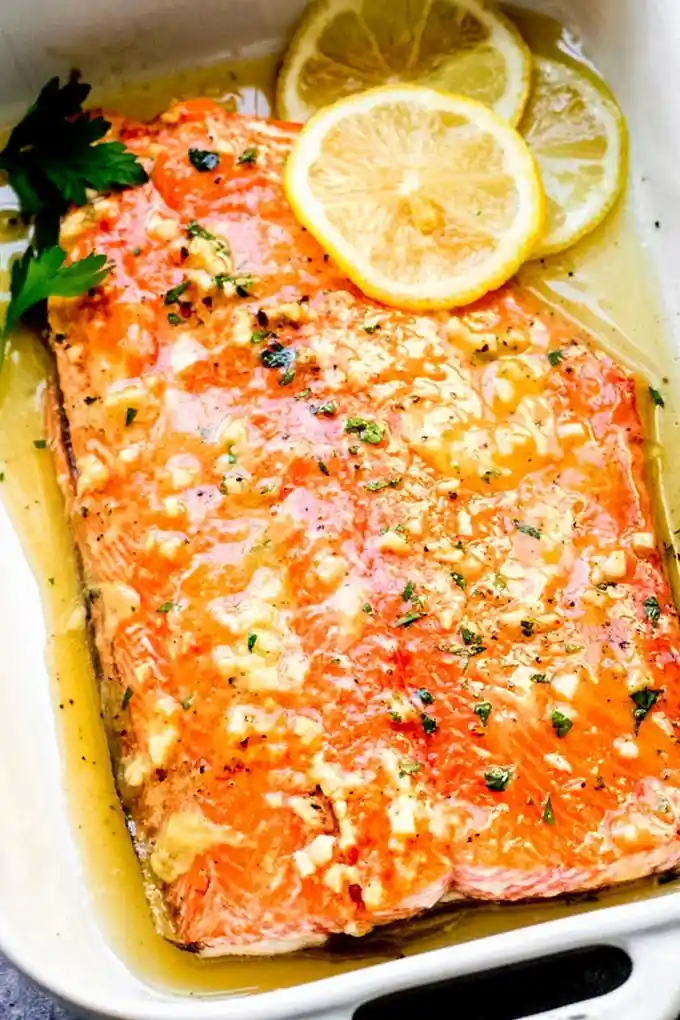
List of ingredients
- 20 oz fresh, wild-caught salmon fillet or 4 (5 oz) individual fillets – provides a lean and robust protein base.
- 1/4 cup pure maple syrup – creates a sweet, glossy glaze.
- 1 Tbsp Dijon mustard – adds a sharp, tangy contrast to the syrup.
- 1 tsp fresh minced garlic, about 2 cloves – provides a pungent, aromatic depth.
- Fresh minced parsley, for garnish, optional – adds a pop of color and fresh flavor.
- Kosher salt and fresh black pepper – used for basic seasoning to enhance natural flavors.
step-by-step instructions
- Prepare Oven: Preheat your oven to 425 degrees F to ensure a hot environment for searing the glaze.
- Arrange Fish: Place the salmon fillet or individual fillets in a 9×13 inch baking dish.
- Mix Glaze: In a small mixing bowl, whisk together the pure maple syrup, Dijon mustard, and minced garlic until smooth.
- Apply Sauce: Pour the maple mustard mixture over the salmon, ensuring the top and sides are fully covered.
- Season: Sprinkle the fillets with kosher salt and fresh black pepper to taste.
- Bake: Place the dish in the oven and bake for 8-14 minutes.
- Check Doneness: Begin checking the salmon at the 8-minute mark. The fish is done when it flakes easily with a fork and the flesh appears opaque.
- Finish: Remove from the oven and garnish with fresh minced parsley if desired before serving.
Essential Salmon Cooking Techniques
Preventing Overcooked Fish
Salmon cooks quickly due to its fat content and the high oven temperature. Start checking for doneness early to avoid a dry, chalky texture. The goal is for the center to be just opaque while remaining moist.
Identifying and Removing Pin Bones
Run your fingertip along the center of the fillet to feel for small, needle-like pin bones. Use a pair of clean tweezers or small pliers to pull them out in the direction they are pointing. This ensures a smooth dining experience without surprises.
The Benefit of Cooking with Skin
Keep the skin on the fillets during the baking process. The skin acts as a protective barrier that prevents the bottom of the fish from overcooking or sticking to the pan. You can easily slide the skin off with a spatula after cooking if you prefer not to eat it.
Using a Digital Meat Thermometer
For precise results, insert a meat thermometer into the thickest part of the fillet. Remove the salmon from the oven when the internal temperature reaches 145°F (63°C). Remember that carry-over cooking will slightly increase the temperature as the fish rests.
Simplifying Pan Cleanup
Line your baking dish or sheet with parchment paper before adding the salmon. The maple syrup in the glaze can caramelize and stick to the pan, making cleanup difficult. Parchment paper allows you to lift the fish out and discard the residue easily.
Customizing the Maple Glaze
Adding a Crunchy Topping
For those who prefer a texture contrast, sprinkle Panko breadcrumbs over the glaze before baking. The crumbs will toast in the oven and create a golden, crispy crust. This adds a satisfying crunch to the tender salmon.
Increasing the Heat Level
If you prefer a spicier profile, stir a pinch of crushed red pepper flakes into the maple mustard mixture. Alternatively, replace a teaspoon of Dijon with sriracha or a dash of cayenne pepper. This cuts through the sweetness of the maple syrup.
Modifying the Sweetness
For a more intense maple flavor, increase the syrup by one tablespoon. If you prefer a more savory dish, reduce the syrup slightly and increase the amount of minced garlic. This shifts the balance toward the aromatic and tangy notes.
Substituting Different Mustards
While Dijon is recommended for its smooth heat, whole grain mustard provides a rustic texture and a milder tang. Yellow mustard can be used as a basic substitute, though it lacks the depth of Dijon. Grainy mustards often pair well with the sweetness of the syrup.
Exploring Alternative Glaze Bases
You can use the same baking method with different flavor combinations. Try swapping maple syrup for honey or agave nectar for a different type of sweetness. Consider adding a teaspoon of soy sauce for a salty, umami-rich variation.
Recommended Side Dish Pairings
Garlic and Rosemary Roasted Potatoes
Cut Yukon Gold potatoes into one-inch cubes and toss them with olive oil, minced garlic, and fresh rosemary. Roast them at 400°F for 25-30 minutes until the edges are crisp. The earthy rosemary balances the sweetness of the maple glaze.
Roasted Garlic Green Beans
Trim fresh green beans and toss them with olive oil, salt, and sliced garlic cloves. Roast them on a sheet pan at 400°F for 12-15 minutes. These provide a fresh, snappy contrast to the rich texture of the salmon.
Tropical Pineapple Rice
Sauté diced pineapple and white rice in a pan with a touch of butter or coconut oil. Cook the rice in a mixture of water and a splash of pineapple juice for added flavor. The acidity of the pineapple complements the tangy mustard glaze.
Caramelized Roasted Brussels Sprouts
Halve the sprouts and toss them with olive oil and a pinch of salt. Roast at 425°F for 20 minutes until the outer leaves are charred and nutty. The bitterness of the sprouts cuts through the richness of the wild-caught salmon.
Crispy Baked Potato Fries
Slice potatoes into thin wedges and coat them in olive oil, paprika, and salt. Bake at 425°F for 20-25 minutes, flipping halfway through. These salty fries serve as a hearty base for the sweet and tangy fish.
Storage and Reheating Guidelines
Proper Refrigeration Method
Place leftover salmon in an airtight container or wrap it tightly with plastic wrap to prevent it from drying out. Store it in the main part of the refrigerator, not the door, to maintain a constant temperature. Cooked salmon is best consumed within 3 days.
Freezing for Long-Term Use
If you cannot finish the salmon within three days, it can be frozen for up to 4 months. Wrap the fillets individually in freezer paper before placing them in a heavy-duty freezer bag. This prevents freezer burn and keeps the glaze intact.
Safe Thawing Process
Always thaw frozen salmon slowly in the refrigerator overnight rather than on the counter. This maintains the texture of the fish and prevents bacterial growth. Pat the fillets dry with a paper towel after thawing to remove excess moisture.
Reheating Without Drying the Fish
Avoid using a microwave on high power, as this often makes salmon rubbery. Instead, place the salmon in a low oven (about 275°F) for 10-15 minutes. Adding a teaspoon of water or butter to the pan helps create steam to keep the fish moist.
Frequently Asked Questions
Can I use frozen salmon for this recipe?
Yes, frozen salmon works well. Ensure the fillets are completely defrosted in the refrigerator and patted dry with paper towels before applying the glaze. This prevents the sauce from becoming watery during the baking process.
Is there a substitute for Dijon mustard in the glaze?
You can use whole grain mustard for a similar flavor with more texture, or yellow mustard for a simpler tang. While the flavor will shift slightly, the structural role of the mustard in the glaze remains the same.
Can I pan-fry the salmon instead of baking?
Yes, pan-frying is an option for a crispier skin. Heat olive oil in a skillet over medium heat and sear the salmon skin-side down for 3-4 minutes. Flip the fillets and cook for another 3 minutes, brushing the maple mustard glaze on during the final minutes of cooking.
Is there a difference in taste between farmed and wild salmon?
Wild salmon typically has a firmer texture and a more robust, ‘fishy’ flavor due to its natural diet. Farmed salmon is usually fattier, resulting in a milder taste and a softer, more buttery consistency. Farmed salmon may require a few extra minutes of baking time due to its thickness.
Print
Baked Maple Mustard Salmon
- Total Time: 19 minutes
- Yield: 4 servings 1x
- Diet: Gluten Free, Dairy Free
Description
Maple mustard glazed salmon is delicious, sweet, and tangy. It’s coated in a 3-ingredient sauce and baked until tender.
Ingredients
- 20 oz. fresh, wild-caught, salmon fillet or 4 (5 oz.) individual fillets
- 1/4 cup pure maple syrup
- 1 Tbsp. Dijon mustard
- 1 tsp. fresh minced garlic, about 2 cloves
- Fresh minced parsley, for garnish, optional
- Kosher salt and fresh black pepper
Instructions
- Preheat: Preheat the oven to 425 degrees F. Arrange the salmon in a 9X13 baking dish.
- Glaze: Whisk together the maple syrup, mustard, and garlic. Pour over salmon, covering the top and sides.
- Bake: Bake for 8-14 minutes or until salmon flakes with a fork. Start checking for doneness around 8 minutes. If desired, garnish with parsley before serving.
Notes
Wild salmon is leaner and cooks faster (about 8 minutes), while farmed salmon is fattier and may require more time. Internal temperature should reach 145°F (63°C).
- Prep Time: 5 minutes
- Cook Time: 14 minutes
- Category: Main
- Method: Baked
- Cuisine: American
Nutrition
- Serving Size: 5 ounces
- Calories: 245 kcal
- Sugar: 11.9 g
- Sodium: 211.5 mg
- Fat: 6.7 g
- Saturated Fat: 1.5 g
- Unsaturated Fat: 5.2 g
- Trans Fat: 0 g
- Carbohydrates: 14.1 g
- Fiber: 0.4 g
- Protein: 31.8 g
- Cholesterol: 72.4 mg