This honey garlic salmon provides a sophisticated balance of sweetness and savory notes in under 30 minutes. It is an ideal choice for a healthy weeknight dinner that tastes like a restaurant-quality meal.
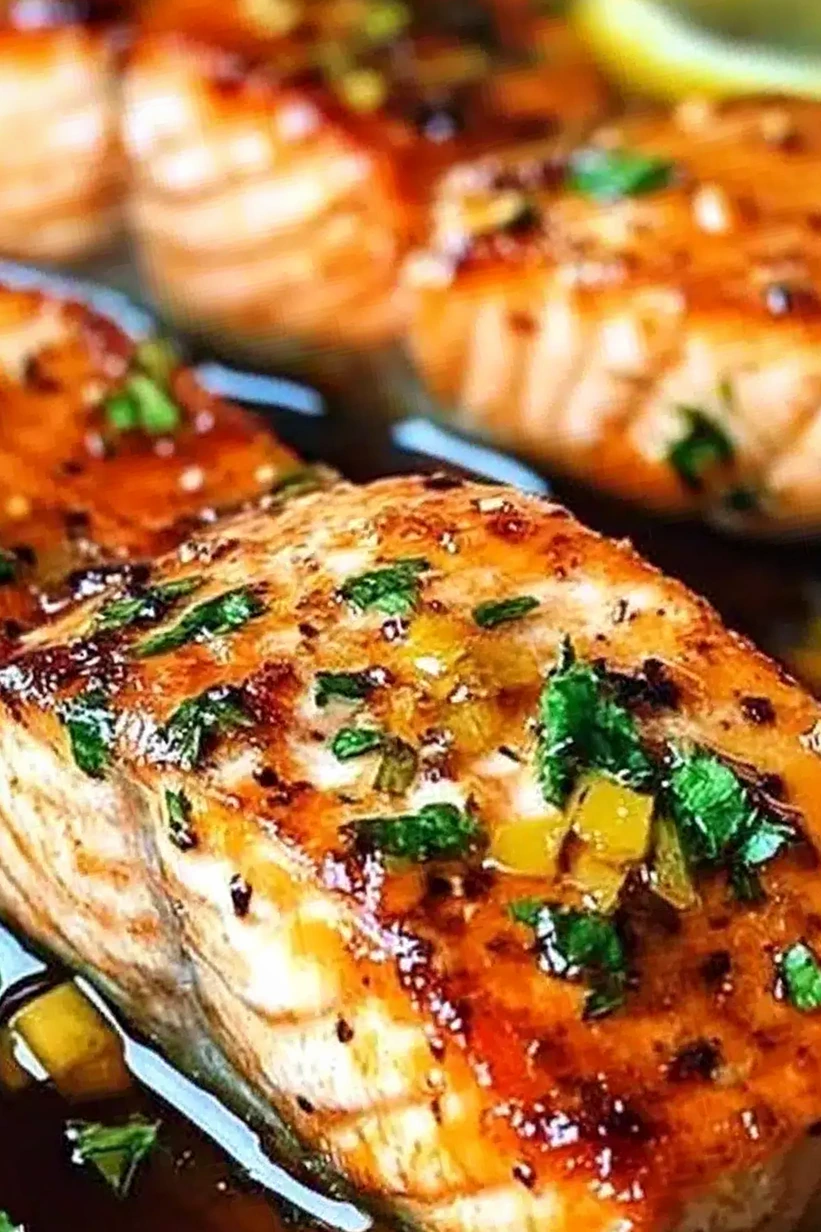
List of ingredients
- 4 salmon fillets (6 ounces each) – choose center-cut for even cooking.
- 1/4 cup honey – provides the sweet base and glossy finish.
- 1/4 cup soy sauce (low sodium recommended) – adds the savory umami depth.
- 3 cloves garlic, minced – gives a bold, aromatic punch.
- 2 tablespoons freshly squeezed lemon juice – balances the sweetness with acidity.
- 1 tablespoon olive oil – prevents sticking and adds richness.
- 1 teaspoon cornstarch (optional) – helps thicken the glaze into a syrup.
- Salt and pepper, to taste – essential for enhancing the natural flavors.
- Green onions and sesame seeds, for garnish (optional) – adds a professional visual touch.
step-by-step instructions
- Prepare Marinade: Combine honey, soy sauce, minced garlic, lemon juice, olive oil, and cornstarch in a small bowl. Whisk thoroughly until the cornstarch is completely dissolved and the mixture is smooth.
- Season Salmon: Pat the fillets dry with paper towels to remove excess moisture. Season both sides liberally with salt and pepper to build a flavor base.
- Marinate Salmon: Place the fish in a shallow dish and pour the marinade over the top. Ensure all sides are coated and let it rest for 15 minutes up to 2 hours in the refrigerator.
- Preheat Pan: Set a non-stick skillet over medium-high heat. Add a small amount of olive oil and wait until it shimmers to ensure a perfect sear.
- Cook Salmon: Place the fillets skin-side down in the hot pan. Press gently with a spatula and cook for 4-5 minutes without moving them to develop a golden crust.
- Flip and Add Sauce: Carefully flip the fish. Pour the remaining marinade into the pan, allowing it to bubble and reduce around the salmon for 4-5 minutes.
- Check Doneness: Use a meat thermometer to ensure the internal temperature is 145°F (63°C). The fish should be opaque and flake easily with a fork.
- Garnish: Sprinkle the cooked salmon with sliced green onions and sesame seeds. This adds a fresh contrast to the rich glaze.
- Serve Immediately: Move the fillets to a platter. Drizzle the remaining thickened pan sauce over the fish for a glossy, professional presentation.
Mastering the Searing Process
Maintain Precise Pan Temperature
Medium-high heat is critical for achieving the Maillard reaction, which creates the brown, flavorful crust. If the pan is too cold, the salmon will steam in its own juices rather than sear. Wait until the oil shimmers or a drop of water sizzles instantly before adding the fish.
The Importance of Drying the Skin
Surface moisture is the primary enemy of a crisp crust. Use heavy-duty paper towels to pat the salmon completely dry before seasoning. This prevents the oil from splattering and allows the skin to brown quickly and evenly.
Choosing the Right Cookware
A heavy-bottomed non-stick skillet or a seasoned cast-iron pan is recommended for this recipe. These materials distribute heat evenly across the surface, preventing hot spots that can burn the honey glaze. A sturdy pan also helps maintain temperature when the cold fish is added.
Timing the Flip Correctly
Avoid the temptation to move or flip the salmon too early in the cooking process. The fish will naturally release from the pan once a proper sear has formed. Moving it prematurely can cause the fillet to tear or stick to the surface.
Handling Delicate Fillets
Use a wide, thin-edged fish spatula to flip the fillets. This allows you to get underneath the fish without breaking the tender flesh. Be gentle when moving the salmon to avoid losing the golden crust you have developed.
Glaze Modifications and Alternatives
Adjusting the Sweetness Level
If you prefer a more savory profile, reduce the honey to 3 tablespoons and increase the soy sauce slightly. For those who enjoy a dessert-like glaze, you can increase the honey to 1/3 cup. Always taste the marinade before adding it to the pan.
Incorporating Heat for a Spicy Kick
Adding a pinch of red pepper flakes or a teaspoon of Sriracha to the marinade creates a spicy contrast. The heat cuts through the richness of the salmon and the sweetness of the honey. This variation is excellent when served with steamed white rice.
Substituting Soy Sauce for Tamari
To make this recipe gluten-free, replace the soy sauce with tamari or coconut aminos. Tamari provides a similar depth of flavor while remaining free of wheat. Coconut aminos offer a slightly sweeter, less salty alternative.
Adding Ginger for Aromatic Depth
Grate a teaspoon of fresh ginger into the marinade along with the garlic. Ginger adds a bright, zesty note that complements the lemon juice and honey perfectly. This creates a more traditional Asian-inspired flavor profile.
Using Maple Syrup Instead of Honey
Pure maple syrup is a fantastic substitute for honey, offering a distinct woody sweetness. It thins out slightly more than honey, so you may need an extra pinch of cornstarch for thickening. This swap works particularly well during the autumn season.
Recommended Side Pairings
Steamed Jasmine Rice
Fluffy jasmine rice is the ideal base for this dish because it absorbs the extra honey garlic sauce. Its subtle fragrance complements the bold flavors of the glaze. For a healthier option, try brown rice or wild rice blends.
Sautéed Baby Bok Choy
Lightly sautéed bok choy provides a crisp, fresh contrast to the rich salmon. Cook the greens with a touch of garlic and sesame oil to echo the flavors in the glaze. This adds essential nutrients and a vibrant green color to the plate.
Roasted Garlic Asparagus
Toss asparagus spears in olive oil and salt, then roast them at 400°F for about 10-12 minutes. The earthy flavor of the asparagus balances the sweetness of the honey. It can be cooked in the oven while the salmon is being pan-seared.
Quinoa with Fresh Herbs
Cooked quinoa mixed with chopped parsley and a squeeze of lime offers a protein-rich alternative to rice. The nuttiness of the quinoa pairs well with the buttery texture of the salmon. This is a great choice for those seeking a gluten-free side.
Cucumber and Sesame Salad
A chilled salad of sliced cucumbers, rice vinegar, and sesame oil cleanses the palate between bites. The acidity of the vinegar cuts through the richness of the fish. Sprinkle with toasted sesame seeds to match the garnish on the salmon.
Long-Term Storage and Preservation
Proper Refrigeration Methods
Store leftover cooked salmon in a glass, airtight container to maintain freshness. Ensure the fish is completely cooled before sealing the lid to prevent condensation. This helps keep the texture of the fish from becoming mushy.
Air-Tight Sealing to Prevent Odors
Salmon has a strong aroma that can migrate to other foods in the fridge. Using a vacuum-sealed container or high-quality plastic wrap prevents this cross-contamination. Always label the container with the date of preparation.
Freezing Raw Marinated Salmon
You can freeze salmon fillets directly in the marinade for up to two months. Place each fillet in a freezer-safe bag, squeezing out as much air as possible. This effectively marinate the fish as it thaws, saving time during meal prep.
Safe Thawing Procedures
Always thaw frozen salmon in the refrigerator overnight rather than on the counter. This slow process preserves the cellular structure of the fish, ensuring it remains tender. Avoid using hot water to thaw, as this can promote bacterial growth.
Storage Life Guidelines
Cooked honey garlic salmon is best consumed within two days of preparation. Beyond this point, the fish may begin to dry out or the flavors may mute. If you notice any off-smells or changes in color, discard the fish immediately.
Effective Reheating Techniques
The Oven Method for Texture
Preheat your oven to 275°F and place the salmon on a baking sheet. Drizzle a small amount of water or extra sauce over the fish to keep it moist. Heat for 10-15 minutes until warmed through without overcooking the center.
The Microwave Method for Speed
Place the salmon on a microwave-safe plate and cover it with a damp paper towel. Use a medium power setting and heat in 30-second intervals. This prevents the fish from becoming rubbery or drying out from excessive heat.
The Stovetop Method for Freshness
Heat a skillet over low heat with a tablespoon of water or butter. Place the salmon in the pan and cover with a lid for 2-3 minutes. This gently steams the fish back to life while reheating the glaze.
Avoiding the Rubber Texture
The biggest risk when reheating salmon is overcooking it, which leads to a rubbery consistency. Always use the lowest heat possible and stop reheating the moment the fish is warm. Avoid high-heat searing during the reheating process.
Cooking Troubleshooting and Fixes
Managing Sauce Caramelization
Because of the high sugar content in honey, the sauce can burn quickly. If the glaze begins to darken too rapidly, add a tablespoon of water or lemon juice to the pan. This lowers the temperature and thins the sauce to prevent scorching.
Dealing with Salmon Sticking to Pan
If the fish sticks, it is usually because the pan wasn’t hot enough or the fish was moved too soon. Use a flexible spatula to gently nudge the edges to see if it releases. In the future, ensure the oil is shimmering before adding the fillets.
Correcting Over-Salted Marinades
If the marinade tastes too salty, add a teaspoon of honey or a squeeze more lemon juice. The sweetness and acidity will neutralize the excess salt. You can also add a splash of water to dilute the concentration.
Resolving Uneven Cooking
Unevenly cooked fillets often happen when using pieces of varying thickness. To fix this, press the thicker part of the fillet down slightly with a spatula. Using center-cut fillets of the same size ensures consistent results.
Commonly Asked Questions
Can I use frozen salmon for this recipe?
Yes, but ensure it is fully thawed before marinating and cooking. Thawing completely ensures that the marinade penetrates the flesh and that the fish cooks evenly in the pan.
What should I do if I have left-over marinade?
Discard any marinade that has come into contact with raw salmon to avoid cross-contamination. If you want sauce for serving, set aside a portion of the marinade before adding the fish.
Can I grill the salmon instead of pan-searing?
Absolutely. Ensure the grill grates are well-oiled to prevent sticking. Grill over medium heat and brush the glaze on during the last few minutes of cooking to prevent the honey from burning.
Is this recipe gluten-free?
It is not gluten-free if using standard soy sauce. To make it gluten-free, substitute the soy sauce with tamari or coconut aminos.
How can I tell when the salmon is done?
The salmon is done when it reaches an internal temperature of 145°F (63°C) and flakes easily with a fork. The center should be opaque rather than translucent.
Print
Honey Garlic Salmon
- Total Time: 30 minutes
- Yield: 4 servings 1x
- Diet: Pescatarian
Description
A remarkable dish that combines sweet and savory flavors with tender salmon fillets coated in a luscious honey garlic glaze, perfectly balancing richness and sweetness.
Ingredients
- 4 salmon fillets (6 ounces each)
- ¼ cup honey
- ¼ cup soy sauce (low sodium recommended)
- 3 cloves garlic, minced
- 2 tablespoons freshly squeezed lemon juice
- 1 tablespoon olive oil
- 1 teaspoon cornstarch (optional, for thickening)
- Salt and pepper, to taste
- Green onions and sesame seeds, for garnish (optional)
Instructions
- Prepare Marinade: In a small mixing bowl, combine honey, soy sauce, minced garlic, lemon juice, olive oil, and cornstarch (if using). Mix well until all ingredients are blended.
- Season Salmon: Pat each salmon fillet dry with paper towels. Season both sides with salt and pepper to taste.
- Marinate Salmon: Place the salmon fillets in a shallow dish. Pour the marinade over the salmon, ensuring that each fillet is well coated. Let the fish marinate for at least 15 minutes (or up to 2 hours in the fridge for extra flavor).
- Preheat Pan: Heat a non-stick skillet over medium-high heat. Once hot, add a drizzle of olive oil to the pan.
- Cook Salmon: Remove the salmon from the marinade, letting excess sauce drip off. Place the fillets skin-side down in the hot pan. Cook for approximately 4-5 minutes without moving them to achieve a beautiful golden crust.
- Flip and Add Sauce: Carefully flip the salmon fillets using a spatula. Pour the remaining marinade into the pan around the salmon. Cook for an additional 4-5 minutes, allowing the sauce to reduce and thicken slightly.
- Check Doneness: Ensure the salmon reaches an internal temperature of 145°F (63°C). Remove from heat once cooked through and flaky.
- Garnish: If desired, sprinkle with sliced green onions and sesame seeds for added texture and visual appeal.
- Serve Immediately: Transfer the salmon to a serving platter, drizzling with the sauce left in the pan.
Notes
Use fresh salmon for the best flavor. For a spicy version, add a dash of red pepper flakes or sriracha to the marinade. To make it gluten-free, replace soy sauce with tamari.
- Prep Time: 15 minutes
- Cook Time: 15 minutes
- Category: Dinner
- Method: Pan-Searing
- Cuisine: Asian-inspired
Nutrition
- Serving Size: 1 fillet
- Calories: 350 kcal
- Sugar: 22 g
- Sodium: 625 mg
- Fat: 10 g
- Saturated Fat: 2 g
- Unsaturated Fat: 8 g
- Trans Fat: 0 g
- Carbohydrates: 21 g
- Fiber: 0 g
- Protein: 35 g
- Cholesterol: 70 mg