This recipe produces tender, juicy chicken breasts topped with a rich, aromatic garlic butter sauce. It is a practical and efficient choice for weeknight dinners that pairs perfectly with a variety of healthy side dishes.
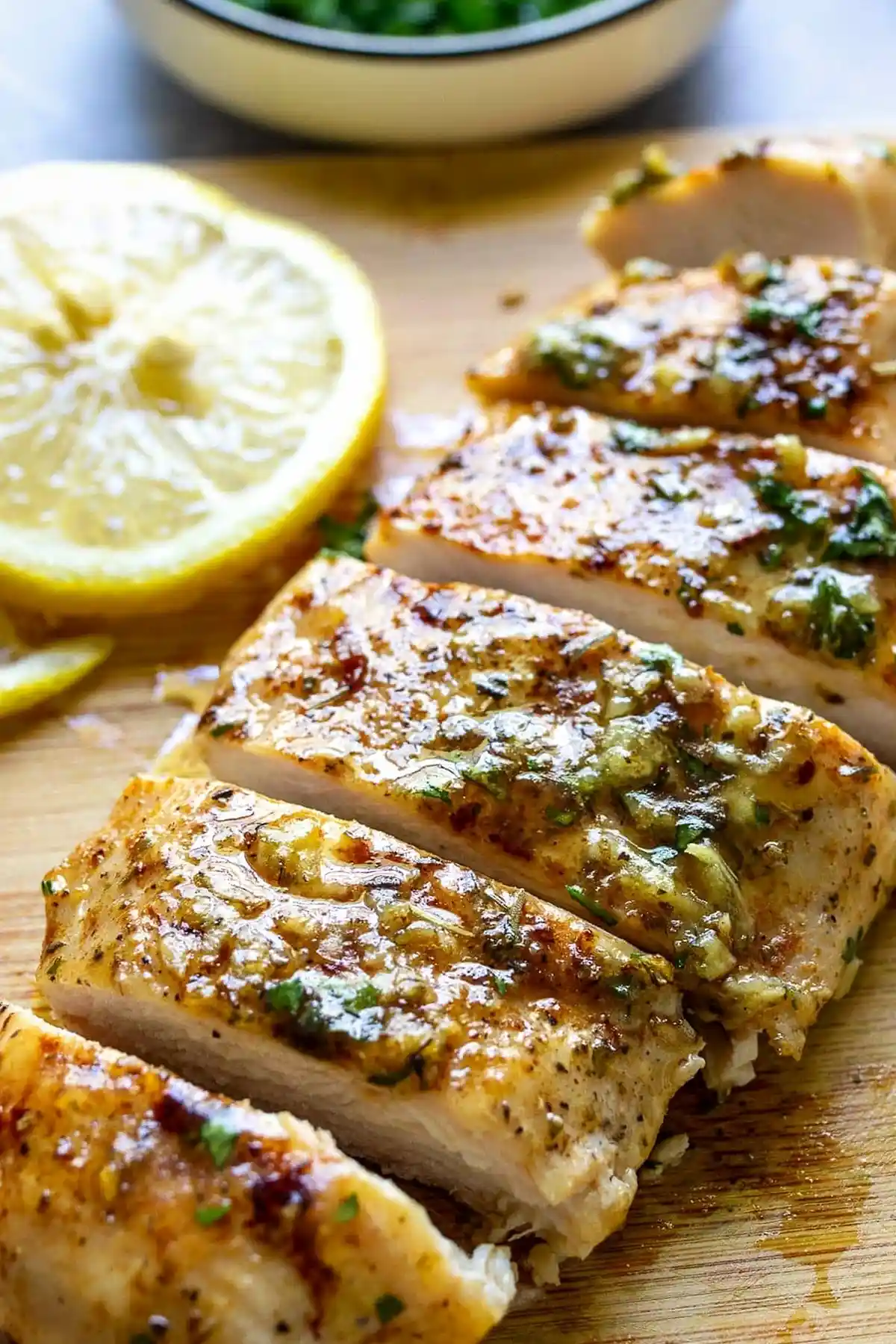
List of ingredients
- 4 boneless, skinless chicken breasts (5–8 oz. each) – pound to an even thickness for consistent cooking.
- 1 teaspoon paprika – provides a subtle earthy flavor and golden color.
- Salt and pepper – used for basic seasoning on all sides.
- 1 tablespoon olive oil – ideal for searing the meat to create a crust.
- 4 tablespoons butter, melted – forms the rich base of the herb sauce.
- 2-3 cloves garlic, minced – adds a sharp, savory punch to the butter.
- 1 teaspoon Italian seasoning – a blend of herbs for depth of flavor.
- 1 tablespoon fresh parsley, chopped – adds a bright, fresh finish.
step-by-step instructions
- Prepare the meat: Pound the chicken breasts to a consistent 1/2-inch thickness using a meat mallet to ensure they cook evenly.
- Season: Apply paprika, salt, and pepper to both sides of each chicken breast for balanced flavor.
- Mix the sauce: Stir together the melted butter, minced garlic, Italian seasoning, and chopped parsley in a small bowl.
- Sear the chicken (Optional): Heat olive oil in an oven-safe skillet over medium-high heat and sear the chicken for about 2 minutes per side until golden brown.
- Bake: Spoon the garlic butter sauce over the chicken breasts and bake in the oven at 425°F for 15-20 minutes, or until the internal temperature reaches 165°F.
- Rest and serve: Let the chicken rest for 5 minutes to retain juices, then spoon the remaining pan butter over the meat before serving.
Professional Preparation Techniques
Pounding Meat for Uniformity
Using a meat mallet to flatten chicken breasts ensures that the thickest part of the meat cooks at the same rate as the thin edges. This prevents the ends from drying out while waiting for the center to reach a safe temperature. If you do not have a mallet, you can use a rolling pin by placing the meat between two sheets of plastic wrap.
The Science of Searing
Searing the chicken in olive oil before baking creates a Maillard reaction, which develops a complex, savory crust. This step is optional but significantly enhances the visual appeal and depth of flavor. Keep the skillet at medium-high heat to ensure the meat browns quickly without overcooking the interior.
Using a Digital Meat Thermometer
The most reliable way to determine doneness is by using an instant-read meat thermometer. Insert the probe into the thickest part of the breast, avoiding any bone or the pan surface. Remove the chicken from the oven exactly when it hits 165°F (74°C) to maintain maximum juiciness.
The Importance of the Resting Period
Allowing the chicken to rest for 5 minutes after baking allows the muscle fibers to relax and redistribute the juices. If you cut into the meat immediately, the juices will run out onto the plate, leaving the meat dry. Resting ensures every bite remains moist and tender.
Ingredient Alternatives and Swaps
Replacing Fresh Garlic with Powder
If fresh garlic is unavailable, you can substitute it with garlic powder for a more mellow flavor. Use approximately 1/4 teaspoon of garlic powder for every single clove of fresh garlic required. Mix the powder directly into the melted butter as you would with the minced cloves.
Substituting Butter with Healthy Fats
For a lighter version or a different flavor profile, you can replace the melted butter with melted coconut oil or a high-quality olive oil. While the flavor will be less creamy, the garlic and herbs will still provide a savory coating. Ghee is another excellent option as it has a higher smoke point than standard butter.
Swapping the Herb Blend
While Italian seasoning is standard, you can customize the sauce using individual herbs like dried oregano, thyme, or rosemary. A combination of dried thyme and sage provides a more autumnal flavor, while basil and oregano keep it classic. Fresh herbs can always be substituted for dried ones at a 3:1 ratio.
Using Different Chicken Cuts
If you prefer a more succulent piece of meat, you can use boneless, skinless chicken thighs instead of breasts. Thighs are more forgiving and harder to overcook, though they may require a few extra minutes in the oven. Ensure they are trimmed of excess fat before seasoning.
Flavor Customizations
Adding Heat with Red Pepper Flakes
To add a spicy kick to the dish, stir a pinch of crushed red pepper flakes into the garlic butter mixture. The heat balances the richness of the butter and complements the garlic. Adjust the amount based on your preference for mild or hot flavors.
Incorporating Citrus Acidity
Adding a squeeze of fresh lemon juice or a teaspoon of lemon zest to the butter sauce cuts through the fat. The acidity brightens the overall flavor and enhances the herbal notes of the Italian seasoning. This is especially effective when serving the chicken with seafood-based side dishes.
Creating a Savory Cheese Crust
For extra richness, sprinkle finely grated Parmesan cheese over the garlic butter before placing the chicken in the oven. The cheese melts and forms a savory, golden-brown crust. This addition provides a salty contrast to the buttery sauce.
Using Smoked Paprika for Depth
Replacing standard paprika with smoked paprika introduces a subtle woody, campfire aroma to the meat. This gives the dish a grilled quality even though it is baked in an oven. It pairs exceptionally well with the garlic and butter combination.
Recommended Side Dish Pairings
Pairing with Roasted Green Vegetables
Roasted broccoli, asparagus, or Brussels sprouts complement the richness of garlic butter perfectly. Toss the vegetables in a bit of olive oil and salt, then roast them on a separate tray at the same oven temperature. The charred edges of the vegetables balance the creamy sauce of the chicken.
Starchy Base Options
Serve the chicken over a bed of mashed potatoes, white rice, or a creamy mushroom risotto. These sides act as a sponge, absorbing the extra garlic butter from the pan. For a lower-carb option, cauliflower puree or mashed cauliflower provides a similar texture.
Light and Fresh Garden Salads
A crisp green salad with a light vinaigrette provides a refreshing contrast to the heavy butter sauce. Use mixed greens, cucumbers, and cherry tomatoes to add color and acidity to the meal. This ensures the plate feels balanced and not overly rich.
Grains and Ancient Seeds
Quinoa or farro are excellent nutrient-dense alternatives to rice. These grains have a nutty flavor that pairs well with the Italian seasoning in the butter. Cook the grains in vegetable broth instead of water for added depth.
Preservation and Reheating Methods
Refrigerating Leftovers
Store any remaining chicken and sauce in an airtight container in the refrigerator for up to 3 to 4 days. Ensure the chicken is cooled slightly before sealing to prevent excess moisture buildup. Keep the sauce poured over the meat to prevent the surface from drying out.
Freezing Instructions
Baked chicken can be frozen for up to three months if wrapped tightly in foil and then placed in a freezer bag. To avoid freezer burn, squeeze out as much air as possible from the packaging. Thaw the chicken in the refrigerator overnight before reheating.
Best Oven Reheating Method
To maintain the best texture, reheat the chicken in the oven at 325°F in a covered baking dish. Adding a tablespoon of water or chicken broth to the dish creates steam, which prevents the meat from becoming rubbery. Heat until the internal temperature reaches 165°F again.
Microwave Reheating Tips
If using a microwave, use a low power setting and heat in short 30-second intervals. Cover the dish with a damp paper towel to trap moisture. Be careful not to overcook, as the microwave can quickly make chicken breast tough.
Common Cooking Challenges and Solutions
Preventing Dry Chicken
Dryness usually occurs from overcooking or using unevenly thick breasts. Always use a thermometer and pound the meat to a uniform thickness. If the chicken seems dry, you can simmer it briefly in a bit of extra butter or chicken broth before serving.
Avoiding Burnt Garlic
Garlic can burn quickly if the pan is too hot or if it is sautéed for too long. By mixing the garlic into the butter and spooning it over the chicken before baking, the garlic cooks gently. If you sear the garlic, keep the heat at medium and remove it as soon as it becomes fragrant.
Managing Uneven Cooking
If some pieces of chicken finish cooking before others, remove the done pieces to a plate and leave the others in. This prevents the smaller breasts from overcooking while the larger ones finish. This is common when using chicken breasts of varying weights.
Selecting the Right Cookware
An oven-proof skillet, such as cast iron or carbon steel, is ideal for this recipe as it moves seamlessly from stovetop to oven. If you only have a non-oven-safe pan, sear the meat first and then transfer it to a glass or ceramic baking dish. A baking dish is preferred over a sheet pan to keep the sauce concentrated around the meat.
Frequently Asked Questions
Can I make this in a slow cooker?
Yes, you can place the seasoned chicken in a slow cooker and pour the garlic butter mixture over the top. Cook on low for 4-6 hours, though the texture will be more like poached chicken than baked chicken. For the golden crust, you can quickly sear the meat in a pan before adding it to the slow cooker.
What is the best oil for searing chicken?
Olive oil is a great choice for medium-high heat, but avocado oil or grapeseed oil are even better due to their higher smoke points. This prevents the oil from smoking or breaking down during the searing process. Avoid using butter for the initial sear as it burns more easily than oil.
How do I know the chicken is safely cooked without a thermometer?
Slice into the thickest part of the breast to ensure the meat is opaque and white throughout with no pink remaining. The juices should run clear rather than cloudy. However, a thermometer is always the safest and most accurate method.
Can I use frozen chicken breasts for this recipe?
You must completely thaw frozen chicken breasts before pounding and seasoning them. Cooking frozen chicken directly will lead to uneven cooking and a loss of texture. Thaw them safely in the refrigerator for 24 hours before starting the preparation.
Print
Garlic Butter Baked Chicken Breast
- Total Time: 25 minutes
- Yield: 4 servings 1x
- Diet: General
Description
Try this garlic butter baked chicken breast recipe with juicy chicken smothered in a homemade herbed garlic butter sauce.
Ingredients
- 4 boneless, skinless chicken breasts (5–8 oz. each)
- 1 teaspoon paprika
- Salt and pepper
- 1 tablespoon olive oil
- 4 tablespoons butter, melted
- 2–3 cloves garlic, minced
- 1 teaspoon Italian seasoning
- 1 tablespoon fresh parsley, chopped
Instructions
- Step: Pound the chicken to 1/2″ thickness using a meat mallet.
- Step: Season the chicken on both sides with paprika and salt and pepper.
- Step: Combine the butter mix ingredients and stir to mix well.
- Step: In an oven-safe skillet over medium-high heat, sear the chicken breasts in olive oil until golden brown on both sides, about 2 minutes per side (optional).
- Step: Spoon the garlic butter sauce over the chicken breasts and bake in the oven at 425°F for 15-20 minutes or until internal temperature reads 165°F.
- Step: Let it rest for 5 minutes and spoon garlic butter over chicken before serving.
Notes
If you don’t have an oven-proof skillet, transfer the seared chicken to a baking dish. For very large breasts, cut them lengthwise into cutlets for even cooking. Optional: Add red pepper flakes to the butter for extra heat.
- Prep Time: 5 minutes
- Cook Time: 20 minutes
- Category: Main Dish
- Method: Baking
- Cuisine: American
Nutrition
- Serving Size: 1 chicken breast
- Calories: 420 kcal
- Sugar: 1 g
- Sodium: 620 mg
- Fat: 18 g
- Saturated Fat: 8 g
- Unsaturated Fat: 10 g
- Trans Fat: 0 g
- Carbohydrates: 4 g
- Fiber: 1 g
- Protein: 52 g
- Cholesterol: 165 mg