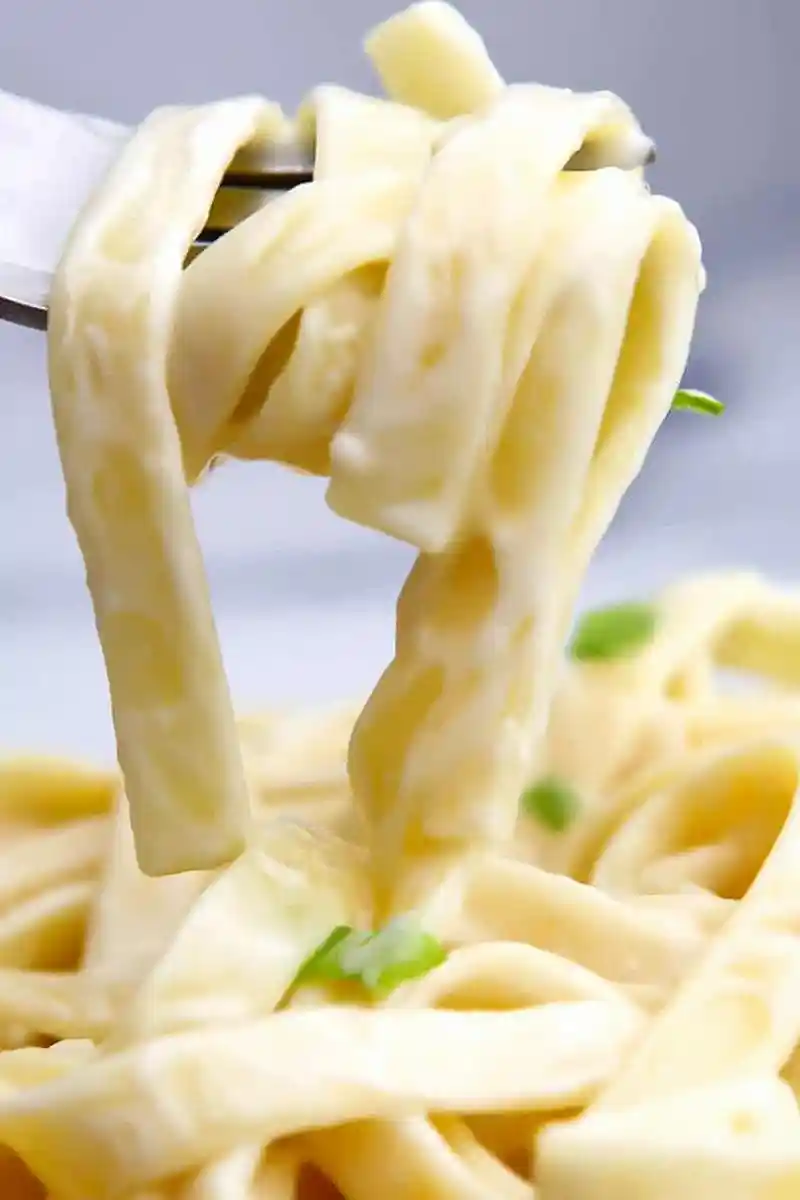
This rich and velvety vegan Alfredo sauce uses full-fat coconut milk to achieve a decadent texture without dairy or nuts. It is a quick-cooking meal that transforms simple pasta into a gourmet plant-based dinner in minutes.
List of ingredients
- 1 (13.5 oz) can full-fat coconut milk – provides the rich, creamy base.
- 1/2 cup water – used to adjust the sauce consistency.
- 1 tablespoon nutritional yeast – adds a savory, cheesy flavor.
- 1 teaspoon salt – enhances all the other flavors in the sauce.
- 4 teaspoon tapioca starch (tapioca flour) – creates a stretchy, thick texture.
- 1/2 teaspoon garlic powder – provides a subtle aromatic base (or use 2 cloves of minced garlic).
- 1 tablespoon liquid smoke (hickory flavored) – optional, adds a smoked Gouda profile.
- 1 16 oz. package fettuccine noodles – or any preferred pasta shape.
step-by-step instructions
- Cook the pasta: Boil your chosen pasta according to the package instructions.
- Combine ingredients: While the pasta boils, pour the full-fat coconut milk into a saucepan. Stir in the water, salt, nutritional yeast, garlic powder, and tapioca starch until well combined.
- Thicken the sauce: Place the saucepan over medium-low heat. Stir frequently with a whisk or spoon until the mixture reaches a boil and begins to thicken.
- Final boil: Allow the sauce to boil for approximately 30 seconds to fully activate the starch, then remove the pan from the heat.
- Assemble: Drain and rinse the cooked pasta. Pour the hot Alfredo sauce over the noodles, toss well to coat, and serve immediately.
The Role of Thickeners
Using Tapioca Starch for Texture
Tapioca starch is the key to achieving a stretchy, cheese-like consistency in vegan sauces. Unlike other starches, it maintains a smooth and elastic feel even as the temperature of the dish drops.
Cornstarch as a Stable Alternative
If you do not have tapioca starch, cornstarch is a reliable substitute that will thicken the sauce effectively. However, it produces a more gel-like texture and may become gloppy once the sauce cools down.
Arrowroot Powder for a Clean Finish
Arrowroot powder works well as a thickening agent and provides a very clear, glossy finish to the sauce. It is a great option for those who prefer a lighter mouthfeel than what tapioca starch provides.
Potato Starch for Hearty Consistency
Potato starch is another viable alternative that creates a thick, sturdy sauce. While it does not offer the same stretch as tapioca, it provides a satisfying weight to the Alfredo.
Optimizing Your Coconut Base
Choosing Full-Fat Coconut Milk
Always use full-fat canned coconut milk for this recipe to ensure a creamy mouthfeel. Light coconut milk lacks the necessary fat content, resulting in a thin, watery sauce that fails to mimic traditional Alfredo.
Avoiding Cream of Coconut
Do not confuse coconut milk or coconut cream with cream of coconut. Cream of coconut is a sweetened product used primarily for cocktails and will make your savory pasta sauce taste like dessert.
Managing the Coconut Flavor
The coconut flavor remains mild in the finished sauce due to the salt and nutritional yeast. If you find the coconut taste too prominent, try using a non-organic brand, as some organic versions have a more intense coconut aroma.
Substituting Coconut Cream
You can use canned coconut cream for an even thicker and richer sauce. If using cream, you may need to slightly increase the amount of water to prevent the sauce from becoming too dense.
Flavor Customization and Enhancements
Creating a Smoked Gouda Profile
Adding one to two tablespoons of hickory-flavored liquid smoke transforms the sauce into a smoked Gouda alternative. This adds a deep, woody complexity that pairs exceptionally well with mushrooms or roasted vegetables.
Using Fresh Garlic for Depth
While garlic powder is convenient, using two cloves of fresh minced garlic adds a sharper, more pungent flavor. Sauté the garlic in a tiny bit of oil before adding the coconut milk for maximum aroma.
Boosting the Cheesiness with Nutritional Yeast
Nutritional yeast provides the essential ‘umami’ and cheesy taste. If you prefer a stronger cheese flavor, you can increase the amount to two tablespoons, though the taste will become more nutty.
Adding Lemon Juice for Brightness
A small squeeze of fresh lemon juice added at the very end cuts through the richness of the coconut fat. This acidity balances the flavor and prevents the sauce from feeling too heavy on the palate.
Vegetable Pairings and Add-ins
Adding Sautéed Mushrooms
Sautéed cremini or button mushrooms add an earthy quality that complements the creamy sauce. Cook the mushrooms separately until browned, then stir them in at the end for a classic Mushroom Alfredo.
Incorporating Steamed Broccoli
Broccoli florets add a fresh, crunchy texture and a boost of nutrients. Steam the broccoli until tender-crisp and toss it with the pasta and sauce just before serving.
Using Frozen Peas for Sweetness
Frozen peas can be added to the boiling pasta water during the last two minutes of cooking. This adds a pop of color and a subtle sweetness that balances the savory notes of the nutritional yeast.
Stirring in Fresh Spinach
Fresh baby spinach can be stirred into the hot sauce immediately after you turn off the heat. The residual heat will wilt the leaves perfectly without overcooking them.
Pasta Selection and Preparation
Choosing the Best Noodle Shape
Fettuccine is the traditional choice for Alfredo because the wide surface area holds the heavy sauce well. However, linguine, penne, or rotini are also excellent choices for trapping the creamy mixture.
Preparing Gluten-Free Pasta
When using gluten-free noodles, boil them in slightly more water than usual to prevent them from sticking. This ensures the starch is distributed and the noodles cook evenly.
Rinsing Pasta for Better Texture
Rinse your pasta thoroughly after draining, especially if using gluten-free varieties. This removes excess surface starch, preventing the pasta from becoming gummy and allowing the sauce to adhere better.
Managing Pasta Cook Time
Cook your pasta to ‘al dente’ to ensure it maintains its structure. Overcooked noodles can break apart when tossed with the thick coconut sauce, leading to a mushy consistency.
Storage and Preservation
Refrigeration Guidelines
Store leftover Alfredo and pasta in an airtight container in the refrigerator for three to five days. The sauce will thicken significantly and may solidify due to the coconut fat.
Freezing for Future Meals
This sauce freezes well for up to three months in an airtight bag or container. Thaw the sauce overnight in the fridge before reheating to maintain the best emulsion.
Preventing Sauce Separation
If the sauce separates during storage, do not worry as this is common with coconut-based products. Stirring and heating the sauce will bring the fats and liquids back together.
Selecting Airtight Storage
Use glass containers with locking lids to keep the sauce fresh and prevent it from absorbing other odors in the fridge. This helps preserve the delicate balance of garlic and coconut.
Reheating Techniques
Microwave Reheating Method
Heat individual portions in the microwave for about three minutes, stirring halfway through. If the sauce appears too thick, add a splash of water or plant milk to loosen it.
Stovetop Simmering Method
For the best results, reheat the pasta in a pan over medium-low heat. Add one tablespoon of water or vegetable broth and stir gently until the sauce is creamy and hot.
Adjusting Consistency After Reheating
Because the starch continues to bind as it cools, reheated sauce often feels denser. Always add a small amount of liquid during the reheating process to restore the original silky texture.
Refreshing the Flavor
After reheating, stir in a pinch of fresh black pepper or chopped parsley. This refreshes the taste and makes the reheated meal feel like it was freshly prepared.
Alternative Milk Bases
Using Soy Milk for Nut-Free Creaminess
If you cannot use coconut, replace the coconut milk and water with 1 3/4 cups of plain soy milk. Soy milk has a protein structure that mimics dairy more closely than other plant milks.
Oat Milk for a Milder Taste
Oat milk is a great alternative for those who prefer a more neutral flavor profile. Because oat milk is naturally creamier than almond milk, it works well for thick sauces.
Almond Milk for a Lighter Option
Almond milk can be used, but it is significantly thinner than coconut milk. You will likely need to increase the amount of tapioca starch to achieve the same thickness.
Adding Neutral Oil for Fat Balance
When substituting coconut milk with thinner plant milks, add 1/4 cup of a neutral-flavored oil like avocado or grapeseed oil. This replaces the lost fats from the coconut and improves the mouthfeel.
Troubleshooting the Sauce
Fixing a Sauce That is Too Thick
If your sauce becomes too dense or pasty, stir in extra water or unsweetened plant milk one tablespoon at a time. Continue stirring over low heat until the desired consistency is reached.
Resolving a Sauce That Won’t Thicken
If the sauce remains liquid, it may not have reached a full boil. Return the pan to medium heat and stir constantly until it bubbles, which activates the thickening properties of the tapioca starch.
Reducing Strong Coconut Overtones
To mask a strong coconut taste, increase the amount of nutritional yeast or add a teaspoon of lemon juice. The savory and acidic notes help neutralize the sweetness of the coconut.
Correcting Overly Salty Sauce
If you accidentally add too much salt, add a tablespoon of unsweetened coconut cream or a splash of water. You can also add more pasta to the dish to distribute the salt across a larger volume.
Frequently Asked Questions
Can I make this sauce without a blender?
Yes, this recipe is designed to be made in a saucepan. Since canned coconut milk is already smooth, there is no need for a high-speed blender or soaking nuts.
Is this sauce naturally gluten-free?
The sauce itself is naturally gluten-free. To make the entire meal gluten-free, simply pair the sauce with gluten-free fettuccine or other certified gluten-free pasta.
Can I use coconut milk from a carton?
Carton coconut milk is usually too thin for this recipe. For the correct richness and thickness, always use the full-fat version found in cans.
What can I use instead of liquid smoke?
If you do not have liquid smoke, you can use 1/2 teaspoon of smoked paprika. This provides a similar smoky depth, though it will add a slight reddish tint to the sauce.
How do I keep the sauce from sticking to the pan?
Use a whisk and stir frequently over medium-low heat. Constant movement prevents the starch from settling at the bottom and burning.
Print
Creamy Coconut Milk Vegan Alfredo
- Total Time: 5 minutes
- Yield: 8 servings 1x
- Diet: Vegan
Description
A rich and creamy vegan Alfredo sauce made with coconut milk that is free of gluten, soy, and dairy.
Ingredients
- 1 (13.5 oz) can full-fat coconut milk
- 1/2 cup water
- 1 tablespoon nutritional yeast
- 1 teaspoon salt
- 4 teaspoon tapioca starch
- 1/2 teaspoon garlic powder
- 1 tablespoon liquid smoke
- 1 16 oz. fettuccine noodles
Instructions
- Step: Cook pasta of choice according to package directions.
- Step: While the pasta is cooking, pour a can of full-fat coconut milk into a saucepan and add water, salt, nutritional yeast, garlic, and tapioca starch to the milk and give it all a stir.
- Step: After the ingredients are mixed, turn on the heat to medium-low and heat the sauce while stirring frequently until it starts to boil and thicken.
- Step: Allow it to boil for about 30 seconds and then turn off the heat.
- Step: Once the pasta has been cooked, drained and rinsed, pour the Alfredo sauce over it. Mix well and serve hot.
Notes
Use full-fat coconut milk for this recipe. You may substitute the coconut milk and water for 1 3/4 cups of plain soy milk and 1/4 cup neutral-flavored oil. You may substitute corn starch, potato starch, or arrowroot powder for the tapioca starch, though the texture may vary.
- Prep Time: 2 minutes
- Cook Time: 3 minutes
- Category: Main Course
- Method: Stovetop
- Cuisine: Italian
Nutrition
- Serving Size: 1 cup
- Calories: 317 kcal
- Sugar: 1 g
- Sodium: 317 mg
- Fat: 12 g
- Saturated Fat: 9 g
- Unsaturated Fat: 3 g
- Trans Fat: 0 g
- Carbohydrates: 42 g
- Fiber: 2 g
- Protein: 9 g
- Cholesterol: 47 mg