This hearty dish combines creamy, cheese-infused white grits with savory shrimp sautéed in beef bacon fat. It is a filling meal that works perfectly for breakfast, lunch, or dinner.
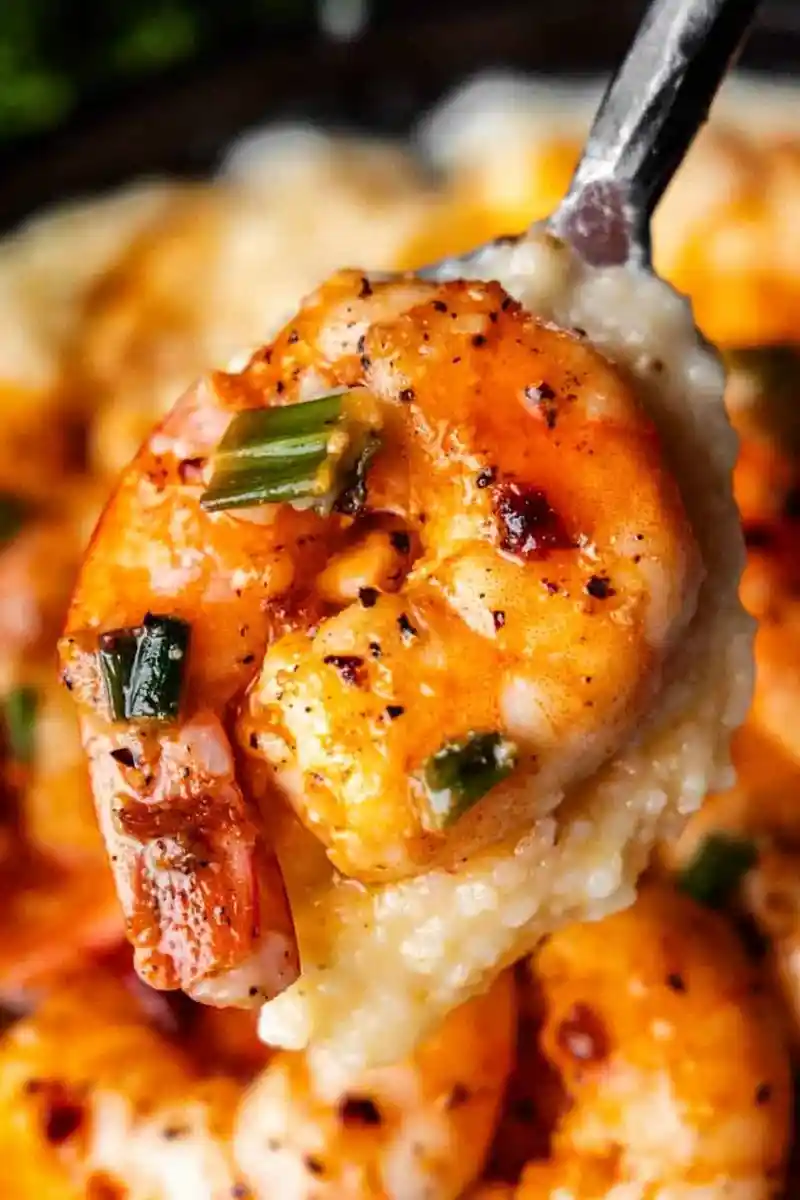
List of ingredients
- 2 cups water – basic liquid base.
- 2 cups chicken broth – adds savory depth to the grits.
- 1 teaspoon kosher salt (or 1/2 teaspoon table salt) – for seasoning the base.
- 1 cup white grits – provides a creamy, neutral corn base.
- 2 tablespoons salted butter – adds richness and saltiness.
- 1 cup shredded sharp cheddar cheese – for a bold, creamy flavor.
- 4 beef bacon slices (diced) – provides smokiness and rendering fat.
- 1 pound raw shrimp (peeled and deveined) – the main protein.
- 2 tablespoons minced garlic – for aromatic flavor.
- 1/2 cup sliced green onion (divided) – used for sautéing and garnish.
- 2 tablespoons lemon juice – adds necessary acidity.
- 2 dashes hot sauce (to taste) – for a touch of heat.
step-by-step instructions
- Prepare the grits base: In a medium pot, combine the water, chicken broth, and salt. Bring the mixture to a boil over medium-high heat.
- Cook the grits: Slowly whisk in the white grits. Reduce the heat to low and simmer, stirring frequently to prevent lumps, until the grits are thick and creamy.
- Finish the grits: Stir in the salted butter and shredded sharp cheddar cheese until completely melted and incorporated. Keep warm on low heat.
- Crisp the beef bacon: In a large skillet, sauté the diced beef bacon over medium heat until crispy. Remove the bacon with a slotted spoon and set aside, leaving the rendered fat in the pan.
- Sauté the shrimp: Add the minced garlic to the skillet with the beef bacon fat and cook for about 30 seconds. Add the raw shrimp and sauté until they turn pink and are just cooked through.
- Season the shrimp: Stir in the lemon juice and hot sauce. Add a portion of the sliced green onions and stir briefly to combine.
- Assemble the dish: Spoon the cheesy grits into bowls. Top each serving with the garlic shrimp and a sprinkle of crispy beef bacon and the remaining green onions.
Mastering Grits Texture
Choosing White Grits Over Yellow
White grits are generally more neutral in flavor and provide a smoother texture. This allows the flavors of the cheddar cheese and the savory shrimp to stand out more than they would with the bolder corn taste of yellow grits.
Avoiding the Use of Instant Grits
Instant grits cook much faster but lack the depth of flavor and creamy consistency of traditional stone-ground white grits. Taking the extra time to simmer real grits results in a restaurant-quality texture that is far more satisfying.
Preventing Clumps and Lumps
Lumps usually occur when grits are dumped into boiling liquid all at once. To prevent this, sprinkle the grits in slowly while whisking the liquid constantly during the first few minutes of cooking.
Using a Whisk for Smoothness
If you notice small clumps forming, a whisk is more effective than a spoon. Vigorously whisking the mixture can break down the starch clusters and ensure a uniform consistency.
Fixing Lumpy Grits with Heat
If the grits are already lumpy, add a small splash of hot water or extra broth. Continue whisking over low heat to dissolve the clumps without overcooking the grain.
Optimizing Your Shrimp
Selecting the Right Shrimp Size
Large raw shrimp are ideal for this dish as they hold up well during the sautéing process. Small shrimp can overcook quickly and become rubbery, while jumbo shrimp may require longer cooking times that could burn the garlic.
Handling Frozen Shrimp Correctly
If using frozen shrimp, thaw them completely in the refrigerator overnight or under cold running water. Cooking frozen shrimp directly in the pan releases excess water, which prevents them from searing properly in the beef bacon fat.
Identifying Perfectly Cooked Shrimp
Shrimp are done when they curl into a ‘C’ shape and turn opaque. If they curl tightly into an ‘O’ shape, they are overcooked and will have a tough, rubbery texture.
Maintaining Shrimp Tenderness
Sauté shrimp over medium-high heat for only a few minutes per side. Removing them from the heat the moment they turn pink ensures they remain juicy and tender.
Flavor and Heat Adjustments
Controlling the Spice Level
If you prefer a milder dish, omit the hot sauce entirely. For a very subtle warmth, replace the hot sauce with a small pinch of paprika or mild chili powder during the shrimp sauté.
Increasing the Heat Profile
To add more spice, increase the amount of hot sauce or add 1/4 teaspoon of cayenne pepper when cooking the shrimp. Topping the dish with fresh sliced jalapeños also adds a bright, sharp heat.
Using Fresh Lemon Juice
While bottled lemon juice is convenient, freshly squeezed lemon provides a cleaner, brighter acidity. This acidity cuts through the richness of the cheese and beef bacon fat.
Enhancing the Garlic Aroma
For a deeper garlic flavor, use fresh cloves rather than jarred minced garlic. Sauté the fresh garlic just until fragrant, as burnt garlic becomes bitter and can ruin the flavor of the shrimp.
Cheese and Dairy Variations
Exploring Different Cheddar Types
Extra sharp cheddar provides a more pungent flavor that stands up well to the savory shrimp. Milder cheddars result in a creamier, more subtle taste profile.
The Importance of Freshly Shredded Cheese
Grate your own cheese from a block instead of using pre-shredded bags. Pre-shredded cheese contains cellulose or cornstarch to prevent clumping, which can hinder the melting process and leave a grainy texture.
Substituting the Butter
If you need to reduce butter, you can use a small amount of olive oil or a dairy-free butter alternative. However, salted butter provides a specific richness that complements the corn in the grits.
Increasing Creaminess with Milk
For an even richer texture, replace one cup of the water with whole milk or heavy cream. This creates a velvety consistency that pairs exceptionally well with the sharp cheddar.
Serving and Pairing Ideas
Ideal Side Dish Pairings
Serve this dish with a side of sautéed spinach or roasted asparagus to add a fresh, green element. A simple side salad with a light vinaigrette also balances the richness of the cheesy grits.
Garnish Options for Presentation
Beyond green onions, try garnishing with a sprinkle of smoked paprika for color. Fresh parsley or a wedge of lemon on the side allows guests to add extra acidity to their preference.
Plating for Large Groups
When serving a crowd, keep the grits in a slow cooker on the ‘warm’ setting. Sauté the shrimp in batches to avoid crowding the pan, which would cause the shrimp to steam rather than sear.
Storage and Preservation
Refrigerating Leftovers
Store leftover grits and shrimp in separate airtight containers in the refrigerator for up to three days. Keeping them separate prevents the shrimp from overcooking when you reheat the grits.
Freezing Instructions for Grits
Grits can be frozen in an airtight container or freezer bag for up to three months. Label the container with the date to ensure quality and freshness.
Thawing Frozen Grits
Thaw frozen grits in the refrigerator overnight before reheating. This ensures that the texture remains consistent and doesn’t separate during the warming process.
Reheating Techniques
Stovetop Reheating for Grits
Place the grits in a saucepan over low heat. Stir in a tablespoon of water or chicken broth to loosen the starch and restore the creamy consistency.
Microwave Reheating Tips
Heat the grits in 30-second intervals, stirring between each segment. Add a teaspoon of water to prevent the edges from drying out or becoming hard.
Reheating the Shrimp
Reheat the shrimp in a skillet over medium heat for only one to two minutes. Overheating shrimp in a microwave often makes them rubbery and tough.
Common Troubleshooting
Addressing Grits That Are Too Thick
If the grits become too thick while sitting, whisk in a small amount of warm chicken broth. Do this gradually until the desired creamy consistency is achieved.
Correcting Thin or Watery Grits
If the grits are too thin, simmer them for a few more minutes on low heat while stirring. If they remain thin, you can stir in a small amount of extra cheese to thicken the sauce.
Preventing Rubberiness in Shrimp
Rubberiness is caused by overcooking. To avoid this, ensure your pan is hot before adding the shrimp and remove them as soon as they lose their translucency.
Frequently Asked Questions
Can I use vegetable broth instead of chicken broth?
Yes, vegetable broth is a suitable alternative. It provides a similar savory base while remaining compatible with various dietary preferences.
What is the best way to peel shrimp quickly?
Using a small pair of kitchen shears to cut along the back of the shrimp makes peeling and deveining much faster and more precise.
Can I make the grits in a slow cooker?
Yes, you can cook grits in a slow cooker on low for 6-8 hours. Be sure to stir in the butter and cheese just before serving to maintain the best texture.
How do I store the shrimp and grits separately?
Use two separate glass containers with airtight lids. This prevents the shrimp juices from soaking into the grits, which would alter the flavor and texture of both.
Print
Southern Style Shrimp and Grits
- Total Time: 45 minutes
- Yield: 4 servings 1x
- Diet: General
Description
These shrimp and grits are the real deal with creamy, cheesy white grits topped with juicy shrimp cooked in turkey bacon grease and garlic.
Ingredients
- 2 cups water
- 2 cups chicken broth
- 1 teaspoon kosher salt
- 1 cup white grits
- 2 tablespoons salted butter
- 1 cup shredded sharp cheddar cheese
- 4 turkey bacon slices (diced)
- 1 pound raw shrimp (peeled and deveined)
- 2 tablespoons minced garlic
- 1/2 cup sliced green onion (divided)
- 2 tablespoons lemon juice
- 2 dashes hot sauce
Instructions
- Cook Grits: Combine water, chicken broth, and salt in a pot and bring to a boil.
- Stir: Gradually add white grits while stirring continuously for the first few minutes to prevent lumps.
- Finish Grits: Once thickened and cooked through, stir in the salted butter and shredded cheddar cheese.
- Sauté Bacon: In a skillet, sauté diced turkey bacon until crispy.
- Cook Shrimp: Add shrimp and minced garlic to the skillet with the turkey bacon fat and cook until shrimp are pink and opaque.
- Season: Stir in lemon juice and hot sauce.
- Assemble: Spoon the creamy grits into bowls, top with the shrimp mixture, and garnish with sliced green onions.
Notes
Use white grits for the creamiest texture. Stir grits immediately after adding to liquid to avoid clumping. Freshly shredded cheddar cheese melts better than pre-shredded varieties.
- Prep Time: 10 minutes
- Cook Time: 35 minutes
- Category: Brunch, Main Dish, Seafood
- Method: Sautéing
- Cuisine: New Orleans
Nutrition
- Serving Size: 1 serving
- Calories: 580 kcal
- Sugar: 6 g
- Sodium: 1350 mg
- Fat: 28 g
- Saturated Fat: 14 g
- Unsaturated Fat: 11 g
- Trans Fat: 0 g
- Carbohydrates: 42 g
- Fiber: 4 g
- Protein: 32 g
- Cholesterol: 165 mg