This nutrient-dense vegetable soup combines tender beans and pasta in a rich, savory tomato broth. It is a practical one-pot meal that is perfect for batch cooking and healthy weekly meal prep.
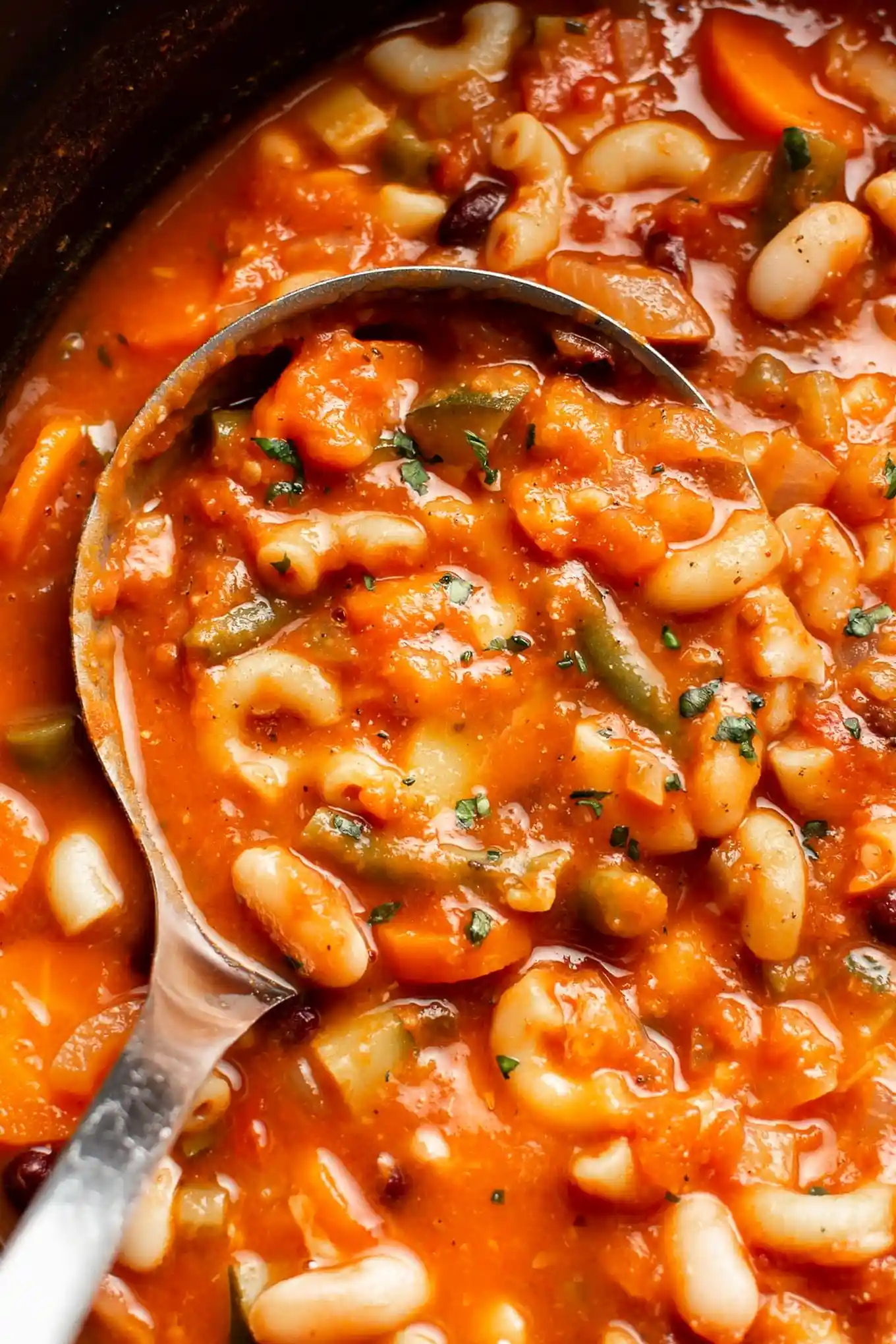
List of ingredients
- 1 tablespoon olive oil – used for sautéing the aromatic base.
- 1 tablespoon butter – adds richness to the vegetable sauté.
- 1 medium onion, chopped – provides a foundational savory flavor.
- 2 sticks celery, chopped – adds an earthy, aromatic note.
- 3 medium carrots, peeled and sliced – contributes natural sweetness.
- 3 cloves garlic, minced – delivers a pungent, aromatic depth.
- 1 (28 ounce) can crushed tomatoes – creates a thick and rich soup body.
- 4 cups chicken broth or veggie broth – the liquid base for the soup.
- 1 small zucchini, chopped – adds freshness and soft texture.
- 1 cup chopped fresh green beans – provides a nice snap and color.
- 1 (14 ounce) can red kidney beans, drained – adds protein and hearty texture.
- 1 (14 ounce) can white kidney (cannellini) beans, drained – provides a creamy contrast.
- 1/2 teaspoon Italian seasoning – a blend of dried herbs for authentic flavor.
- 3/4 cup uncooked elbow macaroni – adds substance and makes the soup filling.
- Salt and pepper to taste – essential for balancing all flavors.
- Fresh basil, optional – used for a bright, herbaceous finish.
- Freshly grated parmesan cheese, to taste – adds a salty, nutty topping.
step-by-step instructions
- Sauté Aromatics: Add the olive oil, butter, onion, celery, carrots, and garlic to a large soup pot. Sauté for 7-10 minutes over medium heat until the vegetables are softened.
- Combine Base: Stir in the crushed tomatoes, broth, zucchini, green beans, red kidney beans, white kidney beans, and Italian seasoning. Increase the heat to high and bring the mixture to a boil.
- Initial Simmer: Once the soup reaches a boil, reduce the heat to a simmer. Cover the pot with the lid slightly open and cook for 10 minutes to let flavors meld.
- Cook Pasta: Stir in the uncooked elbow macaroni. Continue simmering with the lid off for another 15-20 minutes, or until the pasta and vegetables are tender. Stir occasionally to prevent the pasta from sticking to the bottom of the pot.
- Final Seasoning: Before serving, season generously with salt and pepper. Stir in fresh basil if desired. Serve in bowls with freshly grated or shaved parmesan cheese on top. If the soup is too thick, stir in a small amount of additional broth.
Customizing Your Vegetable Selection
Incorporate Diced Potatoes for Extra Heartiness
Adding one medium peeled and diced potato can make the soup significantly more filling. The starch from the potato also helps naturally thicken the broth as it simmers. Add the potato cubes during the initial sauté phase with the carrots and celery.
Using Cabbage for Traditional Texture
Finely shredded green cabbage adds a wonderful textural contrast and a mild sweetness. It is a common addition in various regional styles of vegetable soup. Add the cabbage at the same time as the zucchini and green beans to avoid overcooking.
Adding Sweet Peas for Color
Frozen or fresh sweet peas provide a pop of bright green color and a touch of sweetness. Because they cook very quickly, stir them in during the last 5 minutes of the simmering process. This ensures they remain vibrant and do not become mushy.
Swapping Zucchini for Yellow Squash
If zucchini is unavailable, yellow summer squash is an excellent one-to-one replacement. It has a similar water content and texture, ensuring the soup’s consistency remains unchanged. Simply chop it into similar half-inch pieces for even cooking.
Optimizing the Broth and Flavor
Utilize a Parmesan Rind for Umami Depth
If you have a leftover rind from a block of parmesan cheese, drop it into the pot during the simmering stage. The rind releases a deep, salty umami flavor that elevates the entire broth. Remember to remove the rind before serving the soup.
Adding Tomato Paste for Richer Body
For a more concentrated tomato flavor, stir in one tablespoon of tomato paste after sautéing the aromatics. This adds a layer of richness and a deeper red color to the final dish. This is particularly useful if you are using diced tomatoes instead of crushed tomatoes.
Choosing the Right Broth Base
While chicken broth offers a classic savory taste, vegetable broth is ideal for a fully plant-based version. For maximum flavor, use a low-sodium variety so you can control the salt levels yourself. High-quality bone broth can also add extra protein and a silkier mouthfeel.
Enhancing Savory Notes with Smoked Paprika
To add a smoky, savory depth without using meat products, stir in a pinch of smoked paprika. This provides a complex, woody flavor that mimics a slow-cooked meat base. Add this spice during the sautéing process to toast it slightly in the oil.
Selecting the Best Pasta Shapes
Switching to Ditalini for Authenticity
Ditalini is the traditional choice for minestrone due to its very small, tube-like shape. It fits perfectly on a spoon and distributes evenly throughout the soup. Use the same 3/4 cup measurement as you would for elbow macaroni.
Using Orzo for a Lighter Texture
Orzo is a rice-shaped pasta that creates a more refined and cohesive texture in the soup. Because it is smaller, it may cook slightly faster than elbow macaroni. Keep a close eye on the pot and test the pasta 2-3 minutes before the timer ends.
Trying Small Shells for Better Sauce Adhesion
Small conchiglie (shells) are excellent for trapping the thick tomato broth inside their curves. This provides a burst of flavor in every bite of pasta. Ensure you stir frequently, as the curved surfaces can sometimes clump together.
Storage and Preservation Guide
Managing Pasta Absorption in the Fridge
Pasta continues to absorb liquid even after the soup has cooled, which often results in a thick, stew-like consistency the next day. To prevent this, store the pasta in a separate container from the vegetable base. Add the cooked pasta back into the soup only when reheating.
Reheating Leftovers to Original Consistency
When reheating minestrone, it is common for the soup to appear too thick due to the starch in the beans and pasta. Add a splash of chicken or vegetable broth or water to the pot during reheating. This restores the original soup consistency and prevents the bottom from burning.
Freezing Strategy for Long-Term Storage
To freeze minestrone, omit the pasta entirely during the initial cook. Freeze the vegetable and bean base in airtight containers or freezer bags for up to three months. Thaw the base in the fridge and simmer it on the stove, adding fresh pasta during the final stage of heating.
Proper Container Selection for Storage
Use glass airtight containers to maintain the flavor and prevent the soup from absorbing odors from the refrigerator. Leave a small amount of headspace at the top of the container if freezing to allow for expansion. Label the containers with the date to ensure freshness.
Serving Ideas and Pairings
Pairing with Crusty Artisan Breads
A toasted slice of sourdough or a warm French baguette is the perfect accompaniment for soaking up the tomato broth. Rub a raw garlic clove on toasted bread for an extra layer of flavor. Serve the bread on the side or as a base for a crostini.
Complementing with a Crisp Side Salad
Balance the richness of the soup with a fresh green salad tossed in a light vinaigrette. A simple mix of arugula, cherry tomatoes, and a lemon-olive oil dressing provides a refreshing contrast. This turns the soup into a complete, balanced meal.Garnishing for Professional Presentation
Beyond the parmesan cheese, a drizzle of high-quality extra virgin olive oil on top of each bowl adds a luxurious finish. Add a few whole small basil leaves for a pop of color. A crack of fresh black pepper just before serving enhances the aromatic profile.
Troubleshooting Common Issues
Preventing Mushy Vegetables
If your vegetables are becoming too soft, ensure you are adding them in the correct order. Harder vegetables like carrots should be sautéed first, while softer ones like zucchini should be added later. Avoid over-boiling the soup; a gentle simmer is key to maintaining structure.
Fixing an Overly Acidic Tomato Taste
If the crushed tomatoes make the soup taste too acidic, add a small pinch of sugar or a teaspoon of honey. This neutralizes the sharpness of the tomatoes without making the soup taste sweet. Stir it in during the final seasoning stage and taste again.
Avoiding Sticking Pasta
Pasta can stick to the bottom of the pot if it is not stirred frequently during the last 20 minutes of cooking. Use a flat-bottomed wooden spoon to gently scrape the bottom of the pot every few minutes. If you notice clumping, add a small amount of broth to loosen the pasta.
Balancing Too Much Salt
If you accidentally over-salt the soup, add more unsalted broth or a peeled, halved potato. The potato can help absorb some of the excess salt as it simmers. Alternatively, adding a squeeze of fresh lemon juice can help mask the saltiness by adding a bright acidity.
Frequently Asked Questions
Can I make this recipe vegan?
Yes, you can make this soup vegan by replacing the butter with olive oil and omitting the parmesan cheese. Use vegetable broth instead of chicken broth for the liquid base. For a cheesy flavor, use nutritional yeast or a plant-based parmesan alternative.
Which type of beans are best for minestrone?
A combination of red kidney beans and cannellini beans is traditional because it provides a mix of colors and textures. However, you can use chickpeas or great northern beans as substitutes. Ensure all canned beans are thoroughly drained and rinsed to remove excess sodium.
Can I use a pressure cooker for this recipe?
Yes, this recipe adapts well to a pressure cooker. Sauté the aromatics using the sauté function, then add all ingredients except the pasta and cook under high pressure for 5-10 minutes. Quick release the pressure, then stir in the pasta and simmer normally until tender.
How do I keep the vegetables from disappearing in the soup?
The key is to cut the vegetables into uniform, medium-sized pieces rather than mincing them too small. This ensures they hold their shape during the simmering process. Cut carrots and zucchini into roughly half-inch chunks for the best visual and textural result.
Print
Hearty Classic Minestrone Soup
- Total Time: 55 minutes
- Yield: 6 servings 1x
- Diet: Vegetarian
Description
This minestrone soup recipe is loaded with vegetables, beans, and pasta in a delicious tomato broth. This classic soup is nourishing, easy to make, and makes amazing leftovers!
Ingredients
- 1 tablespoon olive oil
- 1 tablespoon butter
- 1 medium onion, chopped
- 2 sticks celery, chopped
- 3 medium carrots, peeled & sliced
- 3 cloves garlic, minced
- 1 (28 ounce) can crushed tomatoes
- 4 cups vegetable broth
- 1 small zucchini, chopped
- 1 cup chopped fresh green beans
- 1 (14 ounce) can red kidney beans, drained
- 1 (14 ounce) can white kidney (cannellini) beans, drained
- 1/2 teaspoon Italian seasoning
- 3/4 cup uncooked elbow macaroni
- Salt & pepper, to taste
- Fresh basil, optional, to taste
- Freshly grated parmesan cheese, to taste
Instructions
- Step: Add the oil, butter, onion, celery, carrots, and garlic to a large soup pot. Sauté for 7-10 minutes over medium heat.
- Step: Stir in the crushed tomatoes, broth, zucchini, green beans, red kidney beans, white kidney beans, and Italian seasoning. Increase the heat to high, and bring it to a boil.
- Step: Once the soup is boiling, reduce the heat so it’s simmering and cover the pot with the lid slightly open and cook for 10 minutes.
- Step: Stir in the pasta. Continue simmering the soup for another 15-20 minutes or until the pasta and veggies are tender. Stir occasionally to stop the pasta from sticking to the bottom.
- Step: Before serving, season to taste with salt & pepper, stir in the basil (if using), and serve each bowl with some parmesan cheese grated/shaved over top.
Notes
The pasta will soak up the broth the longer you leave it; you may need to add more broth to leftovers. If freezing the bulk of the soup, cook the pasta separately and add it when reheating. Chop vegetables quite small to ensure they cook properly within the timeframes.
- Prep Time: 15 minutes
- Cook Time: 40 minutes
- Category: Soup
- Method: Simmering
- Cuisine: Italian
Nutrition
- Serving Size: 1 serving
- Calories: 299 kcal
- Sugar: 11 g
- Sodium: 974 mg
- Fat: 6 g
- Saturated Fat: 2 g
- Unsaturated Fat: 4 g
- Trans Fat: 0 g
- Carbohydrates: 51 g
- Fiber: 12 g
- Protein: 14 g
- Cholesterol: 5 mg