This rich garlic butter shrimp pasta is a sophisticated yet simple meal that comes together quickly. It features tender seafood and a creamy parmesan sauce perfect for a fancy dinner at home.
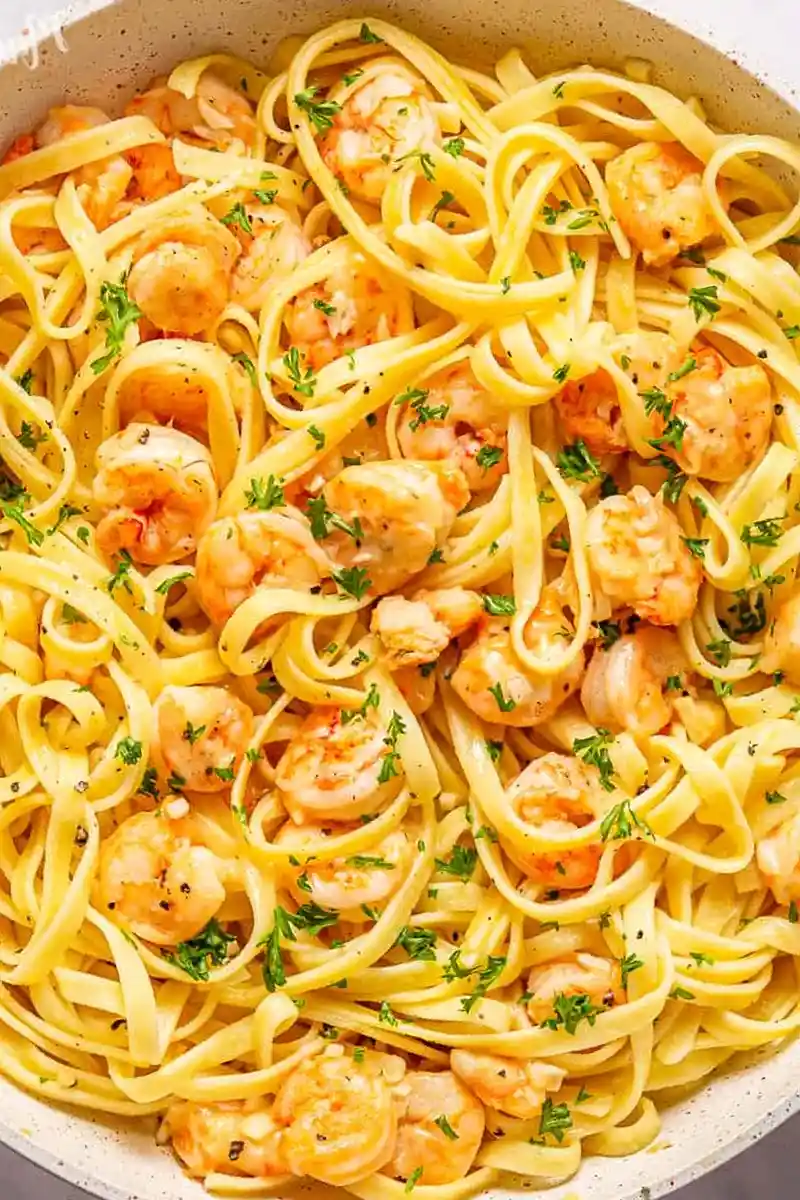
List of ingredients
- 12 oz Fettuccine – use a high-quality durum wheat pasta for best texture.
- 1 lb Shrimp – peeled and deveined, tails left on for presentation.
- 4 clove Garlic – finely minced to distribute flavor evenly.
- 1/2 cup Parmesan Cheese – freshly grated for a smoother melt.
- 4 tbsp Butter – unsalted is preferred to control the sodium levels.
- 1/4 Juice of Lemon – freshly squeezed from about a quarter of a lemon.
- 1/4 Lemon Zest – finely grated peel for a bright citrus aroma.
- 2 tbsp Cooking Oil – a neutral oil like canola or vegetable oil.
- Sea Salt – used for seasoning and boiling the pasta water.
- Black Pepper – freshly cracked for a bold, spicy note.
step-by-step instructions
- Boil Pasta: Cook fettuccine in a large pot of boiling salted water until al dente. Drain the pasta well and set it aside for later.
- Sauté Garlic: Heat cooking oil in a pan over medium heat. Add minced garlic and cook for approximately 2 minutes until it becomes fragrant.
- Cook Shrimp: Melt the butter in the same pan. Add the shrimp and stir occasionally for 4-6 minutes until they turn opaque white with a pink hue.
- Create Sauce: Add lemon juice, lemon zest, parmesan cheese, salt, and black pepper. Stir continuously until the parmesan cheese has melted into a smooth sauce.
- Combine: Transfer the cooked fettuccine into the pan with the shrimp sauce. Stir until the pasta is evenly distributed and coated.
- Finish: Garnish the dish with fresh chopped parsley before serving immediately.
Mastering the Cooking Process
Selecting the Right Pot for Pasta
Use a large pot with at least 4-6 quarts of water to ensure the fettuccine has room to move. This prevents the noodles from clumping together and ensures they cook evenly throughout.
Preventing Garlic from Burning
Keep the heat at a steady medium level when sautéing garlic. If the garlic turns dark brown or black, it becomes bitter, so remove it from the heat as soon as it smells fragrant.
Identifying Perfectly Cooked Shrimp
Watch for the shrimp to curl into a ‘C’ shape and turn opaque pink. If they curl tightly into an ‘O’ shape, they are likely overcooked and will have a rubbery texture.
Emulsifying the Butter and Cheese
Stir the parmesan cheese and lemon juice quickly into the melted butter. This creates a cohesive emulsion that clings to the pasta rather than separating into a greasy pool.
Ingredient Substitutions and Options
Alternative Pasta Shapes
While fettuccine is traditional, you can use linguine or spaghetti for a similar experience. For a different texture, try penne or shell pasta, which hold the creamy sauce inside the ridges.
Using Frozen Shrimp
If using frozen shrimp, thaw them completely in the refrigerator overnight or under cold running water. Pat them dry with paper towels before cooking to prevent the sauce from becoming watery.
Cheese Alternatives
If you do not have parmesan, Pecorino Romano is a great salty substitute. For a dairy-free version, use nutritional yeast or a plant-based parmesan alternative to maintain the savory flavor.
Different Cooking Fats
You can replace the cooking oil with extra virgin olive oil for a fruitier taste. If you prefer a richer sauce, you can increase the butter ratio and omit the oil entirely.
Flavor Enhancements and Variations
Adding a Spicy Kick
Stir in a half teaspoon of red pepper flakes during the garlic sauté process. This adds a subtle heat that balances the richness of the butter and parmesan cheese.
Incorporating Fresh Vegetables
Add a handful of baby spinach or frozen peas during the last two minutes of cooking the shrimp. These greens add color and nutritional value without altering the core flavor profile.
Increasing Citrus Brightness
For a more acidic profile, increase the lemon juice to a half lemon. This is particularly useful if you are using a very high-fat butter or a large amount of cheese.
Using Different Fresh Herbs
If parsley is unavailable, fresh basil or chopped chives make excellent garnishes. Basil adds a sweet, peppery note, while chives provide a mild onion flavor.
Serving and Plating Advice
Creating a Restaurant-Style Presentation
Use a carving fork and a large spoon to twirl the pasta into a high mound in the center of the plate. Arrange the shrimp on top of the pasta nest for a professional look.
Best Side Dish Pairings
Serve this dish with a side of toasted garlic bread to soak up the remaining butter sauce. A light arugula salad with a lemon vinaigrette also provides a fresh contrast to the creamy pasta.
Beverage Pairing Suggestions
Pair this meal with sparkling water with a lime wedge or a chilled iced tea. The acidity in these drinks helps cleanse the palate between bites of the rich sauce.
Storage and Preservation
Proper Refrigeration Methods
Store leftovers in an airtight container in the refrigerator for up to three days. Keep the pasta and shrimp together to ensure the flavors continue to meld.
Effective Reheating Techniques
Reheat the pasta on the stovetop over low heat with a splash of water or vegetable broth. This restores the creaminess of the sauce without overcooking the shrimp.
Avoiding Microwave Overheating
If using a microwave, heat the dish in short 30-second intervals, stirring in between. This prevents the shrimp from becoming tough and the cheese from separating.
Make-Ahead Preparation Tips
Prepping Seafood in Advance
Peel and devein your shrimp several hours before cooking and store them in a sealed container. This reduces the actual cooking time to under 20 minutes.
Preparing the Aromatics
Mince the garlic and zest the lemon ahead of time. Store the minced garlic in a small jar with a bit of oil to keep it fresh until you are ready to sauté.
Par-boiling Pasta for Speed
Cook the pasta for two minutes less than the package directions and toss it with a teaspoon of oil. This allows you to quickly finish the pasta in the pan with the sauce later.
Troubleshooting Common Issues
Fixing a Sauce That Is Too Thick
If the sauce becomes too thick or sticky, add a tablespoon of the reserved pasta cooking water. The starch in the water helps loosen the sauce and makes it glossy.
Correcting Overly Salty Pasta
If the dish tastes too salty, add a small squeeze of extra lemon juice or a pinch of sugar. The acidity or sweetness helps neutralize the excess sodium from the cheese.
Handling Separated Butter Sauce
If the butter separates from the cheese, lower the heat and whisk vigorously. Adding a small amount of pasta water can also help bind the fats and solids back together.
Frequently Asked Questions
Can I use prawns instead of shrimp?
Yes, prawns can be used interchangeably with shrimp in this recipe. Since prawns are often larger, you may need to increase the cooking time by one or two minutes.
Should I leave the tails on the shrimp?
Leaving the tails on is recommended for better presentation and a more professional look. However, you can remove them entirely for easier eating.
How do I know when the shrimp are fully cooked?
The shrimp are done when they change from a translucent gray to an opaque pinkish-white. They should feel firm to the touch but not hard.
Can I make this recipe without butter?
You can use olive oil or a plant-based butter substitute. Keep in mind that traditional butter provides a specific richness and flavor that defines this dish.
Is it possible to use a different type of cheese?
Yes, you can use Pecorino Romano or Grana Padano. Ensure the cheese is finely grated so that it melts quickly into the sauce without clumping.
What is the best way to devein shrimp?
Make a shallow slit along the back of the shrimp with a small knife. Use the tip of the knife to lift out the dark vein and rinse under cold water.
Can I add cream to the sauce?
Adding a splash of heavy cream will make the sauce even richer and more velvety. If you do this, reduce the amount of butter slightly to maintain balance.
Which lemon is best for this recipe?
Use a fresh Eureka or Lisbon lemon for the best balance of acidity and aroma. Avoid bottled lemon juice, as it lacks the brightness of fresh zest.
} Print
Creamy Garlic Butter Shrimp Pasta
- Total Time: 60 minutes
- Yield: 5 servings 1x
- Diet: General
Description
A creamy and rich Garlic Butter Shrimp Pasta featuring tender fettuccine, succulent shrimp, and a bright touch of lemon and parmesan cheese.
Ingredients
- 12 oz Fettuccine
- 1 lb Shrimp
- 4 clove Garlic
- ½ cup Parmesan Cheese
- 4 tbsp Butter
- ¼ Juice of Lemon
- ¼ Lemon Zest
- 2 tbsp Cooking Oil
- Sea Salt
- Black Pepper
Instructions
- Step 1: In a large pot boiling salted water, cook fettuccine pasta until al dente, drain well then set aside.
- Step 2: In a pan, heat cooking oil over medium heat. Cook garlic until fragrant for 2 minutes.
- Step 3: Melt butter in the same pan then cooks shrimp. Stir occasionally until the shrimp turn opaque white with some pink for about 4-6 minutes.
- Step 4: Add lemon juice, lemon zest, parmesan cheese, salt, and black pepper. Stir until combined and the parmesan cheese melted.
- Step 5: Transfer the fettuccine into a pan, stir until evenly distributed.
- Step 6: Garnish with parsley before serving.
Notes
Prepare ingredients before cooking to ensure the process remains fast. Use a mixture of butter and oil to prevent the butter from burning. Avoid overcooking shrimp to prevent them from becoming chewy; cook until opaque pink.
- Prep Time: 15 minutes
- Cook Time: 45 minutes
- Category: Main Course
- Method: Sautéing
- Cuisine: American
Nutrition
- Serving Size: 1 serving
- Calories: 580 kcal
- Sugar: 4 g
- Sodium: 850 mg
- Fat: 26 g
- Saturated Fat: 13 g
- Unsaturated Fat: 12 g
- Trans Fat: 0 g
- Carbohydrates: 48 g
- Fiber: 3 g
- Protein: 36 g
- Cholesterol: 210 mg