Achieve a restaurant-quality dinner with these golden-brown chicken cutlets paired with a silky lemon rosemary butter sauce. This meal is designed for efficiency, taking under 40 minutes from preparation to plate.
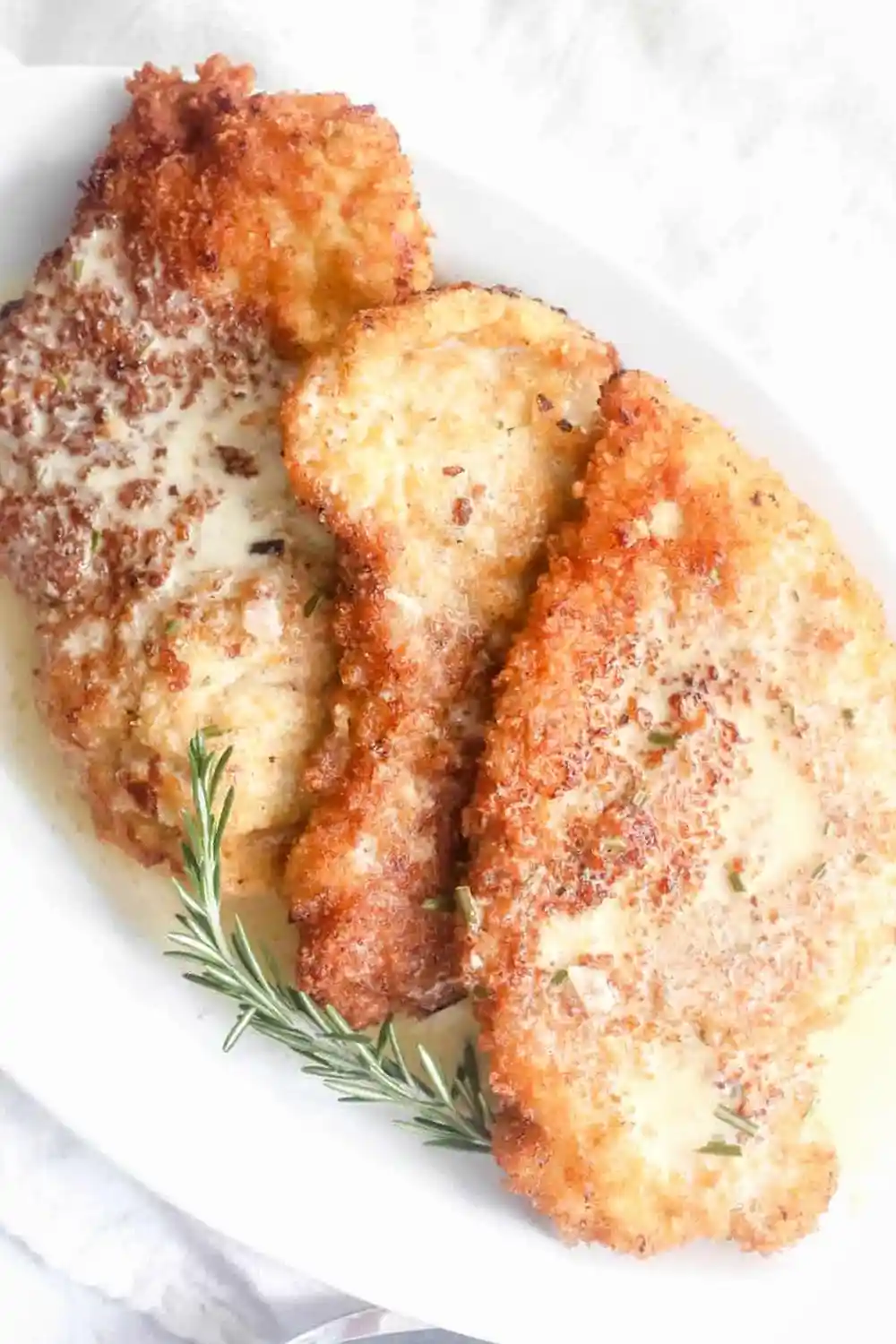
List of ingredients
- 1 cup flour – used for the first dredging layer.
- 3 eggs – whisked thoroughly to bind the breading.
- 1 1/2 cups panko bread crumbs – provides a superior crunch compared to standard crumbs.
- 4 thin boneless chicken breasts – ensures fast and even cooking.
- 1/2 cup canola oil – chosen for its neutral flavor and high smoke point.
- 2 tbsp olive oil – for sautéing sauce aromatics.
- 1 shallot, diced – adds a mild, sweet onion base to the sauce.
- 2 garlic cloves, minced – provides aromatic depth.
- 1/2 cup vegetable broth – a non-alcoholic base for the sauce reduction.
- 1 lemon – used for fresh juice to add acidity.
- 1 tbsp capers – introduces salty, briny pops of flavor.
- 1 sprig rosemary, finely chopped – adds a woody, herbal note.
- 2 sticks cold butter – essential for emulsifying the sauce.
- 1/2 cup heavy cream – creates a rich, velvety texture.
step-by-step instructions
- Prepare dredging stations: Place the flour, whisked eggs, and panko bread crumbs into three separate bowls. Season both sides of the chicken cutlets with salt and pepper.
- Coat the chicken: Heat canola oil in a medium to large skillet over medium-high heat. Dredge each cutlet in flour (shake off excess), then dip in the egg mixture, and finally coat thoroughly with panko on both sides.
- Fry the cutlets: Place the breaded chicken in the hot skillet. Cook for 5-7 minutes per side until the exterior is golden brown and the meat is cooked through.
- Rest and warm: Transfer cooked cutlets to a wire rack and sprinkle with additional salt and black pepper. Keep them in a warm oven until the sauce is finished.
- Sauté aromatics: In a medium shallow saute pan, heat olive oil over low to medium heat. Sauté diced shallots for 3-5 minutes until translucent, then add minced garlic and cook for another 2 minutes.
- Reduce liquid: Pour in the vegetable broth and allow it to simmer and reduce for about 5 minutes.
- Add flavors: Stir in the seedless lemon juice, capers, and chopped rosemary. Reduce the heat to a low simmer.
- Finish the sauce: Gradually add the cold butter, allowing it to melt slowly into the mixture. Whisk in the heavy cream until the sauce is smooth and well combined.
- Serve: Strain the sauce into a serving dish if desired. Season with salt and pepper, then pour over the crispy chicken cutlets.
Pro Techniques for Maximum Crispiness
Pound the Chicken for Uniform Thickness
Use a meat mallet or rolling pin to flatten the chicken breasts to an even thickness. This ensures that the edges do not overcook or burn before the center reaches the safe internal temperature. Uniform cutlets also cook faster and more consistently across the pan.
Maintain High Oil Temperature
Ensure the oil is shimmering or bubbling slightly before adding the chicken. If the oil is too cool, the breading will absorb the fat, resulting in a greasy and soggy crust. A hot pan sears the panko immediately, locking in juices and creating a crisp shell.
Avoid Overcrowding the Skillet
Fry the cutlets in batches rather than filling the entire pan. Overcrowding drops the oil temperature rapidly, which prevents the breading from crisping properly. Leave enough space between each piece for steam to escape, which keeps the coating dry.
Utilize a Wire Cooling Rack
Never place freshly fried chicken directly onto a flat plate or paper towel for long periods. Resting the cutlets on a wire rack allows air to circulate underneath, preventing the bottom from steaming and becoming soft. This preserves the crunch from all angles.
Mastering the Lemon Rosemary Butter Sauce
Incorporate Cold Butter Slowly
Adding butter while it is cold prevents the sauce from breaking or separating. The gradual melting process creates a stable emulsion with the liquid, resulting in a thick, glossy consistency. Avoid adding melted butter, as it will not bind as effectively with the cream and broth.
Control the Heat During Emulsification
Keep the sauce on low to medium heat and avoid letting it reach a rolling boil once the butter and cream are added. Excessive heat can cause the dairy to separate, leaving you with an oily sauce. A gentle simmer is sufficient to integrate the flavors.
Straining for a Professional Finish
While optional, straining the sauce through a fine-mesh sieve removes the bits of shallot and garlic. This results in a perfectly smooth, velvety texture typical of high-end restaurant sauces. If you prefer a rustic feel, you can leave the aromatics in.
Suggested Ingredient Substitutions
Alternative Breading Options
If panko is unavailable, you can use standard breadcrumbs, though the texture will be denser and less airy. For a gluten-free version, replace the flour with cornstarch and use gluten-free breadcrumbs or almond meal. Ensure the binding egg step is thorough to prevent peeling.
Replacing Canola Oil
Avocado oil or grapeseed oil are excellent alternatives due to their high smoke points. Avoid using extra virgin olive oil for the frying stage, as it can burn and impart a bitter taste at the high temperatures required for breading. Keep olive oil for the sauce sauté.
Herb Variations
While rosemary provides a bold, piney flavor, fresh thyme or sage can be used for a different aromatic profile. Sage pairs exceptionally well with butter and lemon, while thyme offers a more subtle, floral note. Use the same quantity as the rosemary.
Complementary Side Dish Ideas
Creamy Starch Pairings
Garlic mashed potatoes are a classic choice as they soak up the excess butter sauce. Buttered noodles, lemon-infused orzo, or a creamy polenta also work well. These options balance the acidity of the lemon sauce with rich, comforting textures.
Fresh Vegetable Accompaniments
Roasted broccoli or asparagus provides a charred contrast to the silky sauce. A crisp arugula salad with a light vinaigrette can cut through the richness of the butter and cream. Steamed green beans with slivered almonds also add a nice textural variety.
Light Grains and Bases
Couscous or cauliflower rice are excellent for those seeking a lighter meal. These bases absorb the sauce without feeling too heavy. A piece of toasted crusty baguette is highly recommended for cleaning the remaining sauce from the plate.
Storage and Reheating Guidelines
Proper Storage Methods
Store leftover chicken cutlets and sauce in separate airtight containers in the refrigerator. Keeping them separate prevents the breading from absorbing the sauce and becoming soggy during storage. They will remain fresh for up to three days.
Reheating for Maximum Texture
To maintain the crunch, reheat the chicken in an oven or air fryer at 350°F (175°C) for a few minutes until warmed through. Avoid the microwave, as it will make the breading rubbery. Reheat the sauce in a small saucepan over low heat, adding a splash of broth if it has thickened too much.
Troubleshooting Common Issues
Preventing Breading Separation
If the breading falls off during frying, it is usually due to excess flour or insufficient egg wash. Ensure you shake off excess flour so the egg can adhere directly to the meat. Make sure the chicken is patted dry with paper towels before starting the dredging process.
Fixing a Broken Sauce
If the sauce separates and looks oily, whisk in a tablespoon of cold heavy cream or a small knob of cold butter over very low heat. This helps re-emulsify the fats and liquids. Stirring rapidly with a whisk while keeping the heat low is the best way to restore the texture.
Avoiding Dry Chicken
Dryness often occurs when the chicken is too thick or overcooked. Always pound the meat to a uniform thickness and use a meat thermometer to ensure the internal temperature reaches 165°F (74°C). Removing the chicken as soon as it hits this temperature prevents overcooking.
Frequently Asked Questions
Can I use chicken thighs instead of breasts?
Yes, boneless skinless chicken thighs can be used. Because they are naturally fattier and more moist, they are harder to overcook. You will still need to pound them flat to ensure the breading cooks at the same rate as the meat.
What is the best oil for frying chicken cutlets?
Canola oil is recommended because it has a neutral flavor and a high smoke point. This allows the natural taste of the chicken and herbs to shine through while maintaining the heat necessary for a crispy exterior without smoking.
How do I stop the sauce from curdling?
The key is to avoid boiling the sauce once the cream and butter are added. High heat can cause the proteins in the cream to clump. Keep the temperature at a gentle simmer and whisk constantly to maintain a smooth emulsion.
Print
Crispy Lemon Rosemary Chicken Cutlets
- Total Time: 40 minutes
- Yield: 4 servings 1x
- Diet: General
Description
Discover how to make crispy, juicy chicken cutlets in under 30 minutes. Perfect for a quick and delicious weeknight meal.
Ingredients
- 1 cup flour
- 3 eggs
- 1 ½ cups panko bread crumbs
- 4 thin boneless chicken breasts
- ½ cup canola oil
- 2 tbsp olive oil
- 1 shallot, diced
- 2 garlic cloves, minced
- ½ cup vegetable broth
- 1 lemon
- 1 tbsp capers
- 1 sprig rosemary, finely chopped
- 2 sticks cold butter
- ½ cup heavy cream
Instructions
- Step 1: Add the flour, eggs, and panko bread crumbs into three separate bowls. Be sure to whisk the eggs to combine the whites and yolks. Season the chicken cutlets with salt and pepper on both sides.
- Step 2: Using a medium to a large skillet, heat the canola oil on medium-high heat. Dredge the chicken cutlets through the flour and shake off excess, then the egg mixture, and finally the panko bread crumbs on both sides.
- Step 3: Place in the hot skillet and cook on each side for 5-7 minutes until golden brown and crisp. Once the cutlets are cooked, turn to a wire rack and sprinkle with a little more salt and black pepper. Place in the oven on warm until ready to serve.
- Step 4: Using a medium shallow saute pan, heat the olive oil for the sauce on low to medium heat. Add the shallot and cook until translucent, about 3-5 minutes. Add the garlic and cook for an additional 2 minutes. Next, add the vegetable broth and allow it to cook for about 5 minutes.
- Step 5: Add the juice of a lemon (remove the seeds), capers, and rosemary. Reduce the heat to simmer. Next, add the cold butter allow it to melt, and simmer. Whisk in the heavy cream until sauce is well combined. Strain the sauce into a serving dish. Add salt and pepper as desired and serve on top of the chicken cutlets.
Notes
Pound the chicken breast thin with a meat mallet or rolling pin to ensure the cutlets are crispy. Ensure butter is cold when adding to the sauce and keep heat low to avoid breaking the sauce.
- Prep Time: 10 minutes
- Cook Time: 30 minutes
- Category: Dinner
- Method: Sear
- Cuisine: American
Nutrition
- Serving Size: 1 chicken cutlet with sauce
- Calories: 850 kcal
- Sugar: 6 g
- Sodium: 950 mg
- Fat: 62 g
- Saturated Fat: 38 g
- Unsaturated Fat: 20 g
- Trans Fat: 0 g
- Carbohydrates: 32 g
- Fiber: 2 g
- Protein: 38 g
- Cholesterol: 260 mg