This recipe transforms classic lasagna flavors into a protein-heavy main course by removing the pasta. It is a practical choice for low-carb diets and provides a hearty meal that is easy to prepare in a single baking dish.
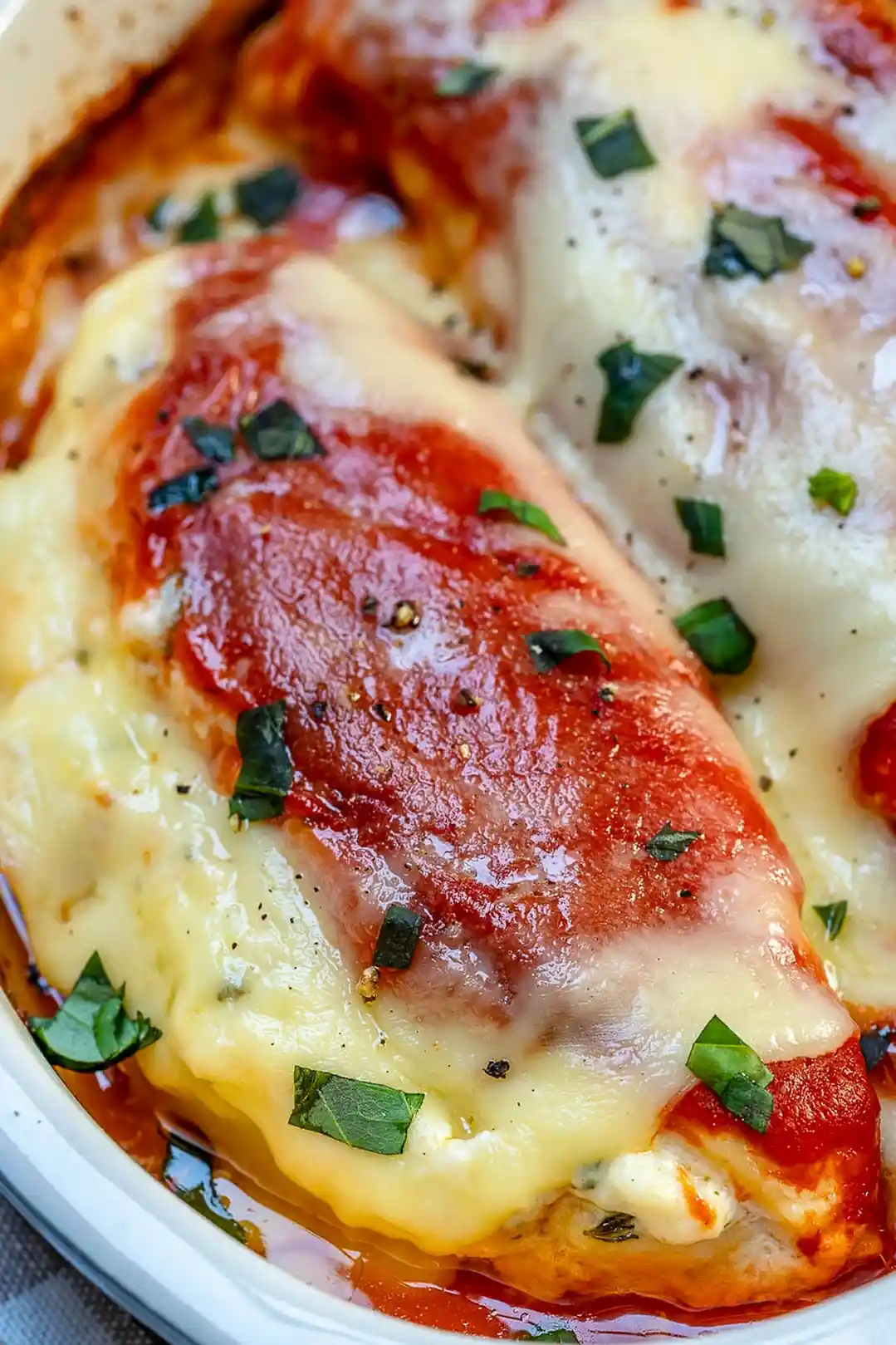
List of ingredients
- 4 chicken breasts (about 6 ounces each) – ensures uniform cooking times.
- 1 Tbsp dried oregano – adds earthy depth to the meat.
- 2 fresh garlic cloves (minced) – provides a sharp aromatic base.
- 1 cup all-natural marinara sauce – check for no added sugars.
- 1 free range egg – binds the cheese filling together.
- 1 cup ricotta cheese – creates a creamy interior.
- 1/4 cup shredded fresh parmesan cheese – adds salty, nutty notes.
- 4 thin mozzarella slices – for the melty topping.
- 2 Tbsps chopped fresh parsley – adds a fresh herbal finish.
- 1 Tbsp fresh thyme leaves – complements the savory chicken.
- 4 Tbsps fresh chopped basil (divided) – used both in filling and garnish.
- Sea salt and fresh ground black pepper – for seasoning the meat and filling.
step-by-step instructions
- Prep the Oven: Preheat the oven to 375 degrees F. Spray or brush a baking dish with cooking oil to prevent the chicken from sticking.
- Create Pockets: Using a sharp knife, cut a deep pocket into the side of each chicken breast. Be careful not to cut all the way through the opposite side.
- Season the Meat: Season each breast with sea salt, black pepper, oregano, and minced garlic. Add a tiny drizzle of olive oil and rub the seasonings into the chicken thoroughly by hand.
- Mix the Filling: In a small bowl, whisk together the egg, ricotta cheese, parmesan, fresh parsley, thyme, 2 Tablespoons of basil, and a pinch of sea salt and pepper. Mix until well combined.
- Stuff the Chicken: Distribute the ricotta mixture equally into each chicken breast pocket. Gently place the stuffed breasts into the prepared baking dish.
- Apply Sauce: Spoon the marinara sauce evenly over the top of each chicken breast.
- Initial Bake: Cover the dish with a lid or aluminum foil. Bake for about 25-30 minutes, or until the chicken is fully cooked through.
- Melt the Cheese: Remove the cover and arrange one mozzarella slice over each chicken breast. Bake uncovered for an additional 2 minutes until the cheese is melty.
- Final Touch: Sprinkle the remaining fresh chopped basil over the top before serving.
Optimizing Meat Preparation
Selecting Uniform Chicken Breasts
Choose chicken breasts that are similar in size and thickness to ensure they cook at the same rate. Using 6-ounce breasts prevents some pieces from drying out while others remain undercooked. If one breast is significantly thicker, lightly pound it to a uniform thickness before cutting the pocket.
Cutting a Clean Pocket
Use a sharp paring knife to slice horizontally into the thickest part of the breast. Carefully slide the knife forward and backward to widen the space without piercing through the bottom. A wider pocket allows for more filling and prevents the cheese from leaking out during baking.
Applying Seasonings Effectively
Rubbing the oregano, garlic, and oil directly into the meat allows the flavors to penetrate the muscle fibers. This method ensures the chicken is seasoned from the outside in, complementing the rich filling. Use your fingertips to press the garlic cloves into the meat for maximum flavor impact.
The Importance of Room Temperature Meat
Taking the chicken out of the refrigerator 15-20 minutes before cooking helps it reach a consistent internal temperature. Cold meat can cause the oven temperature to drop more sharply and may lead to uneven cooking. This small step ensures the center of the breast reaches the safe temperature without overcooking the exterior.
Cheese and Sauce Selection
Choosing the Right Ricotta
Whole milk ricotta provides a creamier texture and better stability when heated. If using part-skim ricotta, ensure it is well-drained to prevent the filling from becoming too watery. Stirring the ricotta vigorously before adding other ingredients removes clumps for a smoother consistency.
Using High-Quality Mozzarella
Opt for fresh mozzarella slices or low-moisture mozzarella for the topping. Low-moisture mozzarella browns more effectively and creates a traditional pizza-like crust. Fresh mozzarella provides a softer, creamier melt but may release more moisture into the sauce.
Selecting a Clean Marinara
Use an all-natural marinara sauce that contains only tomatoes, olive oil, and herbs. Avoid sauces with added corn syrup, sugar, or artificial thickeners to keep the recipe clean. A thicker sauce stays on top of the chicken better than a thin, watery variety.
The Role of Parmesan Cheese
Freshly shredded parmesan offers a sharper flavor than pre-grated versions that contain cellulose. The saltiness of the parmesan acts as a seasoning for the ricotta, reducing the need for extra added salt in the filling. Incorporate it thoroughly into the egg and ricotta mixture.
Herb and Seasoning Management
Using Fresh Basil for Layered Flavor
Fresh basil provides a sweetness that dried basil cannot replicate. By dividing the basil between the filling and the garnish, you create two different flavor profiles. The cooked basil in the filling becomes mellow, while the fresh garnish adds a bright, aromatic contrast.
Implementing Fresh Thyme and Parsley
Fresh thyme adds a woody, lemon-like note that cuts through the richness of the cheese. Parsley contributes a clean, peppery taste that lightens the overall flavor of the ricotta stuffing. Finely chop both herbs to ensure they are evenly distributed throughout the filling.
Balancing Dried Oregano and Fresh Garlic
Dried oregano is more concentrated than fresh, making it ideal for rubbing into the meat before baking. Freshly minced garlic provides a pungent heat that transforms into a sweet, roasted flavor in the oven. Ensure the garlic is minced very finely to avoid large, bitter chunks in the meat.
Adjusting Salt and Pepper Levels
Since parmesan and marinara sauce often contain salt, use sea salt sparingly in the stuffing. Freshly ground black pepper is preferred over pre-ground pepper for a more robust, spicy aromatic quality. Taste the filling mixture before stuffing to ensure the seasoning is balanced.
Baking and Temperature Control
The Function of the Foil Cover
Covering the dish with foil or a lid traps steam, which keeps the chicken breasts moist during the long cooking process. This prevents the top of the chicken from burning before the center is cooked through. Remove the cover only for the final two minutes to brown the mozzarella.
Determining Meat Doneness
Use a meat thermometer to ensure the chicken has reached an internal temperature of 165 degrees F. Insert the probe into the thickest part of the breast, avoiding the cheese filling for an accurate reading. Overcooking chicken breasts leads to a rubbery texture and dry meat.
Managing Oven Hot Spots
Every oven has areas that are hotter than others, which can lead to uneven browning. Rotate the baking dish 180 degrees halfway through the cooking time to ensure all chicken breasts are exposed to equal heat. This is especially important in convection ovens with strong fans.
The Final Melting Phase
The final uncovered bake is strictly for melting the cheese and intensifying the colors. Keep a close eye on the mozzarella, as it can go from melted to burnt in under a minute. Use the broiler setting for 30-60 seconds if you prefer a charred, bubbly cheese topping.
Dietary Adjustments and Substitutions
Dairy-Free Filling Alternatives
Replace ricotta with a mixture of mashed firm tofu and nutritional yeast for a similar texture and savory taste. Use a cashew-based mozzarella alternative for the topping to maintain the cheesy experience. Ensure the dairy-free cheese is specifically formulated for melting.
Egg Substitutes for Binding
If you cannot use eggs, a tablespoon of ground flaxseed mixed with three tablespoons of water can act as a binder. Alternatively, a small amount of cornstarch or arrowroot powder mixed into the ricotta can help hold the filling together. This prevents the cheese from oozing out entirely during baking.
Low-Sodium Sauce Options
Substitute standard marinara with home-made tomato puree seasoned with garlic and basil to control salt intake. You can also use crushed canned tomatoes and simmer them with a splash of olive oil and herbs. This reduces the reliance on processed preservatives.
Alternative Poultry Cuts
While breasts are traditional, thick-cut chicken thighs can be used for a juicier result. Thighs require a slightly longer cooking time and are more forgiving if slightly overcooked. The pocket method still works, though you may need to adjust the stuffing volume.
Serving and Presentation
Recommended Side Dish Pairings
Serve these chicken breasts with roasted zucchini or sautéed spinach to keep the meal low-carb. A side of cauliflower mash provides a creamy accompaniment that mimics mashed potatoes. For a lighter option, a fresh garden salad with a lemon vinaigrette balances the richness of the cheese.
The Importance of Resting Meat
Allow the chicken to rest for 5-10 minutes after removing it from the oven. This allows the juices to redistribute throughout the meat and the cheese filling to set. Cutting into the chicken immediately can cause the filling to spill out and the juices to run.
Plating for Visual Appeal
Place each chicken breast in the center of a wide plate and spoon extra marinara sauce around the base. The contrast of the red sauce against a white plate makes the melted mozzarella pop. Add an extra sprig of fresh basil on top for a professional look.
Garnishing Techniques
Beyond the basil, a light sprinkle of red pepper flakes can add a hint of heat to the dish. A drizzle of high-quality extra virgin olive oil over the finished plate enhances the richness. A pinch of fresh parmesan shavings can add a final layer of texture.
Storage and Reheating
Refrigerator Storage Guidelines
Store leftover stuffed chicken in an airtight container in the refrigerator for up to three days. Ensure the chicken is completely cooled before sealing the container to prevent condensation. Condensation can make the cheese topping soggy and the meat soft.
Freezing Stuffed Chicken
You can freeze the stuffed chicken breasts before baking by wrapping them individually in parchment paper and then foil. To cook from frozen, thaw them completely in the refrigerator for 24 hours before following the baking instructions. Do not bake directly from frozen, as the center will not cook through.
Oven Reheating Method
To maintain the texture, reheat leftovers in the oven at 325 degrees F until heated through. Cover the dish with foil to prevent the chicken from drying out during the process. This method preserves the integrity of the cheese and the moistness of the meat.
Microwave Reheating Tips
If using a microwave, heat the chicken on medium power in short intervals. This prevents the proteins from toughening and keeps the cheese from becoming oily. Add a teaspoon of water to the dish to create steam and keep the meat tender.
Troubleshooting Common Issues
Dealing with Leaking Stuffing
If the cheese filling leaks out, it is often because the pocket was too large or the filling was too wet. To prevent this, ensure your ricotta is well-drained and the egg is fully incorporated. You can also use a toothpick to pin the edge of the pocket closed.
Preventing Dry Chicken Breasts
Dry chicken is usually the result of overcooking or using breasts that are too lean. Always use a meat thermometer to stop cooking at 165 degrees F. Adding a small amount of olive oil to the rub also helps seal in moisture.
Fixing Watery Filling
If the ricotta mixture seems too liquid, stir in an extra tablespoon of parmesan or a teaspoon of cornstarch. This thickens the consistency and ensures the filling stays put. Avoid adding extra liquid flavorings like lemon juice directly into the cheese mix.
Handling Cheese That Won’t Melt
If the mozzarella is not melting, your oven temperature may be too low. Ensure the oven is fully preheated before adding the cheese. For a quicker melt, use the broiler for the final 60 seconds of cooking.
Frequently Asked Questions
Can I use frozen chicken breasts for this recipe?
Yes, but they must be completely thawed before you start. Attempting to cut pockets into frozen or partially frozen meat is dangerous and will result in uneven cooking.
How do I know when the chicken is fully cooked?
The most reliable method is using a meat thermometer to reach 165 degrees F. You can also check if the juices run clear when the thickest part of the meat is pierced.
Can I make this in an air fryer?
Yes, air fry at 375 degrees F for about 15-20 minutes, flipping halfway if necessary. Be careful with the marinara and cheese, as they may splatter or blow off the meat in a high-airflow environment.
Can I substitute cottage cheese for ricotta?
You can, but cottage cheese has a higher water content and a different texture. It is recommended to blend the cottage cheese in a food processor first to achieve a smooth, ricotta-like consistency.
Print
Lasagna-Style Stuffed Chicken Breasts
- Total Time: 47 minutes
- Yield: 4 servings 1x
- Diet: Low Carb
Description
Enjoy all the flavors and satisfaction of lasagna without the heavy carbs in these clean-eating, cheese-stuffed chicken breasts.
Ingredients
- 4 chicken breasts, about 6 ounces each
- 1 Tbsp dried oregano
- 2 fresh garlic cloves, minced
- 1 cup all-natural marinara sauce
- 1 free range egg
- 1 cup microbial-rennet ricotta cheese
- 1/4 cup shredded microbial-rennet parmesan cheese
- 4 thin microbial-rennet mozzarella slices
- 2 Tbsps chopped fresh parsley
- 1 Tbsp fresh thyme leaves
- 4 Tbsps fresh chopped basil, divided
- sea salt and fresh ground black pepper
- cooking oil or olive oil
Instructions
- Preheat: Preheat the oven to 375 degrees f. and spray, or brush a baking dish with cooking oil.
- Prep Chicken: Using a sharp knife cut a deep pocket into the side of each chicken breast.
- Season: Season with a touch of sea salt, black pepper, oregano, garlic and add a tiny drizzle of olive oil. Using your hands rub the seasonings/oil into the chicken very well.
- Mix Filling: In a small bowl whisk the egg together with ricotta cheese, parmesan, fresh parsley, thyme, 2 Tablespoons of basil, and a pinch of sea salt and pepper. Whisk well to combine mixture.
- Stuff: Stuff the ricotta mixture equally into each chicken breast pocket that you created, then gently place the stuffed breasts into the prepared dish.
- Top with Sauce: Spoon marinara evenly over the chicken breasts.
- Bake: Cover with a lid, or foil and bake for about 25-30 minutes, or until chicken is cooked through.
- Melt Cheese: Arrange the mozzarella slices over each chicken breast and bake uncovered for an additional 2 minutes, or until cheese is melty.
- Garnish: Sprinkle with fresh chopped basil and enjoy!
Notes
Ensure your chosen marinara sauce has no added sugar to keep this recipe clean-eating and low-carb.
- Prep Time: 15 minutes
- Cook Time: 32 minutes
- Category: Main Course
- Method: Baking
- Cuisine: Italian-American
Nutrition
- Serving Size: 1 stuffed chicken breast
- Calories: 560 kcal
- Sugar: 6 g
- Sodium: 880 mg
- Fat: 22 g
- Saturated Fat: 12 g
- Unsaturated Fat: 10 g
- Trans Fat: 0 g
- Carbohydrates: 12 g
- Fiber: 3 g
- Protein: 68 g
- Cholesterol: 210 mg