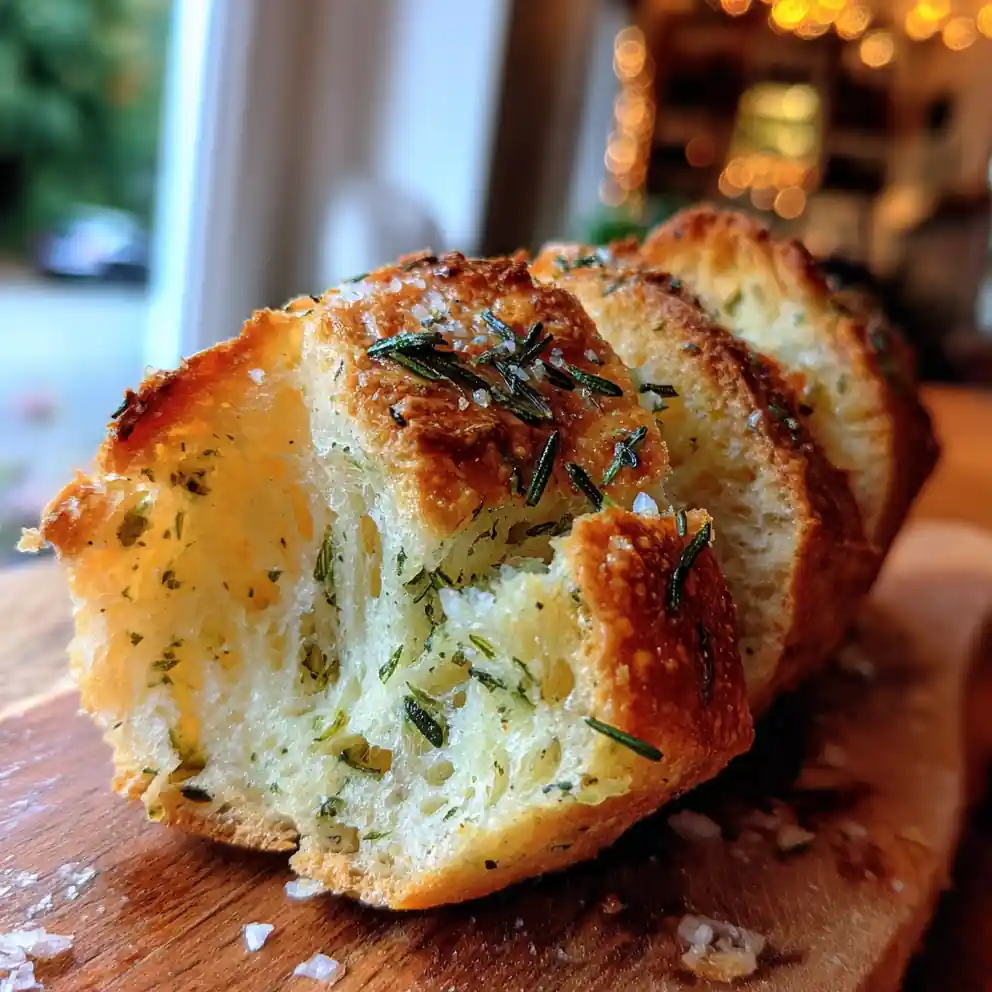
I’ve tried countless fast bread recipes, but finding one that delivers a genuinely crispy crust on a tight schedule is a challenge. This quick french baguette recipe delivers exactly that—a tender, airy interior and a satisfyingly crisp crust, all infused with sweet roasted garlic and aromatic rosemary. It’s the perfect side dish for family dinners, and with streamlined methods using instant yeast, you don’t need all day to achieve bakery-quality results. Get ready to impress your family with a fresh, warm baguette straight from your oven in under two hours.
Ingredients
- 300 g (2 ½ cups) strong bread flour, plus more for dusting. Use high-protein bread flour (12% protein or higher) for the best gluten development and chewy texture, unlike all-purpose flour which results in a flatter loaf. Measure flour by weight for accuracy; if using volume measurements, spoon lightly into the cup and level off to avoid packing. Sifting the flour beforehand helps create a lighter, fluffier crumb in the finished bread.
- 220 ml (7/8 cup) warm water (38-43°C / 100-110°F). The warm temperature is critical for activating the yeast and ensuring a consistent rise; water that is too hot will kill the yeast, while water that is too cool will drastically slow down the process. Use a kitchen thermometer to ensure accuracy if possible, or test by touch—it should feel pleasantly warm, not hot.
- 5 g (1 ½ teaspoons) instant yeast. Instant yeast is a key component of this french baguette recipe quick, as it allows for a faster rise time without requiring pre-activation (though we bloom it briefly here to confirm activity). Ensure your yeast is fresh by checking the expiration date; old yeast will result in a flat, dense baguette.
- 6 g (1 teaspoon) fine sea salt. Salt controls the yeast activity and strengthens the gluten structure while adding essential flavor; without salt, the bread will taste bland and rise too rapidly, resulting in a poor texture. Do not add the salt directly on top of the yeast during mixing; place flour in between them to prevent inhibiting the yeast.
- 30 ml (2 tablespoons) olive oil, divided (1 tbsp for dough, 1 tbsp for roasting garlic, 1 tsp for finishing). Olive oil adds richness to the dough and helps create a tender crumb; a good quality extra virgin olive oil enhances the Mediterranean flavor profile. The divided amount ensures we use some for roasting the garlic, some for the dough, and a final brush on the finished crust for shine and flavor.
- 1 whole head garlic. Roasting the garlic transforms its flavor from sharp and pungent to sweet, mild, and creamy, which integrates perfectly into the dough without overpowering it. Do not substitute raw garlic, as it will burn during baking and provide a harsh flavor; roasted garlic is essential for this recipe’s flavor profile.
- 15 g (1 tablespoon) fresh rosemary, finely chopped, plus 2-3 small sprigs for garnish. Fresh rosemary provides an aromatic piney note that pairs beautifully with the roasted garlic; avoid using dried rosemary, as its flavor is much milder and texture can be woody. Ensure the rosemary is finely chopped to distribute evenly throughout the dough and prevent large pieces from creating holes in the crumb.
- 5 g (1 teaspoon) flaky sea salt, for finishing. Flaky salt provides bursts of texture and flavor on the crust. Do not substitute with fine salt for finishing; the larger flakes provide a superior crunch.
Instructions
Step 1: Prepare the Roasted Garlic
Preheat your oven to 200°C (400°F). Slice off the top ¼ inch of the entire garlic head, exposing the cloves within; discard the top portion. Drizzle 1 tablespoon of olive oil over the exposed cloves, then wrap the entire head tightly in aluminum foil. Roast for 30-40 minutes, or until the cloves are very soft and golden brown and easily squeezed out; set aside to cool slightly. The aroma should be sweet and mellow.
Step 2: Activate Yeast & Mix Dough
In a large mixing bowl, combine the warm water and instant yeast; let it sit for 5 minutes until foamy, which confirms the yeast is active. Add the bread flour and fine sea salt to the yeast mixture. Squeeze the softened roasted garlic cloves into the bowl and mash them with a fork until smooth, then add 1 tablespoon of olive oil and the finely chopped rosemary. Mix with a sturdy spoon or your hands until a shaggy, cohesive dough forms, scraping down the sides of the bowl.
Step 3: Knead Dough
Turn the dough out onto a lightly floured surface. Knead for 8-10 minutes, using the heel of your hand to push and fold the dough. Continue kneading until the dough transforms from sticky and lumpy to smooth, elastic, and pass the windowpane test (stretch a small piece until it is thin enough to see light through without tearing). If the dough is too stiff during kneading, add flour 1 tablespoon at a time to maintain a workable texture without making it too stiff.
Step 4: First Rise
Lightly grease a clean bowl with a small amount of olive oil. Place the dough in the bowl, turning once to coat the entire surface. Cover the bowl tightly with plastic wrap or a damp kitchen cloth and place it in a warm location for 60-90 minutes, or until the dough has doubled in size. This quick french baguette recipe relies on a consistent warm spot to minimize rise time; I sometimes turn on the oven light and place the bowl inside for this stage.
Step 5: Shape Baguettes
Gently deflate the dough by pressing it down and turn it out onto a lightly floured surface. Divide the dough into two equal pieces. For each piece, gently pat it into a rough rectangle. Fold the top third down to the middle and press to seal, then fold the bottom third up and over to meet the first fold, pressing to seal firmly. Fold the dough in half lengthwise and pinch the seam firmly with your fingertips to create surface tension, then roll gently back and forth to lengthen into a baguette shape (about 30 cm / 12 inches long). This shaping technique creates the classic quick french baguette recipe shape.
Step 6: Second Rise (Proofing)
Transfer the shaped baguettes to a lightly floured baker’s couche (or a baking sheet lined with parchment paper, creating folds in the paper to support the baguettes so they hold their shape). Cover loosely with plastic wrap or a damp cloth and let proof for 30-45 minutes, until noticeably puffy and slightly increased in volume (do not wait for them to double again). This quick french baguette recipe needs to be proofed sufficiently to get oven spring, but avoid overproofing, as this can cause the baguettes to collapse in the oven.
Step 7: Preheat Oven and Prepare for Steam
While the baguettes proof, preheat your oven to 230°C (450°F). Place a baking stone or an inverted heavy baking sheet in the oven on the middle rack for at least 30 minutes to heat thoroughly. Place a shallow metal pan (like a cast iron skillet or broiler pan) on the bottom rack of the oven. The hot stone and steam are essential for creating the ideal crispy crust (oven spring) and open crumb texture; ensure these items are preheated before baking a truly great quick french baguette recipe.
Step 8: Bake Baguettes
Carefully score the top of each baguette 3-4 times diagonally with a sharp knife or bread lame (a scoring tool) to control expansion and prevent bursting during baking. Gently transfer the baguettes to the preheated baking stone. Quickly pour 1 cup of very hot water into the shallow metal pan on the bottom rack; be very cautious of the steam. Close the oven door immediately and bake for 20-25 minutes, or until the baguettes are deep golden brown and sound hollow when tapped on the bottom. The high temperature on this quick french baguette recipe creates a deep color.
Step 9: Cool and Finish
Transfer the baked baguettes to a wire rack to cool completely for at least 30-45 minutes; this is crucial for the crust to set and for the interior crumb structure to form correctly. Once fully cooled, lightly brush the entire surface of each baguette with the remaining 1 teaspoon of olive oil for a subtle sheen and to lock in moisture, then sprinkle generously with flaky sea salt for an extra layer of crunch on this quick french baguette recipe.
Tips for a Better Baguette Crust and Crumb
The crust and crumb structure are what truly make a baguette special, and achieving them requires a few simple techniques that separate a good loaf from a great one. While this french baguette recipe quick streamlines the process, don’t skimp on these final steps.
The Steam Method for Success
The most critical part of achieving a beautiful, crisp crust is creating a steamy environment during the first phase of baking (the first 10 minutes). The steam helps keep the surface of the dough moist, delaying crust formation and allowing the bread to rise to its full potential (oven spring) before setting. If you don’t have a metal pan, you can quickly spray the inside walls of the oven with water (use a dedicated spray bottle) just after putting the bread in, then repeating every 3-4 minutes during the initial bake.
Don’t Forget to Score
Scoring (or slashing) the baguette before baking is essential. It guides where the bread expands and prevents random, uncontrolled tears in the crust; the deep cuts allow the steam to escape evenly and create the classic baguette shape. Use a very sharp knife held at a 45-degree angle to make clean, quick cuts.
Patience During Cooling
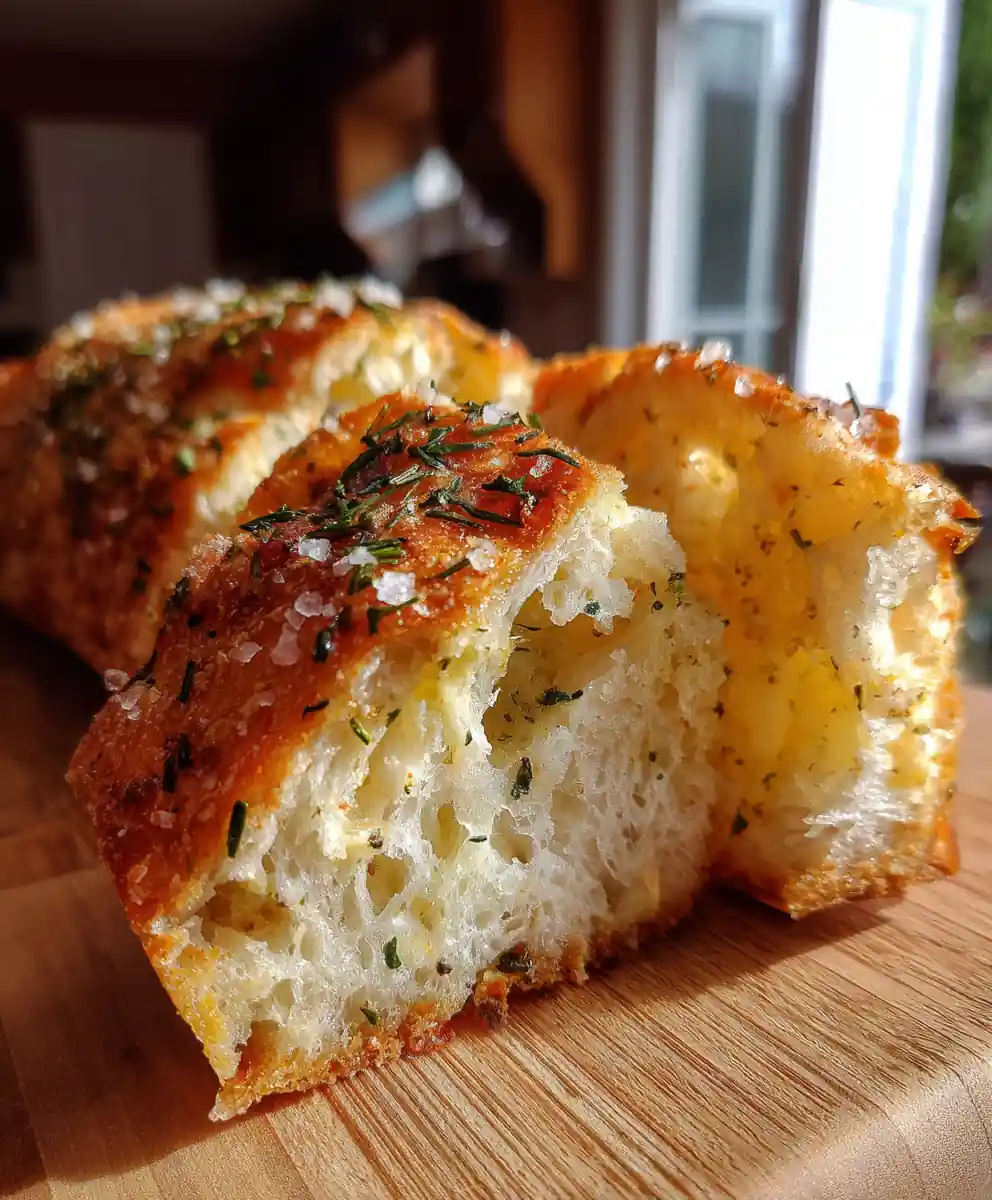
It’s tempting to slice into a warm baguette right away, but cooling on a wire rack is essential for two reasons: First, it allows excess moisture to evaporate, ensuring the crust stays crisp rather than turning soft and chewy. Second, it completes the cooking process in the center of the bread, setting the crumb structure and preventing a gummy or doughy texture. The best part of this french baguette recipe quick is the crunchy crust, and cooling on a wire rack is essential to keep that crispness.
Serving Suggestions and Make-Ahead Notes
This flavorful baguette is perfect for pairing with hearty soups like minestrone, French onion soup, or creamy tomato bisque. It also makes an incredible base for bruschetta, loaded with fresh tomatoes and basil, or for quick-and-easy gourmet sandwiches at lunchtime. Serve warm with high-quality butter, or use it to sop up extra sauce from family dinners. This french baguette recipe quick is a fantastic side for healthy eating, high-protein snacks, and family dinners.
Ways to Use Your Baguette
This baguette’s aromatic profile makes it perfect for sopping up sauce or serving alongside a cheese board. For a light lunch idea, try slicing it open, layering with fresh mozzarella, and baking until melted for a simple high-protein snack.
Make-Ahead Dough Option
To prepare this dough ahead of time for a quicker weeknight meal, prepare the dough through Step 3 (kneading). Place the dough in a lightly oiled bowl, cover tightly, and refrigerate for 12-24 hours; the cold fermentation will slow the rise and enhance flavor. On baking day, pull the dough from the fridge, let it sit at room temperature for 30 minutes, then proceed with shaping (Step 5) and the second rise (Step 6). This make-ahead option makes this french baguette recipe quick perfect for busy schedules.
Freezing Instructions
For long-term storage, cool the baked baguette completely, then slice it into portions. Wrap tightly in plastic wrap, then place in a freezer-safe bag or container; freeze for up to 3 months. To reheat, thaw at room temperature, then place in a preheated 180°C (350°F) oven for 5-10 minutes for a refreshed crust. This helps maintain freshness when using this french baguette recipe quick for meal prep.
FAQs
Can I use active dry yeast instead of instant yeast in this recipe?
Yes, you can substitute active dry yeast for instant yeast at a 1:1 ratio, but you must activate it in the warm water first and wait 10 minutes for it to bloom before adding the flour. The first rise may take slightly longer (around 10-15 minutes extra) than with instant yeast.
My baguette came out flat and dense; what went wrong?
This usually happens if the dough was overproofed during the second rise, causing it to deflate when handled or baked. It can also occur if the yeast was inactive (dead) or if the dough was not sufficiently kneaded to develop gluten. Check your yeast date and ensure you don’t over-proof in a very warm spot.
Why do I need to add steam to the oven when baking bread?
Steam helps create the signature crispy crust and promotes better oven spring. The steam keeps the exterior of the dough moist in the initial minutes of baking, allowing it to expand fully before the crust hardens.
Can I make this baguette without a baking stone?
Yes, if you don’t have a baking stone, use an inverted heavy-duty baking sheet. Ensure the baking sheet preheats in the oven for at least 30 minutes before transferring the baguettes to it for baking. I find an old cast iron skillet on the bottom rack works just as well for creating steam as a baking stone.
How do I get a nice golden-brown crust color?
The high oven temperature (230°C / 450°F) and the steam both contribute to browning. If your baguette is browning too quickly, lower the oven temperature slightly after the first 10 minutes of baking.
Is it okay to eat the baguette as soon as it comes out of the oven?
While delicious warm, it’s best to let a baguette cool for at least 30 minutes on a wire rack. Slicing too early can release steam from the inside, resulting in a gummy texture. This applies to every french baguette recipe quick I’ve tried.
Can I adapt this french baguette recipe quick for a gluten-free diet?
This recipe relies on a high-protein bread flour for gluten development. While you can try to adapt it using a 1:1 gluten-free bread flour blend with xanthan gum, the texture will be significantly different and likely denser. For a gluten-free version, I recommend finding a specific recipe designed for that purpose rather than adapting this one directly.
Conclusion
This quick french baguette recipe with roasted garlic and rosemary is proof that you don’t need to spend hours in the kitchen to achieve incredible, bakery-quality results at home. The process is simple, the flavor is phenomenal, and the results are consistently satisfying for healthy eating. Whether you’re making soup for dinner or preparing a simple charcuterie board, a homemade baguette elevates any meal. Save this french baguette recipe quick on Pinterest for easy access and tag us in your results!
Print
french baguette recipe quick
- Total Time: 180 minutes
- Yield: 2 baguettes (8 servings) 1x
- Diet: Vegetarian
Description
This quick French baguette recipe features a tender, airy interior and a satisfyingly crisp crust, infused with sweet roasted garlic and aromatic rosemary, perfect for family dinners.
Ingredients
- 300 g (2.5 cups) strong bread flour, plus more for dusting
- 220 ml (0.875 cup) warm water (38-43°C / 100-110°F)
- 5 g (1.5 teaspoons) instant yeast
- 6 g (1 teaspoon) fine sea salt
- 30 ml (2 tablespoons) olive oil, divided (1 tbsp for dough, 1 tbsp for roasting garlic, 1 tsp for finishing)
- 1 whole head garlic
- 15 g (1 tablespoon) fresh rosemary, finely chopped, plus 2-3 small sprigs for garnish
- 5 g (1 teaspoon) flaky sea salt, for finishing
Instructions
- Prepare the Roasted Garlic: Preheat oven to 200°C (400°F). Slice off the top 0.25 inch of the garlic head, drizzle 1 tbsp olive oil over cloves, and wrap tightly in aluminum foil. Roast for 30-40 minutes until cloves are soft and golden brown. Set aside to cool slightly.
- Activate Yeast and Mix Dough: Combine warm water and instant yeast in a large bowl and let sit for 5 minutes until foamy. Add the bread flour and fine sea salt to the yeast mixture. Squeeze the softened roasted garlic cloves into the bowl, mash with a fork, then add 1 tbsp olive oil and the chopped rosemary. Mix until a shaggy dough forms.
- Knead Dough: Turn the dough onto a lightly floured surface. Knead for 8-10 minutes, using the heel of your hand, until the dough is smooth, elastic, and passes the windowpane test.
- First Rise: Lightly grease a clean bowl with olive oil. Place the dough in the bowl, cover tightly with plastic wrap, and let rise in a warm location for 60-90 minutes, or until doubled in size.
- Shape Baguettes: Gently deflate the dough and turn it out onto a lightly floured surface. Divide the dough into two equal pieces. For each piece, pat into a rough rectangle, fold the top third down, fold the bottom third up and over, and press to seal. Fold the dough in half lengthwise and pinch the seam firmly, then roll gently to lengthen into a baguette shape (about 12 inches long).
- Second Rise (Proofing): Transfer the shaped baguettes to a lightly floured baker’s couche or parchment-lined baking sheet. Cover loosely and let proof for 30-45 minutes until noticeably puffy and slightly increased in volume.
- Preheat Oven and Prepare for Steam: Preheat oven to 230°C (450°F) during the second rise. Place a baking stone or inverted heavy baking sheet on the middle rack and a shallow metal pan on the bottom rack for at least 30 minutes to heat thoroughly.
- Bake Baguettes: Score the top of each baguette 3-4 times diagonally with a sharp knife. Gently transfer the baguettes to the preheated baking stone. Quickly pour 1 cup of very hot water into the shallow metal pan on the bottom rack, then immediately close the oven door. Bake for 20-25 minutes until deep golden brown and hollow when tapped.
- Cool and Finish: Transfer the baked baguettes to a wire rack to cool completely for at least 30-45 minutes. Once cooled, lightly brush the entire surface of each baguette with the remaining 1 tsp olive oil and sprinkle generously with flaky sea salt.
Notes
To achieve a crispy crust and open crumb, ensure the baking stone and steam pan are preheated for 30 minutes before baking. Cool completely on a wire rack for at least 30-45 minutes before serving for proper crust setting and crumb structure. Use high-protein bread flour (12% or higher) for best results.
- Prep Time: 30 minutes
- Cook Time: 25 minutes
- Category: Bread
- Method: Baking
- Cuisine: French
Nutrition
- Serving Size: 1 slice (1/8 baguette)
- Calories: 130 calories
- Sugar: 1 g
- Sodium: 500 mg
- Fat: 4 g
- Saturated Fat: 0.5 g
- Unsaturated Fat: 3.5 g
- Trans Fat: 0 g
- Carbohydrates: 28 g
- Fiber: 1 g
- Protein: 5 g
- Cholesterol: 0 mg
FREE PRINTABLE RECIPE
Get the Printable Recipe PDF (Free)
Enter your email and we’ll send you the ingredients + step-by-step instructions as a clean PDF you can save to your phone.
- ✅ Printable PDF (ingredients + steps)
- ✅ Save it to your phone (no long scrolling)
- ✅ Includes cook time + servings
- ✅ Easy to follow
FAQ
Where’s the full recipe?
It’s delivered as a printable PDF so you can save it and cook without scrolling.
I didn’t get the email.
Check Spam/Promotions and search your inbox for your site name. Then click Confirm to receive the PDF.