Garlic Butter Shrimp Pasta is a luxurious yet surprisingly simple meal that brings restaurant-quality flavors directly into your kitchen. By combining succulent, perfectly seared shrimp with an aromatic emulsion of garlic, creamy butter, and bright lemon, you create a dish that is both comforting and sophisticated. This recipe is designed for maximum efficiency, allowing you to prepare a complete, satisfying dinner for your family in under thirty minutes without sacrificing depth of flavor or quality.
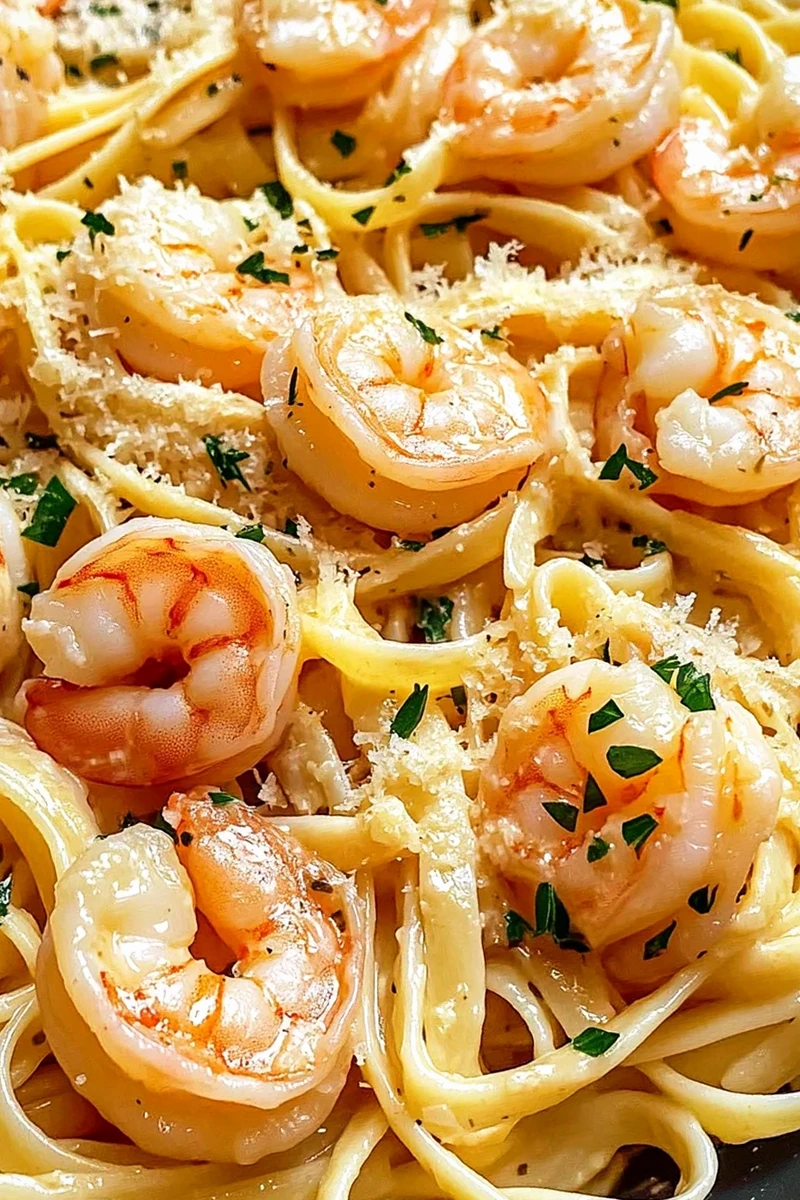
List of ingredients
- 12 oz Fettuccine
- 1 lb Shrimp
- 4 cloves Garlic
- ½ cup Parmesan Cheese
- 4 tbsp Butter
- ¼ cup Lemon Juice
- ¼ tbsp Lemon Zest
- 2 tbsp Cooking Oil
- Sea Salt
- Black Pepper
step-by-step instructions
- Step: Cook the fettuccine in boiling salted water until al dente, then drain.
- Step: In a pan, heat cooking oil over medium heat, sautéing minced garlic until fragrant (about 2 minutes).
- Step: Add butter to the pan; once melted, add shrimp and cook until opaque (4-6 minutes).
- Step: Stir in lemon juice, zest, Parmesan cheese, salt, and pepper until combined.
- Step: Mix cooked fettuccine into the shrimp mixture until evenly coated.
- Step: Garnish with fresh parsley before serving.
Practical Preparation Techniques
Mastering the Perfect Pasta Texture
Achieving a true al dente texture is the hallmark of professional Italian pasta dishes. You want the pasta to offer a slight resistance to the tooth when bitten, which indicates it still maintains structure. Because the pasta will be tossed in a hot skillet with the butter and shrimp, it will continue to cook slightly, so pulling it from the boiling water a moment early is a professional secret for preventing mushy results.
Selecting and Preparing Shrimp Properly
When shopping for shrimp, look for those that are firm to the touch with no off-putting odors. For this specific recipe, using medium or large shrimp provides the best bite-to-pasta ratio. Ensure they are thoroughly dried with a paper towel before hitting the hot oil; excess moisture prevents the shrimp from browning effectively, which is where much of the savory flavor comes from. Always ensure the vein has been removed from the back of the shrimp to keep the presentation clean and the texture pleasant.
Refining the Flavor Profile
Balancing Acidity and Richness
The success of this dish relies heavily on the balance between the heavy butter and the sharp acidity of the lemon. If you find your palate prefers a brighter flavor, increase the lemon zest rather than the juice, as the zest contains essential oils that provide a more complex citrus aroma. Tasting as you go is essential; a tiny pinch of extra salt can often help pop the citrus notes and highlight the sweetness of the shrimp.
The Importance of Fresh Aromatics
While jarred minced garlic is a convenient shortcut, it simply lacks the volatile oils found in fresh cloves that are minced immediately before use. When you crush or chop fresh garlic, these oils are released into the pan, creating a much more intense and sweet flavor profile. Take the time to mince your garlic by hand, as this also prevents the unwanted additives often found in preserved jars, ensuring a clean taste that highlights the shrimp.
Variations and Enhancements
Incorporating Seasonal Vegetables
Adding vegetables is an excellent way to turn this main dish into a complete meal. Baby spinach is a fantastic addition; simply toss it into the skillet during the final minute of cooking until it just wilts. Alternatively, blanched asparagus tips or sautéed cherry tomatoes can provide a burst of color and texture that contrasts beautifully with the tender shrimp and buttery sauce. These additions should be added to the pan just before you combine the pasta to ensure they maintain their integrity.
Adding Texture with Toppings
If you enjoy a bit of crunch in your pasta dishes, toasted breadcrumbs seasoned with herbs make an excellent topping. Simply melt a small amount of butter in a clean pan and toast panko breadcrumbs until golden brown, then sprinkle them over the finished plates. This adds a lovely contrast to the silky sauce and tender shrimp, elevating the dish from a simple weeknight staple to something that feels refined and intentionally prepared.
Common Serving and Storage Advice
Strategic Meal Preparation
If you plan to use this recipe for meal prep, it is best to slightly undercook the pasta. Store the shrimp and sauce separate from the pasta if possible, though tossing them together with a small amount of extra olive oil can prevent the noodles from sticking. When ready to eat, a quick splash of hot water or broth during the reheating process will help reconstitute the emulsion, ensuring the sauce is just as silky on the second day as it was on the first.
Storing Leftovers Safely
Leftovers should be cooled to room temperature before being moved into an airtight glass container. Plastic containers can sometimes hold onto the strong scent of the garlic, so glass is preferred for maintaining the integrity of the sauce. Keep the dish in the coldest part of your refrigerator for no more than three days, as the quality of the delicate shrimp begins to decline after that window.
Troubleshooting Common Issues
Correcting a Broken or Greasy Sauce
If your sauce appears separated or greasy, it is likely due to the heat being too high when the cheese and lemon were added. Remove the pan from the heat entirely when adding the cheese, and work quickly to emulsify it with the butter. If it does break, adding one tablespoon of lukewarm water and whisking vigorously off the heat can often bring the emulsion back together, creating that smooth, glossy coating everyone loves.
Fixing Under-seasoned Pasta
If your final dish tastes a bit flat, it often means the pasta water wasn’t salted sufficiently or you under-seasoned the shrimp. Since you cannot easily add salt to the interior of the pasta after it is cooked, you must rely on the sauce to carry the seasoning. A small sprinkle of high-quality finishing salt over the top of the dish right before serving can rectify this issue without requiring you to over-salt the entire pan during cooking.
Preventing Rubbery Shrimp
Rubbery shrimp is usually the result of carry-over cooking. Because shrimp continue to cook even after you turn off the heat, they should be removed or immediately combined with the pasta once they turn opaque. If you are serving the dish buffet-style or letting it sit for any amount of time, aim to pull the shrimp when they are just shy of being fully opaque to account for the residual heat retained in the skillet.
Frequently Asked Questions
Can I use dried herbs if I don’t have fresh parsley?
Yes, you can use dried herbs, but they are significantly more potent than fresh ones. Use about one-third of the amount called for in the recipe and add them during the cooking process rather than at the end, so the heat has time to rehydrate the dried leaves and extract their flavor.
What is the best way to substitute for dairy if I have a sensitivity?
You can substitute the butter with a high-quality olive oil and omit the Parmesan cheese or replace it with a nutritional yeast blend to achieve a similar savory profile. The dish will have a lighter, cleaner flavor but will still pair perfectly with the garlic and shrimp.
Why does the lemon juice make the sauce taste bitter?
Bitterness from lemon juice usually occurs if you have accidentally included the white pith during zesting or if the juice has been boiled for too long. Always zest only the thin, yellow outer layer of the skin, and add the lemon juice at the very end of the process to maintain its bright, acidic flavor without extracting bitterness from the rind.
How can I make this dish heartier?
To make the dish more substantial, consider serving it over a bed of roasted root vegetables or alongside a slice of crusty, toasted sourdough bread. The bread is particularly useful for mopping up every last drop of the garlic butter sauce left at the bottom of your bowl, which is often considered the best part of the meal.
Print
Garlic Butter Shrimp Pasta
- Total Time: 30 minutes
- Yield: 5 servings 1x
- Diet: Pescatarian
Description
Garlic Butter Shrimp Pasta is a delectable dish that combines the enticing flavors of garlic and butter with tender shrimp, all enveloped in creamy fettuccine. This quick and easy recipe is perfect for busy weeknights or elegant dinner parties, allowing you to whip up a restaurant-quality meal at home in under 30 minutes.
Ingredients
- 12 oz Fettuccine
- 1 lb Shrimp
- 4 cloves Garlic
- ½ cup Parmesan Cheese
- 4 tbsp Butter
- ¼ cup Lemon Juice
- ¼ tbsp Lemon Zest
- 2 tbsp Cooking Oil
- Sea Salt
- Black Pepper
Instructions
- Step: Cook the fettuccine in boiling salted water until al dente, then drain.
- Step: In a pan, heat cooking oil over medium heat, sautéing minced garlic until fragrant (about 2 minutes).
- Step: Add butter to the pan; once melted, add shrimp and cook until opaque (4-6 minutes).
- Step: Stir in lemon juice, zest, Parmesan cheese, salt, and pepper until combined.
- Step: Mix cooked fettuccine into the shrimp mixture until evenly coated.
- Step: Garnish with fresh parsley before serving.
Notes
Use fresh shrimp and freshly grated Parmesan cheese for the best flavor and texture. Ensure the pasta is cooked al dente to maintain structure when tossed with the sauce.
- Prep Time: 10 minutes
- Cook Time: 20 minutes
- Category: Main
- Method: Sautéing
- Cuisine: Italian
Nutrition
- Serving Size: 1 plate
- Calories: 460 kcal
- Sugar: 1 g
- Sodium: 680 mg
- Fat: 20 g
- Saturated Fat: 10 g
- Unsaturated Fat: 9 g
- Trans Fat: 0 g
- Carbohydrates: 48 g
- Fiber: 2 g
- Protein: 22 g
- Cholesterol: 160 mg