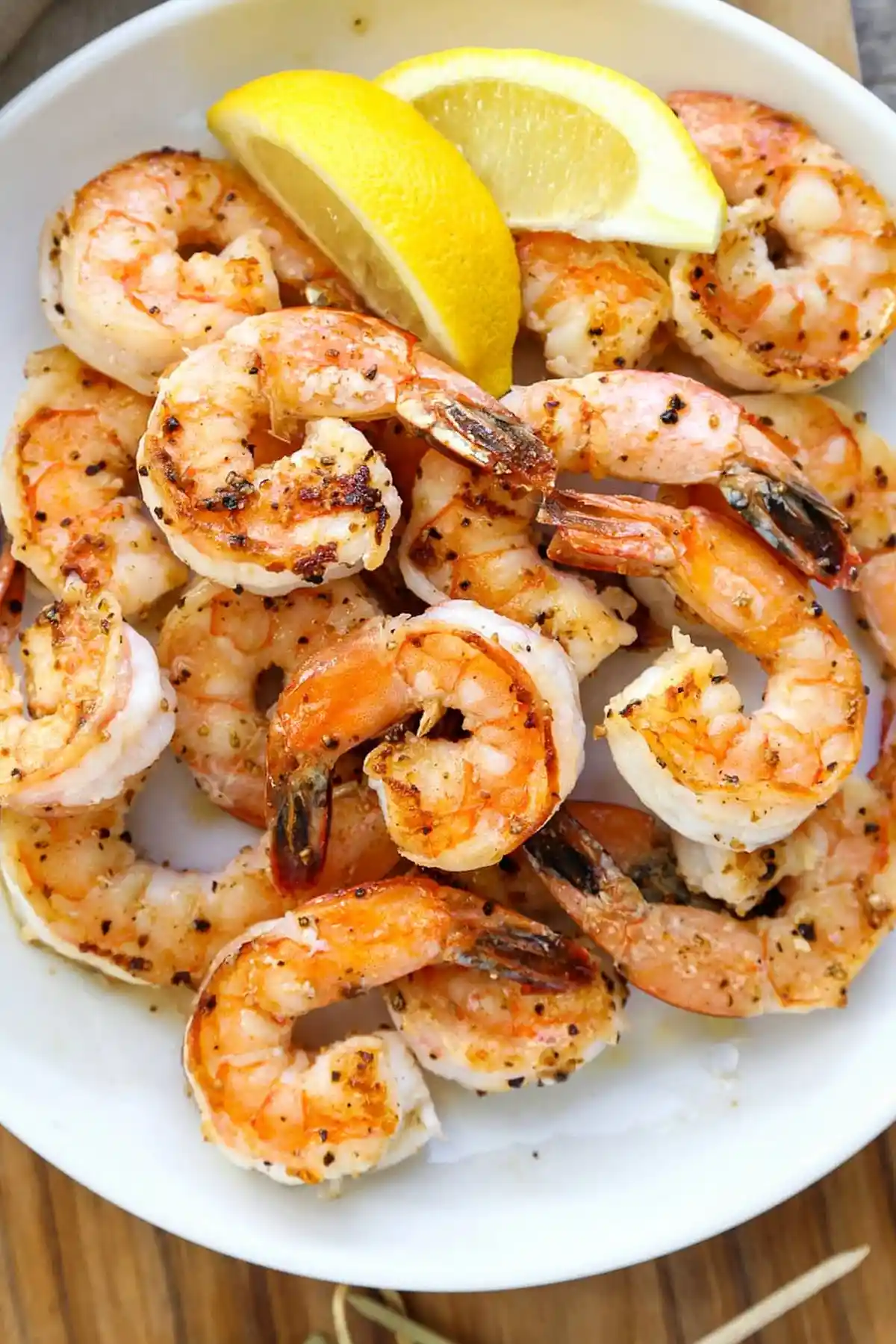
Preparing succulent, perfectly cooked garlic shrimp is an incredibly fast and rewarding task that elevates any weeknight meal into a gourmet experience. This recipe focuses on precise heat management and timing to ensure the shrimp remain tender and flavorful rather than tough or rubbery. With just a handful of pantry staples, you can create a restaurant-quality dish in under fifteen minutes.
List of ingredients
- 1 pound (16oz) medium to large shrimp, fresh or thawed
- 2 tablespoons extra virgin olive oil
- 2 tablespoons butter
- 4 garlic cloves, minced
- 1 tablespoon fresh lemon juice
- Salt and pepper to taste
step-by-step instructions
- Step: Peel and devein the shrimp, keeping or removing the tail as desired.
- Step: In a large skillet over medium high heat, add the oil and butter.
- Step: When the butter has melted, swirl the pan to coat the surface evenly.
- Step: Once the butter is bubbling, add the shrimp and cook for 3 minutes without moving them; season with salt and pepper.
- Step: Flip the shrimp over and add the minced garlic.
- Step: Cook for 1 minute or until the shrimp are opaque and pink.
- Step: Turn the heat off and stir in the lemon juice.
- Step: Transfer the shrimp to a plate, drizzle with the garlic sauce and serve.
Refining Your Technique
Achieving the Ideal Texture
The secret to perfect shrimp lies in observing the color change. As soon as the shrimp turn from a translucent grey to a solid, opaque pink, they are ready to be pulled from the heat. Cooking them even a minute past this point causes the proteins to tighten, resulting in a rubbery texture that is difficult to fix.
The Role of High Heat
Using a medium-high heat setting is intentional for this dish. High heat allows for a fast, intense sear that locks in moisture and adds a subtle charred complexity to the exterior. If the heat is too low, the shrimp will release their own liquid and essentially boil in the pan, which dilutes the flavor of your garlic and butter.
Selecting Quality Seafood
Always prioritize purchasing high-quality, sustainably sourced shrimp, as the quality is directly perceptible in the finished dish. Wild-caught options generally offer a firmer, more pleasant texture compared to farmed varieties. If you must use frozen shrimp, ensure they are completely thawed and patted dry with paper towels before hitting the pan to prevent splattering and uneven cooking.
Flavor Variations
Incorporating Fresh Herbs
While the classic preparation relies on garlic and lemon, adding fresh herbs can significantly change the profile of the dish. Finely chopped flat-leaf parsley is a traditional addition that adds a clean, herbaceous note at the end of the cooking process. You can also experiment with fresh chives or even a small amount of finely minced basil to complement the sweetness of the shrimp.
Adding Gentle Heat
If you prefer a mild kick to your dish, incorporate red pepper flakes during the final minute of cooking with the garlic. The heat from the flakes infuses into the butter sauce, creating a pleasant contrast to the richness of the fat. Start with a quarter teaspoon and adjust based on your personal preference for spice.
Serving Suggestions
Pairing with Grains or Pasta
These shrimp serve as an excellent centerpiece for a variety of sides. Placing them over a bed of al dente linguine or angel hair pasta allows the garlic butter sauce to act as a light, flavorful coating for the noodles. Alternatively, a bed of steamed jasmine rice or a warm piece of crusty sourdough bread provides the perfect vessel for soaking up the remaining sauce.
Fresh Vegetable Accompaniments
Pairing the richness of the garlic butter with crisp, acidic vegetables creates a balanced meal. Consider serving the shrimp alongside lightly charred asparagus, steamed broccoli florets, or a simple arugula salad dressed with a bright lemon vinaigrette. These additions cut through the fat of the butter and provide a refreshing crunch.
Storage and Care
Refrigerating Leftovers
Should you have leftovers, allow them to cool to room temperature before transferring them to an airtight container. They will stay fresh in the refrigerator for up to 48 hours. Proper storage helps maintain the moisture content of the shrimp, preventing them from becoming excessively dry during subsequent meals.
Reheating Strategy
Reheating shrimp requires care to avoid overcooking. The most effective method is to place them in a cold pan over low heat with a tiny splash of water or extra butter, covered with a lid. Warm them just until they are heated through, which usually takes no more than two minutes, rather than using a microwave which can toughen the protein quickly.
Frequently Asked Questions
Can I cook this dish with frozen shrimp?
Yes, you can cook with frozen shrimp as long as they are fully thawed and patted dry beforehand. If you place frozen, icy shrimp directly into a hot pan, the excess water will lower the temperature of the oil, preventing the shrimp from searing properly and leading to a soggy, overcooked result.
How do I know if the shrimp are properly deveined?
The vein is the digestive tract running along the back of the shrimp, and it is usually dark in color. If you do not see a visible dark line after removing the shell, the shrimp may have been cleaned during processing or it is simply empty. If you do see a line, use a small paring knife to make a shallow incision and lift the vein out.
Should I leave the tails on during cooking?
Keeping the tails on is largely a matter of aesthetic preference, as they can look quite elegant on the plate. However, removing them makes the dish much easier to eat, especially when serving the shrimp over pasta or in a bowl where you want to consume them quickly without using your hands.
Can I prepare the shrimp ahead of time?
While the actual cooking process is extremely fast, you can certainly peel and devein your shrimp up to a few hours before you plan to cook them. Keep the prepared shrimp in a bowl in the refrigerator until you are ready to heat the pan. This organization makes the final preparation incredibly efficient and stress-free.
Print
Easy Garlic Shrimp
- Total Time: 14 minutes
- Yield: 4 servings 1x
- Diet: Pescatarian
Description
This is an easy garlic shrimp recipe that takes less than 15 minutes to make from start to finish!
Ingredients
- 1 pound (16oz) medium to large shrimp, fresh or thawed
- 2 tablespoons extra virgin olive oil
- 2 tablespoons butter
- 4 garlic cloves, minced
- 1 tablespoon fresh lemon juice
- Salt and pepper to taste
Instructions
- Step: Peel and devein the shrimp, keeping or removing the tail as desired.
- Step: In a large skillet over medium high heat, add the oil and butter.
- Step: When the butter has melted, swirl the pan to coat the surface evenly.
- Step: Once the butter is bubbling, add the shrimp and cook for 3 minutes without moving them; season with salt and pepper.
- Step: Flip the shrimp over and add the minced garlic.
- Step: Cook for 1 minute or until the shrimp are opaque and pink.
- Step: Turn the heat off and stir in the lemon juice.
- Step: Transfer the shrimp to a plate, drizzle with the garlic sauce and serve.
Notes
Keep leftovers in an airtight container in the refrigerator for up to 2 days.
- Prep Time: 10 minutes
- Cook Time: 4 minutes
- Category: Seafood
- Method: Pan frying
- Cuisine: Italian
Nutrition
- Serving Size: about 8 or 9 shrimp
- Calories: 213 kcal
- Sugar: 0.1g
- Sodium: 136.2mg
- Fat: 13.4g
- Saturated Fat: 4.7g
- Unsaturated Fat: 1.1g
- Trans Fat: 0g
- Carbohydrates: 1.3g
- Fiber: 0.1g
- Protein: 23g
- Cholesterol: 197.7mg