Experience the deep, savory satisfaction of a steaming bowl of garlic miso noodle soup, a dish defined by its rich umami broth. This recipe is designed for those busy days when you need a comforting, restaurant-quality meal in under fifteen minutes. By blooming aromatics in hot oil, you create a complex flavor base that perfectly complements the earthiness of fermented miso paste.
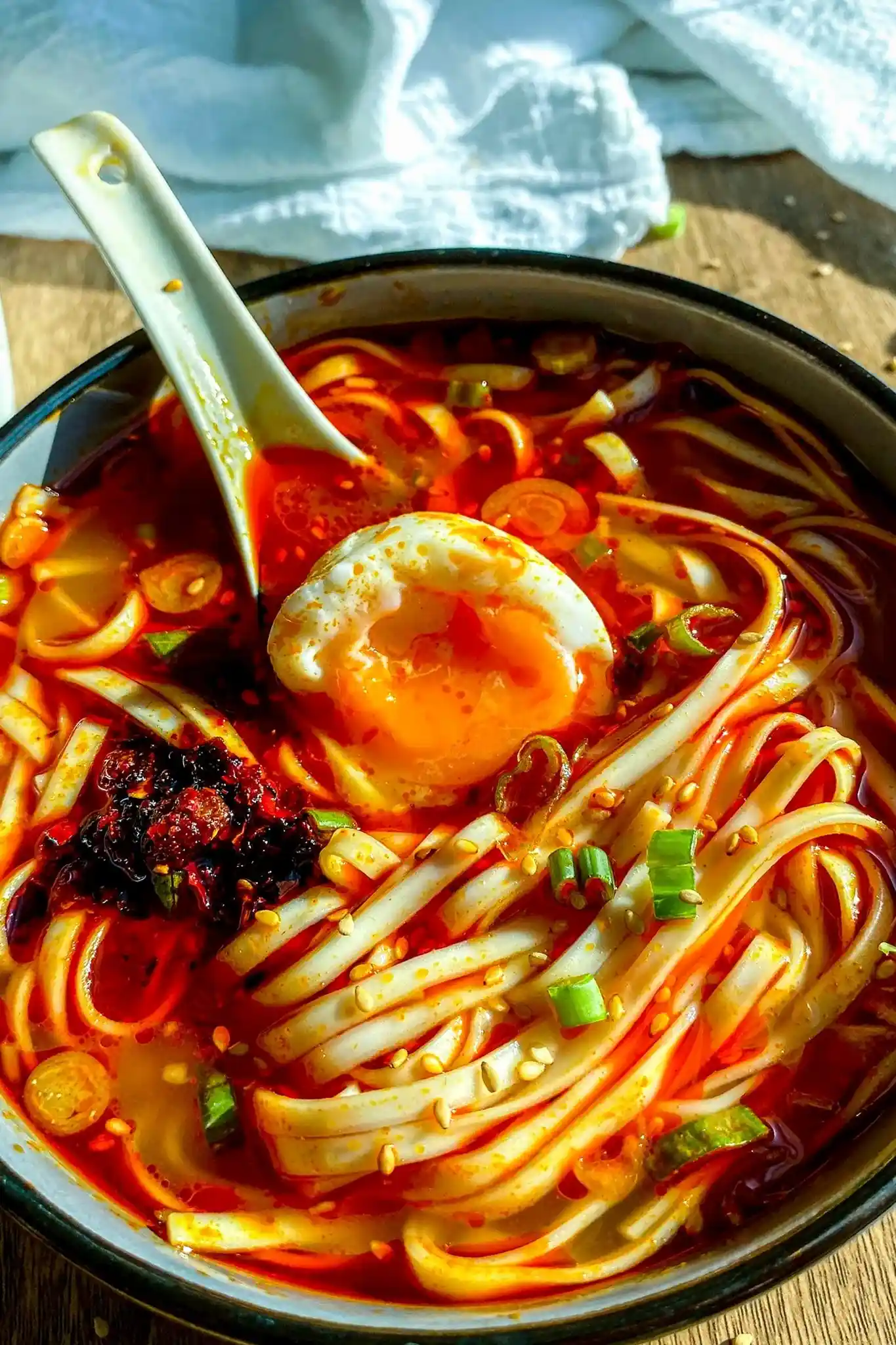
List of ingredients
- 1.5 tsp minced garlic
- 2 tsp green onions (set aside 1/2 tsp for garnish)
- 2 tsp gochugaru/chili flakes (optional)
- 1 tsp sugar
- 1.5 tbsp neutral oil
- 1 tsp oyster sauce
- 1 tsp light soy sauce
- 1 tsp rice vinegar
- 1.5 cups water
- 2 tbsp miso paste
- 1 serving noodles
- 1 hard-boiled/jammy egg
- 1 tsp sesame seeds
- 1 tsp chili oil (optional)
step-by-step instructions
- Step: Boil noodles until cooked and drain. Set aside for later.
- Step: In a bowl, add garlic, green onions, gochugaru, and sugar.
- Step: Heat up the neutral oil on high in a saucepan until it’s smoking (1-2 minutes). Pour the oil into the bowl and stir.
- Step: Add light soy sauce, oyster sauce, and rice vinegar and stir until well combined.
- Step: Pour in hot water into the same bowl. Add miso paste and stir until dissolved.
- Step: Add noodles and toppings of your choice (egg, green onions, chili oil, and sesame seeds). Enjoy!
Refining the Flavor Profile
Balancing Miso Intensity
Miso paste varies significantly in strength depending on whether you choose red, yellow, or white varieties. If you find your broth is too intense, increase the amount of water or sugar slightly to round out the saltiness. Conversely, if you prefer a punchier profile, add an extra half-teaspoon of miso paste, whisking thoroughly to ensure no clumps remain.
Achieving the Perfect Broth Temperature
The secret to a healthy and flavorful miso broth is temperature control during the final mixing stage. Adding your miso paste to boiling water can diminish its delicate probiotic properties and alter its texture. Aim for hot, simmering water rather than a rolling boil when you whisk the paste in to preserve the best of the ingredient.
Preparation and Cooking Techniques
The Hot Oil Infusion Method
This technique, known as “blooming,” is vital for extracting the essential oils from garlic and chili. Ensure your oil is truly hot—approaching a light smoke point—before pouring it over your aromatics. If the oil is not hot enough, the garlic will taste raw rather than roasted and fragrant, which changes the character of the entire soup.
Sieving for a Silky Texture
While dissolving miso directly into the water is standard, some people prefer a refined texture without soybean solids. By placing the paste in a fine-mesh sieve and lowering it into the hot liquid, you can stir the paste through the mesh while keeping the large, grainy bits out of your bowl. This results in an incredibly smooth, elegant broth that looks professional and tastes clean.
Noodle Selection Advice
Choosing the Right Noodle Texture
When making this soup, the starch content of your noodles can influence the mouthfeel of your broth. Thicker udon noodles provide a chewy, hearty experience that pairs well with the robust miso base. If you prefer a thinner, more classic ramen-style bowl, look for alkaline noodles which hold their shape well in hot liquid without becoming mushy too quickly.
Avoiding Overcooked Noodles
Because the hot broth will continue to cook the noodles slightly even after they are served, it is often beneficial to undercook them by about thirty seconds. This ensures that by the time you reach the bottom of the bowl, the texture remains firm and pleasant. Always drain your noodles immediately after cooking to stop the heat process.
Versatile Additions and Toppings
Protein Enhancements
While a jammy egg is the gold standard for this dish, other proteins work exceptionally well with the garlic miso base. Consider adding thinly sliced sautéed mushrooms, blanched bok choy, or pan-seared tofu cubes. These additions increase the nutritional density and satiety of the meal without complicating the preparation process.
Integrating Crunchy Toppings
Texture contrast is essential in a bowl of noodle soup. Toppings like toasted sesame seeds, fried garlic bits, or thinly sliced radish provide a necessary crunch against the soft noodles and creamy broth. If you enjoy heat, a final garnish of fresh chili slices or a spoonful of crunchy chili garlic sauce can elevate the complexity of the final bite.
Storage and Reheating Strategies
Managing Leftover Soup
If you anticipate leftovers, store the noodles and the broth in separate containers. Noodles left sitting in broth for long periods will absorb the liquid and become bloated or soft. When kept apart, the noodles stay firm and the broth retains its bold, aromatic profile for up to two days in the refrigerator.
Reheating for Optimal Results
When you are ready to enjoy your leftovers, bring the broth to a gentle simmer on the stove. Add the cold noodles directly to the pot for the last minute of heating. This method ensures the noodles are heated through without losing their integrity, resulting in a meal that tastes nearly as fresh as the day it was made.
Frequent Questions
Can I make this soup in advance for work lunches?
Yes, the components travel well for a packed lunch using a mason jar method. Place your garlic-oil mixture, sauces, and cooked noodles at the bottom of the jar, keeping the miso and other garnishes ready. Once you are at your destination, add hot water, stir well, and you have an instant, fresh-tasting meal.
What should I do if the soup is too salty?
If your broth tastes overly aggressive, increase the ratio of liquid to paste by adding a small amount of warm water or unsalted vegetable broth. Additionally, adding a touch more sugar or a small splash of rice vinegar can help counteract the perceived saltiness by distracting the palate with sweetness or acidity. Always taste as you go before serving.
Are there ways to make this soup less spicy?
The heat in this recipe is primarily derived from the optional gochugaru and chili oil. If you are sensitive to spice, simply omit the gochugaru in the oil infusion step and skip the final chili oil garnish. The flavor base of garlic, soy, and miso is deeply savory on its own and does not require chili to be delicious.
Can I use different types of miso?
Certainly, the recipe is highly adaptable to whatever you have in your pantry. Yellow miso is a great middle-ground if you find red too bold or white too mild. No matter which you choose, the preparation method remains the same; simply stir until dissolved and enjoy the unique depth of flavor each variety brings to the broth.
Print
Garlic Miso Noodle Soup
- Total Time: 15 minutes
- Yield: 1 serving 1x
- Diet: Vegetarian
Description
Indulge in a hot bowl of Garlic Miso Noodle Soup that’s mouthwatering and rich with umami flavor. A quick and easy recipe that you can make within 15 minutes!
Ingredients
- 1.5 tsp minced garlic
- 2 tsp green onions (set aside 1/2 tsp for garnish)
- 2 tsp gochugaru/chili flakes (optional)
- 1 tsp sugar
- 1.5 tbsp neutral oil
- 1 tsp oyster sauce
- 1 tsp light soy sauce
- 1 tsp rice vinegar
- 1.5 cups water
- 2 tbsp miso paste
- 1 serving noodles
- 1 hard-boiled/jammy egg
- 1 tsp sesame seeds
- 1 tsp chili oil (optional)
Instructions
- Step: Boil noodles until cooked and drain. Set aside for later.
- Step: In a bowl, add garlic, green onions, gochugaru, and sugar.
- Step: Heat up the neutral oil on high in a saucepan until it’s smoking (1-2 minutes). Pour the oil into the bowl and stir.
- Step: Add light soy sauce, oyster sauce, and rice vinegar and stir until well combined.
- Step: Pour in hot water into the same bowl. Add miso paste and stir until dissolved.
- Step: Add noodles and toppings of your choice (egg, green onions, chili oil, and sesame seeds). Enjoy!
Notes
Please adjust seasonings to taste. Use red, yellow, or white miso paste based on preference. To maintain probiotics, add miso to hot, not boiling, water. For a smoother broth, use a sieve to dissolve the miso paste.
- Prep Time: 10 minutes
- Cook Time: 5 minutes
- Category: Main Course
- Method: Boiling
- Cuisine: Asian
Nutrition
- Serving Size: 1 bowl
- Calories: 380 kcal
- Sugar: 4g
- Sodium: 950mg
- Fat: 18g
- Saturated Fat: 3g
- Unsaturated Fat: 12g
- Trans Fat: 0g
- Carbohydrates: 45g
- Fiber: 3g
- Protein: 12g
- Cholesterol: 185mg