This slow cooker ravioli lasagna brings the comfort of traditional Italian-style baked pasta to your table with minimal active effort. By using frozen cheese ravioli as a shortcut, you bypass the need to boil noodles or assemble complex layers, resulting in a hearty meal perfect for busy evenings. The slow-simmering process ensures that the sauce and cheese meld into a rich, cohesive dish that tastes like it spent hours in the oven.
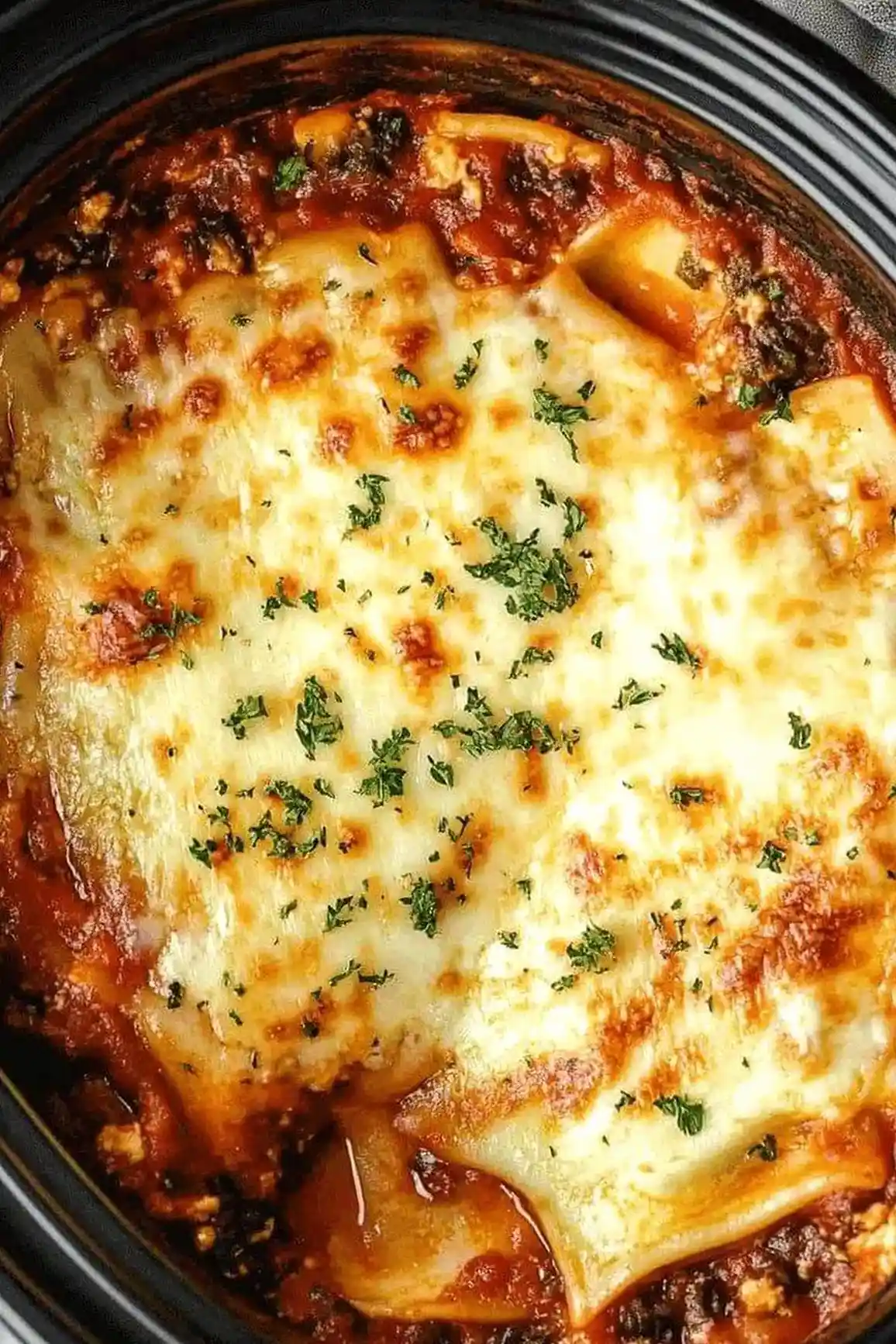
List of ingredients
- 25 ounces frozen cheese ravioli (do not thaw)
- 1 pound ground beef
- 24 ounces marinara sauce
- 8 ounces shredded mozzarella cheese
- 1 cup white onion, diced
- 1/4 teaspoon salt
- 1/4 teaspoon pepper
- 1/4 teaspoon garlic powder
- 1/4 teaspoon dried leaf oregano
- Non-stick cooking spray
step-by-step instructions
- Step: Warm a medium non-stick skillet over medium-high heat. Combine ground beef and finely chopped onions, seasoning with salt, black pepper, garlic powder, and dried oregano. Sauté until beef browns completely and onions become translucent.
- Step: Prepare the slow cooker by lightly coating its interior with non-stick cooking spray to prevent sticking.
- Step: Create the initial sauce foundation by spreading half the marinara sauce across the bottom of the slow cooker. Arrange a single layer of half the frozen cheese ravioli evenly over the sauce.
- Step: Distribute the cooked beef and onion mixture uniformly across the ravioli layer. Add the remaining ravioli on top of the meat.
- Step: Pour the remaining marinara sauce over the second ravioli layer, ensuring all pasta is coated. Sprinkle shredded mozzarella cheese across the top.
- Step: Secure the slow cooker lid and cook on LOW temperature setting for 4 hours.
- Step: After 4 hours, verify the ravioli’s tenderness and the cheese’s complete melting. Let the lasagna rest for 10-15 minutes before serving.
Practical Cooking Tips
Maintaining Pasta Integrity
The key to success with this recipe is ensuring the ravioli remains frozen until the moment it enters the slow cooker. Thawed pasta will absorb too much liquid and become mushy during the four-hour cooking cycle, so keep your bag in the freezer until your sauce base is ready.
Selecting the Right Marinara
Not all tomato sauces are created equal when it comes to slow cooking. Select a sauce with a thicker consistency, as the steam generated inside the slow cooker will naturally release moisture from the pasta and the vegetables, potentially thinning out a watery sauce.
The Importance of Resting
Patience during the final resting period is vital for the presentation of this meal. Letting the lasagna sit for 15 minutes allows the cheese to firm up and the internal temperatures to stabilize, which results in clean, intact servings rather than a messy heap on the plate.
Substitutions and Adjustments
Protein Alternatives
If you prefer a lighter dish, lean ground turkey or ground chicken are excellent substitutes for beef. For a plant-based meal, you can swap the beef for a mixture of finely chopped cremini mushrooms and crumbled firm tofu, which mimics the texture of ground meat remarkably well when seasoned with the same herbs.
Enhancing the Cheese Flavor
While mozzarella is the standard for melting, you can incorporate a small amount of freshly grated parmesan or Pecorino Romano into the top layer. These hard cheeses add a sharp, salty contrast that elevates the overall profile of the dish without requiring much additional work.
Serving Ideas
Pairing with Fresh Greens
This dish is quite heavy, so serving it alongside a crisp, acidic salad provides a necessary contrast. Use baby arugula, shaved fennel, and a lemon-based vinaigrette to cut through the rich, cheesy layers of the pasta.
Adding Texture with Sides
Crusty garlic-rubbed bread or toasted focaccia is the perfect accompaniment for soaking up the residual tomato sauce left on the plate. If you want a more substantial side, roasted asparagus with a hint of red pepper flakes adds a beautiful snap and vibrant color to the dinner table.
Storage and Reheating
Refrigeration Techniques
Store any leftover lasagna in an airtight glass container to prevent flavor cross-contamination. It will remain fresh and safe to eat for up to four days when kept at a consistent temperature in the refrigerator.
Reheating Methods
When reheating individual portions, add a teaspoon of water to the bowl before microwaving to help rehydrate the pasta. If you are heating a larger portion, use an oven at 325 degrees Fahrenheit, covered with parchment paper to maintain moisture until the center is heated through.
Troubleshooting Common Issues
Addressing Excess Moisture
If you find that your dish has too much liquid upon opening the lid, try removing the lid during the final 15 minutes of the rest period. The steam will evaporate, allowing the sauce to reduce slightly and concentrate its flavor.
Preventing Sticking
Ensure you are using a generous amount of non-stick spray or a light coating of olive oil on the interior walls of your slow cooker. If your specific slow cooker is prone to hot spots, consider rotating the insert halfway through the cooking process if your appliance design allows for it.
Frequently Asked Questions
Can I use fresh ravioli for this recipe?
It is strongly recommended to use frozen ravioli only, as fresh pasta cooks significantly faster and will turn into mush during a four-hour slow cooker cycle.
Is it necessary to brown the beef first?
Yes, browning the beef is essential for developing flavor and removing excess rendered fat. If you skip this step, the meat will steam rather than sear, which results in a dull taste and a greasy final dish.
Can I add more vegetables to the layers?
You can certainly add thinly sliced zucchini or spinach, but be mindful of the water content. Always pat vegetables dry with paper towels before adding them to the slow cooker to avoid an overly runny sauce.
What should I do if the pasta is still firm?
If after four hours the pasta is not tender, ensure the slow cooker lid is properly sealed and cook for an additional 20 to 30 minutes. Variations in heating elements between slow cooker models can occasionally cause minor deviations in cook times.
Print
Easy Slow Cooker Ravioli Lasagna
- Total Time: 4 hours 15 minutes
- Yield: 6 servings 1x
- Diet: High Protein
Description
Slow cooker ravioli lasagna merges Italian-American comfort classics into one effortless meal. Layers of cheese ravioli, rich marinara, and melted mozzarella create a hearty dinner you’ll crave again and again.
Ingredients
- 25 ounces frozen cheese ravioli (do not thaw)
- 1 pound ground beef
- 24 ounces marinara sauce
- 8 ounces shredded mozzarella cheese
- 1 cup white onion, diced
- 1/4 teaspoon salt
- 1/4 teaspoon pepper
- 1/4 teaspoon garlic powder
- 1/4 teaspoon dried leaf oregano
- Non-stick cooking spray
Instructions
- Step: Warm a medium non-stick skillet over medium-high heat. Combine ground beef and finely chopped onions, seasoning with salt, black pepper, garlic powder, and dried oregano. Sauté until beef browns completely and onions become translucent.
- Step: Prepare the slow cooker by lightly coating its interior with non-stick cooking spray to prevent sticking.
- Step: Create the initial sauce foundation by spreading half the marinara sauce across the bottom of the slow cooker. Arrange a single layer of half the frozen cheese ravioli evenly over the sauce.
- Step: Distribute the cooked beef and onion mixture uniformly across the ravioli layer. Add the remaining ravioli on top of the meat.
- Step: Pour the remaining marinara sauce over the second ravioli layer, ensuring all pasta is coated. Sprinkle shredded mozzarella cheese across the top.
- Step: Secure the slow cooker lid and cook on LOW temperature setting for 4 hours.
- Step: After 4 hours, verify the ravioli’s tenderness and the cheese’s complete melting. Let the lasagna rest for 10-15 minutes before serving.
Notes
Beef transforms this classic dish into a hearty, comforting meal. Using frozen ravioli acts as a genius shortcut, eliminating pasta-making stress. The slow cooking method ensures tender meat and perfectly melted cheese without constant monitoring.
- Prep Time: 15 minutes
- Cook Time: 4 hours
- Category: Dinner
- Method: Slow Cooking
- Cuisine: Italian-American
Nutrition
- Serving Size: 1 serving
- Calories: 508 kcal
- Sugar: 6g
- Sodium: 883mg
- Fat: 24g
- Saturated Fat: 10g
- Unsaturated Fat: 12g
- Trans Fat: 0.5g
- Carbohydrates: 51g
- Fiber: 3g
- Protein: 25g
- Cholesterol: 63mg