When you find yourself caught between the craving for a robust, tangy tomato sauce and the comforting embrace of a rich cream sauce, this recipe offers the perfect culinary compromise. By balancing the acidity of tomatoes with the velvety texture of heavy cream and Parmesan, this dish creates a harmonious, restaurant-quality meal in your own kitchen. It is an ideal solution for busy weeknights when you want something satisfying, elegant, and quick to prepare without compromising on flavor depth or textural complexity.
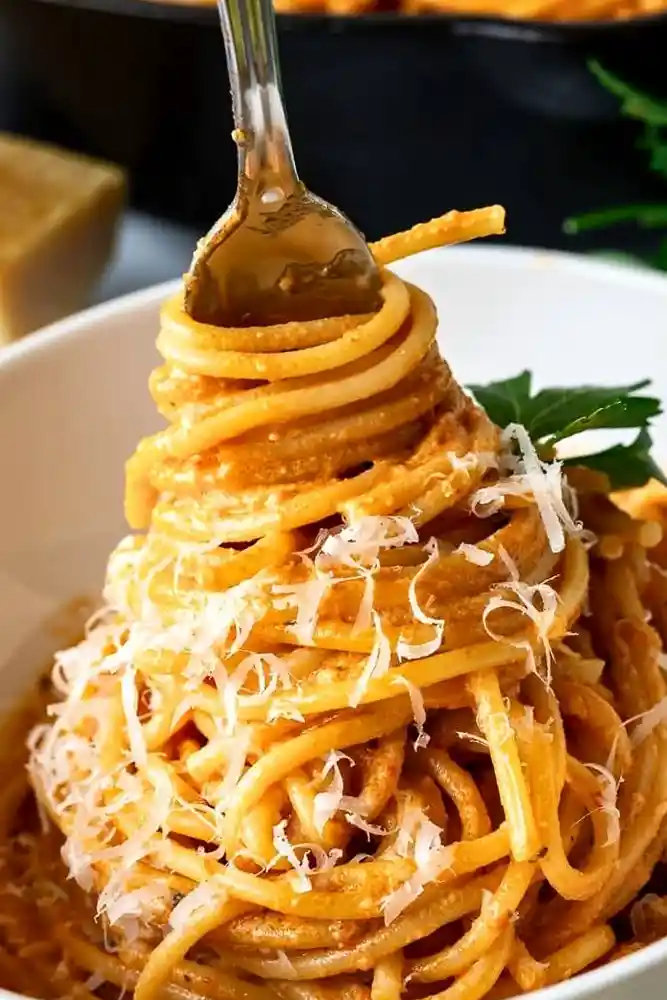
List of ingredients
- 1 lb spaghetti
- 3 tbsp butter
- 4 garlic cloves
- ⅓ cup onion, minced
- 1 ½ cup tomato puree
- 1 cup heavy cream
- ¾ cup milk
- 1 cup Parmesan cheese, grated plus extra for serving
- 1 ½ tsp Italian seasoning
- ½ tsp salt
- Freshly ground pepper to taste
- ¼ tsp red pepper flakes
step-by-step instructions
- Step: Cook the pasta in a large pot of salted boiling water until al dente according to package instructions. Keep ½ cup pasta cooking water, drain, and keep warm.
- Step: While the pasta is cooking, heat a large skillet over medium-high heat and melt the butter. Saute the onion and garlic for 30 seconds.
- Step: Add the tomato puree, heavy cream, milk, salt, pepper, Italian seasoning, red pepper flakes, and Parmesan cheese, and stir until melted. Simmer for 2 minutes.
- Step: Mix in the cooked pasta and toss until well covered with the sauce. If you feel the sauce is too thick, add some of the pasta cooking water to thin it out. Serve with extra Parmesan cheese on top.
Refining Your Technique
Achieving the Perfect Al Dente Texture
The secret to high-quality pasta lies in the timing and the water. Always add the pasta only when the water is at a violent boil, and resist the urge to add oil to the pot, as this prevents the sauce from adhering properly. Tasting a single strand one minute before the box recommendation is the only way to ensure the perfect bite that still has a slight, satisfying resistance in the center.
Mastering Sauce Emulsification
Emulsification is the process of binding your fats and liquids together, and the reserved pasta water is your most valuable asset here. The starch released by the spaghetti acts as a natural thickener and binder, helping the tomato and cream components form a cohesive, silky sauce rather than separating into oily and liquid layers. Always incorporate this water while the pan is off the heat or on a very low flame to keep the dairy stable.
Selecting the Best Tomato Base
Tomato puree or passata is superior to crushed tomatoes in this recipe because it provides a smooth, uniform texture that integrates perfectly with heavy cream. If you use crushed or diced tomatoes, you may find the sauce texture becomes slightly chunky, which changes the overall mouthfeel. If you only have crushed tomatoes, run them through a blender or food processor first to achieve the desired consistency.
Customizing Your Pasta Experience
Incorporating Seasonal Vegetables
This recipe serves as a brilliant canvas for a variety of fresh produce. Baby spinach can be folded into the sauce during the final minute of cooking, wilting instantly under the heat. Alternatively, sauté sliced cremini or button mushrooms along with your onions and garlic at the start to add an earthy, savory dimension that pairs beautifully with the tomato acidity.
Exploring Protein Additions
For those looking to increase the protein content of the meal, cooked rotisserie chicken strips are an excellent addition. Simply add the pre-cooked chicken to the skillet during the final simmering stage so it absorbs the flavors of the creamy sauce without drying out. Other options include sautéed shrimp added at the very end or chickpeas for a vegetarian-friendly protein boost.
Balancing the Flavor Profile
While the recipe uses Italian seasoning, you can customize the herb profile to suit your palate. A teaspoon of fresh, minced basil added just before serving provides a bright, sweet contrast to the savory sauce. If you prefer a hint of heat, a pinch of crushed red pepper flakes can be bloomed in the butter alongside the garlic to distribute a subtle warmth throughout the entire dish.
Managing Leftovers and Storage
Maintaining Quality in the Refrigerator
If you find yourself with leftovers, store the pasta in an airtight glass or plastic container as soon as it cools to room temperature. This helps prevent the noodles from absorbing too much of the sauce and becoming soggy over time. Properly sealed, the pasta will remain delicious and safe to consume for up to 3 days when stored in the coldest part of your refrigerator.
Strategies for Reheating Creamy Sauces
When reheating, moisture loss is the primary enemy of creamy pasta. To restore the original texture, place the pasta in a skillet over low heat and add a splash of milk or even a tiny amount of water. Stir gently and consistently until the heat is even, which will loosen the sauce and return it to its smooth, velvety state without causing the dairy to break or turn greasy.
Frequently Asked Questions
Why does my sauce separate when I add the cream?
Sauce separation usually occurs due to high heat or a sudden temperature shock. Always ensure your heat is reduced to low before introducing the heavy cream, and try to have your cream at room temperature if possible. Stirring constantly in a circular motion ensures the fat emulsifies with the tomato base rather than separating on the surface.
Can I use different types of pasta?
While spaghetti is the classic choice, this sauce is incredibly versatile and works well with almost any shape. Penne or rigatoni are excellent alternatives because their hollow centers and ridged surfaces capture more of the sauce in every bite. If you prefer smaller shapes, farfalle or fusilli also hold the sauce exceptionally well due to their complex folds and twists.
How do I make this sauce without dairy?
To create a dairy-free version, replace the heavy cream and milk with full-fat canned coconut milk or a high-quality oat-based cream alternative. For the cheese, use a plant-based Parmesan substitute or a generous sprinkling of nutritional yeast to provide that savory, umami-rich kick that the original Parmesan delivers. Be aware that plant-based alternatives may have a slightly different melting point, so adjust your simmering time accordingly.
Is it necessary to use pasta water?
Using pasta water is highly recommended because it contains significant amounts of dissolved starch. This starch is the key to creating a cohesive sauce that coats the noodles evenly, rather than a thin, watery liquid that pools at the bottom of the bowl. Even if you think your sauce is fine without it, adding a few tablespoons will almost always improve the glossy, professional finish of the dish.
Can I prepare the sauce in advance?
Yes, the sauce base can be prepared separately up to 24 hours in advance. Keep the sauce in a sealed container in the fridge and reheat it gently on the stove when you are ready to cook the fresh pasta. When the pasta is done, simply combine them in the pan, adding a little pasta water to reach the perfect consistency, which results in a meal that tastes as fresh as if it were cooked from scratch.
Print
Fast Prep: Creamy Tomato Pasta Dream
- Total Time: 20 minutes
- Yield: 6 servings 1x
- Diet: Vegetarian
Description
If you can’t decide between having pasta with tomato sauce or cream sauce, why not have it with both? This creamy, tomatoey pasta dish is a perfect family-friendly meal.
Ingredients
- 1 lb spaghetti
- 3 tbsp butter
- 4 garlic cloves
- ⅓ cup onion, minced
- 1 ½ cup tomato puree
- 1 cup heavy cream
- ¾ cup milk
- 1 cup Parmesan cheese, grated plus extra for serving
- 1 ½ tsp Italian seasoning
- ½ tsp salt
- Freshly ground pepper to taste
- ¼ tsp red pepper flakes
Instructions
- Step: Cook the pasta in a large pot of salted boiling water until al dente according to package instructions. Keep ½ cup pasta cooking water, drain, and keep warm.
- Step: While the pasta is cooking, heat a large skillet over medium-high heat and melt the butter. Saute the onion and garlic for 30 seconds.
- Step: Add the tomato puree, heavy cream, milk, salt, pepper, Italian seasoning, red pepper flakes, and Parmesan cheese, and stir until melted. Simmer for 2 minutes.
- Step: Mix in the cooked pasta and toss until well covered with the sauce. If you feel the sauce is too thick, add some of the pasta cooking water to thin it out. Serve with extra Parmesan cheese on top.
Notes
Do not boil the sauce after adding the cream to prevent curdling. Store leftovers in an airtight container in the fridge for up to 3 days.
- Prep Time: 5 minutes
- Cook Time: 15 minutes
- Category: Main Course
- Method: Stovetop
- Cuisine: American
Nutrition
- Serving Size: 1 serving
- Calories: 590 kcal
- Sugar: 8 g
- Sodium: 494 mg
- Fat: 27 g
- Saturated Fat: 16 g
- Unsaturated Fat: 8.5 g
- Trans Fat: 0 g
- Carbohydrates: 67 g
- Fiber: 4 g
- Protein: 20 g
- Cholesterol: 78 mg