These savory plain lo mein noodles are the ultimate quick-fix dinner, providing a chewy and satisfying base that comes together in mere minutes. By focusing on high-quality fresh egg noodles and a balanced blend of umami-rich sauces, you can replicate the authentic flavors of your favorite neighborhood takeout in your own home kitchen. This dish is designed to be versatile, serving as both a complete meal when paired with proteins or as a simple side that complements a wide array of other dishes.
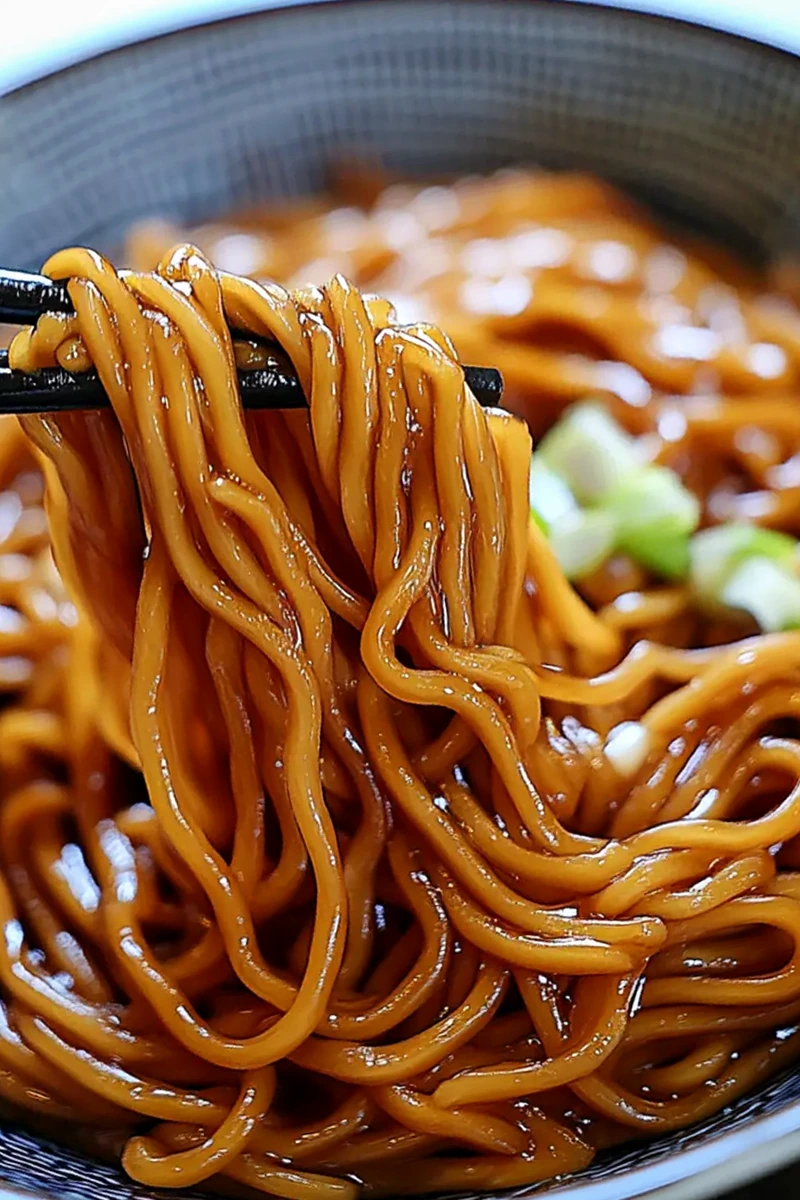
List of ingredients
- 300 grams fresh egg noodles
- 2 tablespoons oyster sauce
- 2 tablespoons dark soy sauce
- 1 splash soy sauce
- 2 tablespoons peanut oil
step-by-step instructions
- Step 1: Boil water in a large pot and cook the fresh egg noodles for about 2 to 3 minutes until tender but firm.
- Step 2: Preheat a wok over high heat until smoking and add 2 tablespoons of peanut oil until it shimmers.
- Step 3: Drain the noodles quickly in a colander and transfer them to the hot wok to sizzle.
- Step 4: Stir in the oyster sauce, dark soy sauce, and a splash of soy sauce, tossing for 1 to 2 minutes.
- Step 5: Taste and adjust seasoning, stirring for another minute if needed.
- Step 6: Plate the noodles and garnish with blanched bean sprouts or sliced scallions before serving.
Refining Your Stir-Fry Techniques
The Importance of Wok Hei
Wok hei, or the breath of the wok, refers to the smoky, toasted flavor imparted by high-heat cooking. To achieve this, it is critical not to crowd your pan. If you are doubling the recipe, it is better to cook in two separate batches rather than attempting to stir-fry a large volume of noodles at once, as a crowded pan will steam the noodles rather than sear them.
Selecting the Right Noodle Texture
The success of this dish relies heavily on the texture of the noodles. Fresh egg noodles are preferred because they possess a natural springiness that retains its integrity even when tossed in sauce. If you must use dried wheat noodles, be sure to undercook them by one minute compared to the package instructions, as they will continue to soften once they hit the wok and absorb the sauce.
Effective Ingredient Substitutions
Finding Alternatives for Oyster Sauce
If you cannot locate traditional oyster sauce, you can create a similar savory profile by combining a mixture of mushroom stir-fry sauce and a dash of molasses. Mushroom stir-fry sauce is an excellent vegetarian-friendly substitute that mimics the earthy, deep umami notes of oyster sauce without using any animal-derived ingredients. Adjust the sweetness by adding a very small pinch of sugar if the flavor feels too sharp.
Navigating Oil Selections
While peanut oil is traditional for its distinct aroma, you may need a neutral alternative for those with specific dietary sensitivities. Avocado oil is a fantastic option because it shares a similarly high smoke point. Avoid using extra virgin olive oil or butter, as these will burn at the high temperatures required for this recipe and create an acrid, unpleasant taste that dominates the delicate sauce components.
Creative Flavor Variations
Introducing Earthy Mushroom Notes
For a richer, heartier experience, try stir-frying thinly sliced shiitake or portobello mushrooms in the initial oil before adding the noodles. These mushrooms act as sponges, absorbing the soy and oyster sauce to become intense bursts of flavor. Pre-cooking the mushrooms ensures they become golden and caramelized rather than releasing too much water into the dish, which would dilute your sauce.
Adding Bright Acidic Elements
To lift the heavier umami profile of the dark soy sauce, consider adding a teaspoon of toasted sesame oil combined with a squeeze of fresh lime juice just before serving. The sesame oil adds a nutty, aromatic top note, while the lime juice provides a sharp, bright contrast that prevents the palate from feeling fatigued by the saltiness of the soy. Always add these volatile ingredients at the very end to preserve their delicate aromatics.
Storage and Reheating Strategies
Managing Leftover Noodles
If you have leftovers, allow them to cool completely before transferring them to an airtight container. Placing hot noodles into a container causes steam to build up, which will inevitably turn your noodles into a soggy mass by the next day. Stored properly in the refrigerator, these noodles remain fresh for up to three days, though they are always best consumed within the first twenty-four hours.
Restoring Texture During Reheating
Reheating is best done in a pan rather than a microwave to maintain the desired texture. Add a tablespoon of water or low-sodium broth to the pan, then toss the cold noodles over medium heat until they become pliable and the sauce creates a fresh, glossy sheen once more. Adding a little extra scallion during this process can also help refresh the flavor profile of the reheated dish.
Addressing Common Cooking Issues
Fixing Excess Saltiness
If you find that your sauce has become too salty, do not panic. The best way to dilute the salt is to add more volume to the dish without adding more seasoning. Stir in more blanched vegetables like bok choy, carrots, or bean sprouts, which will soak up the excess sauce and balance the dish. If vegetables are not available, folding in a small amount of cooked, unseasoned jasmine rice can help stretch the sauce and neutralize the high salt concentration.
Preventing Clumpy or Sticky Noodles
If your noodles are sticking together during the boiling process, ensure you are using plenty of water. A large volume of water allows the noodles to move freely, preventing them from releasing too much starch into a concentrated space. Once drained, a quick toss with a tiny drizzle of vegetable oil can prevent the strands from adhering to each other before they hit the wok.
Frequently Asked Questions
Can I use rice noodles for this recipe?
You can certainly use rice noodles, but they have a different starch composition and will require careful handling. Rice noodles should be soaked in warm water until flexible rather than boiled, as they can break apart easily under the high heat of a wok. Ensure they are completely drained before adding to the pan to avoid breaking the delicate strands.
Why is my dark soy sauce not giving the expected color?
Dark soy sauce is designed primarily for color rather than flavor depth. If your dish looks pale, you may be using light soy sauce, which is saltier and clearer. Ensure you are using a bottle specifically labeled as dark or aged soy sauce to achieve the traditional deep, rich brown color associated with high-quality lo mein.
Is it possible to add protein directly to the noodles?
You can absolutely add proteins like cooked shrimp, tofu, or thinly sliced chicken. However, you should stir-fry these proteins first and remove them from the wok before cooking your noodles. Reincorporate the proteins during the final minute of tossing so they heat through without overcooking or becoming tough and dry.
What is the benefit of blanching vegetables?
Blanching vegetables like snap peas or broccoli ensures they maintain a bright color and a pleasant, firm crunch. When you add raw vegetables directly to the wok, they often release water that creates steam, which is the enemy of a good stir-fry. Blanching allows you to control the exact level of tenderness while keeping your wok clean and dry for the sear.
Can I serve this cold as a noodle salad?
This recipe is highly versatile and works quite well as a cold noodle salad, especially in warmer weather. Simply rinse the cooked noodles in cold water to stop the cooking process and prevent sticking, then toss with the sauce mixture. Add fresh herbs like cilantro or thinly sliced cucumber for a cooling, refreshing variation that highlights the savory sauce.
Print
Savory Plain Lo Mein Noodles in Just 10 Minutes
- Total Time: PT10M
- Yield: 2 plates 1x
- Diet: Vegetarian
Description
Enjoy these quick and easy plain lo mein noodles bursting with umami flavor, perfect for busy weeknights.
Ingredients
- 300 grams fresh egg noodles
- 2 tablespoons oyster sauce
- 2 tablespoons dark soy sauce
- 1 splash soy sauce
- 2 tablespoons peanut oil
Instructions
- Step 1: Boil water in a large pot and cook the fresh egg noodles for about 2 to 3 minutes until tender but firm.
- Step 2: Preheat a wok over high heat until smoking and add 2 tablespoons of peanut oil until it shimmers.
- Step 3: Drain the noodles quickly in a colander and transfer them to the hot wok to sizzle.
- Step 4: Stir in the oyster sauce, dark soy sauce, and a splash of soy sauce, tossing for 1 to 2 minutes.
- Step 5: Taste and adjust seasoning, stirring for another minute if needed.
- Step 6: Plate the noodles and garnish with blanched bean sprouts or sliced scallions before serving.
Notes
For optimal results, use fresh egg noodles and ensure the wok is smoking hot before adding the noodles.
- Prep Time: PT5M
- Cook Time: PT5M
- Category: Dinner
- Method: Stir-fry
- Cuisine: Cantonese
Nutrition
- Serving Size: 1 plate
- Calories: 450 kcal
- Sugar: 3 g
- Sodium: 900 mg
- Fat: 15 g
- Saturated Fat: 2 g
- Unsaturated Fat: 12 g
- Trans Fat: 0 g
- Carbohydrates: 65 g
- Fiber: 2 g
- Protein: 10 g
- Cholesterol: 45 mg