Creating a restaurant-quality fettuccine alfredo at home is surprisingly straightforward when you focus on the quality of your ingredients and the emulsification technique. This classic Roman dish relies on the magic of starchy pasta water, high-quality butter, and freshly grated parmesan to create a luscious, silky coating for your noodles. By mastering this simple process, you can skip the heavy creams and flour thickeners often found in modern variations, resulting in a cleaner and more authentic flavor profile.
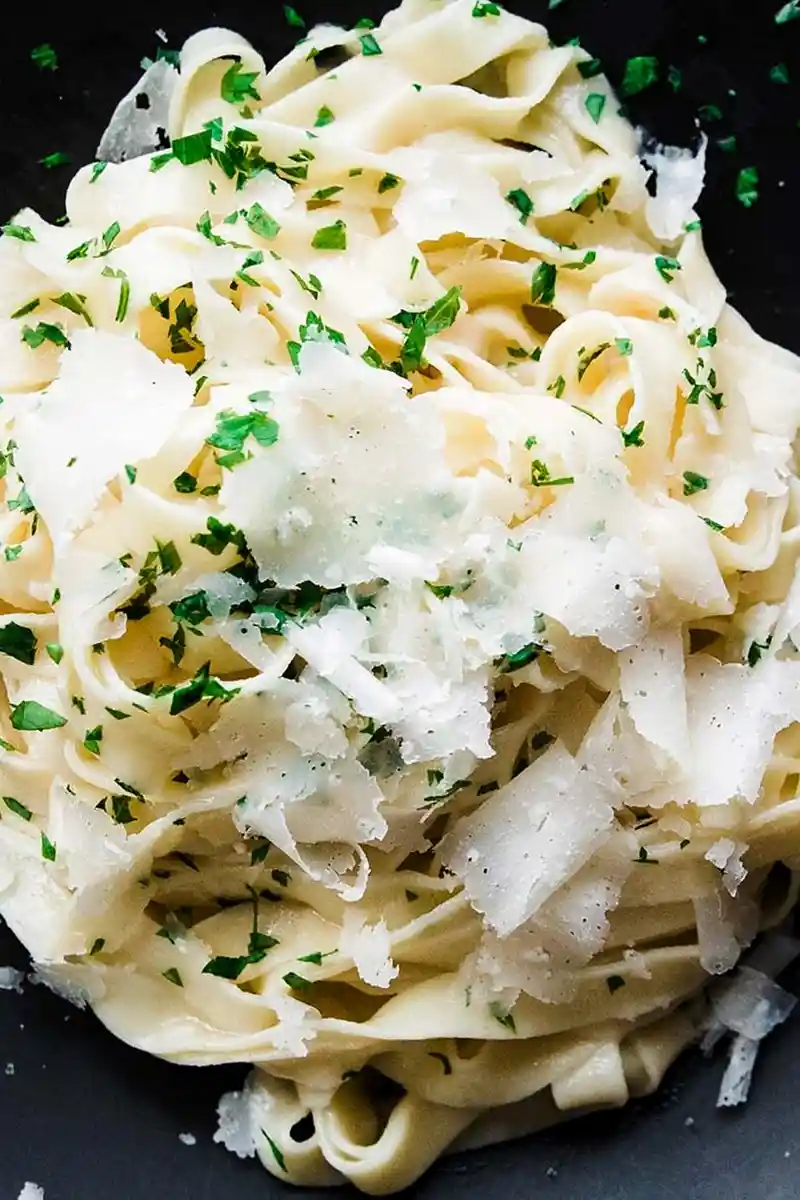
List of ingredients
- 8 tablespoons unsalted butter, cubed
- ¾ cup freshly grated parmesan cheese + ¼ cup for garnish
- ½ cup of hot pasta water
- 1 pound dried fettuccine or 1 ½ pounds fresh fettuccine pasta
- Sea salt and pepper to taste
step-by-step instructions
- Step: Start by adding the cubed unsalted butter to a large bowl or frying pan.
- Step: Next, sprinkle half of the parmesan cheese over top of the butter.
- Step: Drop the fettuccine pasta in a large pot of boiling salted water.
- Step: Drain the pasta and add it to the bowl with the butter and parmesan cheese.
- Step: Add about ½ cup of hot pasta water to the bowl as well.
- Step: Begin tossing the pasta by slightly dipping the bowl down, sharply pushing it forward, then immediately bring it back.
- Step: While tossing, begin to sprinkle in the remaining parmesan cheese.
- Step: Season with salt and pepper.
- Step: Serve with additional parmesan cheese. Add optional garnish of chopped fresh flat-leaf Italian parsley.
Techniques for a Perfect Emulsion
The Importance of Pasta Water Starch
The starch released by the fettuccine into the boiling water is the secret weapon of authentic Italian pasta preparation. This starchy water contains suspended particles that act as a bridge, allowing the fat in the butter and the proteins in the parmesan cheese to combine into a uniform, thick sauce. Without this starch, the fat and cheese would separate, leaving you with an oily or grainy texture instead of a cohesive coating.
Mastering the Bowl Toss
The tossing technique mimics the way professional chefs work in a restaurant kitchen to emulsify pasta sauces rapidly. By shaking the bowl in a rapid forward-and-backward motion, you are physically forcing the sauce components to integrate while cooling the pasta just enough to stop it from overcooking. If you struggle with the motion, using a set of sturdy silicone-tipped tongs to lift and turn the pasta repeatedly in a wide skillet can achieve the same result effectively.
Selecting the Best Components
Choosing the Right Parmesan
Parmesan, or Parmigiano-Reggiano, provides the primary savory backbone for this dish. Always purchase the cheese in block form and grate it using a microplane or the finest side of a box grater. Smaller granules melt more efficiently and help create a smoother sauce that coats the fettuccine without leaving gritty clumps or stringy patches behind.
Why Unsalted Butter Matters
When cooking with aged cheeses like parmesan, which are naturally salty, using unsalted butter allows you to manage the total salinity of the dish with precision. You can always add more salt, but you cannot remove it once the sauce is emulsified. Using unsalted butter also ensures that you are tasting the clean, sweet dairy notes of the butter rather than the preservative salts found in salted varieties.
Troubleshooting Common Sauce Issues
Resolving Clumpy Cheese
Clumpy sauce typically happens when the temperature is too high, causing the cheese proteins to contract and seize rather than melting smoothly. If you notice clumps forming, remove the pan from the heat immediately and add another splash of room-temperature or slightly cooled pasta water while stirring vigorously. This usually resets the emulsion and brings the sauce back to a smooth consistency.
Fixing a Watery Sauce
If your sauce looks too thin and isn’t clinging to the noodles, you likely added too much pasta water or the pasta wasn’t starchy enough. To fix this, continue tossing the pasta over very low heat to allow the water to evaporate slightly. Alternatively, add a small additional amount of freshly grated parmesan cheese, which will absorb the excess moisture and thicken the sauce as it melts.
Variations and Enhancements
Incorporating Fresh Herbs
While traditional recipes are strictly butter and cheese, modern home cooks often enjoy adding subtle fresh herbs. Finely chopped flat-leaf Italian parsley is the most common addition, as it provides a clean, herbaceous note that cuts through the richness of the butter. You could also experiment with thin ribbons of fresh basil or even a hint of lemon zest to brighten the overall flavor profile.
Adding Roasted Vegetables
If you want to turn this pasta into a more substantial meal, consider folding in sautéed or roasted vegetables. Asparagus spears, baby spinach, or roasted cherry tomatoes add color and nutritional depth to the dish. Ensure that any vegetables added are fully cooked and drained of excess moisture before they hit the sauce to avoid diluting the rich, creamy flavor.
FAQ
Can I make this dish ahead of time for a dinner party?
This dish is highly temperamental and relies on the immediate emulsion of hot pasta water and fresh cheese, making it a poor candidate for traditional meal prep. It is best to prepare the sauce component immediately after the pasta is finished cooking to ensure the best texture and flavor. If you must prepare elements in advance, keep your pasta water hot and have your cheese grated and ready to go so the final step takes less than two minutes.
How should I store leftover pasta?
Leftovers should be stored in an airtight container in the refrigerator for no more than four days. Because this sauce is an emulsion of fat and water, it will firm up significantly in the cold, so do not expect it to retain the same glossy, flowing consistency it had when freshly prepared. It is best to consume the meal immediately to enjoy it at its highest quality.
What is the best way to reheat alfredo without breaking the sauce?
To reheat, place the desired portion in a pan over low heat and add a small splash of plain water or broth. Stir constantly as the heat warms the pasta, which will help the fat and cheese re-emulsify. Avoid using a microwave if possible, as the intense direct heat can cause the fat in the butter to separate from the cheese, leaving you with an oily residue at the bottom of your bowl.
Can I substitute Pecorino Romano for Parmesan?
Yes, Pecorino Romano is an excellent substitute if you prefer a sharper, more pungent flavor. Keep in mind that Pecorino is significantly saltier than standard parmesan, so you should taste the sauce before adding any additional salt. You may want to start with a smaller amount of cheese and adjust to taste to ensure the final result is balanced and not overly aggressive.
Why is my pasta texture too soft?
Pasta should be cooked al dente, which implies a slight resistance to the tooth when bitten. If your pasta is turning soft or mushy, you are likely boiling it for too long or allowing it to soak in the hot sauce for too long before serving. Be sure to remove the pasta from the boiling water one minute before the package instructions recommend, as the residual heat from the sauce will finish the cooking process perfectly.
Print
Authentic Homemade Alfredo Sauce Recipe
- Total Time: PT15M
- Yield: 4 servings 1x
- Diet: Vegetarian
Description
This rich, creamy, authentic alfredo sauce recipe is tossed with fresh fettuccine pasta for the perfect easy-to-make meal.
Ingredients
- 8 tablespoons unsalted butter, cubed
- ¾ cup freshly grated parmesan cheese + ¼ cup for garnish
- ½ cup of hot pasta water
- 1 pound dried fettuccine or 1 ½ pounds fresh fettuccine pasta
- Sea salt and pepper to taste
Instructions
- Step: Start by adding the cubed unsalted butter to a large bowl or frying pan.
- Step: Next, sprinkle half of the parmesan cheese over top of the butter.
- Step: Drop the fettuccine pasta in a large pot of boiling salted water.
- Step: Drain the pasta and add it to the bowl with the butter and parmesan cheese.
- Step: Add about ½ cup of hot pasta water to the bowl as well.
- Step: Begin tossing the pasta by slightly dipping the bowl down, sharply pushing it forward, then immediately bring it back.
- Step: While tossing, begin to sprinkle in the remaining parmesan cheese.
- Step: Season with salt and pepper.
- Step: Serve with additional parmesan cheese. Add optional garnish of chopped fresh flat-leaf Italian parsley.
Notes
Make-Ahead: This recipe is meant to be served as soon as it is done cooking. Store covered in the refrigerator for up to 4 days. If the cheese begins to clump, turn off the heat immediately. If parmesan is not available, use pecorino romano as a substitute.
- Prep Time: PT5M
- Cook Time: PT10M
- Category: Main
- Method: Boiling
- Cuisine: Italian
Nutrition
- Serving Size: 1 serving
- Calories: 710 kcal
- Sugar: 2 g
- Sodium: 329 mg
- Fat: 33 g
- Saturated Fat: 19 g
- Unsaturated Fat: 11 g
- Trans Fat: 0 g
- Carbohydrates: 81 g
- Fiber: 4 g
- Protein: 23 g
- Cholesterol: 168 mg