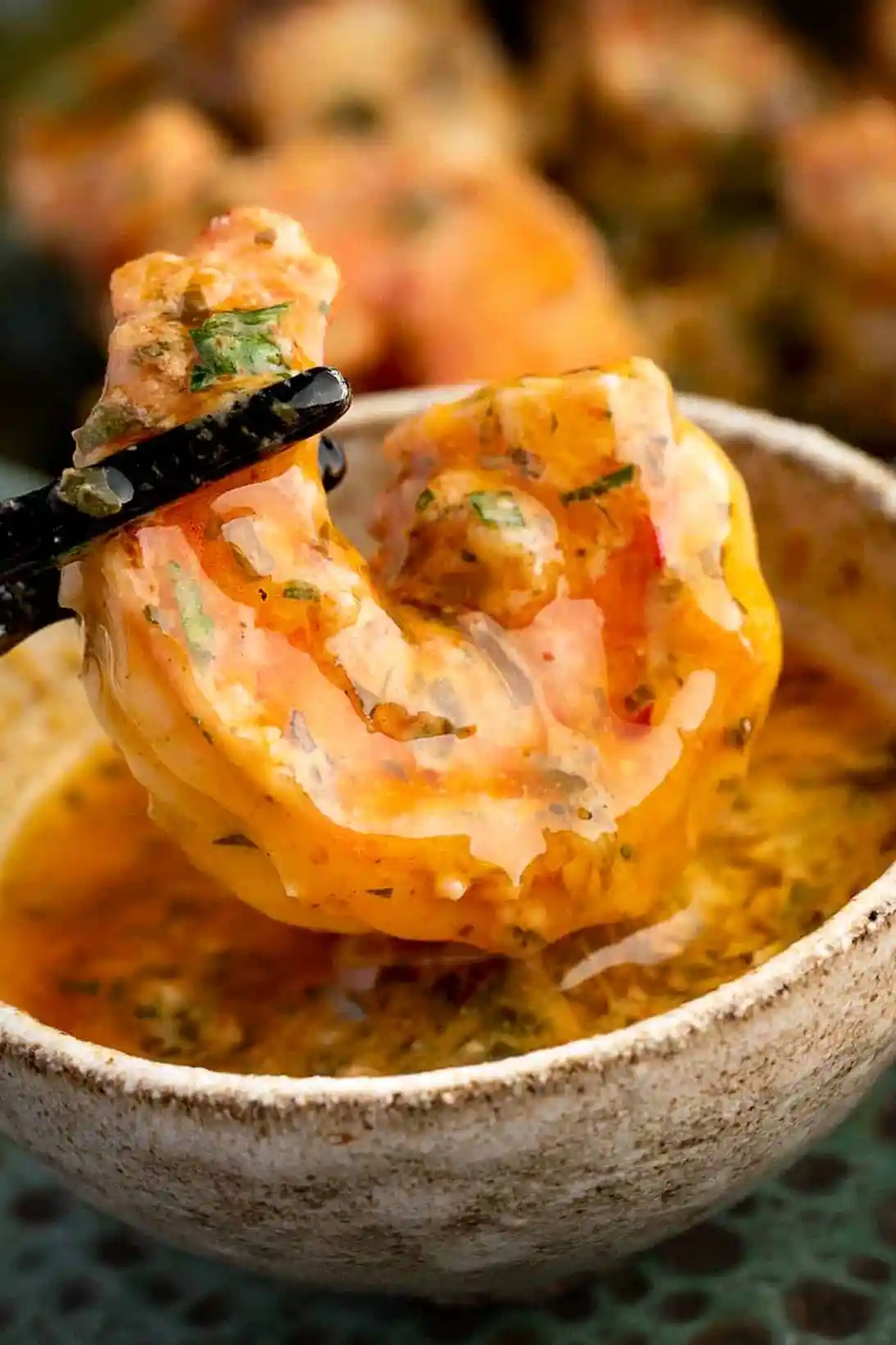
This Cowboy Butter Shrimp features succulent, pan-seared shrimp coated in a luxurious, herbaceous, and garlicky butter sauce with a balanced kick of heat and bright citrus. It is an ideal solution for those busy weeknights when you want restaurant-quality flavors without spending hours in the kitchen. The dish comes together in just one skillet, ensuring both minimal cleanup and maximum enjoyment for your next family dinner.
List of ingredients
- 1 pound large shrimp, peeled and deveined
- 1 tablespoon oil
- Salt and pepper, to taste
- 1 teaspoon paprika
- 1/2 teaspoon garlic powder
- 1 teaspoon olive oil
- 2 teaspoons finely minced garlic
- Salt and pepper, to taste
- 1/2 teaspoon smoked paprika
- 1/4 teaspoon red chili flakes
- 1/2 teaspoon oregano
- 1/3 cup unsalted butter
- 1 tablespoon Dijon mustard
- 1/4 cup finely chopped parsley
- Zest and juice of 1 lemon
step-by-step instructions
- Prepare the Shrimp: Rinse the shrimp under cold water and pat them dry with paper towels. Butterfly the shrimp by carefully slicing down the back, making a deeper pocket for better seasoning. Place the shrimp in a bowl and toss with oil, salt, pepper, paprika, and garlic powder. Set aside.
- Cook the Shrimp: Heat oil in a large skillet over medium-high heat. Add the seasoned shrimp in a single layer. Cook for 1-2 minutes per side, or until pink and opaque. Transfer to a plate.
- Make the Sauce: In the same pan, reduce heat to medium. Add the oil, garlic, salt, pepper, oregano, red chili flakes, and paprika. Sauté for 30 seconds, until fragrant.
- Finish the Sauce: Lower the heat. Stir in 2 tablespoons butter and Dijon mustard until melted. Gradually add the remaining butter, stirring until smooth.
- Combine: Mix in the parsley, lemon zest, and lemon juice. Taste and adjust seasoning.
- Serve: Toss the shrimp in the sauce, garnish with fresh parsley, and serve.
Techniques for a Perfect Sear
Mastering the Pan Surface Temperature
The secret to a great shrimp dish is achieving a golden crust rather than steaming the protein. Your skillet must be hot before the shrimp enter the pan, which creates an immediate Maillard reaction. If the pan isn’t hot enough, the shrimp will release their internal juices too quickly, leading to a rubbery texture and a watery, flavorless sauce.
Importance of Proper Moisture Control
Shrimp have a high water content, and any lingering moisture on the exterior will evaporate in the pan, dropping the surface temperature. Always use high-quality paper towels to press the shrimp firmly until they are surface-dry. This single step ensures that the seasonings adhere to the flesh rather than sliding off into the oil.
Refining Your Cowboy Butter Sauce
Why Emulsification Matters
The combination of Dijon mustard and butter creates a stable emulsion that clings to the shrimp rather than separating into an oily mess. By adding the butter slowly and maintaining a moderate heat, you ensure the sauce stays creamy and cohesive. If the sauce looks too thin, whisk it vigorously for an extra 30 seconds off the heat, as the ambient heat will continue to thicken the mixture.
Balancing the Acid and Heat Profiles
Cowboy butter relies on the interplay between the richness of the dairy and the brightness of the lemon. If you find the sauce feels too heavy, incorporate a splash more fresh lemon juice, which will help lift the flavors of the garlic and smoked paprika. Taste your sauce after adding the Dijon but before the final toss to ensure the balance of tang and spice meets your personal preference.
Serving Ideas for Complete Meals
Pairing with Starchy Foundations
Because the sauce is so rich, it serves as a natural dressing for starchy sides that can absorb the extra garlic butter. Serve the shrimp over a bed of al dente linguine, buttery orzo, or fluffy jasmine rice. These grains soak up the leftover butter, transforming a simple protein dish into a substantial, filling main course.
Selecting Complementary Fresh Vegetables
Adding roasted or sautéed vegetables directly to the skillet can round out the nutritional profile of this meal. Blanched asparagus, sautéed zucchini ribbons, or fire-roasted bell peppers work excellently alongside the shrimp. Their clean, crisp textures contrast nicely with the velvety, herbaceous coating of the cowboy butter.
Storage and Reheating Strategies
Managing Leftover Seafood
If you have leftovers, store them in a glass airtight container in the refrigerator to prevent the flavors of the garlic and butter from permeating other food items. Consume within 48 hours for the highest quality, as shrimp can degrade in texture if stored for too long. Avoid freezing this dish, as the emulsion of the butter sauce will break down entirely upon thawing.
Restoring the Sauce Consistency
When reheating, use a low heat on the stovetop to avoid toughening the shrimp. Add one tablespoon of water or low-sodium chicken broth to the pan while the sauce warms to help emulsify the butter back into a smooth consistency. Microwaving is generally discouraged as it creates uneven hot spots that cause the shrimp to become chewy and the sauce to separate.
Frequently Asked Questions
Can I use dried parsley if I do not have fresh?
While you can use dried parsley, reduce the amount to one teaspoon, as dried herbs have a much more concentrated flavor profile. Fresh parsley is highly recommended because it provides a necessary vibrant, peppery brightness that dried versions simply cannot replicate in this specific sauce.
What is the best way to handle frozen shrimp for this recipe?
Thaw the shrimp slowly in the refrigerator for 24 hours to ensure they remain plump and tender. If you are short on time, submerge the shrimp in a bowl of cold water, changing the water every 15 minutes, but ensure they are thoroughly drained and dried before they touch the hot skillet.
Can I swap the butter for an oil-based alternative?
Replacing the butter will fundamentally change the flavor and mouthfeel of the dish, as the cow-milk solids are essential to the “cowboy” style. If you must avoid dairy, use a high-quality vegan butter block, which is designed to emulate the melting characteristics and fat content of real butter, ensuring the sauce remains creamy.
Is there a way to make this dish even spicier?
Increase the amount of red chili flakes by an extra quarter teaspoon if you enjoy a more pronounced heat. You can also incorporate a pinch of cayenne pepper during the spice-sautéing step to add a different dimension of sharp, dry heat that pairs well with the smoked paprika.
Print
Cowboy Butter Shrimp
- Total Time: 25 minutes
- Yield: 4 servings 1x
- Diet: Pescatarian
Description
This Cowboy Butter Shrimp features juicy shrimp seared to perfection in a rich, garlicky butter sauce with a hint of heat and fresh lemon. Perfect for quick weeknight dinners or special occasions.
Ingredients
- 1 pound large shrimp, peeled and deveined
- 1 tablespoon oil
- Salt and pepper, to taste
- 1 teaspoon paprika
- 1/2 teaspoon garlic powder
- 1 teaspoon olive oil
- 2 teaspoons finely minced garlic
- Salt and pepper, to taste
- 1/2 teaspoon smoked paprika
- 1/4 teaspoon red chili flakes
- 1/2 teaspoon oregano
- 1/3 cup unsalted butter
- 1 tablespoon Dijon mustard
- 1/4 cup finely chopped parsley
- Zest and juice of 1 lemon
Instructions
- Prepare the Shrimp: Rinse the shrimp under cold water and pat them dry with paper towels. Butterfly the shrimp by carefully slicing down the back, making a deeper pocket for better seasoning. Place the shrimp in a bowl and toss with oil, salt, pepper, paprika, and garlic powder. Set aside.
- Cook the Shrimp: Heat oil in a large skillet over medium-high heat. Add the seasoned shrimp in a single layer. Cook for 1-2 minutes per side, or until pink and opaque. Transfer to a plate.
- Make the Sauce: In the same pan, reduce heat to medium. Add the oil, garlic, salt, pepper, oregano, red chili flakes, and paprika. Sauté for 30 seconds, until fragrant.
- Finish the Sauce: Lower the heat. Stir in 2 tablespoons butter and Dijon mustard until melted. Gradually add the remaining butter, stirring until smooth.
- Combine: Mix in the parsley, lemon zest, and lemon juice. Taste and adjust seasoning.
- Serve: Toss the shrimp in the sauce, garnish with fresh parsley, and serve.
Notes
Store leftovers in an airtight container in the fridge for up to 2 days. Reheat gently in a skillet or microwave, adding a splash of water or broth to refresh the sauce if needed.
- Prep Time: 15 minutes
- Cook Time: 10 minutes
- Category: Seafood
- Method: Stovetop
- Cuisine: American
Nutrition
- Serving Size: 1 serving
- Calories: 266 kcal
- Sugar: 0.2 g
- Sodium: 688 mg
- Fat: 17 g
- Saturated Fat: 8 g
- Unsaturated Fat: 9 g
- Trans Fat: 0 g
- Carbohydrates: 3 g
- Fiber: 1 g
- Protein: 16 g
- Cholesterol: 144 mg