This exquisite pink sauce pasta brings together the bold, concentrated sweetness of tomato paste with the luxurious, velvety richness of heavy cream. It is a sophisticated yet accessible weeknight meal that turns pantry staples into a restaurant-quality dish in under thirty minutes. By carefully balancing acidity with dairy, you achieve a beautiful rose-colored sauce that clings perfectly to every ridge of your favorite pasta shapes.
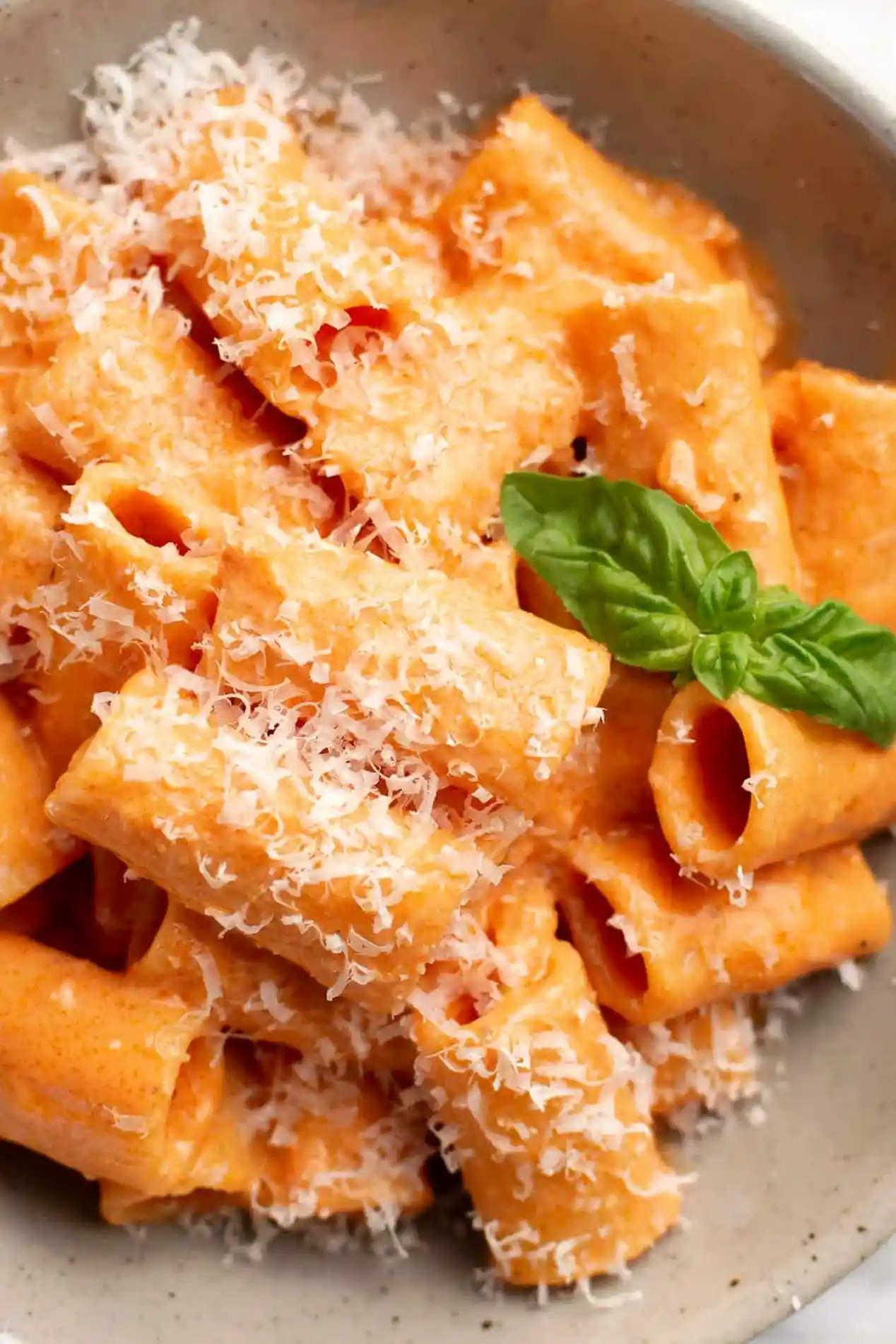
List of ingredients
- 8 ounces uncooked pasta (rigatoni or penne preferred)
- 1 tablespoon olive oil
- 2 tablespoons butter
- 1/2 small onion (chopped finely)
- 1/4 teaspoon Italian seasoning
- 2-3 cloves garlic (minced)
- 1/4 cup vegetable broth
- 1/4 cup tomato paste
- 1 cup heavy/whipping cream
- 1/2 cup freshly grated parmesan cheese
- Salt & pepper (to taste)
step-by-step instructions
- Step: Boil a large, salted pot of water and cook your pasta al dente according to package directions.
- Step: Meanwhile, add the oil and butter to a skillet over medium heat. Once melted, add the onion and Italian seasoning. Sauté the onion for 5-7 minutes or until softened and lightly browned.
- Step: Stir in the garlic, then add the vegetable broth and let it bubble for about 30 seconds.
- Step: Stir in the tomato paste and cream until smooth. Let the sauce bubble for about 5 minutes or until thickened up a bit.
- Step: Take the skillet off the heat and stir in the parmesan cheese.
- Step: If the sauce has become too thick, thin it with a little bit of the hot pasta water prior to draining it. Drain the cooked pasta, add it to the skillet, and toss. Season with salt & pepper as needed and serve immediately.
Refining the Sauce Texture
The Role of Starch in Emulsification
The secret to a restaurant-style pasta dish lies in the liquid you use to thin your sauce. Never discard all of your pasta water before draining; instead, keep about a half-cup aside. The starch released by the pasta into the water acts as a natural thickener and binder, helping the sauce adhere to the noodles rather than sliding off to the bottom of the bowl.
Selecting the Right Tomato Paste
Because tomato paste is the primary source of umami and color in this dish, the quality matters significantly. Using a double-concentrated paste, often found in metal tubes, provides a much deeper flavor profile compared to canned versions. It also allows you to control the exact amount without wasting leftover product, which is vital for maintaining the correct ratio of tomato to cream.
Preparation and Ingredient Management
The Importance of Freshly Grated Cheese
Pre-shredded cheese is often coated in anti-caking agents like potato starch or cellulose, which prevent the pieces from clumping in the bag but hinder them from melting smoothly into a sauce. When you grate your own parmesan from a block, it melts seamlessly into the cream, ensuring your sauce remains silky and prevents a grainy texture from developing in your finished dish.
Managing Aromatics for Optimal Flavor
Fine dicing of the onion is critical for a smooth sauce consistency. Larger chunks of onion will distract from the delicate balance of the tomato and cream. If you have sensitive eyes or prefer a very smooth texture, you can use a box grater to shred the onion into a pulp before sautéing, which will allow it to essentially melt into the sauce base during the cooking process.
Adjusting for Perfect Results
Why Full-Fat Dairy is Essential
This recipe relies on the high fat content of heavy or whipping cream to withstand the acidity of the tomato paste without curdling. Attempting to use milk or half-and-half will likely result in a split, watery sauce that lacks the necessary body. If you are concerned about richness, consider serving smaller portions rather than substituting the dairy component with lower-fat alternatives.
Balancing the Acid Profile
If you find that the tomato paste provides too much acidity for your personal palate, you can balance the sauce by adding a tiny pinch of sugar. Sometimes, the quality of store-bought tomato paste can vary in sweetness, and a small amount of sugar acts as a flavor equalizer. Always taste your sauce before adding the parmesan to decide if it needs that slight adjustment.
Frequently Asked Questions
Can I prepare the sauce in advance?
You can prepare the sauce base up to the point of adding the parmesan cheese and store it in an airtight container in the refrigerator for up to two days. When you are ready to serve, reheat the sauce gently over low heat, add the parmesan, and then combine it with freshly cooked, hot pasta.
Why did my sauce become too thick?
Cream-based sauces naturally thicken as they sit and cool down due to the dairy proteins and starch content. If your sauce becomes thicker than you would like, simply splash in a small amount of hot water or vegetable broth to loosen it up. This should be done just before serving to ensure the best texture and temperature.
Is it possible to add vegetables to this meal?
You can easily incorporate finely chopped vegetables like zucchini, bell peppers, or spinach to boost the nutritional content. If you choose to add them, sauté the vegetables alongside the onions until they are soft before adding the garlic and liquids. Ensure any water released by the vegetables is evaporated before adding the cream.
How should I store leftover pasta?
Leftovers can be kept in a sealed container in the refrigerator for up to three days. However, pasta tends to absorb moisture over time, which will make the leftovers appear dryer. When reheating, add a tablespoon of water to the pan to help re-emulsify the sauce and restore its original silky consistency without overcooking the pasta.
Can I freeze the sauce for later use?
It is generally not recommended to freeze this sauce, as the high cream content tends to separate and become grainy once thawed. The texture will change significantly, and it will no longer maintain the smooth, velvety quality that defines this dish. It is best enjoyed fresh or within a few days of being prepared in the refrigerator.
Print
Easy Pink Sauce Pasta
- Total Time: PT30M
- Yield: 4 servings 1x
- Diet: Vegetarian
Description
This 30-minute pink sauce pasta recipe has an irresistibly silky tomato and cream sauce! Everyday ingredients are elevated in this pasta dish, and it’s a total showstopper.
Ingredients
- 8 ounces uncooked pasta (rigatoni or penne preferred)
- 1 tablespoon olive oil
- 2 tablespoons butter
- 1/2 small onion (chopped finely)
- 1/4 teaspoon Italian seasoning
- 2–3 cloves garlic (minced)
- 1/4 cup vegetable broth
- 1/4 cup tomato paste
- 1 cup heavy/whipping cream
- 1/2 cup freshly grated parmesan cheese
- Salt & pepper (to taste)
Instructions
- Step: Boil a large, salted pot of water and cook your pasta al dente according to package directions.
- Step: Meanwhile, add the oil and butter to a skillet over medium heat. Once melted, add the onion and Italian seasoning. Sauté the onion for 5-7 minutes or until softened and lightly browned.
- Step: Stir in the garlic, then add the vegetable broth and let it bubble for about 30 seconds.
- Step: Stir in the tomato paste and cream until smooth. Let the sauce bubble for about 5 minutes or until thickened up a bit.
- Step: Take the skillet off the heat and stir in the parmesan cheese.
- Step: If the sauce has become too thick, thin it with a little bit of the hot pasta water prior to draining it. Drain the cooked pasta, add it to the skillet, and toss. Season with salt & pepper as needed and serve immediately.
Notes
If you’re feeding four hungry people who will eat more than 2 oz pasta each and no side dishes, I recommend doubling the recipe. Use quality tomato paste! I don’t recommend subbing the cream for something lower fat as it may curdle due to the acidity of the tomatoes, and you will end up with a thinner and more watery sauce. You will have the best results if you buy a block of parmesan cheese and grate it yourself.
- Prep Time: PT10M
- Cook Time: PT20M
- Category: Main Course
- Method: Stovetop
- Cuisine: American
Nutrition
- Serving Size: 1 serving
- Calories: 578 kcal
- Sugar: 6 g
- Sodium: 414 mg
- Fat: 35 g
- Saturated Fat: 20 g
- Unsaturated Fat: 12 g
- Trans Fat: 0.2 g
- Carbohydrates: 50 g
- Fiber: 3 g
- Protein: 14 g
- Cholesterol: 93 mg