This quick pan-seared salmon features a sticky brown sugar glaze that balances sweet and savory notes perfectly. It is an efficient dinner option that delivers a restaurant-quality crust and tender interior in just 20 minutes.
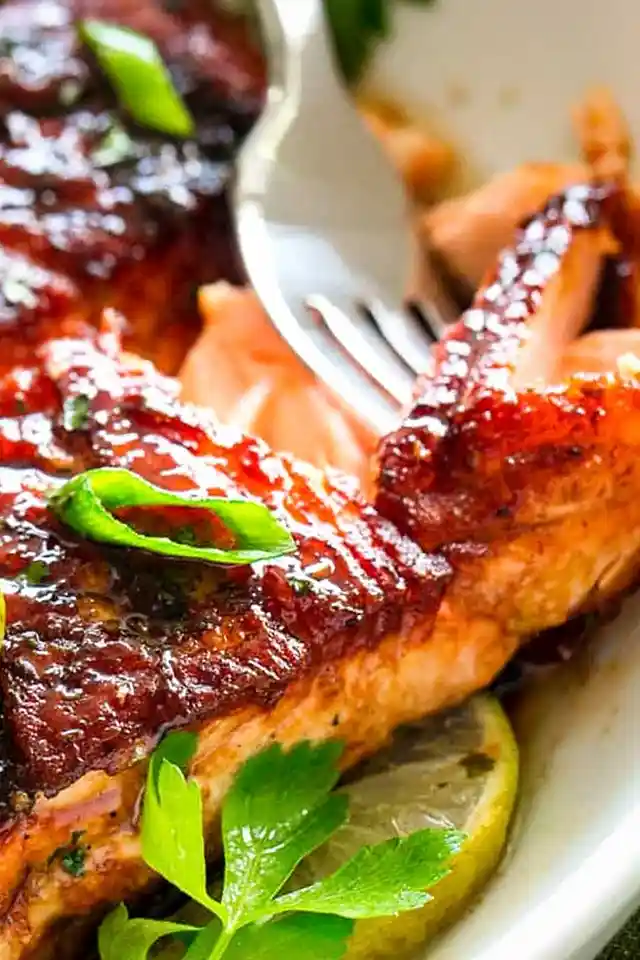
List of ingredients
- 1 tablespoon olive oil – used for high-heat searing.
- 1/2 tablespoon butter – adds richness and helps with browning.
- 4 skin-on salmon fillets (5 to 6 ounces each) – ensures moisture retention during cooking.
- Salt and fresh ground black pepper – used for basic seasoning to taste.
- 1 tablespoon melted coconut oil – provides a subtle sweetness to the glaze.
- 2 tablespoons low sodium soy sauce – adds saltiness and depth of flavor.
- 2 tablespoons low sodium Worcestershire sauce – provides a tangy, savory base.
- 1/4 cup light brown sugar – creates the sticky, caramelized coating.
- 1 teaspoon grated fresh ginger – adds a zesty, aromatic punch.
- Zest of 1 lime – contributes bright, citrusy oils.
- Juice of 1 lime – adds acidity to balance the sugar.
- Fresh ground black pepper – extra seasoning for the sauce.
- Chopped fresh cilantro or parsley – used for a fresh garnish.
- Sliced green onions – adds a mild onion flavor and color for garnish.
step-by-step instructions
- Prepare the fish: Let the salmon fillets sit at room temperature for 15 minutes to ensure even cooking. Pat the skin and flesh dry with paper towels to help achieve a better sear.
- Heat the pan: Combine the olive oil and butter in a large skillet over medium-high heat until the butter is melted and shimmering.
- Season and sear: Sprinkle salt and pepper over the fillets. Place them in the skillet skin-side down and cook for 6 to 9 minutes, or until the flesh lightens from dark pink to pale and is about three-quarters cooked.
- Flip the fillets: Carefully turn the salmon over and cook for an additional 2 minutes to finish the cooking process.
- Prepare the glaze: While the fish cooks, whisk together melted coconut oil, soy sauce, Worcestershire sauce, brown sugar, grated ginger, lime zest, lime juice, and black pepper in a small bowl.
- Apply the glaze: Lower the heat to medium and pour the glaze into the pan. Swirl the liquid and cook for 1 minute until it thickens, flipping each fillet to ensure they are thoroughly coated.
- Finish and serve: Remove the skillet from the heat immediately to prevent burning. Garnish with chopped cilantro or parsley and sliced green onions before serving.
Mastering the Pan-Searing Technique
Use a Heavy-Bottomed Skillet
A cast iron or heavy stainless steel skillet is ideal for this recipe because it retains heat better than thin pans. This prevents the temperature from dropping significantly when the cold fish hits the surface, ensuring a consistent sear. Consistent heat is the secret to achieving that golden-brown crust without overcooking the center.
Achieve the Optimal Surface Temperature
Wait until the olive oil and butter are shimmering or just starting to wisps of smoke before adding the salmon. If the pan is too cold, the fish will stick and steam rather than sear. If it is too hot, the butter will burn and create a bitter taste in the final dish.
Maintain Patience with the Skin
Avoid the urge to move or flip the salmon frequently during the first few minutes of cooking. The fish will naturally release from the pan once the skin has developed a proper crust. Prodding the fillets too early can tear the delicate skin and result in an uneven sear.
Balance the Oil and Butter Blend
Using a combination of olive oil and butter provides the best of both worlds. Olive oil has a higher smoke point, which prevents the fat from burning at medium-high temperatures. The butter adds a nutty flavor and helps the salmon achieve a deep, rich color through the Maillard reaction.
Customizing the Glaze and Flavors
Swap Soy Sauce for Coconut Aminos
For those who prefer a lower-sodium option or a soy-free alternative, coconut aminos work exceptionally well. They provide a similar salty-sweet profile but with a slightly milder taste. This substitution maintains the consistency of the glaze without altering the cooking method.
Use Maple Syrup Instead of Brown Sugar
Pure maple syrup can replace brown sugar for a more distinct, woody sweetness. Since syrup is a liquid, you may need to reduce the amount of coconut oil slightly to maintain the glaze’s thickness. This variation pairs beautifully with the lime and ginger notes.
Replace Coconut Oil with Unsalted Butter
If coconut oil is unavailable, melted unsalted butter is a practical substitute in the glaze. Butter adds a creamy richness that complements the acidity of the lime. Be sure to whisk it thoroughly with the other ingredients to ensure the sauce emulsifies.
Experiment with Different Citrus Options
While lime provides a sharp, bright flavor, lemon juice and zest offer a more classic citrus profile. Orange juice can also be used for a sweeter, more floral glaze. Adjust the amount of brown sugar depending on how sweet the chosen citrus fruit is.
Complementary Side Dish Recommendations
Hearty Grain Pairings
Serve this glazed salmon over a bed of fluffy brown rice or quinoa to soak up the extra sauce. Jollof rice or a simple lemon-herb basmati rice also work well. Grains provide a neutral base that balances the intensity of the brown sugar and soy.
Nutrient-Dense Green Vegetables
Steamed broccoli or sautéed spinach adds a fresh, earthy contrast to the sweet glaze. Roasted Brussels sprouts or grilled asparagus are also excellent choices. These vegetables provide a necessary crunch and nutritional balance to the omega-3 rich salmon.
Low-Carb Vegetable Alternatives
Coconut lime cauliflower rice is a fantastic low-carb substitute for traditional grains. Zucchini noodles or a cauliflower mash also pair well with the tangy glaze. These options keep the meal light while maintaining a satisfying volume.
Fresh Salad Accompaniments
A crisp cucumber salad with a rice vinegar dressing complements the Asian-inspired flavors of the glaze. A mixed greens salad with a light citrus vinaigrette also works. The acidity in a fresh salad helps cut through the richness of the salmon and butter.
Storage and Reheating Guidelines
Airtight Storage Methods
Place cooled salmon fillets in a glass airtight container to preserve the flavor and texture. Ensure the remaining glaze is poured over the fish to keep it moist. This prevents the salmon from drying out when exposed to the air in the refrigerator.
Proper Cooling Procedures
Allow the salmon to cool to room temperature before sealing the container. Placing hot fish directly into the fridge can create condensation, which makes the crispy skin soggy. This step is crucial for maintaining the quality of the fillets for the next day.
Low-Heat Reheating Techniques
To reheat the salmon, use an oven or toaster oven set to 275 degrees Fahrenheit. Gently warm the fillets for 10 to 15 minutes until heated through. Avoid high temperatures, as salmon overcooks very quickly and can become tough and dry.
Avoiding Microwave Overcooking
If using a microwave, use the lowest power setting and heat in short 30-second intervals. Overheating salmon in the microwave often leads to a rubbery texture and a strong fishy aroma. Always cover the fish with a damp paper towel to retain moisture.
Advance Preparation and Planning
Prepping the Glaze in Advance
The brown sugar glaze can be whisked together several hours or even a day before cooking. Store the mixture in a sealed jar in the refrigerator to let the ginger and lime flavors meld. Simply bring it to room temperature before adding it to the hot pan.
Portioning Raw Salmon Fillets
If you buy a large side of salmon, slice it into 5 to 6 ounce fillets a day in advance. Store them in separate parchment paper wraps within a container to prevent sticking. This makes the actual cooking process much faster during a busy weeknight.
Coordinating Side Dish Timing
Start your grains or roasted vegetables first, as they typically take longer than the 20 minutes required for the salmon. Aim to have your sides almost finished just as the salmon is ready for the glaze. This ensures everything reaches the table hot.
Common Cooking Challenges
Preventing the Glaze from Burning
Sugar burns quickly, so it is essential to lower the heat to medium before adding the glaze. Watch the sauce closely and remove the pan from the heat as soon as the liquid thickens and coats the fish. A few seconds of overheating can turn the sweet glaze bitter.
Stopping Salmon from Sticking to the Pan
Sticking usually happens if the pan isn’t hot enough or if the fish was too wet when it entered the oil. Always pat the salmon dry with a paper towel immediately before seasoning. Ensure the oil is shimmering before placing the fillets in the pan.
Identifying the Perfect Internal Temperature
Use a digital meat thermometer to check for doneness, aiming for an internal temperature of 135 to 145 degrees Fahrenheit. The fish should flake easily with a fork but still remain moist in the center. Overcooking salmon results in a chalky texture.
Managing Salmon Thickness Variations
If your fillets vary in thickness, the thinner pieces will cook faster than the thicker ones. Remove smaller fillets from the pan early and keep them on a warm plate. Add them back to the pan only for the final glazing step.
Frequently Asked Questions
Can I use frozen salmon fillets?
Yes, but they must be completely thawed in the refrigerator overnight before cooking. Cooking frozen salmon directly in the pan leads to uneven cooking and prevents a proper sear. Pat them extra dry, as frozen fish tends to release more moisture.
How do I get the skin extra crispy?
Ensure the skin is completely dry and press down lightly on the fillets with a spatula when first placing them in the pan. This ensures maximum contact between the skin and the hot oil. Avoid overcrowding the pan, which creates steam and softens the skin.
What if I do not have a lime?
A lemon is the best substitute, providing a similar acidic profile. If no citrus is available, a small amount of apple cider vinegar can provide the necessary tang. However, you will miss the bright aroma provided by the lime zest.
Can this be made in an oven?
While pan-searing is preferred for the crust, you can bake the salmon at 400 degrees Fahrenheit. Sear the fish in a pan for 2 minutes per side first, then transfer to the oven and brush on the glaze. Bake for 8 to 12 minutes depending on the thickness.
Print
Brown Sugar Glazed Salmon
- Total Time: 20 minutes
- Yield: 4 servings 1x
- Diet: General
Description
Crispy on the outside, and tender on the inside, this sweet and tangy glazed salmon recipe is an easy weeknight meal that will quickly have everyone coming back for seconds.
Ingredients
- 1 tablespoon olive oil
- ½ tablespoon butter
- 4 skin-on salmon fillets, about 5 to 6 ounces each
- salt and fresh ground black pepper, to taste
- 1 tablespoon melted coconut oil
- 2 tablespoons low sodium soy sauce
- 2 tablespoons low sodium Worcestershire sauce
- ¼ cup light brown sugar
- 1 teaspoon grated fresh ginger
- zest of 1 lime
- juice of 1 lime
- fresh ground black pepper, to taste
- chopped fresh cilantro or parsley, for garnish
- sliced green onions, for garnish
Instructions
- Step 1: Let the salmon fillets sit at room temperature for 15 minutes.
- Step 2: Heat the olive oil and butter in a large skillet over medium-high heat.
- Step 3: Season the salmon fillets with salt and pepper and add to the skillet, skin-side down.
- Step 4: Cook for about 6 to 9 minutes or until cooked three-quarters of the way up.
- Step 5: Flip over and cook for 2 more minutes.
- Step 6: Meanwhile, in a mixing bowl, combine the melted coconut oil, soy sauce, Worcestershire sauce, sugar, ginger, lime zest, lime juice, and fresh ground black pepper; whisk until thoroughly combined.
- Step 7: Once the fish has cooked on both sides, lower the heat to medium and add the brown sugar glaze to the pan.
- Step 8: Swirl it around and cook for 1 minute, or until it starts to thicken, flipping each fillet around to coat.
- Step 9: Remove from heat, garnish with cilantro or parsley and green onions, and serve.
Notes
Pat the salmon dry with paper towels before seasoning to ensure a better sear. Use a cast iron or nonstick skillet to prevent sticking. To ensure even cooking, you may cook fillets in batches and add them all back for the final glazing step.
- Prep Time: 5 minutes
- Cook Time: 15 minutes
- Category: Dinner
- Method: Pan-searing
- Cuisine: Asian
Nutrition
- Serving Size: 1 fillet
- Calories: 378 kcal
- Sugar: 14 g
- Sodium: 441 mg
- Fat: 19 g
- Saturated Fat: 6 g
- Unsaturated Fat: 13 g
- Trans Fat: 0 g
- Carbohydrates: 15 g
- Fiber: 0 g
- Protein: 34 g
- Cholesterol: 97 mg