This oven-baked salmon combines the natural sweetness of maple syrup with the savory depth of soy sauce for a rich, flavorful glaze. It is a quick and efficient weeknight meal that produces tender, flaky fillets every time.
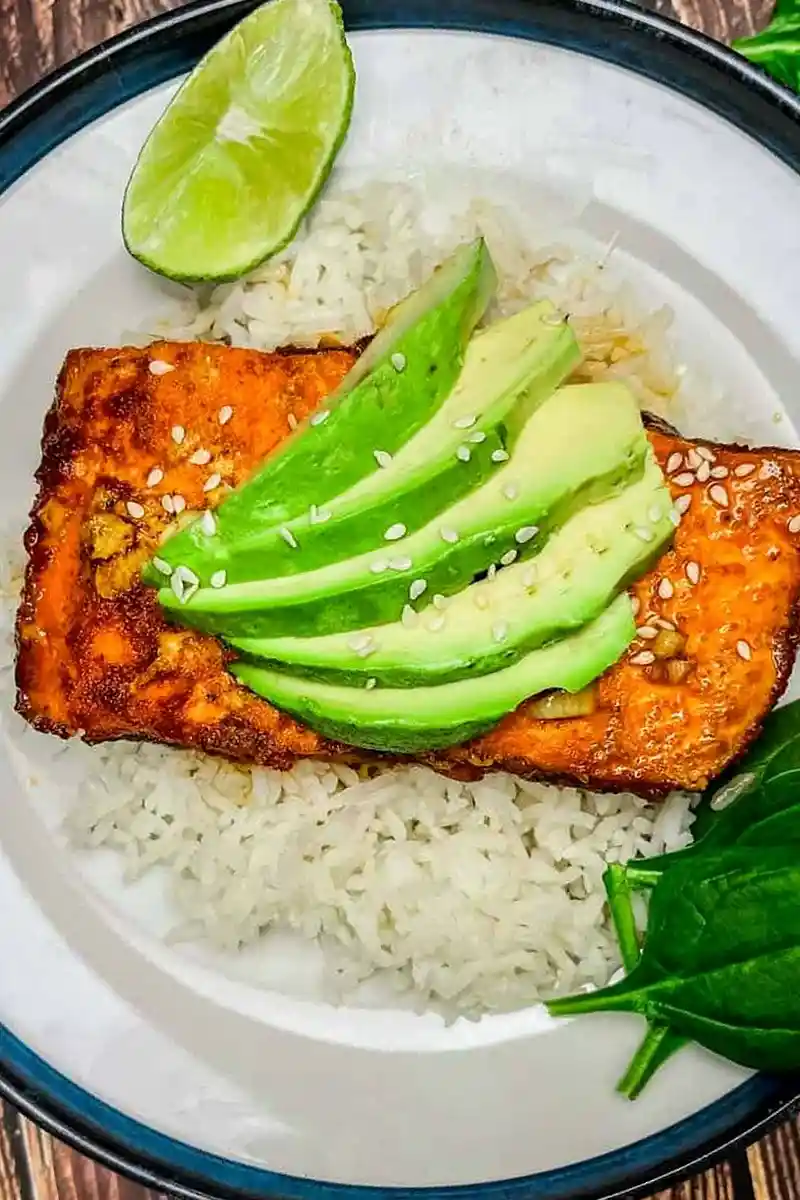
List of ingredients
- 1/2 cup maple syrup – provides the primary sweetness and thick consistency.
- 3 tbsp coconut sugar or brown sugar – adds a caramelized depth to the glaze.
- 3 tbsp soy sauce – delivers the necessary salty balance to the syrup.
- 1 tbsp lime juice – adds a bright, acidic note to cut through the sweetness.
- 2 tsp minced garlic – brings an aromatic, savory quality.
- 1/4 tsp paprika – adds a subtle warmth and color to the sauce.
- 1/8 tsp pepper – provides a light spicy undertone.
- 2 pounds salmon fillets – the main protein, cut into individual portions.
- Salt and pepper (dash) – basic seasoning for the fish.
- 1/2 tsp garlic powder – enhances the savory crust on the fillets.
- 1/4 tsp paprika – adds a second layer of color and flavor to the exterior.
step-by-step instructions
- Preheat: Set your oven to 385 degrees F to ensure a consistent baking environment.
- Mix Glaze: In a medium bowl, whisk together the maple syrup, coconut sugar, soy sauce, lime juice, minced garlic, paprika, and pepper until the sugar is dissolved.
- Prepare Pan: Line a 9×13 inch baking dish with aluminum foil to prevent sticking and make cleanup easier.
- Arrange Salmon: Place the salmon fillets in the pan skin-side down, leaving approximately a half-inch of space between each piece to allow heat to circulate.
- Basic Seasoning: Lightly sprinkle a dash of salt and pepper over the top of each fillet.
- Dry Rub: Combine the garlic powder and paprika in a small bowl, then sprinkle the mixture evenly across the top of the salmon.
- Apply Glaze: Pour the maple soy mixture over the fillets, ensuring each piece is evenly coated.
- Seal Pan: Cover the baking dish tightly with aluminum foil to trap moisture and prevent the fish from drying out.
- Bake: Place the pan in the preheated oven and bake for 30 minutes.
- Verify Temperature: Use a meat thermometer to check that the thickest part of the fillet has reached an internal temperature of 145 degrees F.
- Check Texture: Confirm the salmon is finished by checking if it flakes easily when pressed with a fork.
- Finish and Serve: Spoon the remaining glaze from the pan over the top of the fillets before serving.
Professional Tips for Optimal Results
Seal the Foil Tightly to Retain Moisture
The most critical step in this recipe is ensuring the aluminum foil is sealed tightly around the edges of the pan. This creates a steam-chamber effect that prevents the delicate fish proteins from evaporating. By trapping the moisture, the salmon stays succulent even at higher temperatures.
Maintain the Oven Temperature at 385 Degrees
Avoid the temptation to increase the oven temperature to speed up the cooking process. Salmon is a delicate protein that can toughen quickly if exposed to extreme heat. Keeping the oven at 385 degrees F ensures the glaze caramelizes without scorching the fish.
Use a Digital Meat Thermometer for Accuracy
Depending on the thickness of your fillets, the cooking time can vary by several minutes. A digital thermometer is the only way to guarantee the fish is cooked to exactly 145 degrees F. This prevents overcooking, which is the primary cause of dry salmon.
Allow Salmon to Reach Room Temperature
Take your salmon fillets out of the refrigerator about 15 to 20 minutes before baking. Cold fish can cause the oven temperature to drop and lead to uneven cooking. Room-temperature fillets cook more consistently from the edges to the center.
Pat the Fillets Dry Before Seasoning
Use a paper towel to gently pat the surface of the salmon dry before applying the salt, pepper, and dry rub. Removing excess surface moisture allows the seasonings to adhere better. This results in a more concentrated flavor profile on the exterior of the fish.
Ingredient Substitutions and Alternatives
Replacing Maple Syrup with Honey
If you do not have maple syrup, honey is an excellent substitute because it has a similar viscosity and sweetness. While it lacks the distinct woody flavor of maple, it pairs perfectly with soy sauce. Use the same 1/2 cup measurement for a consistent glaze thickness.
Using Tamari for a Gluten-Free Option
To make this recipe gluten-free, replace the soy sauce with tamari or coconut aminos. Tamari provides a very similar salty, fermented flavor without the wheat found in traditional soy sauce. Coconut aminos are slightly sweeter and lower in sodium, so you may want to add an extra pinch of salt.
Substituting Lime Juice with Lemon Juice
Lemon juice is a classic pairing for salmon and can be used in place of lime juice. Lemon provides a slightly different citrus profile that is a bit more traditional. The acidity remains essential for balancing the sugars in the maple syrup.
Using Brown Sugar instead of Coconut Sugar
Coconut sugar is used for its caramel-like taste and lower glycemic index, but standard brown sugar works perfectly. Brown sugar contains molasses, which adds a deep richness to the glaze. Use an equal 3-tablespoon measurement for the best results.
Alternative Cooking Methods
Adapting for a Pellet Smoker
For a smoky flavor, preheat your smoker to 300 degrees F. Place the salmon in an aluminum pan and apply the glaze. To maximize the flavor, re-apply the glaze every 10 to 15 minutes until the internal temperature reaches 145 degrees F, which typically takes about one hour.
Air Fryer Instructions
The air fryer can cook salmon much faster due to intense convection. Set the air fryer to 380 degrees F and cook the glazed fillets for 8 to 12 minutes depending on thickness. Be careful to monitor the glaze, as the high airflow can cause the sugars to burn quickly.
Pan-Searing for a Crispy Finish
If you prefer a crispy skin, sear the salmon fillets in a hot skillet with a small amount of oil first. Once the skin is crisp, flip the fish and pour the glaze into the pan. Reduce the sauce over medium heat until it thickens into a syrup that coats the fillets.
Grilling on an Outdoor Grill
Place the salmon fillets on a piece of foil or a grill basket to prevent sticking. Grill over medium-high heat, brushing the maple soy glaze on every few minutes. The sugars in the glaze will create a beautiful charred crust over the open flame.
Complementary Side Dishes
Steamed Basmati or Brown Rice
A bed of fluffy rice is the ideal accompaniment because it absorbs the extra maple soy glaze from the pan. Basmati offers a light, floral note, while brown rice provides a nuttier flavor and more fiber. This combination creates a complete, balanced meal.
Roasted Carrots or Parsnips
Root vegetables like carrots or parsnips complement the sweetness of the maple glaze. Roast them in the oven at the same temperature as the salmon, starting them about 20 minutes earlier. The earthiness of the vegetables balances the richness of the fish.
Garlic Sautéed Asparagus
Asparagus provides a fresh, green contrast to the savory-sweet salmon. Sauté the spears quickly in butter and minced garlic over medium heat. The snap of the asparagus adds a necessary textural contrast to the tender salmon.
Fresh Arugula Salad with Lemon Vinaigrette
A peppery arugula salad dressed with lemon and olive oil cuts through the intensity of the soy glaze. The bitterness of the greens cleanses the palate between bites. This keeps the meal feeling light and fresh.
Storage and Reheating Guidelines
Refrigerating Leftovers
Store any remaining salmon in an airtight glass container in the refrigerator. It will remain fresh and safe to eat for up to 3 days. Ensure the fish is fully cooled before sealing the container to prevent excess condensation.
Gentle Oven Reheating
To prevent the salmon from becoming rubbery, reheat it at a low temperature of 300 degrees F. Place the fish in a baking dish with two tablespoons of water and cover it tightly with foil. Heat for about 15 minutes or until just warmed through.
Microwave Reheating Tips
If using a microwave, use a medium-low power setting to avoid overcooking the proteins. Cover the fish with a damp paper towel to retain moisture. Heat in short 30-second intervals, checking the temperature frequently.
Serving Salmon Cold
Cold maple soy salmon is an excellent addition to a chilled grain bowl or a garden salad. Flake the cold fillets over a mixture of quinoa, cucumber, and avocado. The glaze acts as a built-in dressing for the salad.
Troubleshooting Common Salmon Issues
Dealing with Dry or Rubbery Fish
If the salmon comes out dry, it is usually due to overcooking or using too high a temperature. Always rely on the 145-degree internal temperature rather than the timer. If you notice the fish tightening up, remove it from the heat immediately.
Fixing a Glaze That Is Too Thin
If the glaze is too watery, you can simmer the remaining sauce in a small saucepan over medium heat. Stir constantly until the liquid reduces and thickens into a syrupy consistency. Pour this concentrated glaze over the fish just before serving.
Preventing Salmon from Sticking
Salmon skin can easily bond to metal pans. Using high-quality aluminum foil or parchment paper creates a barrier that allows the fish to slide off easily. Ensure the pan is lightly greased if you are not using a liner.
Managing Uneven Fillet Thickness
If some fillets are significantly thicker than others, they will cook at different rates. You can slightly flatten thicker pieces with a meat mallet or simply remove the thinner fillets from the oven a few minutes early. This ensures every piece is cooked perfectly.
Frequently Asked Questions
Can I use frozen salmon fillets for this recipe?
Yes, frozen fillets work well as long as they are completely thawed before cooking. Thaw them slowly in the refrigerator overnight to maintain the best texture. Avoid thawing in the microwave, as this can create hot spots and toughen the fish.
How can I tell if the salmon is perfectly cooked?
The most reliable indicator is a meat thermometer reading of 145 degrees F. Visually, the salmon should change from a translucent pink to an opaque light pink. It should flake easily along the natural muscle lines when pressed with a fork.
Can the glaze be prepared in advance?
Absolutely. You can whisk the glaze ingredients together up to three days in advance and store them in a jar in the refrigerator. Bring the glaze to room temperature before pouring it over the fish for more even cooking.
Is it better to leave the skin on the salmon?
Keeping the skin on is recommended because it acts as a protective layer. The skin prevents the bottom of the fillet from overcooking and drying out while in the pan. It also helps the fillet hold its shape during the baking process.
Print
Oven-Baked Maple Soy Glazed Salmon
- Total Time: 40 minutes
- Yield: 6 servings 1x
- Diet: General
Description
This oven-baked Maple Soy Glazed Salmon is bursting with flavor. It has a mild sweetness from the maple syrup and a hint of saltiness from the soy sauce, creating a dish that melts in your mouth.
Ingredients
- ½ cup maple syrup
- 3 tbsp coconut sugar or brown sugar
- 3 tbsp soy sauce
- 1 tbsp lime juice
- 2 tsp minced garlic
- ¼ tsp paprika
- ⅛ tsp pepper
- 2 pounds salmon fillets
- dash of salt
- dash of pepper
- ½ tsp garlic powder
- ¼ tsp paprika
Instructions
- Preheat: Preheat oven to 385 degrees F.
- Make Glaze: Mix ½ cup maple syrup, 3 tablespoon coconut sugar, 3 tablespoon soy sauce, 1 tablespoon lime juice, 2 teaspoon minced garlic, ¼ teaspoon paprika, and ⅛ teaspoon pepper in a bowl.
- Prep Pan: Line a 9 x 13 baking dish with aluminum foil.
- Arrange Salmon: Lay salmon fillets in the pan, skin side down, leaving about a ½ inch between fillets.
- Season: Sprinkle salt and pepper on top of the fillets.
- Add Spice: Mix ½ teaspoon garlic powder and ¼ teaspoon of paprika, then sprinkle evenly on top of salmon.
- Apply Glaze: Pour glaze mixture on top of salmon fillets evenly.
- Cover: Cover tightly with aluminum foil.
- Bake: Place in the preheated oven and bake for 30 minutes.
- Verify: Check with a thermometer to ensure the internal temperature of the thickest part of the fillet is 145 degrees.
- Serve: Serve with the glaze spooned over the top of the salmon.
Notes
Cover the salmon with foil as tightly as possible to retain moisture. Do not exceed 385 degrees F to prevent the delicate fish from drying out. Ensure internal temperature reaches 145°F.
- Prep Time: 10 minutes
- Cook Time: 30 minutes
- Category: Main Course
- Method: Baking
- Cuisine: American
Nutrition
- Serving Size: 1 fillet
- Calories: 316 kcal
- Sugar: 20 g
- Sodium: 633 mg
- Fat: 10 g
- Saturated Fat: 1 g
- Unsaturated Fat: 9 g
- Trans Fat: 0 g
- Carbohydrates: 25 g
- Fiber: 0.2 g
- Protein: 31 g
- Cholesterol: 83 mg