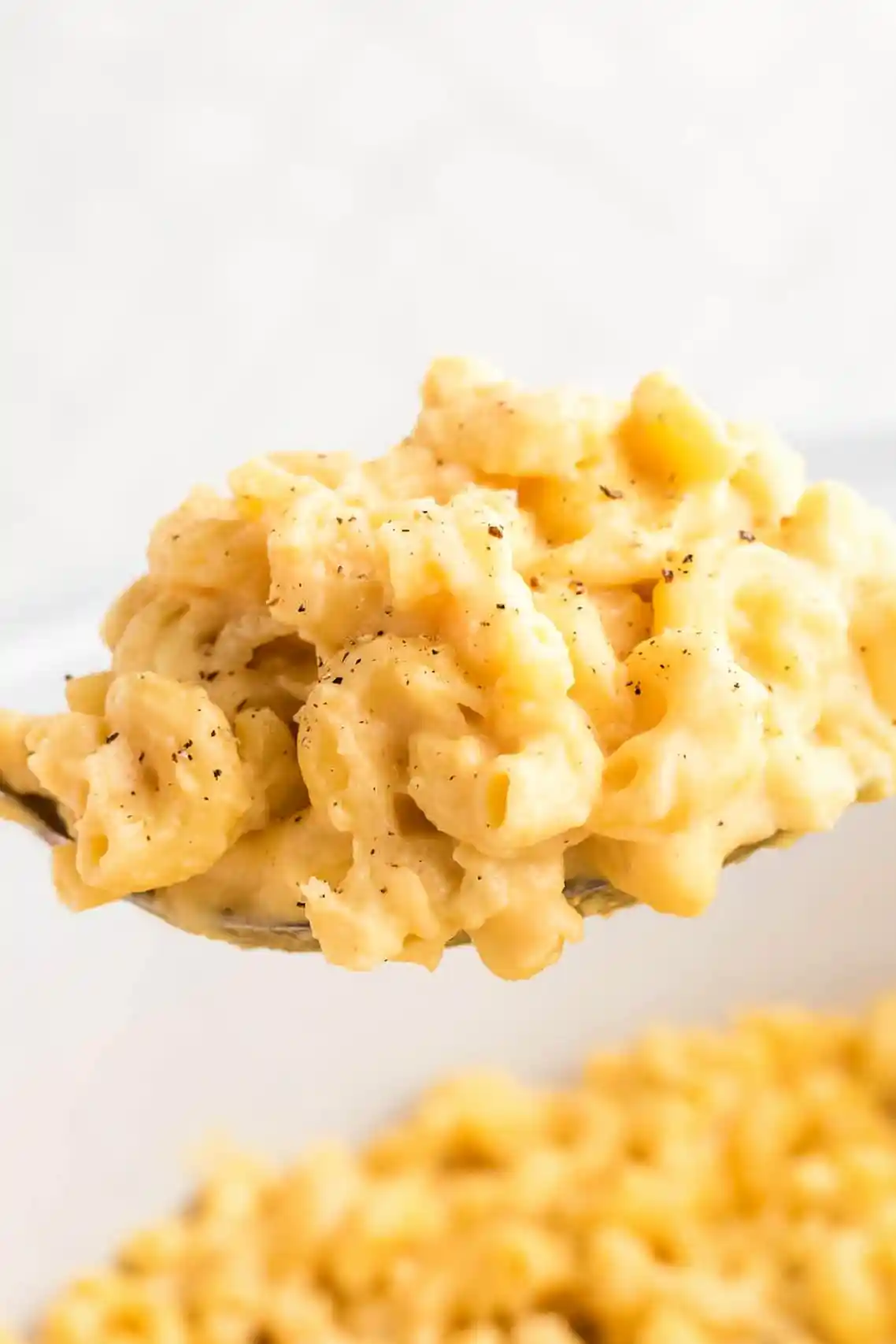
This creamy slow cooker macaroni and cheese is a practical way to prepare a rich side dish with minimal active effort. Everything cooks in one pot, which eliminates the need to boil pasta separately on the stove.
List of ingredients
- 16 ounces elbow macaroni (uncooked) – use a sturdy brand to maintain shape.
- 2 ¼ cups whole milk – provides a smooth, creamy base.
- 1 12-ounce can evaporated milk – adds body and prevents the sauce from breaking.
- 16 ounces Cheddar cheese (shredded) – provides the primary bold flavor.
- 8 ounces Fontina cheese (shredded) – ensures a smooth, professional melt.
- ½ teaspoon ground mustard – enhances the natural flavor of the cheeses.
- ½ teaspoon salt – balances the richness of the dairy.
- ¼ teaspoon black pepper – adds a subtle layer of seasoning.
- ¼ teaspoon cayenne pepper – provides a mild heat to cut through the fat.
- 4 tablespoons butter (unsalted, sliced thinly) – blends into the sauce for added silkiness.
- Black pepper (freshly cracked) – used as a final garnish.
step-by-step instructions
- Prepare the Pot: Lightly grease the interior of the slow cooker with butter or non-stick spray to prevent the pasta from sticking to the sides.
- Combine Base Ingredients: Add the uncooked elbow macaroni, whole milk, evaporated milk, ground mustard, salt, black pepper, and cayenne pepper into the slow cooker. Stir the mixture thoroughly to ensure the seasonings are evenly distributed.
- Layer the Cheese and Butter: Sprinkle the shredded Cheddar and Fontina cheeses evenly over the top of the pasta. Place the thinly sliced butter pieces across the cheese layer.
- Initial Cooking Phase: Set the Crock-Pot to the low setting and cook for 1 hour. After the first hour, gently stir the macaroni to move the cheese and butter into the liquid.
- Final Cooking Phase: Continue to cook on the low setting for an additional 1 to 2 hours. Check the pasta frequently during this time to ensure it does not overcook.
- Finish and Serve: The dish is complete when the macaroni is tender and the sauce is creamy and smooth. Garnish with freshly cracked black pepper before serving.
Optimizing the Texture
Use Block Cheese for a Smoother Melt
Pre-shredded cheeses are typically coated in potato starch or cellulose to prevent clumping in the package. This coating can interfere with the melting process and result in a grainy or gritty sauce. Grating your own blocks of Cheddar and Fontina ensures a velvety consistency.
Select Sturdy Pasta Shapes
Thick elbow macaroni is ideal because it maintains its structural integrity during the slow cooking process. Thinner pastas or those made from soft wheat may collapse or turn mushy over several hours. Stick to high-quality durum wheat pasta for the best bite.
Prevent Overcooking with Frequent Checks
Slow cookers can vary in temperature, meaning some pots run hotter than others. After the second hour of cooking, check the pasta every 20 to 30 minutes. This allows you to stop the process the moment the noodles are tender but still firm.
Stir Mid-way to Ensure Even Heat
Stirring the pasta after the first hour is critical to prevent the cheese from clumping in one area. It also ensures that all the macaroni is submerged in the milk mixture, which prevents the top layer from drying out or scorching.
Ingredient Alternatives
Substitute Fontina with Gruyere or White Cheddar
If Fontina is unavailable, Gruyere is an excellent replacement due to its superior melting properties and nutty flavor. Alternatively, using a sharp white Cheddar will increase the tanginess of the dish while maintaining a creamy texture.
Replace Whole Milk with 2% Milk
While whole milk provides the most richness, 2% milk can be used if a slightly lighter sauce is preferred. You may notice a slight decrease in creaminess, but the evaporated milk will still provide the necessary body to the sauce.
Use Heavy Cream instead of Evaporated Milk
If you do not have evaporated milk, you can substitute it with an equal amount of heavy cream. Heavy cream adds significant fat and thickness, resulting in a denser sauce that is very rich.
Adjust Cayenne for Heat Preference
The cayenne pepper is used to add a subtle kick that prevents the dish from tasting too heavy. If you prefer a completely mild flavor, you can omit it entirely or replace it with a pinch of white pepper.
Flavor Variations
Integrate Cooked Proteins for a Main Course
To turn this side dish into a full meal, stir in cooked proteins like diced grilled chicken or shredded turkey. Add these ingredients after the first hour of cooking so they heat through without becoming overcooked or dry.
Mix in Sautéed Vegetables
Adding sautéed broccoli florets, diced carrots, or peas can add color and nutrition to the dish. For the best results, steam or sauté the vegetables separately and fold them in during the final 30 minutes of cooking.
Add a Baked Breadcrumb Topping
For a textural contrast, transfer the finished mac and cheese to a baking dish and top with panko breadcrumbs and melted butter. Broil the top for 2 to 3 minutes until the crumbs are golden brown and crisp.
Incorporate Smoked Paprika for Depth
Replacing the cayenne with smoked paprika adds a woody, smoky dimension to the cheese sauce. This variation pairs particularly well if you are serving the dish alongside grilled meats or BBQ.
Serving Pairings
Pair with Roasted Meats
The richness of the macaroni and cheese complements lean roasted meats such as roast chicken or sirloin tip roast. The creamy sauce acts as a balancing element to the savory, charred exterior of the meat.
Serve Alongside BBQ Favorites
This dish is a classic accompaniment to barbecued ribs or pulled chicken sandwiches. The sharpness of the Cheddar cheese cuts through the sweetness of typical BBQ sauces.
Combine with Fresh Green Salads
To balance the heavy nature of the cheese and pasta, serve a side of mixed greens with a light vinaigrette. The acidity of the dressing helps cleanse the palate between bites of the rich pasta.
Use as a Base for Casserole Toppings
You can use this slow cooker recipe as a base for a larger casserole. Transfer the mixture to a dish and top with sliced jalapeños or diced green chiles before briefly baking to create a southwestern-style meal.
Storage Logistics
Refrigerate in Airtight Containers
Once the macaroni and cheese has cooled to room temperature, transfer it to an airtight plastic or glass container. Store it in the refrigerator for up to 4 days to maintain freshness and safety.
Freeze for Long Term Preservation
This recipe can be frozen for up to 2 months. Allow the dish to cool completely and seal it in a freezer-safe container, leaving a small amount of space at the top for the sauce to expand during freezing.
Manage Sauce Thickening in the Fridge
Be aware that the sauce will naturally thicken and solidify as it cools in the refrigerator. This is normal and can be easily corrected during the reheating process by adding a small amount of liquid.
Reheating Methods
Warm on the Stovetop
For the best texture, reheat the macaroni and cheese in a saucepan over low heat. Stir frequently to ensure the cheese does not burn on the bottom of the pan.
Use the Microwave for Small Portions
When using a microwave, heat the pasta in short 30-second bursts. Stir between each interval to distribute the heat evenly and avoid creating hot spots in the cheese.
Restore Creaminess with Extra Milk
Regardless of the reheating method, add a tablespoon or two of warm milk to the pasta. This thins the sauce back to its original creamy consistency and prevents it from becoming clumpy.
Preparation Planning
Pre-shred Cheese in Advance
To save time on the day of cooking, grate the blocks of Cheddar and Fontina a day ahead of time. Store the shredded cheese in a sealed bag in the refrigerator to keep it fresh.
Prepare the Liquid Base Separately
You can whisk together the whole milk, evaporated milk, and seasonings in a jar or pitcher before you start. This allows you to simply pour the liquid mixture into the slow cooker and add the pasta.
Measure Dry Ingredients Early
Measure out the uncooked macaroni and seasonings into a small bowl. Having all components ready for assembly reduces the active prep time to under 10 minutes.
Troubleshooting Common Issues
Fixing a Sauce That Is Too Thick
If the sauce appears too thick or dry upon completion, stir in warm milk one tablespoon at a time. Continue stirring until the sauce reaches the desired flow and consistency.
Addressing Separated Cheese Sauce
Cheese sauce can separate if it is overheated or if pre-shredded cheese was used. To fix this, stir in a small amount of warm milk or a teaspoon of cornstarch slurry and whisk over low heat until smooth.
Managing Mushy Pasta
Mushy pasta usually occurs when the macaroni is left in the slow cooker too long. To prevent this, adhere strictly to the check intervals and turn off the heat the moment the pasta is tender.
Frequently Asked Questions
Can I cook this on the high setting?
Yes, you can cook this on high for approximately 1 to 1.5 hours. However, you must stir the mixture after 30 minutes and check the pasta more frequently to ensure the cheese does not separate.
Is it safe to leave on the warm setting?
The dish can remain on the warm setting for about 30 minutes after cooking is complete. Leaving it longer may result in the pasta overcooking and losing its texture.
Can I use a different pasta shape?
Small and sturdy shapes like shells or rotini are suitable substitutes for elbow macaroni. Avoid thin noodles like spaghetti or angel hair, as they will break down and disappear into the sauce.
How do I prevent the cheese from clumping?
Prevent clumping by stirring the macaroni gently after the first hour of cooking. This ensures the cheese is fully integrated into the milk and pasta rather than staying in a single layer on top.
Print
Slow Cooker Macaroni and Cheese
- Total Time: 2 hours 10 minutes
- Yield: 8 servings 1x
- Diet: General
Description
This easy way to make homemade Crockpot Mac and Cheese results in tender macaroni that’s drenched in a rich, creamy cheese sauce.
Ingredients
- 16 ounces uncooked elbow macaroni
- 2 ¾ cups whole milk
- 1 12-ounce can evaporated milk
- 16 ounces shredded Cheddar cheese
- 8 ounces shredded Fontina cheese
- ½ teaspoon ground mustard
- ½ teaspoon salt
- ¼ teaspoon black pepper
- ¼ teaspoon cayenne pepper
- 4 tablespoons unsalted butter, sliced thinly
- Freshly ground black pepper for garnish
Instructions
- Step 1: Lightly grease the slow cooker.
- Step 2: Add the macaroni, whole milk, evaporated milk, ground mustard, salt, black pepper, and cayenne pepper into the slow cooker and stir to combine.
- Step 3: Sprinkle the Cheddar cheese and Fontina cheese on top of the pasta and place the sliced butter on top.
- Step 4: Set the Crock-Pot on low and cook for 1 hour, then gently stir the macaroni.
- Step 5: Continue to cook for 1-2 more hours, checking frequently to avoid overcooking.
- Step 6: Garnish with freshly ground black pepper and serve.
Notes
Use freshly grated cheese for a smoother sauce. Avoid overcooking the pasta to prevent it from becoming mushy.
- Prep Time: 10 minutes
- Cook Time: 2 hours
- Category: Dinner
- Method: Slow Cooker
- Cuisine: American
Nutrition
- Serving Size: 1 serving
- Calories: 654 kcal
- Sugar: 12 g
- Sodium: 1200 mg
- Fat: 37 g
- Saturated Fat: 20 g
- Unsaturated Fat: 15 g
- Trans Fat: 1 g
- Carbohydrates: 48 g
- Fiber: 3 g
- Protein: 31 g
- Cholesterol: 110 mg