Enjoy a lighter version of the Japanese classic with this air fryer chicken katsu. This method delivers a perfectly golden, crunchy panko crust while keeping the meat tender and juicy inside. It is a fast and efficient way to prepare a satisfying main course for any night of the week.
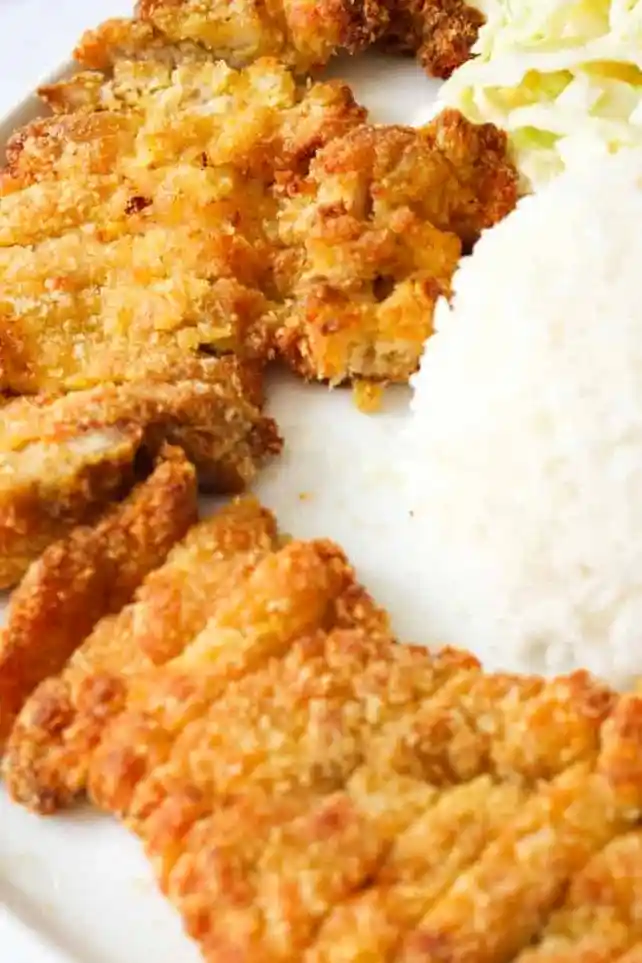
List of ingredients
- 2 large chicken breasts or thighs – boneless and skinless for easy breading.
- 1 tsp salt – use as needed for seasoning.
- 1/2 tsp black pepper – use as needed for seasoning.
- 1/2 cup cornstarch – provides a dry base for the egg to adhere to.
- 2 eggs, beaten – acts as the primary binder for the crumbs.
- 1 1/4 cup panko breadcrumbs – Japanese style crumbs for a lighter, airier crunch.
- 4 tbsp vegetable oil – or any neutral oil with a high smoke point.
- 1 tbsp ketchup – creates the sweet and tangy base for the sauce.
- 2.5 tsp Worcestershire sauce – adds a complex, savory depth.
- 1.5 tsp oyster sauce or vegetarian stir fry sauce – enhances the umami flavor.
- 1 1/8 tsp white granulated sugar – balances the acidity of the sauce.
step-by-step instructions
- Prepare the meat: On a cutting board, butterfly the chicken breasts or thighs. Use the back of a knife or a meat mallet to tenderize the meat until both pieces are flattened to about 1/2 inch thickness. Season both sides generously with salt and black pepper.
- Set up the breading station: Prepare three shallow bowls. Place cornstarch in the first, beaten eggs in the second, and panko breadcrumbs in the third. Coat each piece of chicken in cornstarch first, then dip in the egg, and finally press into the panko until well-coated.
- Arrange in the air fryer: Place the chicken in the air fryer basket in a single layer. Do not overcrowd the basket; ensure there is sufficient air space around the chicken to prevent soggy spots.
- Apply the first layer of oil: Spray or drizzle approximately 1 tablespoon of oil over the top of each piece of chicken to ensure a golden-brown finish.
- First cooking phase: Air fry at 350 degrees F for 9 minutes. If the chicken pieces are smaller (roughly 6 x 3 inches), reduce this initial cooking time to 6-7 minutes.
- Flip and final cook: Remove the basket and flip the chicken over. Spray another tablespoon of oil over the top. Air fry at 350 degrees F for another 7-9 minutes (or 5-7 minutes for smaller pieces) until a meat thermometer reads an internal temperature of 165 F. Remove and slice into strips.
- Make the sauce: In a small bowl, whisk together the ketchup, Worcestershire sauce, oyster sauce, and sugar. Serve the sauce immediately with the sliced chicken.
Optimizing Your Air Fryer Technique
Preventing Basket Overcrowding
Air fryers rely on the rapid circulation of hot air to crisp food. If you place too many pieces of chicken in the basket or let them overlap, the air cannot move freely, which leads to steamed, soggy breading. Always cook in batches if necessary to maintain a single, spaced-out layer.
Achieving a Golden Brown Crust
Unlike deep frying, where the food is submerged in oil, air frying requires a surface application of fat to achieve a golden color. Applying oil both before and after flipping the chicken ensures the panko toasts evenly. Without this oil, the breadcrumbs may remain white and taste dry.
Using a Digital Meat Thermometer
Overcooking chicken in an air fryer happens quickly due to the intense heat. Using a digital thermometer allows you to pull the meat out exactly when it reaches 165 F. This prevents the chicken from becoming dry or rubbery, especially when using leaner breast meat.
Choosing the Right Protein
Advantages of Using Chicken Thighs
Chicken thighs are generally more forgiving than breasts because they have a higher fat content. This natural fat keeps the meat juicy even if the cooking time is slightly extended. Thighs offer a richer flavor and a more tender texture that complements the crunchy panko.
Tips for Working with Chicken Breasts
Chicken breasts are leaner and can dry out quickly if overcooked. To ensure they stay moist, make sure you tenderize them to a uniform thickness so they cook evenly. You may also find that breasts require a slightly shorter cooking time than thighs.
Ingredient Substitutions for Dietary Needs
Gluten-Free Breading Options
To make this recipe gluten-free, replace the panko breadcrumbs with gluten-free panko or crushed cornflakes. Additionally, ensure you use a gluten-free version of Worcestershire sauce and oyster sauce. This maintains the signature crunch and flavor profile without the gluten.
Alternative Starches for Breading
While cornstarch is standard, potato starch is an excellent alternative that can result in an even crispier exterior. You can also use arrowroot powder in a 1:1 ratio. The goal is to create a dry barrier that prevents the egg from soaking into the meat.
Egg-Free Binder Alternatives
If you need an egg-free binder, you can use a mixture of flour and water or a cornstarch slurry to create a sticky coating. Another option is using a beaten flaxseed meal mixed with water. Ensure the coating is thick enough to hold the panko crumbs securely during the air frying process.
Sauce Customizations and Flavor Variations
Adding a Spicy Element
For those who prefer more heat, stir a teaspoon of sriracha or chili garlic sauce into the katsu sauce. You can also sprinkle shichimi togarashi (Japanese seven-spice) over the sliced chicken after cooking. This adds a complex, spicy kick that cuts through the richness of the fried breading.
Adjusting the Sweetness and Acidity
If the sauce is too tangy, add an extra pinch of sugar or a drizzle of honey. To increase the acidity and brightness, a small squeeze of fresh lemon juice can be stirred in at the end. This helps balance the savory notes of the oyster sauce.
Using Commercial Tonkatsu Sauce
If you are short on time, store-bought Tonkatsu sauce is a convenient replacement for the homemade version. These sauces are readily available at most Asian grocery stores and offer a consistent, traditional flavor. Simply warm the store-bought sauce slightly before serving for a better consistency.
Storage and Reheating Guidelines
Refrigerating Leftovers
Store leftover chicken katsu in an airtight container in the refrigerator for up to 4 days. To prevent the breading from softening, let the chicken cool completely before sealing the container. This reduces the amount of steam trapped inside the box.
Freezing Cooked Chicken Katsu
This dish is freezer-friendly and can be stored for up to 3 months. Place parchment paper squares between each piece of chicken to prevent them from sticking together before placing them in a freezer-safe bag. This makes it easy to remove only the pieces you need.
Restoring Crispiness When Reheating
The best way to reheat katsu is in the air fryer at 350 F for 4-6 minutes. Avoid using the microwave, as it will make the panko breading soggy and soft. If using an oven, bake at 375 F until the exterior is hot and crisp again.
Serving Suggestions and Side Dish Pairings
Traditional Japanese Accompaniments
Serve your chicken katsu with a side of steamed short-grain Japanese rice and thinly shredded raw cabbage. The cabbage is traditionally dressed with a sesame-ginger vinaigrette, providing a fresh, crunchy contrast to the fried chicken.
Low-Carb Vegetable Pairings
For a lighter meal, swap the rice for sautéed spinach, roasted broccoli, or grilled asparagus. A side of steamed bok choy with a touch of soy and garlic also pairs well with the savory katsu sauce.
Bento Box Assembly
To create a bento-style lunch, slice the chicken into strips and place them in a partitioned container. Fill the other sections with a small scoop of rice, a few slices of fresh tomato, and some pickled vegetables or tamagoyaki (Japanese rolled omelet).
Troubleshooting Common Issues
Fixing Breading That Falls Off
If the panko separates from the chicken, it is usually because there was too much cornstarch or the egg layer was too thin. Shake off excess starch before dipping in egg and press the panko firmly into the meat with your hands. This ensures a secure bond.
Preventing Dry or Chalky Meat
Dry chicken is usually a result of overcooking. Always use a meat thermometer to ensure you stop cooking at 165 F. If you are using chicken breasts, consider brining them in salt water for 30 minutes before cooking to lock in moisture.
Dealing with Uneven Browning
Uneven color often occurs if the oil is not distributed evenly across the surface. Use an oil sprayer for a fine, consistent mist, or use a pastry brush to apply the oil. Ensure the chicken is not touching the sides of the basket for maximum airflow.
Frequently Asked Questions
Can I prepare the chicken in advance?
Yes, you can bread the chicken a few hours ahead of time and keep it refrigerated. However, do not air fry it until you are ready to serve, as the texture is best when fresh and hot.
Is air frying healthier than deep frying?
Air frying uses significantly less oil, which reduces the overall calorie and saturated fat content of the dish. You still get the crispy texture of katsu without the heavy grease associated with traditional deep frying.
What is the best oil for air frying katsu?
Use a neutral oil with a high smoke point, such as avocado oil, canola oil, or vegetable oil. Avoid using extra virgin olive oil, as it has a lower smoke point and may impart a strong flavor that clashes with the katsu sauce.
Print
Crispy Air Fryer Chicken Katsu with Savory Sauce
- Total Time: 33 minutes
- Yield: 2 servings 1x
- Diet: General
Description
Crispy panko breaded chicken that is delicious and tender made with less oil in the air fryer. A great meat entrée for dinner or lunch with homemade katsu sauce, rice and your favourite veggies.
Ingredients
- 2 large chicken breast (or thighs)
- 1 tsp salt
- 1/2 tsp black pepper
- 1/2 cup cornstarch
- 2 eggs, beaten
- 1 1/4 cup panko breadcrumbs
- 4 tbsp vegetable oil
- 1 tbsp ketchup
- 2.5 tsp Worcestershire sauce
- 1.5 tsp oyster sauce
- 1 1/8 tsp white granulated sugar
Instructions
- Tenderize: Butterfly the chicken breasts or thighs. Use the back of a knife or meat mallet to flatten the meat to about ½ inch thick, then season both sides with salt and black pepper.
- Coat: Prepare three shallow bowls with cornstarch, beaten egg, and panko breadcrumbs. Coat each piece in cornstarch, then egg, and finally panko, ensuring they are well coated.
- Arrange: Place the chicken in the air fryer basket in a single layer, ensuring enough air space around each piece for crispiness.
- Oil: Spray or drizzle about 1 tablespoon of oil over the top of each piece.
- First Fry: Air fry at 350 degrees F for 9 minutes (or 6-7 minutes if the pieces are smaller).
- Flip & Final Fry: Flip the chicken, spray another tablespoon of oil on top, and air fry at 350 degrees F for another 7-9 minutes (or 5-7 minutes if smaller) until the internal temperature reaches 165 F. Remove and slice into strips.
- Sauce: Combine katsu sauce ingredients in a small bowl and serve with the chicken.
Notes
Use a digital meat thermometer to ensure chicken reaches 165 F for safety. For juicier results, use chicken thighs instead of breast.
- Prep Time: 10 minutes
- Cook Time: 18 minutes
- Category: Main Course
- Method: Air Frying
- Cuisine: Japanese
Nutrition
- Serving Size: 1 serving
- Calories: 839 kcal
- Sugar: 2 g
- Sodium: 1765 mg
- Fat: 40 g
- Saturated Fat: 6 g
- Unsaturated Fat: 29 g
- Trans Fat: 1 g
- Carbohydrates: 57 g
- Fiber: 2 g
- Protein: 59 g
- Cholesterol: 308 mg