This recipe delivers plump, juicy shrimp smothered in a rich, velvety garlic sauce. It is a quick-cooking meal that combines searing techniques with a refined reduction sauce for a restaurant-quality result.
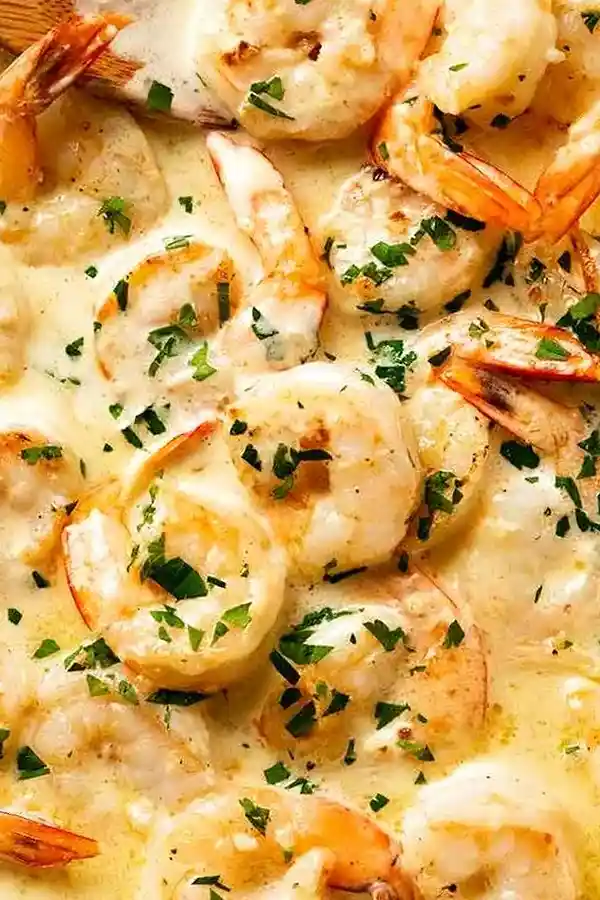
List of ingredients
- 500g / 1lb peeled prawns/shrimp – large or jumbo sizes are recommended for better texture.
- 1 garlic clove – finely minced for the marinade.
- 1 tbsp olive oil – used to coat the shrimp.
- 1/2 tsp black pepper – for seasoning.
- 1/2 tsp salt – to be added just before cooking to prevent moisture loss.
- 15g / 1 tbsp unsalted butter – for searing the shrimp.
- 2 garlic cloves – finely minced for the sauce base.
- 15g / 1 tbsp unsalted butter – for sautéing the sauce garlic.
- 1/4 cup low sodium chicken stock with a squeeze of lemon – replaces white wine for deglazing.
- 1/2 cup low sodium chicken or vegetable stock/broth – adds depth to the sauce.
- 1 cup heavy/thickened cream – provides the rich, creamy body.
- 1/2 cup parmesan – finely grated by hand for optimal melting.
- 2 tbsp parsley – finely chopped for a fresh garnish.
step-by-step instructions
- Marinate the shrimp: In a mixing bowl, combine the peeled shrimp, one minced garlic clove, olive oil, and black pepper. Toss thoroughly to coat and let the mixture sit for 20 minutes to infuse the flavor, but do not exceed this time. Stir in the salt immediately before you begin cooking.
- Sear the shrimp: Melt 1 tablespoon of butter in a large skillet over medium-high heat. Add the shrimp in two separate batches to avoid overcrowding the pan, cooking for approximately 1 minute per side. Remove the cooked shrimp from the pan and set them aside, then scrape any remaining garlic bits from the pan and add them to the shrimp.
- Sauté sauce aromatics: Add another tablespoon of butter to the same skillet and let it melt completely. Stir in the remaining two minced garlic cloves and cook for 30 seconds or until they are light golden.
- Deglaze the skillet: Pour in the chicken stock and lemon juice mixture, increasing the heat to high. Stir the base of the pan constantly to dissolve the browned bits of shrimp and garlic into the liquid. Simmer for 1 minute or until the liquid has mostly evaporated.
- Reduce the stock: Add the remaining 1/2 cup of chicken or vegetable stock. Continue to simmer until the liquid reduces to a thin layer on the bottom of the pan.
- Thicken with cream: Pour in the heavy cream and reduce the heat to medium. Simmer for about 2 minutes, stirring occasionally, until the sauce thickens slightly and coats the back of a spoon.
- Final assembly: Stir in the freshly grated parmesan cheese until melted. Return the seared shrimp to the skillet and toss gently to reheat. Taste the sauce and add extra salt or pepper if needed, then garnish with chopped parsley.
Practical Seafood Handling
Selecting the Right Shrimp Size
Opt for large or jumbo shrimp because they have a better surface-area-to-volume ratio, allowing them to sear quickly without overcooking the center. Smaller shrimp cook through much faster and are more prone to becoming rubbery if left in the sauce too long.
Proper Thawing Techniques
Thaw frozen shrimp overnight in the refrigerator while placed in a colander over a bowl. This allows the excess water to drain away, preventing the shrimp from sitting in liquid, which can degrade the texture and affect the searing process.
Drying Shrimp for a Better Sear
Always pat the shrimp dry with paper towels after thawing and before marinating. Excess surface moisture creates steam in the pan, which prevents the Maillard reaction from occurring and results in grey, poached shrimp rather than golden-brown seared ones.
Mastering the Creamy Sauce
The Importance of Freshly Grated Parmesan
Grate your own parmesan cheese using a fine grater rather than buying pre-shredded options. Pre-grated cheeses are often coated in cellulose or potato starch to prevent clumping, which prevents them from melting smoothly into the sauce and can leave a grainy texture.
Managing Heat to Prevent Curdling
Keep the sauce at a gentle simmer once the cream is added, rather than a rolling boil. Excessive heat can cause the proteins in the cream or the cheese to separate, resulting in a broken sauce that looks oily rather than smooth.
Deglazing the Pan for Maximum Flavor
The browned bits left in the pan after searing the shrimp, known as the fond, contain concentrated flavor. By using a liquid like stock and lemon juice to deglaze, you lift these caramelized proteins and integrate them into the sauce for a deeper, more complex taste.
Achieving the Perfect Sauce Consistency
If the sauce is too thin, simmer it for an additional minute before adding the cheese. If it becomes too thick, stir in a tablespoon of chicken stock or water to loosen it back to a velvety consistency that clings to the shrimp.
Recommended Side Dishes
Creamy Mashed Potatoes
Mashed potatoes are the ideal pairing because their dense, starchy texture absorbs the garlic cream sauce. Ensure the potatoes are whipped smooth with butter and milk to complement the richness of the shrimp.
Fluffy White or Brown Rice
Rice provides a neutral base that allows the garlic and parmesan flavors to stand out. Long-grain basmati or jasmine rice works well, as the individual grains separate and soak up the sauce efficiently.
Low-Carb Cauliflower Mash
For a lower-carbohydrate alternative, steam cauliflower until very soft and blend it with a small amount of butter and salt. The mild flavor of the cauliflower pairs well with the savory notes of the garlic cream.
Crusty Bread for Dipping
Serve the dish with toasted baguette slices or a warm sourdough loaf. The porous nature of the bread is perfect for mopping up the remaining sauce from the plate, ensuring no flavor is wasted.
Fresh Green Salads
Balance the richness of the heavy cream and butter with a side of mixed leafy greens. A simple vinaigrette made with lemon juice and olive oil provides a necessary acidic contrast to the creamy sauce.
Flavor Variations
Adding Sautéed Spinach
Stir in a handful of fresh baby spinach just after adding the parmesan. The residual heat of the sauce will wilt the spinach in about 30 seconds, adding color and nutrients without altering the sauce’s thickness.
Integrating Sliced Mushrooms
Sauté thinly sliced button or cremini mushrooms in the butter before adding the garlic for the sauce. Ensure the mushrooms are browned and their moisture has evaporated to prevent the sauce from becoming watery.
Spicing it Up with Chili Flakes
Add a pinch of crushed red pepper flakes during the garlic sauté step. The heat from the chili is infused into the butter, providing a subtle spicy kick that cuts through the richness of the heavy cream.
Using Different Types of Cream
While heavy cream is best for stability, you can use evaporated milk for a slightly lighter version. If using a lower-fat cream, be extra careful with the heat to avoid curdling, as lower-fat dairy is less stable at high temperatures.
Preservation and Reheating
Refrigeration Timelines
Store any leftovers in an airtight container in the refrigerator for up to three days. Keep the shrimp and sauce together so the shrimp stay moist and continue to absorb the garlic flavors.
Gentle Reheating Methods
Reheat the dish in a microwave using medium power in 30-second bursts, stirring in between. Alternatively, warm it in a small skillet over low heat, adding a splash of water or stock if the sauce has thickened too much during cooling.
Avoiding Rubberiness During Reheating
The goal is to warm the sauce through without cooking the shrimp further. Remove the dish from the heat the moment the sauce is hot; overheating will cause the shrimp protein to tighten, leading to a rubbery texture.
Cooking Troubleshooting
Why is my sauce too thin?
A thin sauce usually occurs if the stock was not reduced enough before the cream was added. To fix this, simmer the sauce for a few more minutes or stir in a small amount of extra parmesan cheese to act as a natural thickener.
Why are my shrimp rubbery?
Rubbery shrimp are the result of overcooking. Ensure the pan is very hot before adding the shrimp so they sear quickly, and remove them the moment they turn opaque and form a ‘C’ shape rather than a tight ‘O’ shape.
How to fix an overly salty sauce?
If the sauce is too salty, you can balance it by adding a squeeze of fresh lemon juice or a small splash of unsweetened heavy cream. The acidity of the lemon or the fat in the cream helps neutralize the perception of salt on the palate.
Frequently Asked Questions
Can I use frozen shrimp?
Yes, frozen shrimp are often flash-frozen at sea and maintain high quality. Just ensure they are completely thawed and patted dry before cooking to achieve a proper sear.
What is the best substitute for heavy cream?
Full-fat coconut milk can be used for a dairy-free alternative, though it will add a slight coconut flavor. Evaporated milk is another option, though the sauce will be slightly less thick.
Can I make this in one pot without removing the shrimp?
It is not recommended to leave the shrimp in the pan. The time required to reduce the stock and thicken the cream would overcook the shrimp, turning them tough and rubbery.
Print
Indulgent Creamy Garlic Shrimp
- Total Time: 17 minutes
- Yield: 4 servings 1x
- Diet: General
Description
Creamy Garlic Prawns are your favourite garlic prawns plus a rich, creamy garlic sauce. This indulgent dish uses a few simple tricks like deglazing the pan and adding parmesan to create a restaurant-quality sauce that perfectly complements plump, sweet prawns.
Ingredients
- 500g / 1lb peeled prawns/shrimp, large/jumbo
- 1 garlic clove, finely minced
- 1 tbsp olive oil
- 1/2 tsp black pepper
- 1/2 tsp salt
- 15g / 1 tbsp unsalted butter
- 2 garlic cloves, finely minced
- 15g / 1 tbsp unsalted butter
- 1/4 cup chicken or vegetable stock (alcohol-free)
- 1/2 cup chicken or vegetable stock/broth, low sodium
- 1 cup heavy/thickened cream
- 1/2 cup parmesan, finely grated
- 2 tbsp parsley, finely chopped
Instructions
- Marinate Prawns: Place prawns, garlic, oil and pepper in a bowl. Toss to coat, set aside 20 minutes if time permits (no longer). Stir through salt just prior to cooking.
- Cook prawns: Melt 15g / 1 tbsp butter in a large skillet over medium high heat. Add half the prawns and cook for 1 minute on each side, then remove. Repeat with remaining prawns (you shouldn’t need more butter), then remove. Scrape out excess remaining garlic from pan and add to cooked prawns.
- Creamy Sauce: Add butter into skillet and let it melt. Add garlic and stir for 30 seconds or until light golden. Add stock, turn up heat to high. Bring to simmer while stirring base of the pan to dissolve all the golden bits into the sauce. Cook 1 minute. Add chicken stock and reduce until mostly gone and just a thin layer remains on base of skillet. Add cream, then simmer on medium heat for 2 minutes until reduced and slightly thickened. Stir through parmesan, then add the prawns back in. Taste sauce and see if more salt and pepper is needed. Serve sprinkled with parsley, over mashed potato or something to soak up that fabulous sauce!
Notes
Use freshly grated parmesan to ensure it melts properly into the sauce. Cooked prawns can be kept up to 3 days; reheat gently on low heat to avoid overcooking.
- Prep Time: 5 minutes
- Cook Time: 12 minutes
- Category: Mains, Starters
- Method: Stovetop
- Cuisine: Western
Nutrition
- Serving Size: 1 serving
- Calories: 490 kcal
- Sugar: 1 g
- Sodium: 1499 mg
- Fat: 37 g
- Saturated Fat: 21 g
- Unsaturated Fat: 16 g
- Trans Fat: 0 g
- Carbohydrates: 4 g
- Fiber: 1 g
- Protein: 32 g
- Cholesterol: 423 mg