This grilled lemon chicken uses a simple citrus and garlic marinade to produce juicy, flavorful meat. It is a versatile dish that works perfectly for outdoor grilling or indoor stovetop preparation.
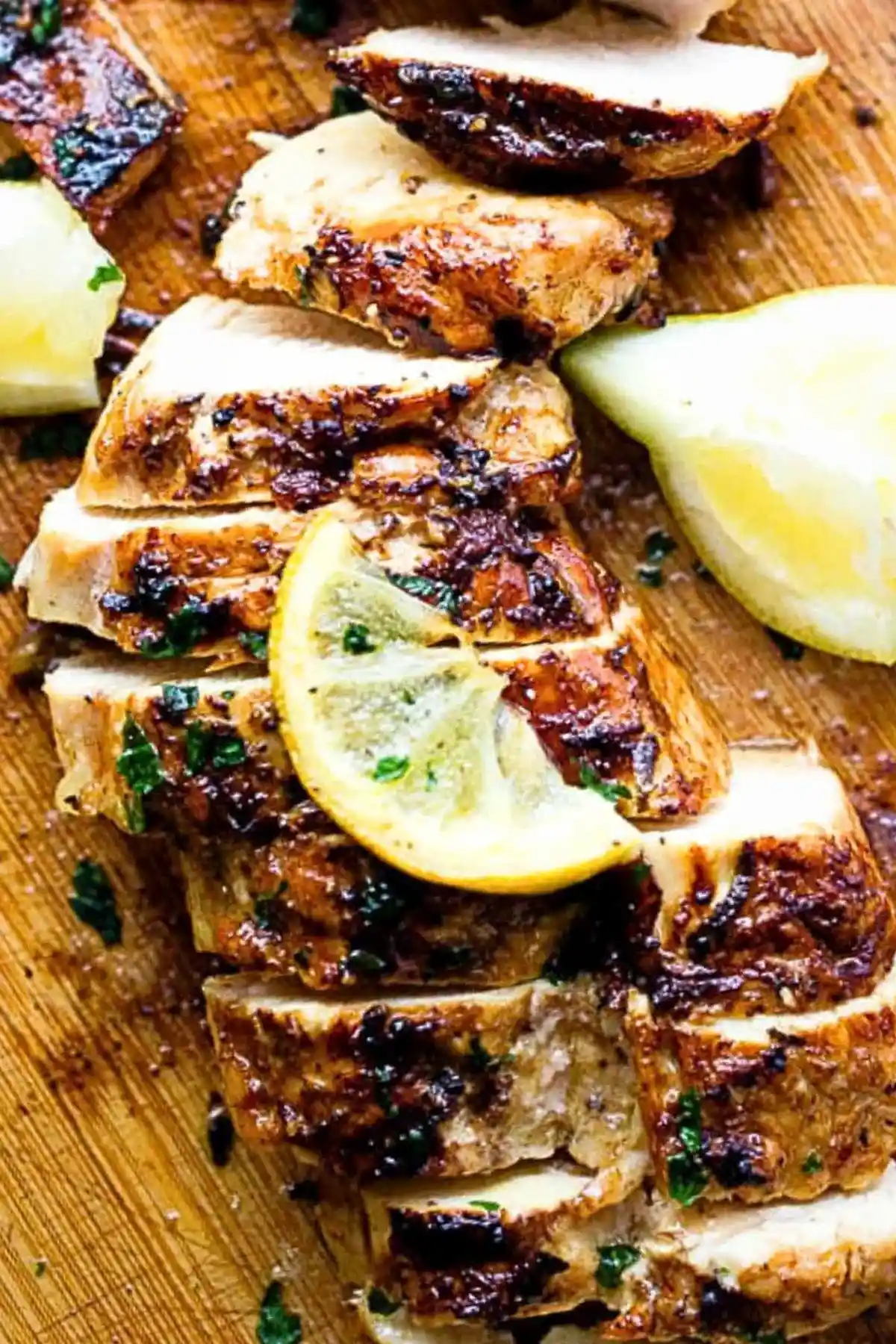
List of ingredients
- 2 pounds boneless, skinless chicken breasts – use evenly sized breasts for consistent cooking.
- 1/3 cup olive oil – provides moisture and helps prevent sticking.
- zest of 2 lemons – contains concentrated citrus oils for a bold aroma.
- 1/3 cup fresh lemon juice – acts as a natural tenderizer for the meat.
- 4 cloves garlic, minced – adds a pungent, savory depth to the marinade.
- 1/4 cup chopped fresh parsley – contributes a bright, herbal finish.
- salt and fresh ground pepper, to taste – essential for enhancing all other flavors.
- 1 whole lemon, cut into slices – used for grilling alongside the chicken and for garnish.
step-by-step instructions
- Marinate the chicken: In a large ziploc bag, combine the chicken, olive oil, lemon zest, lemon juice, garlic, parsley, salt, and pepper. Seal the bag and shake it thoroughly until the chicken is evenly coated. Place the bag in the refrigerator and marinate for at least 4 hours or overnight for maximum flavor.
- Prepare the grill: Preheat your outdoor grill to a temperature between 375°F and 400°F. Brush the grill grates with olive oil to ensure the meat does not stick.
- Grill the chicken: Remove the chicken breasts from the marinade and place them directly on the hot grill. Let them cook without moving or touching them for about 5 minutes to develop distinct grill marks.
- Flip and finish: Turn the chicken breasts over and cover the grill. Continue cooking for approximately 7 more minutes, depending on the thickness of the meat. Use a meat thermometer to ensure the internal temperature reaches 165°F.
- Rest the meat: Remove the chicken from the grill and cover it loosely with foil. Allow the meat to rest for 5 minutes before slicing to keep the juices inside.
Optimizing the Marination Process
The Effect of Acidity on Meat Texture
The lemon juice in this recipe contains citric acid, which helps break down the tough protein fibers in the chicken breast. This chemical process makes the meat more tender and allows the other flavors to penetrate deeper into the muscle. However, marinating for too long, such as over 24 hours, can cause the meat to become overly soft.
Using Zest for Concentrated Citrus Flavor
While lemon juice provides acidity, the zest contains the essential oils of the fruit. These oils offer a more fragrant and intense citrus taste that does not affect the pH level of the marinade. Zesting the lemons before juicing them ensures you capture all the available flavor from the fruit.
Recommended Marinating Timeframes
A minimum of 4 hours is recommended to allow the garlic and herbs to infuse the chicken. For those with more time, marinating overnight in the refrigerator provides the deepest flavor profile. Always keep the chicken refrigerated during this process to ensure food safety.
Mastering Outdoor Grilling Techniques
Maintaining the Correct Heat Range
Keeping the grill between 375°F and 400°F is critical for this recipe. If the heat is too low, the chicken will steam rather than sear, resulting in a lack of color. If the heat is too high, the exterior will char before the center reaches the safe internal temperature of 165°F.
Preventing Adhesion to Grill Grates
Applying a thin layer of olive oil to the grates right before adding the chicken creates a non-stick barrier. This allows the meat to release easily once the sear is formed. Avoiding constant movement during the first five minutes of cooking helps the chicken develop a proper crust.
The Importance of an Instant-Read Thermometer
Visual cues like color and firmness are often misleading when grilling chicken breasts. Using a digital meat thermometer is the only way to guarantee the meat is cooked through without overcooking it. Insert the probe into the thickest part of the breast to verify it has hit 165°F.
Stovetop Grill Pan Instructions
Preheating the Cast-Iron Surface
When using a grill pan, preheat it over medium-high heat before adding any oil or meat. A properly heated pan should cause the chicken to sizzle immediately upon contact. This high initial heat is what creates the characteristic charred lines and locks in the juices.
The Searing Process
Place the marinated chicken in the greased pan and cook for 4 minutes without moving it. Flip the breasts and cook for an additional 2 minutes. This step is designed to brown the exterior and develop a rich flavor through the Maillard reaction.
Finishing the Chicken in the Oven
Because grill pans can sometimes burn the outside before the inside is done, transferring the pan to a 350°F oven is effective. Bake for 18 to 20 minutes until the internal temperature reaches 165°F. This ensures the meat remains juicy while completing the cooking process evenly.
Ingredient Substitutions and Customizations
Selecting Alternative Cooking Oils
Olive oil is preferred for its Mediterranean flavor profile, but neutral oils like canola or avocado oil can be used. Avocado oil is particularly useful for higher heat settings due to its higher smoke point. The choice of oil will not significantly alter the final taste of the lemon marinade.
Converting Fresh Herbs to Dried
If fresh parsley is unavailable, dried parsley can be used as a substitute. Use approximately one-third of the amount of dried herbs compared to fresh, which would be about 4 teaspoons for this recipe. Alternatively, fresh thyme or rosemary can be used for a more earthy flavor.
Replacing Fresh Garlic
Freshly minced garlic provides the best aromatic punch, but garlic powder is a viable alternative. Substitute each fresh clove with 1/2 teaspoon of garlic powder or 1 tablespoon of jarred minced garlic. Be mindful that jarred garlic may contain additional salt.
Using Chicken Thighs for Extra Juiciness
Boneless, skinless chicken thighs can be used instead of breasts for a richer taste. Thighs have a higher fat content, making them more forgiving if slightly overcooked. The marinating process remains the same, though cooking times may vary slightly depending on the thickness.
Adjusting the Lemon Intensity
For those who prefer a milder citrus taste, reduce both the lemon zest and the lemon juice by a third. This maintains the balance of the marinade while softening the acidity. Adding a pinch of sugar or honey can also help balance a very sharp lemon flavor.
Complementary Side Dish Pairings
Pairing with Mediterranean Grains
Serving this chicken over a bed of Mediterranean-style rice or a brown rice pilaf is a practical choice. The grains absorb the extra juices from the chicken and the remnants of the lemon marinade. Quinoa is another high-protein option that pairs well with the citrus notes.
Integrating Roasted and Grilled Vegetables
Complement the meal with roasted potatoes or grilled broccoli and cheese. Brussels sprouts, when roasted with a bit of olive oil and salt, provide a nutty contrast to the bright lemon flavor. Slicing vegetables like zucchini and grilling them alongside the chicken is an efficient use of the grill.
Fresh Salad Combinations
A cold salad can balance the warmth of the grilled chicken. Consider a Southwest quinoa salad or a traditional pasta salad with vinaigrette. A simple potato salad with a creamy dressing also works well to offset the acidity of the lemon.
Combining Chicken with Pasta Dishes
Slicing the cooked chicken and adding it to a pasta dish transforms it into a complete meal. It pairs excellently with a leek and mushroom pasta or a cheesy tortellini alfredo. The lemon notes in the chicken cut through the richness of cream-based sauces.
Storage and Reheating Guidelines
Refrigeration and Shelf Life
Allow the grilled chicken to cool completely before placing it in an airtight container. Store the leftovers in the refrigerator for up to 4 days. Proper sealing prevents the chicken from drying out or absorbing other odors from the fridge.
Microwave Reheating Methods
To reheat chicken in the microwave, use short increments of 30 to 60 seconds. Adding a tablespoon of water or a splash of chicken broth to the container helps create steam, which prevents the meat from becoming rubbery. Stir or flip the pieces between intervals.
Oven Reheating for Better Texture
For a texture closer to the original grill, reheat the chicken in the oven at 350°F. Place the pieces in a baking dish and cover with foil to retain moisture. Heat until the internal temperature is hot throughout, usually taking about 10 to 15 minutes.
Serving Leftovers Cold
Grilled lemon chicken is excellent when served cold. Slice the chilled breasts thinly and layer them over a fresh garden salad or a spinach salad. The lemon marinade acts as a built-in seasoning that complements cold greens and fresh vegetables.
Common Questions and Troubleshooting
Can I marinate the chicken for more than 24 hours?
It is not recommended to marinate chicken for more than 24 hours. The acid in the lemon juice will eventually break down the meat fibers too much, resulting in a mushy or mealy texture. For long-term planning, freeze the chicken in the marinade and let it thaw in the fridge before grilling.
What should I do if the chicken breasts are uneven in thickness?
Uneven breasts often lead to the thin end overcooking while the thick end remains raw. Use a meat mallet or a rolling pin to gently pound the thickest part of the breast to an even thickness. This ensures a uniform cook and prevents the meat from drying out.
How do I stop the lemon slices from burning on the grill?
Place the lemon slices on the grill only during the last few minutes of the chicken’s cooking time. If they are placed on too early, the natural sugars in the fruit will caramelize and then burn. Grilled lemons provide a softened, sweeter juice that is perfect for squeezing over the finished meat.
Why is my chicken sticking to the grill despite using oil?
Sticking usually occurs if the grill is not hot enough or if the meat is moved too early. Ensure the grates are well-oiled and the temperature is at least 375°F. Wait for the meat to develop a natural sear, which will cause it to release from the metal automatically.
Print
Grilled Lemon Chicken with Garlic and Parsley
- Total Time: 35 minutes
- Yield: 8 servings 1x
- Diet: General
Description
This juicy lemon chicken is a go-to grilled chicken recipe for summer! The garlicky lemon marinade is bursting with fresh flavor and needs only 5 ingredients.
Ingredients
- 2 pounds boneless, skinless chicken breasts
- ⅓ cup olive oil
- zest of 2 lemons
- ⅓ cup fresh lemon juice
- 4 cloves garlic, minced
- ¼ cup chopped fresh parsley
- salt and fresh ground pepper, to taste
- 1 whole lemon, cut into slices
Instructions
- Marinate the chicken: In a large ziploc bag, combine chicken, olive oil, lemon zest, lemon juice, garlic, parsley, salt, and pepper. Seal the bag and shake it all up until well combined. Place the bag in the refrigerator and marinate for about 4 hours or overnight.
- Prepare the grill: Preheat the grill to about 375ºF to 400ºF. Brush the grill grates with olive oil.
- Grill the chicken: Remove the chicken breasts from the marinade and place them on the hot grill; cook without touching the grill until they start to get grill marks, about 5 minutes.
- Flip: Turn the chicken breasts over, cover the grill, and let them finish cooking, about 7 more minutes, depending on the thickness of the chicken. The chicken is done when a meat thermometer registers 165 degrees Fahrenheit.
- Rest the chicken: Remove chicken from grill; cover and let rest for 5 minutes before cutting and serving.
Notes
If you do not want a strong lemon taste, use less lemon zest and less lemon juice.
- Prep Time: 20 minutes
- Cook Time: 15 minutes
- Category: Dinner
- Method: Grilling
- Cuisine: Mediterranean
Nutrition
- Serving Size: 1 chicken breast
- Calories: 214 kcal
- Sugar: 0 g
- Sodium: 133 mg
- Fat: 11 g
- Saturated Fat: 1 g
- Unsaturated Fat: 10 g
- Trans Fat: 0 g
- Carbohydrates: 1 g
- Fiber: 0 g
- Protein: 24 g
- Cholesterol: 72 mg