This slow-cooked tomato sauce provides a rich and authentic base for any pasta dish. It utilizes simple ingredients and a long simmering process to develop a deep flavor profile.
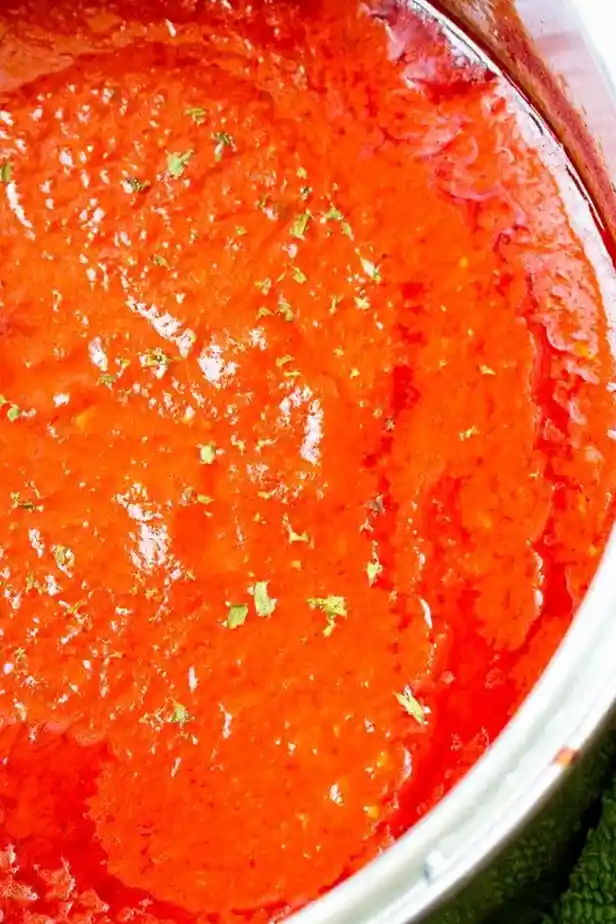
List of ingredients
- 1/2 cup extra virgin olive oil – used for sautéing and adding richness.
- 7 cloves garlic, minced – provides a sharp, aromatic base.
- 1/2 cup onion, chopped (or 1/2 large onion) – adds sweetness and depth.
- 145 oz canned tomato sauce (tomato puree will work) – the primary body of the sauce.
- 2 tbsp fresh parsley (or 1 1/2 tsp dried parsley) – adds a fresh herbal note.
- 1/4 tsp black pepper (or to taste) – provides a mild spice.
- salt to taste – used to enhance all other flavors.
step-by-step instructions
- Sauté Aromatics: In a large Dutch oven or pot, add oil, minced garlic and chopped onion. Stir and cook on med/high heat for 3-4 minutes, or until the onion is translucent.
- Combine Tomato Base: Slowly add tomato sauce to the oil mixture to avoid splatters. Stir thoroughly so the oil is fully combined with the sauce.
- Season: Add the parsley and pepper. Wait until the end of the cooking time to add salt so you can accurately judge the seasoning, as canned tomatoes already contain sodium.
- Simmer: Bring the sauce to a boil, then cover and cook on low heat for 2.5 hours. Stir to the bottom of the pot every 15 minutes to prevent sticking and burning. Using a heat diffuser is recommended.
- Cool and Store: Allow the sauce to reach room temperature before transferring it to the refrigerator or freezer.
Ingredient Selection Guidelines
Using High-Quality Extra Virgin Olive Oil
Extra virgin olive oil is essential for the authentic taste of this sauce. Avoid using refined olive oils or vegetable oils, as the EVOO contributes a distinct fruitiness and richness that defines the final product.
Selecting Between Tomato Sauce and Puree
Canned tomato sauce is the standard choice for a smooth consistency. If you prefer a slightly thicker texture, tomato puree is an excellent alternative that maintains the same flavor profile.
Choosing Fresh Over Dried Parsley
Fresh parsley provides a brighter, more vibrant flavor. If using dried parsley, reduce the quantity to 1 1/2 teaspoons to avoid an overly concentrated herbal taste.
Essential Cooking Equipment
The Advantage of a Dutch Oven
A heavy-bottomed Dutch oven is ideal for this recipe because it distributes heat evenly. The thick walls prevent the sauce from overheating in specific spots, which reduces the risk of burning during the 2.5-hour simmer.
Implementing a Heat Diffuser
A heat diffuser sits between the burner and the pot to spread the flame more evenly. This tool is highly effective for preventing the sauce from sticking to the bottom of the pot during long cooking periods.
Choosing the Right Stirring Tool
Use a long wooden spoon to stir the sauce. This allows you to reach the very bottom of the pot to ensure no tomato solids are scorching, which would ruin the taste of the entire batch.
Adding Protein Variations
Integrating Ground Beef
To make a meat sauce, brown one pound of ground beef after cooking the onions and garlic. Drain any excess fat before adding the tomato sauce to maintain a consistent texture.
Using Beef-Based Italian Sausage
Brown beef-based Italian sausage links or crumbles before adding the liquid ingredients. Let the meat sear on each side to develop a crust, which adds deeper savory notes to the sauce.
Slow-Cooking with Beef Ribs
Beef ribs can be added after the aromatics are cooked to infuse the sauce with a rich, meaty flavor. These should simmer for the full duration to ensure the meat becomes tender and pulls away from the bone.
Flavor Balancing and Adjustments
Neutralizing Acidity with Carrots
If the canned tomatoes taste too acidic, add 1/4 cup of finely minced carrots. The natural sugars in the carrots balance the acidity without the need for adding refined sugar.
Managing Sodium Levels
Because canned tomato products often contain significant amounts of salt, always taste the sauce after the simmering process. Only add additional salt at the very end to avoid over-seasoning.
Enhancing Garlic Intensity
If the sauce requires more punch after cooking, stir in a small amount of garlic powder. This provides a concentrated garlic flavor without the need to restart the sautéing process.
Deglazing with Vegetable Broth
For added depth, you can add 1/2 to 3/4 cup of vegetable broth after sautéing the onions and garlic. Simmer the broth for five minutes to reduce it before adding the tomato sauce.
Storage and Preservation
Refrigeration for Meatless Sauce
Store meat-free sauce in airtight glass or plastic containers in the refrigerator. It will maintain its quality and flavor for several days when kept chilled.
Refrigeration for Meat-Added Sauce
Sauces containing beef or sausage have a shorter shelf life. These versions should be consumed within three days to ensure food safety and optimal taste.
Step-by-Step Freezing Process
Cool the sauce completely to room temperature to prevent ice crystals. Ladle the sauce into freezer-safe containers with tight lids, leaving a small amount of space at the top for expansion.
Freezer Longevity and Labeling
Label each container with the date and contents. While the sauce remains safe to eat for up to a year, it is best used within six months for peak freshness.
Serving and Reheating
Ideal Pasta Pairings
This sauce is highly versatile and works well with spaghetti, rigatoni, or penne. For a heartier meal, use a wide noodle or a thick pasta shape that can hold more sauce.
Reheating Frozen Portions
Thaw frozen sauce in the refrigerator overnight. Reheat it slowly on the stove over low heat, adding a splash of water if the sauce has thickened too much during freezing.
Applying Sauce to Baked Pasta
This recipe is ideal for baked ziti. Combine the sauce with cooked pasta and ricotta cheese, then bake until the top is bubbly and golden brown.
Frequently Asked Questions
Can I add sugar to the sauce?
Adding sugar is not recommended for this authentic version. Use minced carrots to naturally reduce acidity while maintaining a traditional flavor profile.
Why is my sauce splattering when I add the tomatoes?
Splattering occurs when cold tomato sauce hits hot oil. Add the sauce slowly and stir constantly to integrate the oil into the liquid gradually.
What should I do if the sauce burns at the bottom?
If you notice burnt pieces, do not stir them into the rest of the sauce. Carefully ladle the unburnt sauce into a new pot, leaving the charred remains behind.
Can I use fresh tomatoes instead of canned?
Yes, but fresh tomatoes must be blanched, peeled, and pureed first. Canned sauce is used here for a consistent texture and a faster preparation time.
Print
Authentic Homemade Italian Tomato Sauce
- Total Time: 2 hours 40 minutes
- Yield: 37 servings 1x
- Diet: Vegan, Gluten-Free
Description
This authentic Italian spaghetti sauce is seasoned with fresh onions, garlic, parsley and extra virgin olive oil. It’s perfect for any pasta. Vegetarian, Vegan and gluten-free.
Ingredients
- 1/2 cup extra virgin olive oil
- 7 cloves garlic, minced
- 1/2 cup onion, chopped
- 145 oz canned tomato sauce
- 2 tbsp fresh parsley
- 1/4 tsp black pepper
- salt to taste
Instructions
- Step 1: In a large Dutch oven or pot, add oil, minced garlic and chopped onion; stir and cook on med/high heat for 3-4 minutes, or until the onion is translucent.
- Step 2: Slowly add tomato sauce to the oil mixture and stir until combined.
- Step 3: Add the parsley and pepper.
- Step 4: Bring sauce to a boil, cover and cook on low heat for 2.5 hours, stirring every 15 minutes to avoid sticking.
- Step 5: Allow sauce to get to room temperature before putting in refrigerator or freezing.
Notes
Do not add sugar; if acidity is too high, add 1/4 cup minced carrots. Do not add water to the pot. Store in airtight containers in the refrigerator for several days or freeze for up to 6 months.
- Prep Time: 5 minutes
- Cook Time: 2 hours 35 minutes
- Category: Sauce
- Method: Slow Cooking
- Cuisine: Italian
Nutrition
- Serving Size: 4 oz
- Calories: 54 kcal
- Sugar: 4 g
- Sodium: 527 mg
- Fat: 3 g
- Saturated Fat: 0.5 g
- Unsaturated Fat: 2.5 g
- Trans Fat: 0 g
- Carbohydrates: 6 g
- Fiber: 2 g
- Protein: 1 g
- Cholesterol: 0 mg