This nutrient-dense soup blends fresh broccoli and cauliflower with a sharp cheddar finish for a comforting meal. It is a simple, one-pot recipe that comes together in under 40 minutes.
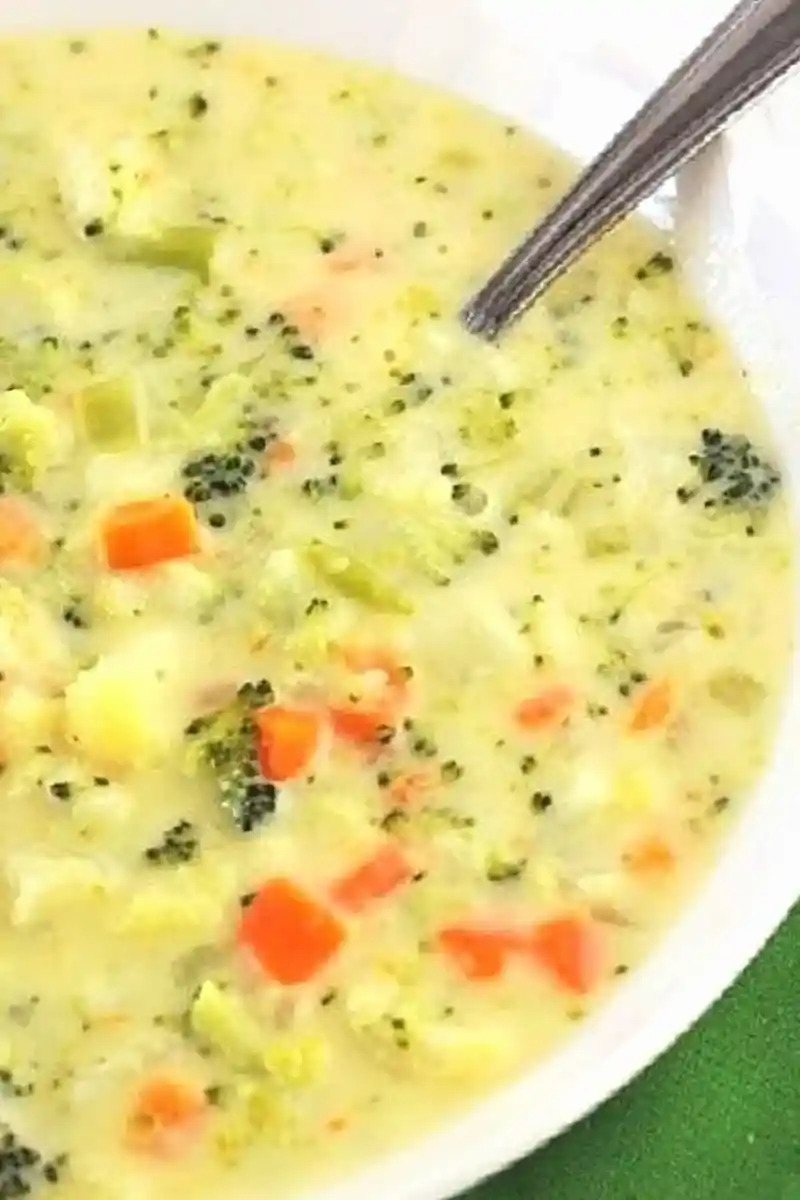
List of ingredients
- 2 tablespoons olive oil – use regular or light, not extra virgin.
- 1 cup diced carrots – approximately 2 medium to large carrots.
- 1 cup diced celery – approximately 2 large ribs.
- 1 cup diced onion – approximately 1 small to medium onion.
- Salt and pepper – added to taste.
- 3 tablespoons all-purpose flour – used to lightly thicken the base.
- 4 cups water – for the soup broth.
- 4 teaspoons chicken base – such as Better Than Bouillon for deep flavor.
- 3 cups fresh broccoli florets – cut into bite-sized pieces.
- 3 cups fresh cauliflower florets – cut into bite-sized pieces.
- 1 cup half and half – for a creamy texture.
- 2 cups shredded sharp cheddar cheese – for a bold, cheesy taste.
step-by-step instructions
- Sauté Aromatics: Heat olive oil in a 4-quart or larger pot over medium heat. Add the diced carrots, celery, and onions, seasoning them lightly with salt and pepper, and sauté for about 5 minutes until they begin to soften.
- Create Thickener: Add the all-purpose flour to the sautéed vegetables and cook for one additional minute while stirring constantly to cook out the raw flour taste.
- Simmer Vegetables: Combine the water and chicken base, then pour the mixture into the pot along with the fresh broccoli and cauliflower florets.
- Cook Until Tender: Bring the liquid to a boil, then reduce the heat to a simmer. Cover the pot with a lid and simmer for about 10 minutes until the vegetables are tender.
- Mash for Texture: Turn off the heat. Use a potato masher to mash the vegetables directly in the pot until you reach your desired consistency.
- Finish with Dairy: Stir in the half and half and the shredded sharp cheddar cheese. Continue stirring until the cheese is completely melted, then taste and adjust the salt and pepper as needed.
Optimizing Your Ingredient Selection
Selecting the Best Cheddar Cheese
For the best flavor and melt, use a block of sharp cheddar and shred it yourself. Pre-shredded cheeses often contain cellulose or potato starch to prevent clumping, which can result in a grainy texture in hot soups. Sharp cheddar provides a necessary acidic bite that cuts through the richness of the cream.
Preparing Fresh Broccoli Florets
Ensure broccoli florets are cut into small, uniform pieces to ensure they cook evenly within the 10-minute simmer window. Fresh broccoli provides a brighter color and a better snap than canned alternatives. Trim any thick, woody stems to keep the texture consistent throughout the bowl.
Using Cauliflower for Texture
Cauliflower adds a subtle sweetness and a creamy body to the soup when mashed. It blends more seamlessly than broccoli, helping to create a thicker consistency without requiring excessive flour. Using fresh cauliflower prevents the soup from tasting too watery or muted.
The Role of the Mirepoix Base
The combination of carrots, celery, and onion creates a classic aromatic foundation known as a mirepoix. Sautéing these vegetables first unlocks their natural sugars and adds a complex depth of flavor to the broth. This base ensures the soup tastes balanced rather than just tasting like melted cheese.
Alternative Ingredient Options
Substituting Chicken Base for Vegetable Broth
If you prefer a vegetable-based version, replace the chicken base and water with 4 cups of high-quality vegetable broth. Vegetable broth offers a lighter taste, though you may need to add a pinch more salt to match the intensity of a concentrated chicken base. Ensure the broth is low-sodium if you plan to add more salt later.
Dairy-Free Cream Alternatives
To make this soup dairy-free, replace the half and half with full-fat canned coconut milk or an unsweetened cashew cream. These options provide the necessary fat content to mimic the mouthfeel of traditional cream. Avoid using thin almond milk, as it will not provide the same richness.
Flour-Free Thickening Agents
For a gluten-free version, omit the all-purpose flour and use a slurry of cornstarch or arrowroot powder mixed with cold water. Add the slurry during the final simmering stage and stir until the soup reaches the desired thickness. Tapioca starch is another excellent alternative for a glossy finish.
Using Frozen Vegetable Mixes
You can use frozen broccoli and cauliflower if fresh options are unavailable. Reduce the simmering time by 3 to 5 minutes, as frozen vegetables are often blanched and cook faster than fresh ones. Overcooking frozen vegetables can lead to a mushy texture that lacks structural integrity.
Mastering the Cooking Process
Creating a Proper Flour Roux
Cooking the flour for one minute after adding it to the oil and vegetables is essential. This process, which creates a basic roux, removes the raw, cereal-like taste of the flour. It also helps the flour integrate better into the liquid, preventing lumps from forming in the soup.
Managing Simmer Times for Veggies
Keep a close eye on the vegetables during the 10-minute simmer to avoid overcooking them. They should be tender enough to be mashed but not falling apart into a puree. If you prefer very soft vegetables, extend the time by 2 minutes, but check them frequently.
Utilizing the Potato Masher Technique
Using a potato masher allows you to control the exact chunkiness of the soup. This method preserves some of the vegetable texture while thickening the liquid, avoiding the baby-food consistency often found in fully pureed soups. Mash only a portion of the vegetables if you prefer a chunkier style.
Maintaining Correct Temperature for Dairy
Always turn off the heat before stirring in the half and half and cheese. Adding dairy to a boiling pot can cause the cheese to separate or the cream to curdle. Stirring the ingredients into a hot, but not boiling, liquid ensures a smooth and emulsified texture.
Serving and Presentation Ideas
Adding a Cheesy Garnish
Top each bowl with a sprinkle of extra shredded cheddar or a pinch of grated Parmesan. The heat from the soup will melt the garnish, adding a fresh layer of cheese flavor to the surface. A few small broccoli florets set aside before mashing can also serve as a professional-looking garnish.
Pairing with Crusty Breads
Serve this soup alongside a toasted sourdough slice or a warm baguette. The acidity and crunch of toasted bread provide a contrast to the creamy, smooth nature of the cheese soup. Garlic butter brushed on the bread before toasting enhances the savory notes of the mirepoix.
Incorporating Texture with Crackers
Oyster crackers or seasoned croutons add a necessary crunch to every spoonful. For extra flavor, try using Cajun-spiced crackers or homemade sourdough croutons fried in olive oil. This prevents the meal from feeling one-dimensional in texture.
Serving as a Starter or Main
When serving as a main course, provide a generous 2-cup portion accompanied by a side salad. If serving as a starter, a 1-cup portion is sufficient to stimulate the appetite without filling the guests. The richness of the cheese makes it a satisfying dish in either capacity.
Storage and Preservation
Proper Refrigeration Methods
Store leftovers in airtight glass containers to prevent the soup from absorbing other odors in the refrigerator. Let the soup cool slightly before sealing the lid to avoid excessive condensation. Properly stored, this soup will remain fresh for 3 to 4 days.
Avoiding the Freezer for Dairy Soups
It is not recommended to freeze this soup due to the high dairy content. When frozen and thawed, the half and half and cheese often separate, leading to a grainy or broken texture. If you must freeze it, freeze the vegetable base before adding the cream and cheese.
Safe Reheating Temperatures
Reheat the soup slowly over low to medium heat on the stovetop. Avoid using the microwave on high power, as this can cause the cheese to separate and create oil slicks on the surface. Stir frequently while reheating to maintain a consistent temperature.
Extending Shelf Life in the Fridge
To keep the soup fresh longer, ensure you use a clean spoon every time you scoop from the pot to avoid cross-contamination. Store the soup in the coldest part of the refrigerator, usually the back of the middle shelf. If the soup thickens too much in the fridge, add a splash of milk during reheating.
Troubleshooting Common Soup Issues
Fixing a Grainy Cheese Texture
If the cheese becomes grainy, it is likely because the soup was too hot when the cheese was added. To fix this, try whisking in a small amount of warm milk or cream over very low heat. In some cases, using a handheld immersion blender for a few seconds can help re-emulsify the fats.
Adjusting Overly Thick Consistency
If the soup becomes too thick after simmering or refrigeration, stir in additional water or half and half one tablespoon at a time. Continue stirring over low heat until the desired consistency is achieved. Be careful not to add too much liquid at once, or you may dilute the cheese flavor.
Correcting Excessive Saltiness
If the chicken base makes the soup too salty, add a small amount of unsalted cream or more diced vegetables. A splash of lemon juice or a teaspoon of apple cider vinegar can also help balance high salt levels by adding acidity. Always taste the soup after adding the cheese before adding more salt.
Preventing Vegetable Overcooking
To prevent vegetables from becoming too mushy, ensure you are using a simmer rather than a rolling boil. A simmer gently cooks the vegetables, preserving their shape and color. If you are using a very high-BTU stove, lower the heat to the absolute minimum once the lid is on.
Frequently Asked Questions
Can I use a different cheese?
Yes, you can use Gruyère, Monterey Jack, or Fontina for a different flavor profile. Gruyère offers a more nutty taste, while Monterey Jack provides a milder, creamier melt. Avoid using very hard cheeses like aged Parmesan as the primary cheese, as they do not melt smoothly into soups.
How do I make this soup spicier?
Add a pinch of cayenne pepper or red pepper flakes during the sautéing stage with the aromatics. You can also stir in a teaspoon of hot sauce or smoked paprika at the end for a smoky, spicy kick. For a fresh heat, garnish the finished bowl with sliced jalapeños.
Is it possible to use a blender instead of a masher?
Yes, you can use an immersion blender or a traditional countertop blender. An immersion blender allows you to control the smoothness directly in the pot. For a traditional blender, work in small batches and be careful not to over-process, or the soup may become overly aerated and frothy.
What is the best pot for this recipe?
A heavy-bottomed pot or a Dutch oven is ideal because it distributes heat evenly and prevents the flour from burning. A pot with a tight-fitting lid is necessary to trap steam during the simmering process, ensuring the vegetables cook through efficiently. A 4-quart capacity is the minimum size recommended for this volume of ingredients.
Print
Creamy Broccoli, Cauliflower and Cheese Soup
- Total Time: 40 minutes
- Yield: 4 servings 1x
- Diet: Vegetarian
Description
This easy, creamy Broccoli, Cauliflower and Cheese Soup takes everyone’s favorite broccoli cheese soup and amps it up with even more good-for-you veggies, and it’s ready in less than an hour!
Ingredients
- 2 tablespoons olive oil
- 1 cup diced carrots
- 1 cup diced celery
- 1 cup diced onion
- salt and pepper to taste
- 3 tablespoons all-purpose flour
- 4 cups water
- 4 teaspoons vegetable base
- 3 cups fresh broccoli florets
- 3 cups fresh cauliflower florets
- 1 cup half and half
- 2 cups shredded sharp cheddar cheese
Instructions
- Step: In a large pot (I use a 4-quart or larger), heat the olive oil over medium heat. Add the carrots, celery, and onions. Season lightly with salt and pepper. Sauté until the veggies begin to soften, about 5 minutes.
- Step: Add the flour and cook for another minute, stirring.
- Step: Combine the water and vegetable base. Add to the pot along with the broccoli and cauliflower.
- Step: Bring to a boil, then reduce the heat to a simmer. Cover the pot with a lid and simmer until the veggies are tender, about 10 minutes. Turn off the heat.
- Step: Using a potato masher, mash the veggies until they reach the desired consistency.
- Step: Add the half and half and the cheese. Stir until the cheese is melted. Taste and adjust seasoning if needed.
Notes
You can use frozen broccoli and cauliflower, reducing the cooking time to avoid mushiness. Omit flour and use a gluten-free thickener like cornstarch for a gluten-free version. Not recommended for freezing as dairy may separate.
- Prep Time: 15 minutes
- Cook Time: 25 minutes
- Category: Soup
- Method: Stovetop
- Cuisine: American
Nutrition
- Serving Size: 2 cups
- Calories: 471 kcal
- Sugar: 11 g
- Sodium: 1150 mg
- Fat: 29 g
- Saturated Fat: 17 g
- Unsaturated Fat: 12 g
- Trans Fat: 0 g
- Carbohydrates: 31 g
- Fiber: 7 g
- Protein: 18 g
- Cholesterol: 78 mg