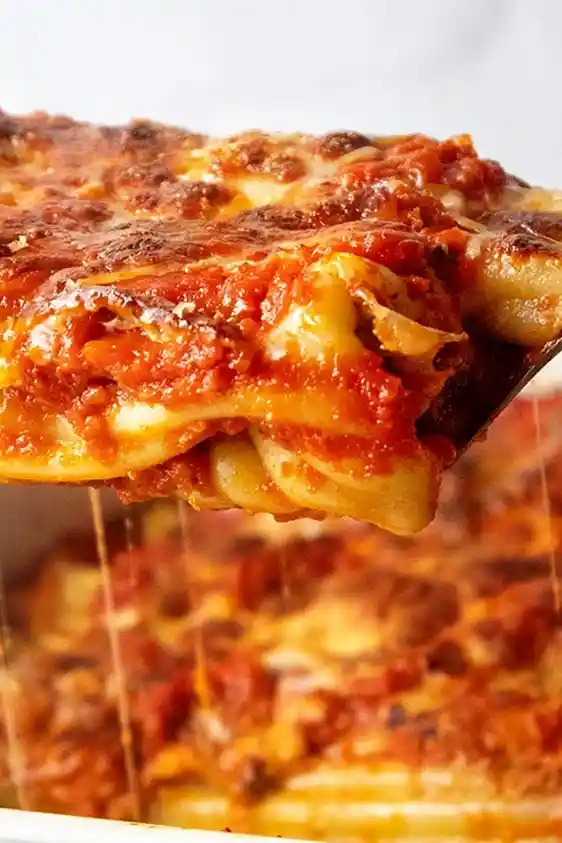
This hearty beef and cheese manicotti features tender pasta shells stuffed with a savory meat and ricotta blend. It is topped with rich marinara and melted mozzarella for a comforting, filling dinner.
List of ingredients
- 4 teaspoons olive oil – divided for sautéing and greasing surfaces.
- 1 medium onion – coarsely chopped to provide an aromatic base.
- 1 pound ground beef – the primary protein for the filling.
- Salt and freshly ground black pepper – used for seasoning throughout the process.
- 1 8-ounce package manicotti – large pasta shells for stuffing.
- 1 15-ounce container whole-milk ricotta – creates a creamy filling texture.
- 3 cups shredded mozzarella – divided between the filling and the topping.
- 1 cup grated Parmesan – divided to add a sharp, salty flavor.
- 2 tablespoons chopped fresh Italian parsley leaves – adds a touch of freshness.
- 2 garlic cloves – minced for pungent aroma and taste.
- 3 cups marinara sauce – used for the bottom layer and the topping.
- 2 tablespoons butter – cut into small pieces to aid in browning.
step-by-step instructions
- Brown the Meat: Heat a heavy medium skillet over medium heat with 1 teaspoon of olive oil. Add the chopped onion and ground beef, seasoning with salt and pepper. Sauté until the meat browns and the onion is translucent, about 5 minutes, then remove from heat and let cool.
- Prepare the Pasta: Brush 1 teaspoon of oil over a large baking sheet. Boil the manicotti in salted water for 4 to 6 minutes until slightly softened but still very firm. Use a slotted spoon to transfer the pasta to the oiled sheet to cool and prevent sticking.
- Mix the Filling: Combine the ricotta, 1.5 to 2 cups of mozzarella, 1/2 cup of Parmesan, and fresh parsley. Mix in the minced garlic, salt, and pepper to taste. Stir the cooled beef mixture into the cheese blend until evenly distributed.
- Prepare the Baking Dish: Preheat your oven to 350 degrees F. Brush the remaining 2 teaspoons of oil over a 13 by 9 by 2-inch glass baking dish. Spoon 1.5 cups of marinara sauce evenly across the bottom.
- Assemble the Dish: Fill each manicotti shell with the beef and cheese mixture. Arrange the stuffed pasta in a single layer in the dish. Spoon the remaining 1.5 cups of marinara sauce over the top of the pasta.
- Add Final Toppings: Sprinkle the remaining 1.5 cups of mozzarella and 1/2 cup of Parmesan over the sauce. Distribute the butter pieces evenly across the surface.
- Bake and Serve: Bake uncovered for 30 to 35 minutes until the sauce bubbles on the sides and the cheese is heated through. Let the dish stand for 5 minutes before serving to allow the filling to set.
Protein Selection and Preparation
Choosing the Right Ground Beef Fat Ratio
For this recipe, an 80/20 ground beef ratio provides the best flavor and moisture. If you use a leaner beef, such as 90/10, you may need to add a small amount of extra olive oil to the skillet to prevent the meat from drying out. Always drain excess fat after browning if the meat releases more oil than the recipe requires.
Ensuring the Meat Cools Completely
Adding hot ground beef directly to the ricotta and mozzarella can cause the cheese to melt prematurely. This creates a runny filling that is difficult to pipe into the pasta shells. Let the beef mixture reach room temperature or chill it in the refrigerator for 15 minutes before mixing.
Enhancing the Beef Flavor Profile
To deepen the savory notes of the beef, allow it to brown undisturbed for a few minutes to develop a crust. This caramelization adds a rich depth to the filling that complements the creamy ricotta. Ensure the onions are sautéed long enough to lose their raw bite.
Pasta Handling Techniques
Preventing Pasta Shells from Tearing
Undercooking the manicotti is critical for structural integrity. If the pasta is too soft during the parboiling stage, the shells will likely tear when you attempt to stuff them. Aim for a texture that is barely pliable but still has a significant bite.
Using an Oiled Sheet for Cooling
Pasta shells are highly prone to sticking together as they cool and release starches. Brushing a baking sheet with olive oil and laying the shells in a single layer ensures they remain separate. This makes the stuffing process much faster and prevents the pasta from breaking.
Efficient Stuffing Methods
Using a piping bag or a large plastic freezer bag with the corner cut off is the most efficient way to fill manicotti. This allows you to push the filling evenly from one end to the other without leaving air pockets. If using a spoon, be careful not to overpack the shells, which can cause them to split during baking.
Cheese and Filling Optimization
Managing Ricotta Moisture
Some brands of ricotta are more watery than others, which can lead to a runny filling. If your ricotta appears very liquid, strain it through a fine-mesh sieve or cheesecloth for 30 minutes before mixing. This ensures the filling stays inside the pasta shell.
Balancing the Salt Levels
Between the Parmesan, mozzarella, and salted pasta water, this dish contains several sources of sodium. Taste the cheese mixture before adding additional salt to avoid over-seasoning. The marinara sauce also contributes salt, so keep the beef seasoning moderate.
Achieving a Smooth Filling Consistency
For a more refined texture, you can whip the ricotta with a whisk or hand mixer before adding the other ingredients. This removes clumps and creates a lighter, fluffier filling. Fold in the ground beef and parsley gently to maintain the airy volume.
Baking and Temperature Control
Preventing Dry Pasta Edges
Ensure that the marinara sauce completely covers the ends of each manicotti shell. Exposed pasta ends can dry out and become hard or chewy in the oven. If you notice any gaps, use a spoon to nudge more sauce over the edges.
The Role of Butter Dots
Adding small pieces of butter on top of the cheese helps create a professional, golden-brown finish. The butter melts into the mozzarella and Parmesan, encouraging a more consistent browning process. This also adds a layer of richness to the final crust.
Using the Correct Baking Dish
A glass baking dish is ideal because it allows you to monitor the bubbling of the sauce on the sides. Ensure the dish is not too large, as the sauce may spread too thin and evaporate too quickly. A standard 13 by 9-inch dish keeps the pasta tightly packed and moist.
Customizations and Substitutions
Incorporating Vegetable Additions
Finely diced carrots or celery can be sautéed with the onion to add subtle sweetness and nutrients. Freshly chopped spinach can be folded into the cheese mixture for added color and earthy flavor. Ensure all vegetables are well-drained to prevent the filling from becoming watery.
Alternative Cheese Options
If you prefer a sharper taste, you can substitute some of the mozzarella with Provolone or Fontina. For a lower-fat version, use part-skim ricotta and reduced-fat mozzarella. Be aware that reduced-fat cheeses may not brown as deeply or stretch as much as full-fat versions.
Variations in Marinara Flavor
Depending on your preference, you can use a spicy arrabbiata sauce for a kick of heat or a basil-heavy marinara for a sweeter profile. Adding a pinch of dried oregano or red pepper flakes to the store-bought sauce can further enhance the flavor. Always ensure the sauce is thick enough to support the pasta shells.
Storage and Preservation
Refrigerating Leftovers
Allow the manicotti to cool to room temperature before covering the dish with an airtight lid or aluminum foil. Store the leftovers in the refrigerator for up to three days. Keep the pasta submerged in the remaining sauce to prevent the noodles from drying out.
Freezing Assembled Manicotti
You can freeze the dish before baking by assembling it and wrapping it tightly in plastic wrap and then aluminum foil. Avoid parboiling the pasta if you plan to freeze it raw, or undercook it even further. Label the package with the date and bake from frozen, adding about 15-20 minutes to the cooking time.
Thawing Guidelines
The safest way to thaw frozen manicotti is in the refrigerator for 24 to 48 hours. This prevents the pasta from becoming mushy, which often happens during rapid thawing. Once thawed, bake as directed in the original instructions.
Reheating Instructions
Oven Reheating for Best Texture
To maintain the best texture, reheat portions in the oven at 325 degrees F. Cover the dish with foil to trap moisture and prevent the cheese from burning. Heat until the center is steaming, usually about 15 to 20 minutes.
Microwave Reheating for Speed
When using a microwave, place a portion of manicotti in a microwave-safe container and add a tablespoon of water or extra sauce. Cover the container with a damp paper towel to steam the pasta. Heat on medium power in 1-minute intervals to avoid rubbery cheese.
Maintaining Sauce Moisture
If the sauce has thickened too much during storage, stir in a small amount of water or beef broth before reheating. This restores the fluidity of the marinara and prevents the pasta from absorbing all the moisture. This is especially important when reheating in the oven.
Serving and Pairing Suggestions
Complementary Fresh Salads
Pair this rich pasta dish with a light arugula salad tossed in lemon vinaigrette. The acidity of the lemon and the peppery nature of the arugula cut through the heaviness of the cheese and beef. A simple Caesar salad with crisp romaine is another classic option.
Garlic Bread and Sides
Serve with toasted garlic bread or a buttery focaccia to soak up the extra marinara sauce. Roasted broccoli or sautéed zucchini can add a healthy, green component to the meal. Keep the side dishes simple to let the manicotti remain the center of attention.
Non-Alcoholic Beverage Pairings
A sparkling water with a squeeze of fresh lime provides a refreshing contrast to the savory cheese. Iced herbal tea or a chilled grape juice also complements the acidity of the tomato sauce. These options keep the meal light and family-friendly.
Troubleshooting Common Issues
Fixing Watery Sauce
If the sauce in your dish is too thin, it may be due to excess moisture from the ricotta or vegetables. To fix this, simmer your marinara sauce on the stove for 10 minutes to reduce it before adding it to the dish. You can also stir in a tablespoon of tomato paste to thicken the consistency.
Preventing Bursting Shells
Manicotti shells typically burst when they are overfilled or overcooked during the boiling stage. Leave a small amount of space at the ends of the shells to allow the filling to expand. If the filling is too thick, use a spoon to gently press it down rather than forcing it in.
Addressing Rubbery Cheese
Rubbery cheese is often a result of overheating or using low-quality pre-shredded cheese with cellulose coatings. Try grating your own mozzarella from a block for a smoother melt. If reheating, use a lower temperature and cover the dish to maintain moisture.
Frequently Asked Questions
Can I use no-boil manicotti?
Yes, you can use no-boil shells, but you must increase the amount of marinara sauce by about 1 cup. No-boil pasta absorbs significantly more liquid from the sauce to cook through during the baking process. Ensure the shells are completely covered in sauce to avoid hard edges.
How do I stop the cheese from leaking?
Ensure your ricotta is well-drained and that the mozzarella is thoroughly mixed into the filling. The mozzarella acts as a binder that holds the ricotta together as it melts. Avoid overfilling the shells, as too much pressure will push the cheese out of the ends.
What is the best way to fill the pasta shells?
The most effective method is using a pastry bag or a sturdy zip-top bag with a corner cut off. This allows for a continuous flow of filling, ensuring there are no gaps in the middle of the shell. It is also much cleaner than using a spoon.
Print
Beef and Cheese Manicotti
- Total Time: 55 minutes
- Yield: 6 servings 1x
- Diet: General
Description
This classic Italian comfort food dish stars manicotti pasta, filled to the brim with a beef and cheese mixture. Topped with your favorite marinara, cheese, and baked to golden-brown bubbly perfection, it’s always a crowd-pleaser.
Ingredients
- 4 teaspoons olive oil
- 1 medium onion (coarsely chopped)
- 1 pound ground beef
- Salt and freshly ground black pepper
- 1 8-ounce package manicotti
- 1 15-ounce container whole-milk ricotta
- 3 cups shredded mozzarella
- 1 cup grated Parmesan
- 2 tablespoons chopped fresh Italian parsley leaves
- 2 garlic cloves (minced)
- 3 cups marinara sauce
- 2 tablespoons butter (cut into pieces)
Instructions
- Step: Heat a heavy medium skillet over medium heat. Add 1 teaspoon of the olive oil, onion and ground beef. Season with salt and pepper. Saute until the meat browns and the onion is translucent, about 5 minutes. Remove from the heat, and cool.
- Step: Brush 1 teaspoon of oil over a large baking sheet. Cook the manicotti in a large pot of boiling salted water until slightly softened, but still very firm to the bite, about 4 to 6 minutes. Using a slotted spoon, transfer the manicotti from the pot to the oiled baking sheet and cool.
- Step: Meanwhile, combine the ricotta, 1 1/2 to 2 cups mozzarella cheese, 1/2 cup Parmesan, and parsley. Add the garlic, salt, and pepper to taste, and mix. Stir the cooled meat mixture into the cheese mixture.
- Step: Preheat the oven to 350 degrees F.
- Step: Brush the remaining 2 teaspoons of oil over a 13 by 9 by 2-inch glass baking dish. Spoon 1 1/2 cups of the marinara sauce over the bottom of the prepared dish. Fill the manicotti with the cheese-meat mixture. Arrange the stuffed pasta in a single layer in the prepared dish and spoon the remaining sauce over.
- Step: Sprinkle the remaining 1 1/2 cups of mozzarella cheese, then the remaining 1/2 cup of Parmesan over the stuffed pasta. Dot entire dish with the butter pieces. Bake the manicotti uncovered until heated through and the sauce bubbles on the sides of the dish, about 30 to 35 minutes. Let the manicotti stand 5 minutes and serve.
Notes
Nut free.
- Prep Time: 15 minutes
- Cook Time: 40 minutes
- Category: Main Course
- Method: Baking
- Cuisine: Italian
Nutrition
- Serving Size: 1 serving
- Calories: 650 kcal
- Sugar: 7 g
- Sodium: 920 mg
- Fat: 35 g
- Saturated Fat: 18 g
- Unsaturated Fat: 17 g
- Trans Fat: 0 g
- Carbohydrates: 45 g
- Fiber: 3 g
- Protein: 35 g
- Cholesterol: 110 mg