This high-protein plant-based soup is a fast and healthy meal option that takes only 20 minutes to prepare. It combines pantry staples with fresh vegetables to deliver a hearty Mediterranean flavor profile in a single pot.
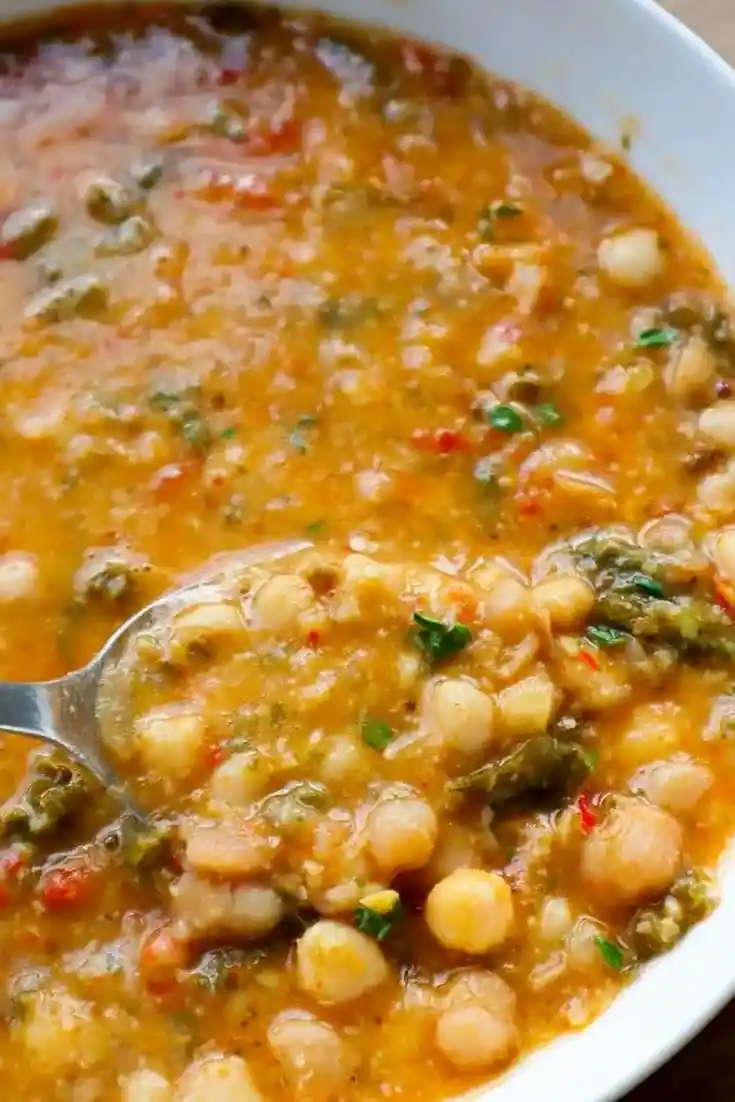
List of ingredients
- 2 cans of chickpeas, rinsed and drained – provides the main protein and bulk.
- 1/2 onion – adds a savory base layer.
- 3 cloves garlic – provides aromatic depth.
- 1 small tomato, grated or 2 tsp tomato juice – adds acidity and color.
- 1/3 red pepper, grated – adds sweetness and texture.
- 2 tsp mint or a handful fresh mint leaves – provides a fresh, herbal note.
- 1 tsp cumin – adds earthy warmth.
- 1 1/2 tbsp olive oil – used for sautéing vegetables.
- 1 cup spinach or kale (optional) – adds vitamins and color.
- 1 tsp lemon juice – brightens the final flavor.
- Salt & Pepper to taste – for seasoning.
step-by-step instructions
- Prepare Vegetables: Chop the onion, grate the tomato and red pepper, and mince the garlic.
- Sauté Aromatics: Add the prepared vegetables to a heated cooking pot with olive oil, mint, and cumin, then saute for 1-2 minutes.
- Cook Chickpeas: Stir in the rinsed and drained chickpeas and saute for another 2 minutes.
- Simmer: Pour in 2 cups of water or stock, add a generous amount of salt, and cover with a lid. Cook at medium heat for 8-10 minutes.
- Add Greens: Stir in the spinach or kale, then taste and add more water or stock if the consistency is too thick.
- Finish and Blend: Add one additional garlic clove and a teaspoon of lemon juice. Use a hand blender to blend half of the soup, stir it back in, cook for 2 more minutes, and remove from the stove.
- Serve: Dish the soup immediately and serve with avocado, bread, and jalapeno slices.
Ingredient Selection and Preparation
Selecting the Best Canned Chickpeas
Choose low-sodium canned chickpeas to maintain full control over the salt levels of the finished soup. Always rinse them under cold running water in a colander until the water runs clear to remove excess starch and preservatives.
Grating Vegetables for Better Integration
Grating the tomato and red pepper instead of chopping them allows the vegetables to break down faster during the short cooking time. This method creates a smoother base that blends more seamlessly into the broth.
Fresh versus Dried Mint
Fresh mint leaves provide a brighter, more vibrant flavor that cuts through the earthiness of the cumin. If using dried mint, ensure it is rubbed between your palms before adding to the pot to release the stored oils.
Using High-Quality Olive Oil
Extra virgin olive oil is recommended for this recipe to add a fruity, peppery undertone to the sautéed vegetables. Use a medium heat setting to avoid reaching the smoke point of the oil, which can alter the taste.
Flavor Customization and Substitutions
Replacing Mint with Oregano
If you prefer a more traditional savory profile, substitute the mint with dried or fresh oregano. This change shifts the flavor from a bright, refreshing note to a deeper, woodier Mediterranean taste.
Using Vegetable Broth Instead of Water
Substituting the 2 cups of water with a low-sodium vegetable broth increases the complexity of the liquid base. This adds more depth and a richer mouthfeel compared to using plain water.
Alternative Leafy Greens
While spinach is standard, Swiss chard or collard greens are excellent substitutes for those who want a heartier texture. If using collard greens, add them a few minutes earlier than spinach as they require more time to soften.
Tomato Paste as an Alternative
If fresh tomatoes are unavailable, one tablespoon of tomato paste can be used in place of the grated tomato. Stir the paste into the oil during the sauté phase to caramelize the sugars for a richer flavor.
Texture Control and Blending Techniques
Using a Hand Blender for Creaminess
Blending only half of the soup ensures you get a creamy consistency without losing the satisfying texture of whole chickpeas. Move the immersion blender up and down slowly to avoid over-processing the mixture.
Adjusting the Soup Thickness
If the soup is too thick after blending, stir in an additional 1/4 cup of water or broth. Conversely, if it is too thin, let it simmer uncovered for an extra 3-5 minutes to reduce the liquid.
Natural Thickening Methods
For those without a blender, you can achieve thickness by mashing a small portion of the chickpeas against the side of the pot with a fork. This releases natural starches that thicken the broth.
Serving Suggestions and Pairings
Adding Fresh Avocado for Creaminess
Sliced or cubed avocado provides a cool, creamy contrast to the warm, spiced broth. The healthy fats in the avocado also help the body absorb the fat-soluble vitamins found in the spinach.
Pairing with Toasted Sourdough
Serve the soup with toasted sourdough or a crusty baguette to add a necessary crunch. The slight acidity of sourdough complements the lemon juice and cumin in the recipe.
Using Jalapenos for Heat
Thinly sliced fresh jalapenos add a spicy kick that balances the richness of the chickpeas. For a milder heat, remove the seeds and membranes before slicing.
Garnishing with Fresh Herbs
A sprinkle of chopped parsley or cilantro on top of the bowl adds a pop of color and a fresh aromatic finish. This is particularly useful if you used dried mint during the cooking process.
Storage and Preservation Methods
Refrigeration Best Practices
Store leftovers in an airtight glass container to maintain the flavor and prevent the soup from absorbing other fridge odors. The soup will remain fresh and safe to eat for 3 to 4 days.
Freezing for Long-Term Storage
This soup freezes well, though it is recommended to omit the spinach before freezing to prevent the greens from becoming mushy. Thaw overnight in the refrigerator before reheating.
Managing Liquid Separation
It is normal for some liquid to separate from the solids during cold storage. Simply stir the soup vigorously while reheating to reintegrate the ingredients into a smooth emulsion.
Reheating and Freshness Tips
Stovetop Reheating Method
Reheating on the stove over low-medium heat is the best way to preserve the texture. Add a splash of water or broth to compensate for the liquid that evaporates during the reheating process.
Microwave Reheating Instructions
When using a microwave, heat the soup in 1-minute intervals, stirring in between. This prevents hot spots and ensures the chickpeas are heated evenly throughout.
Refreshing the Flavor After Reheating
Adding a small squeeze of fresh lemon juice after reheating can revive the bright notes that may have dulled during storage. This simple step makes the leftover soup taste freshly made.
Meal Prep and Make-Ahead Strategies
Pre-Chopping Your Aromatics
You can chop the onion, mince the garlic, and grate the red pepper up to 24 hours in advance. Store them in a small airtight container in the fridge to save time during the actual cooking process.
Preparing the Base in Batches
The sautéed vegetable and chickpea base can be made in a large batch and frozen in portions. When ready to eat, simply add the liquid, simmer, and finish with fresh greens and lemon.
Portioning for Weekly Lunches
Divide the cooled soup into individual 12-ounce containers for easy grab-and-go meals. This helps with portion control and ensures you have a high-protein lunch ready for the work week.
Troubleshooting Common Issues
Fixing Overly Salty Soup
If the soup becomes too salty, add a small amount of unsalted water or an extra handful of spinach to dilute the concentration. A tiny pinch of sugar can also help balance the saltiness.
Balancing Excessive Acidity
If the lemon juice makes the soup too tart, stir in a teaspoon of olive oil or a small amount of coconut cream. This adds richness that neutralizes the sharp acidic notes.
Preventing Burnt Garlic
Garlic burns quickly and can make the soup bitter. Ensure the oil is shimmering but not smoking before adding the garlic, and move it quickly into the simmering liquid phase.
Dealing with Wilted Greens
To prevent the spinach or kale from overcooking, always add them at the very end of the process. The residual heat of the soup is usually enough to wilt the greens without destroying their nutrients.
Frequently Asked Questions
Can I use dried chickpeas instead of canned?
Yes, but soon as they are soaked for 8-12 hours and boiled until tender. Replace the canned chickpeas with an equal volume of cooked dried chickpeas.
Is this recipe gluten-free?
This recipe is naturally gluten-free as long as you use water or a certified gluten-free vegetable stock. Always check the labels on canned goods for hidden thickeners.
How can I make the soup spicier?
In addition to jalapeno toppings, you can add 1/2 teaspoon of red pepper flakes or a pinch of cayenne pepper during the sauté phase for integrated heat.
Can I add other legumes like lentils?
Yes, red lentils work well in this recipe as they break down and add extra creaminess. Add them at the same time as the water and simmer for an additional 10 minutes.
Nutritional Value and Health Benefits
Protein Content from Chickpeas
Chickpeas are a dense source of plant-based protein, making this soup a filling meal. They also provide essential amino acids and a significant amount of dietary fiber.
Vitamins in Leafy Greens
Adding spinach or kale introduces vitamin K, vitamin A, and iron to the dish. These micronutrients support immune function and overall cellular health.
Healthy Fats in Olive Oil
The use of olive oil provides monounsaturated fats, which are beneficial for heart health. These fats also act as a carrier for the flavors of the cumin and mint.
Recommended Kitchen Tools
Heavy-Bottomed Cooking Pot
Use a stainless steel or cast iron pot with a heavy base to ensure even heat distribution. This prevents the vegetables from scorching during the initial sautéing process.
Immersion Hand Blender
An immersion blender is the most efficient tool for this recipe as it allows you to blend directly in the pot. This eliminates the need to transfer hot liquid to a traditional blender.
Fine Mesh Grater
A box grater or a handheld zester is ideal for the tomato and red pepper. A finer grate results in a more integrated sauce that thickens the broth more effectively.
Print
Quick 20-Minute Mediterranean Chickpea Soup
- Total Time: 20 minutes
- Yield: 3 servings 1x
- Diet: Vegan
Description
The ultimate chickpea soup – packed with Mediterranean flavors, hearty, high-protein, vegan and made with simple ingredients like canned chickpeas, vegetables and spices in one pot, in 20 minutes.
Ingredients
- 2 cans of chickpeas, rinsed and drained
- 1/2 onion
- 3 cloves garlic
- 1 small tomato, grated or 2 tsp tomato juice
- 1/3 red pepper, grated
- 2 tsp mint or a handful fresh mint leaves
- 1 tsp cumin
- 1 1/2 tbsp olive oil
- 1 cup spinach or kale (optional)
- 1 tsp lemon juice
- Salt & Pepper to taste
Instructions
- Step 1: Chop onion, grate tomato and red pepper, mince garlic.
- Step 2: Add these vegetables to a heated cooking pot with olive oil, mint, and cumin and saute for 1-2 minutes.
- Step 3: Add in the rinsed and drained chickpeas and saute for 2 more minutes.
- Step 4: Add 2 cups of water or stock, a good amount of salt and cover with a lid. Cook at medium for around 8-10 minutes.
- Step 5: Add in the spinach, taste and add water or stock if needed.
- Step 6: Add 1 more garlic clove and a tsp lemon juice. Blend ½ the soup using a hand blender and stir in. Cook for 2 more minutes and remove from the stove.
Notes
Oregano is also a great choice for this soup.
- Prep Time: 5 minutes
- Cook Time: 15 minutes
- Category: Soups
- Method: Stovetop
- Cuisine: Mediterranean
Nutrition
- Serving Size: 1 serving
- Calories: 298 kcal
- Sugar: 10 g
- Sodium: 168 mg
- Fat: 10 g
- Saturated Fat: 1 g
- Unsaturated Fat: 8 g
- Trans Fat: 0 g
- Carbohydrates: 42 g
- Fiber: 12 g
- Protein: 13 g
- Cholesterol: 0 mg