This baked spaghetti pie combines a cheesy pasta crust with a rich meat sauce and creamy cottage cheese. It is a hearty, filling meal that works well for family dinners or as a make-ahead dish.
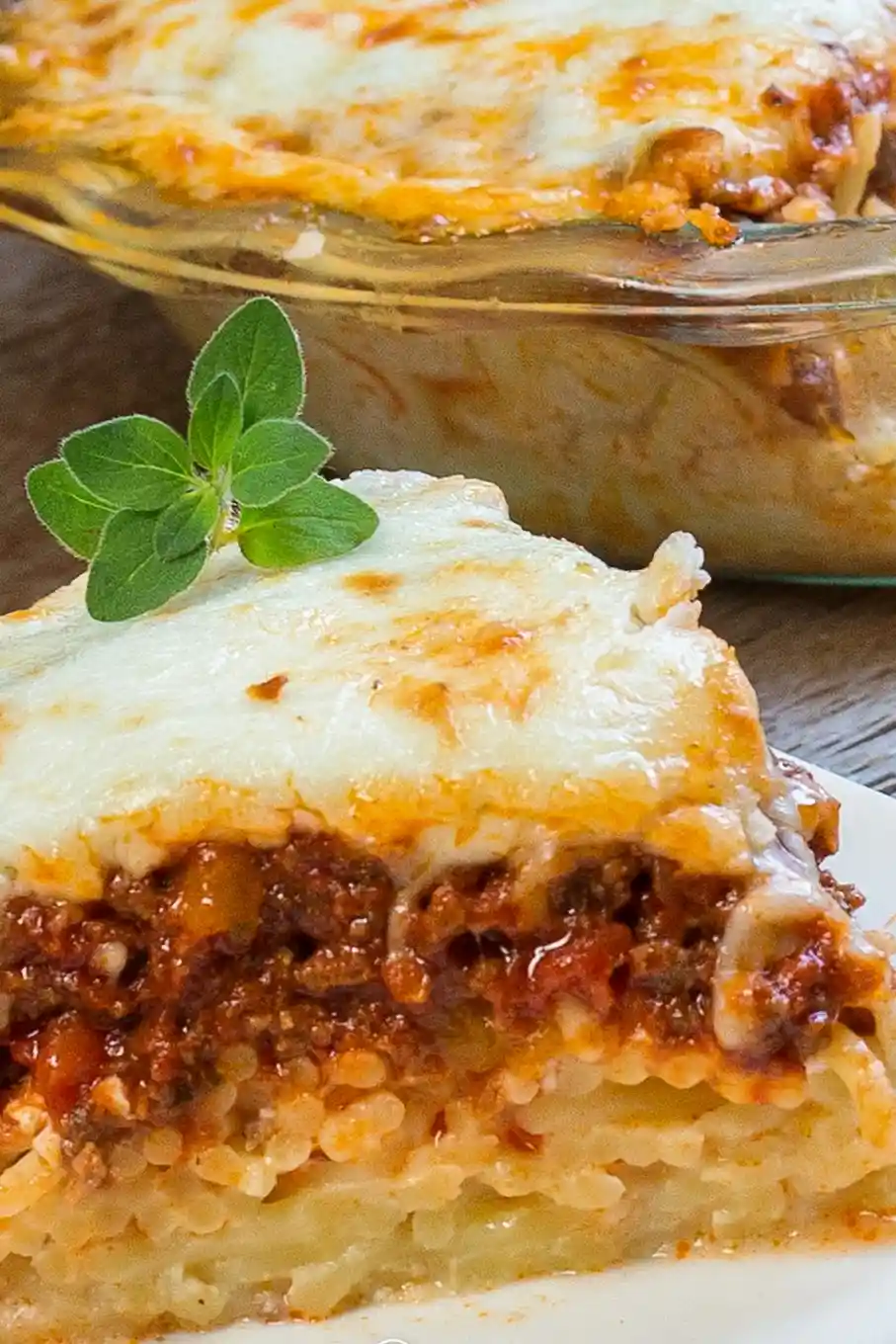
List of ingredients
- 1/2 box spaghetti (about 9 oz) – use a standard durum wheat pasta.
- 2 tablespoon butter – softened for easier mixing.
- 2 eggs beaten – used as a binder for the crust.
- 1/2 cup gruyere cheese grated – provides a nutty, melted base.
- 1 1/2 cups cottage cheese – creates a creamy middle layer.
- 1 1/2 pound ground beef – lean beef is recommended.
- 1 medium onion chopped – finely diced for even distribution.
- 2 cloves garlic finely chopped – fresh cloves provide the best aroma.
- 1/2 red pepper chopped – adds color and sweetness.
- 1/2 yellow pepper chopped – complements the red pepper.
- 1 can (28oz) diced tomatoes (drained) – drain well to avoid a watery sauce.
- 1 can (6oz) tomato paste – thickens the meat sauce.
- 1 teaspoon sugar – balances the acidity of the tomatoes.
- 2 tablespoon fresh oregano (or 1 teaspoon dried) – adds an earthy herbal note.
- 1/2 teaspoon salt – adjust based on the saltiness of your cheese.
- 1 teaspoon pepper – black pepper for a mild heat.
- 1 1/2 cups mozzarella cheese shredded – for a bubbly, melted topping.
step-by-step instructions
- Preheat: Set your oven to 350 degrees Fahrenheit.
- Brown Meat: In a large skillet, brown the ground beef along with the chopped onions, garlic, and peppers.
- Combine Sauce: Stir in the tomato paste and the drained diced tomatoes.
- Season: Add the sugar and oregano, then season the mixture with salt and pepper.
- Simmer: Keep the meat sauce heated on low while you prepare the spaghetti.
- Boil Pasta: Cook the spaghetti until it is al dente, meaning it is soft but still chewy and firm.
- Drain: Drain the pasta thoroughly and return it to the pot.
- Bind Crust: Mix in the butter, beaten eggs, and grated gruyere cheese.
- Form Base: Grease a 10 inch pie plate. Spread the spaghetti mixture evenly in the plate to create the crust.
- Add Cream: Spread the cottage cheese on top of the spaghetti crust by placing dollops and then spreading them evenly.
- Add Meat: Spoon the ground beef mixture over the cottage cheese layer and spread it evenly.
- First Bake: Bake uncovered for 20 minutes at 350 degrees.
- Final Melt: Top the pie with shredded mozzarella cheese and bake for another 10 minutes until the cheese is melted and bubbly.
Optimizing the Meat Sauce Base
Browning the Ground Beef Properly
Ensure the skillet is preheated over medium-high heat before adding the beef. Cook the meat until it is fully browned and any excess liquid has evaporated. Drain the fat if necessary to prevent the final pie from becoming greasy.
Preparing the Aromatics
Chop the onion, garlic, and peppers into uniform, small pieces. This ensures that every bite of the sauce has a consistent balance of vegetables. Sauté them with the beef until the onions are translucent and the peppers are tender.
Managing Tomato Texture
Draining the diced tomatoes is a critical step to prevent the sauce from being too liquid. The tomato paste then acts as a thickening agent to bind the meat and vegetables. Stir these in thoroughly to create a cohesive, rich sauce.
Balancing Flavors with Sugar
The addition of a small amount of sugar helps neutralize the natural acidity found in canned tomatoes. This results in a smoother, more rounded flavor profile. Avoid adding too much, as the sauce should remain savory rather than sweet.
Perfecting the Pasta Crust
Cooking Pasta to Al Dente
Boil the spaghetti for one to two minutes less than the package instructions suggest. Since the pasta will continue to cook in the oven, undercooking it slightly prevents a mushy texture. The pasta should maintain a slight bite in the center.
Using Eggs as a Binder
Beaten eggs act as the glue that holds the spaghetti and cheese together during the baking process. Ensure the pasta is slightly cooled before adding the eggs to prevent them from scrambling immediately. This creates a solid, sliceable crust.
The Role of Gruyere Cheese
Gruyere is chosen for its excellent melting properties and distinct nutty flavor. It blends seamlessly with the pasta and butter to create a sturdy base. Ensure the cheese is finely grated so it distributes evenly throughout the noodles.
Greasing the Pie Plate
Use butter or a non-stick cooking spray to generously coat the 10 inch pie plate. This prevents the pasta crust from sticking to the edges during the baking process. A well-greased pan makes it much easier to serve clean slices.
Layering and Assembly Techniques
Establishing the Pasta Base
Press the spaghetti mixture firmly into the bottom and slightly up the sides of the pie plate. This creates a structural wall that supports the heavier layers of cheese and meat. Use the back of a spoon to smooth the surface.
Applying the Cottage Cheese
Placing the cottage cheese in dollops across the crust allows for more even spreading. Use a spatula to gently smooth the cheese without disturbing the pasta layer underneath. This creates a creamy barrier between the crust and the sauce.
Distributing the Meat Sauce
Spoon the meat sauce over the cottage cheese in sections before spreading. This method prevents the sauce from pushing the cottage cheese to the sides of the pan. Spread the sauce to the edges to ensure every slice is complete.
Adding the Mozzarella Topping
Distribute the shredded mozzarella evenly over the entire surface of the meat sauce. Avoid piling the cheese in the center, as the edges may not melt at the same rate. The cheese should create a complete seal over the top layer.
Baking and Finishing Tips
Setting the Initial Bake
Baking the pie uncovered for the first 20 minutes allows the flavors to meld and the crust to set. This initial stage ensures that the cottage cheese and meat sauce are heated through before the topping is added. Keep the oven door closed to maintain a consistent temperature.
Achieving the Perfect Melt
The final 10 minutes of baking are dedicated to melting the mozzarella. Watch for the cheese to become bubbly and develop small golden-brown spots. If the cheese isn’t browning, you can briefly switch to the broiler setting for one to two minutes.
The Importance of Resting
Allow the spaghetti pie to rest for 10 to 15 minutes after removing it from the oven. This resting period allows the layers to firm up and the juices to redistribute. Slicing too early can cause the layers to slide apart.
Checking for Internal Temperature
The center of the pie should be steaming hot before serving. You can use a meat thermometer to ensure the center has reached a safe internal temperature. The cheese should be fully fused with the meat sauce layer.
Ingredient Substitutions
Replacing Gruyere Cheese
If Gruyere is unavailable, Jarlsberg or Emmentaler are excellent substitutes due to their similar melting points and flavors. Freshly grated Parmesan can also be used for a saltier, sharper taste. Avoid using pre-shredded cheeses as they contain anti-clumping agents that affect melting.
Alternative Pasta Choices
While spaghetti is traditional, linguine or fettuccine can be used if you prefer a wider noodle. Ensure the pasta is broken into smaller lengths if it does not fit comfortably in the pie plate. Maintain the same weight of 9 oz to keep the crust proportions correct.
Substituting Cottage Cheese
Ricotta cheese is a common substitute for cottage cheese in this recipe. If using ricotta, you may want to stir in a pinch of salt or a teaspoon of lemon juice to mimic the tanginess of cottage cheese. Ensure the ricotta is well-drained.
Using Different Ground Meats
Ground turkey or ground chicken can be used as leaner alternatives to beef. These meats may require slightly more olive oil or butter during the browning phase to prevent sticking. The seasoning and sauce steps remain the same regardless of the meat choice.
Serving and Pairing Suggestions
Fresh Side Salads
A light, tossed green salad with a vinaigrette provides a refreshing contrast to the rich, cheesy pie. Use mixed greens, cucumber, and cherry tomatoes for a classic Italian feel. A lemon-herb dressing helps cut through the heaviness of the cheese.
Garlic Bread Accompaniments
Serve the pie with toasted garlic bread or focaccia for extra texture. The crunch of the bread complements the softness of the pasta and cottage cheese. Brush the bread with melted butter and minced garlic before toasting.
Steamed Vegetable Sides
Steamed broccoli or sautéed spinach adds essential nutrients and color to the meal. These vegetables provide a bitter or earthy balance to the sweet and savory tomato sauce. Serve them on the side to avoid making the plate too crowded.
Storage and Preservation
Cooling Before Refrigeration
Let the pie cool to room temperature before covering it and placing it in the refrigerator. Putting a hot pie directly into the fridge can create condensation, which makes the pasta crust soggy. This process usually takes about an hour.
Airtight Container Storage
Store leftover slices in airtight containers or cover the pie plate tightly with plastic wrap. This prevents the cheese and pasta from drying out and keeps odors from other foods away. The pie will stay fresh in the refrigerator for up to three to four days.
Freezing the Pie
This recipe freezes exceptionally well. You can freeze the entire pie or individual slices wrapped in foil and then placed in a freezer bag. Ensure the pie is completely cooled before freezing to avoid ice crystal formation.
Thawing and Reheating
Thaw frozen slices in the refrigerator overnight before reheating. To reheat, use an oven at 325 degrees Fahrenheit until the center is hot. A microwave can be used for quicker heating, though the crust may lose some of its firmness.
Troubleshooting Common Issues
Managing Excess Moisture
If the pie seems too watery, ensure you are draining the diced tomatoes thoroughly. You can also simmer the meat sauce for an extra 10 minutes to reduce the liquid. A thicker sauce prevents the cottage cheese layer from becoming diluted.
Preventing Burnt Edges
If the edges of the pasta crust brown too quickly, you can wrap the outer rim of the pie plate with a strip of aluminum foil. This protects the edges while the center continues to bake. Monitor the pie closely during the final 10 minutes.
Fixing a Loose Crust
A crust that falls apart during slicing usually indicates undercooked pasta or too few eggs. Ensure you use two large eggs and that the pasta is well-mixed with the cheese. Pressing the mixture more firmly into the pan also helps with stability.
Frequently Asked Questions
Can I use store-bought meat sauce?
Yes, you can use a pre-made sauce, but the homemade version offers better control over the sweetness and acidity. If using store-bought, choose a thick marinara or meat sauce and reduce the additional tomato paste.
What size pie plate is best?
A 10 inch pie plate is ideal for this amount of ingredients. If you only have a 9 inch plate, the pie will be thicker and may require an additional 5 to 10 minutes of baking time to heat through the center.
Can I make this gluten-free?
You can substitute the spaghetti with a gluten-free pasta alternative. Be careful not to overcook gluten-free noodles, as they can break down much faster than wheat pasta during the boiling and baking process.
Why add sugar to the sauce?
Sugar is used to balance the acidity of the canned tomatoes and tomato paste. It does not make the sauce sweet but instead creates a more balanced and professional flavor profile similar to slow-simmered Italian sauces.
Print
Savory Baked Spaghetti Pie
- Total Time: 50 minutes
- Yield: 6 servings 1x
- Diet: General
Description
Baked Spaghetti Pie made with cheesy spaghetti crust topped with layers of meat sauce and cottage cheese, topped with melted cheese.
Ingredients
- 1/2 box spaghetti (about 9 oz)
- 2 tablespoon butter
- 2 eggs beaten
- 1/2 cup gruyere cheese grated
- 1 1/2 cups cottage cheese
- 1 1/2 pound ground beef
- 1 medium onion chopped
- 2 cloves garlic finely chopped
- 1/2 red pepper chopped
- 1/2 yellow pepper chopped
- 1 can (28oz) diced tomatoes (drained)
- 1 can (6oz) tomato paste
- 1 teaspoon sugar
- 2 tablespoon fresh oregano (or 1 teaspoon dried)
- 1/2 teaspoon salt
- 1 teaspoon pepper
- 1 1/2 cups mozzarella cheese shredded
Instructions
- Preheat: Preheat oven to 350 degrees fahreheit.
- Brown: Brown the ground beef with onions, garlic and peppers.
- Stir: Stir in the tomato paste and diced tomatoes.
- Season: Add the sugar and oregano. Season with salt and pepper.
- Cook: Cook spaghetti until al dente. Soft, yet chewy and firm.
- Drain: Drain and return to pot.
- Mix: Mix in the butter, eggs and gruyere cheese.
- Crust: Grease 10 inch pie plate. Spread the spaghetti mix evenly in the pie plate. This is your crust.
- Layer: Spread the cottage cheese on top of the spaghetti crust. Do this by placing dollops over the spaghetti and then spread evenly.
- Spoon: Spoon the ground beef mixture on top of cottage cheese layer. Spread evenly.
- Bake: Bake uncovered for 20 minutes at 350 degrees.
- Finish: Top with mozzarella cheese and continue to bake for an additional 10 minutes until the cheese is melted and bubbly.
Notes
This dish can be made ahead of time and freezes very well.
- Prep Time: 20 minutes
- Cook Time: 30 minutes
- Category: Dinner
- Method: Baking
- Cuisine: American
Nutrition
- Serving Size: 1 piece
- Calories: 685 kcal
- Sugar: 5 g
- Sodium: 733 mg
- Fat: 41 g
- Saturated Fat: 18 g
- Unsaturated Fat: 21 g
- Trans Fat: 2 g
- Carbohydrates: 36 g
- Fiber: 3 g
- Protein: 42 g
- Cholesterol: 188 mg