This traditional Italian tomato sauce is designed for speed and freshness, delivering a rich flavor in just a few minutes. It serves as a versatile base for numerous pasta dishes and emphasizes the quality of simple ingredients.
List of ingredients
- 4 Tbsp extra virgin olive oil – provides a rich, fruity base for the sauce.
- 3 cloves fresh garlic – crushed to release essential oils and aroma.
- 1 bunch Italian parsley, finely chopped (about 1 Tbsp) – adds a bright, fresh herbal note.
- 28 oz whole tomatoes or purée – canned or fresh, serving as the main body of the sauce.
- 1 ½ tsp sea salt – balances the acidity of the tomatoes.
- 5 fresh basil leaves – torn by hand to preserve the aromatic oils.
step-by-step instructions
- Sauté the Garlic: Heat olive oil in a large sauté pan over medium-high heat. Add the crushed garlic; if you prefer a spicy profile, add fresh or flaked hot pepper at this stage.
- Add the Parsley: Stir the garlic until it just begins to brown, then immediately add the chopped parsley to prevent the garlic from burning.
- Incorporate Tomatoes: Increase heat to high and add the tomatoes. Cover the pan with a lid for 30 seconds to stop the sauce from splashing, then remove the lid, stir with a wooden spoon, and lower the heat slightly to maintain a lively simmer.
- Season and Simmer: Stir in the sea salt. Keep the sauce at a fast simmer and stir frequently to ensure an even consistency.
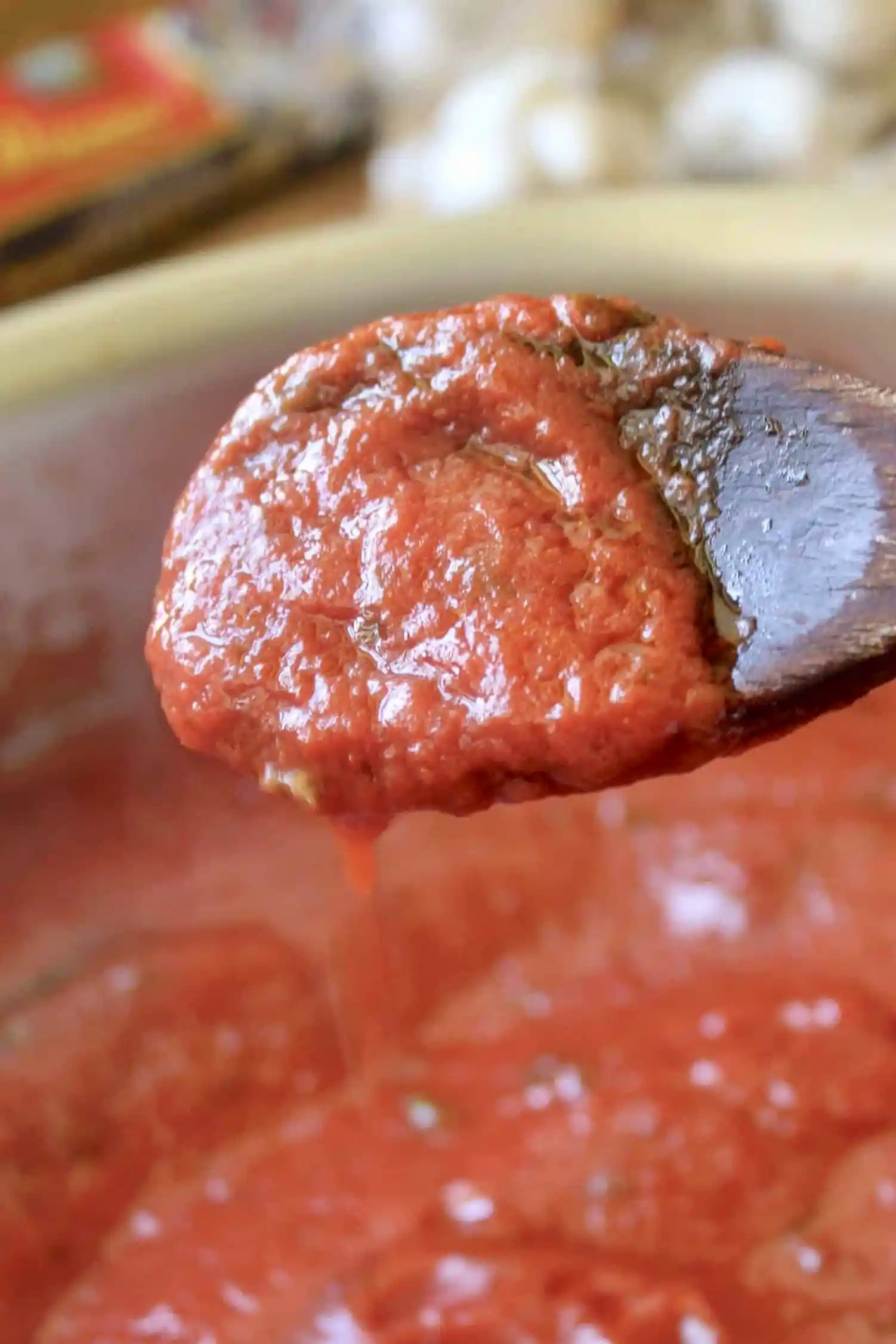
- Thicken the Sauce: Simmer for 5 to 7 minutes until the sauce thickens. Do not overcook, as this can make the sauce too dense and lose its fresh character.
- Adjust Flavor: Taste the sauce. If it lacks depth, add a small amount of additional salt to bring out the tomato sweetness.
- Finish with Basil: Turn off the heat and stir in the torn basil leaves. Use a damp paper towel to wipe the basil instead of washing it to keep the flavor intact.
Selecting High Quality Tomatoes
Prioritize Italian Peeled Tomatoes
For the most authentic flavor, look for cans labeled ‘pomodori pelati Italiani’. Whole peeled tomatoes are generally superior to pre-crushed versions because they allow you to control the texture. You can crush them by hand or use an immersion blender if you prefer a smoother consistency.
Inspect the Ingredient Label
Avoid tomato products that contain added sugars, thickeners, or artificial colorings. The only ingredients should be tomatoes, salt, and perhaps a touch of citric acid for preservation. Pure ingredients ensure that the natural sweetness of the tomato shines through without needing added sugar.
Perform a Taste Test
If you are unsure about a brand of purée, taste a small amount directly from the container. Quality tomatoes should taste sweet and fresh rather than sour or metallic. If the raw tomato taste is unpleasant, the final sauce will likely require too much salt to correct.
Using Fresh Seasonal Tomatoes
When fresh tomatoes are in season, San Marzano, Roma, or cherry tomatoes are excellent choices. Ensure they are fully ripe and deep red for maximum sweetness. Blanch and peel them before adding them to the pan to maintain a smooth sauce texture.
Professional Cooking Techniques
Use a Wide Sauté Pan
A wide sauté pan is preferable to a deep pot because it increases the surface area for evaporation. This allows the sauce to thicken more quickly and ensures a more consistent simmer. Deep pots can trap steam, which prevents the sauce from reducing and concentrating the flavors effectively.
Maintaining a Lively Simmer
The sauce should bubble vigorously but not boil over. This ‘lively simmer’ is crucial because the cooking time is very short. A slow simmer over a long period creates a different, heavier sauce, whereas this method preserves the fresh, bright taste of the ingredients.
The Role of the Wooden Spoon
Using a dedicated wooden spoon for tomato sauces prevents cross-contamination of flavors. Wooden tools are gentle on the pan and effective for stirring thick purées. It is recommended to keep a specific spoon for red sauces to avoid affecting the taste of delicate white sauces or creams.
Precise Garlic Sautéing
Garlic burns quickly and becomes bitter if overcooked. Sauté it only until it reaches a pale gold color before adding the parsley or tomatoes. The addition of other ingredients lowers the temperature of the oil, effectively stopping the garlic from burning.
Serving and Plating Methods
The Authentic Italian Mixing Method
Avoid the common mistake of placing a mound of plain pasta on a plate and topping it with a blob of sauce. Instead, transfer the pasta directly into the sauté pan with the sauce. Toss them together over heat so every strand of pasta is evenly coated.
Utilizing Reserved Pasta Water
Before draining your pasta, reserve a small cup of the starchy cooking water. If the sauce seems too thick when mixing, add a tablespoon of this water to create a silky emulsion. This helps the sauce cling to the pasta rather than sliding off to the bottom of the bowl.
Choosing the Optimal Pasta Shape
For a smooth purée sauce, thin strands like spaghetti or linguine work best. If you prefer a chunky sauce with whole tomato pieces, use shapes with ridges or holes, such as penne rigate or fusilli. These shapes capture the chunks of tomato and garlic in every bite.
Cheese Pairing Guidelines
While many enjoy adding cheese, a light and fresh sauce often tastes best without it. If you choose to add cheese, use high-quality Parmigiano Reggiano or Pecorino Romano. Grate the cheese finely and fold it in at the very end to avoid clumping.
Ingredient Substitutions and Variations
Alternative Fresh Herbs
While parsley and basil are traditional, you can substitute parsley with fresh oregano for a more earthy tone. For a different profile, a small amount of fresh thyme added during the garlic sauté can add woody depth. Always add soft herbs like basil at the end to prevent them from turning brown.
Selecting Different Cooking Oils
Extra virgin olive oil is the standard for its flavor and health benefits. If you need a higher smoke point for very high heat, you can use a refined olive oil. Avoid using butter or vegetable oils, as they lack the characteristic Mediterranean flavor required for this dish.
Salt Alternatives for Seasoning
Sea salt is recommended for its clean taste, but kosher salt is an excellent alternative. Be mindful that different brands of salt have different grain sizes and salinity levels. Always taste the sauce before adding the full measured amount of salt.
Storage and Preservation
Short Term Refrigeration
Store leftover sauce in a glass airtight container in the refrigerator. It will remain fresh for up to four to five days. Glass is preferred over plastic to avoid absorbing odors and to keep the flavor pure.
Freezing for Future Use
This sauce freezes exceptionally well for up to six weeks. Cool the sauce completely to room temperature before transferring it to a freezer-safe container. Leave a small amount of space at the top of the container to allow for expansion as the liquid freezes.
Thawing and Reheating Process
Thaw the sauce in the refrigerator overnight before heating. Reheat it in a small pan over medium heat, adding a splash of water or olive oil if it has thickened too much during freezing. Avoid microwaving the sauce, as it can create hot spots and alter the texture.
Customizing the Flavor Profile
Creating an Arrabbiata Version
To turn this into a spicy Arrabbiata sauce, increase the amount of red pepper flakes. Add them to the olive oil along with the garlic to infuse the oil with heat. This creates a sharp, spicy contrast to the sweet tomatoes.
Incorporating Sautéed Onions
For a sweeter, more complex base, you can add finely diced onions. Sauté the onions until translucent before adding the garlic. This adds a layer of sweetness that can balance the acidity of the tomatoes without using sugar.
Adding Vegetable Proteins
You can expand this sauce into a full meal by adding sautéed mushrooms, zucchini, or eggplant. Cook the vegetables in the olive oil first, remove them from the pan, and then stir them back into the finished sauce just before serving.
Troubleshooting Common Issues
Managing Excessive Acidity
If the sauce tastes too acidic, it is usually a result of the tomato brand used. Instead of adding sugar, try adding a small knob of unsalted butter or a pinch more salt. These additions can neutralize the sharp acidic notes while maintaining an authentic taste.
Correcting an Overly Thick Sauce
If the sauce reduces too much and becomes a paste, thin it out with a small amount of water. The best option is to use reserved pasta water, as the starch helps maintain the sauce’s body. Stir in the liquid slowly over low heat until the desired consistency is reached.
Preventing Bitter Burnt Garlic
If the garlic turns dark brown or black, it will taste bitter and ruin the sauce. If this happens, it is better to discard the oil and garlic and start over. To prevent this, always have your parsley and tomatoes ready to go the moment the garlic reaches a light golden hue.
Frequently Asked Questions
Can I use fresh tomatoes instead of canned?
Yes, you can use fresh tomatoes, provided they are ripe and peeled. Blanch them in boiling water for 30 seconds, shock them in ice water, and remove the skins before chopping them for the recipe.
Why shouldn’t I wash the basil?
Washing basil leaves with running water can bruise the delicate leaves and wash away the volatile aromatic oils. Wiping them with a damp paper towel removes dust while preserving the full flavor and scent.
Is this sauce suitable for pizza?
Yes, this sauce is excellent for pizza. For a more traditional Neapolitan style, use the sauce before it is simmered for long, keeping it fresh and slightly thinner to allow it to bake into the dough.
Can I make this sauce in a slow cooker?
This specific recipe is designed for a quick, fresh taste and is not suited for a slow cooker. Long cooking times change the flavor profile from fresh to stewed, which is a different style of sauce entirely.
Print
Authentic Italian Tomato Sauce for Pasta
- Total Time: 15 minutes
- Yield: 5 servings 1x
- Diet: Vegetarian
Description
A quick, easy and delicious, fresh pasta sauce straight from Italy!
Ingredients
- 4 Tbsp extra virgin olive oil
- 3 cloves fresh garlic
- 1 Tbsp fresh Italian parsley, finely chopped
- 28 oz whole tomatoes or purée (canned or fresh)
- 1 ½ tsp sea salt
- 5 large fresh basil leaves
Instructions
- Step: Pour the oil into a large saute pan (not a deep pot) over medium high heat. Crush the garlic and add it to the oil.
- Step: Sauté the garlic until it just starts to brown, then add the parsley.
- Step: Turn the heat up to high. Now add the tomatoes, and quickly cover with the lid for about 30 seconds, until the squirting subsides. Stir with a wooden spoon and lower the heat a little.
- Step: Add the salt and continue to simmer at a fast pace, and stir often.
- Step: Simmer for about 5 to 7 minutes until the sauce thickens; do not overcook.
- Step: Taste the sauce and add more salt if necessary.
- Step: Turn off the heat and add the fresh basil, torn into pieces.
Notes
For an authentic result, mix the cooked pasta directly into the sauce in the pan before plating. Reserve some pasta water to add back if the sauce becomes too dry.
- Prep Time: 5 minutes
- Cook Time: 10 minutes
- Category: Main Courses
- Method: Sautéing
- Cuisine: Italian
Nutrition
- Serving Size: 1 serving
- Calories: 133 kcal
- Sugar: 4 g
- Sodium: 932 mg
- Fat: 12 g
- Saturated Fat: 2 g
- Unsaturated Fat: 10 g
- Trans Fat: 0 g
- Carbohydrates: 8 g
- Fiber: 2 g
- Protein: 2 g
- Cholesterol: 0 mg