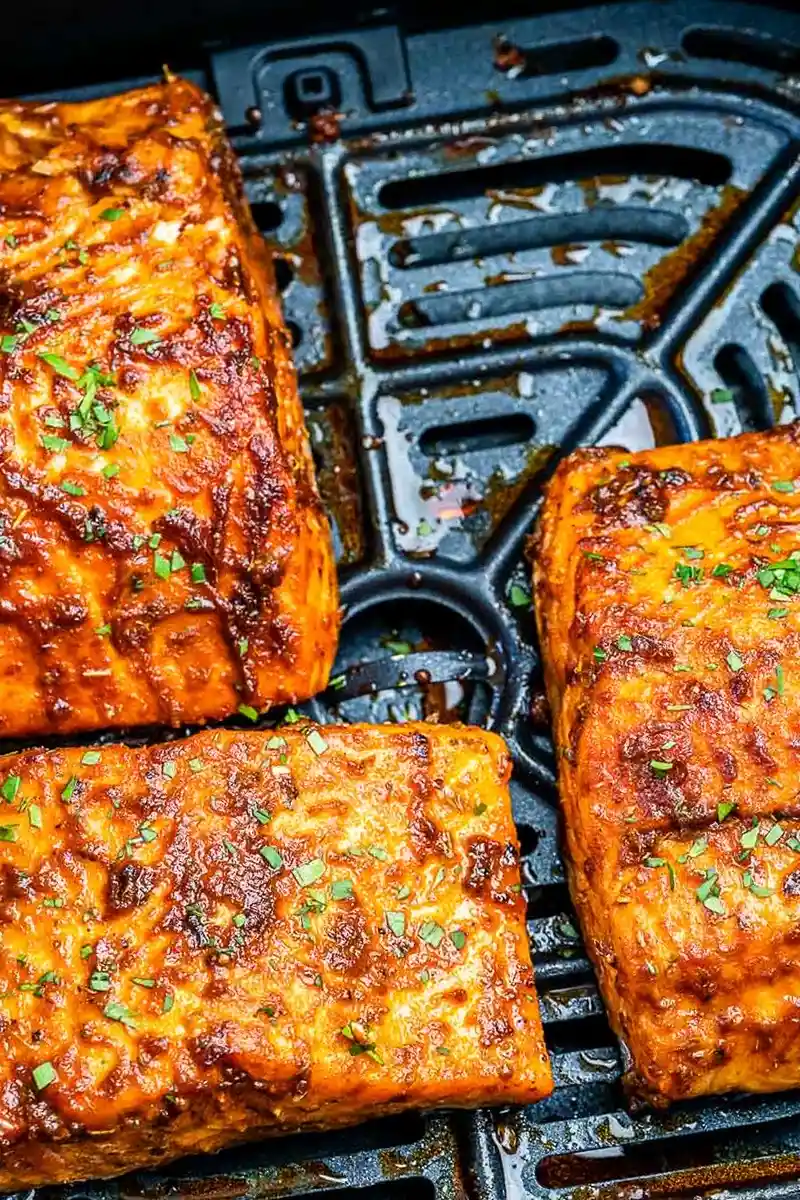
This recipe delivers perfectly cooked salmon with a savory, spiced crust in under ten minutes. It is a high-protein meal option that requires minimal cleanup and preparation for any day of the week.
List of ingredients
- 4, 5- oz wild-caught salmon fillets (around 1-1/12-inches thick) – ensures high nutrient density and rich flavor.
- 2 Tbsps avocado or olive oil – used for coating and preventing sticking.
- 1 Tbsp smoked paprika – provides a deep, smoky color and taste.
- 1 Tbsp garlic powder – adds a concentrated savory depth.
- 1 Tbsp onion powder – complements the garlic for a well-rounded base.
- 1 Tbsp dried oregano – adds a subtle herbal note.
- sea salt and ground black pepper (to taste) – essential for enhancing all other flavors.
- fresh parsley or cilantro (chopped to garnish) – provides a fresh, bright finish.
- fresh lemon or lime wedges – adds acidity to balance the richness of the fish.
step-by-step instructions
- Thaw: If using frozen salmon fillets, allow them to thaw completely in the fridge before preparing this recipe.
- Temper: Remove your salmon fillets from the fridge 30 minutes prior to cooking. They will cook more evenly and remain moist and juicy without overcooking if they are not straight out of the fridge cold.
- Dry: Blot your salmon lightly with a paper towel to remove excess moisture.
- Season: Place them in a shallow dish and rub evenly with all of the seasonings and oil. Be sure to rub all sides of your fish to get them coated well.
- Cook: Preheat your air fryer to 390 degrees f. Air fry your salmon for 8-10 minutes, or just until golden and flaky throughout.
- Finish: Season with fresh herbs and serve with lemon or lime wedges.
Professional Tips for Air Fryer Salmon
Patting the Fish Dry for Maximum Crispiness
Moisture on the surface of the salmon creates steam when it hits the hot air. This prevents the spices from searing and stops the exterior from getting a crispy texture. Using a paper towel to thoroughly blot the fillets ensures the oil and spices adhere better.
Bringing Salmon to Room Temperature
Cooking a fillet that is ice-cold in the center often leads to an overcooked exterior and a raw interior. Letting the fish sit out for 30 minutes allows the temperature to equalize. This results in a more consistent cook across the entire thickness of the fillet.
Avoiding Overcrowding in the Basket
Air fryers rely on the constant circulation of hot air around the food. If the fillets are touching or overlapping, the air cannot flow, which creates soggy spots. Leave at least an inch of space between each piece of salmon for the best results.
Using a Meat Thermometer for Precision
Different air fryer models vary in heat intensity, making timers unreliable. Use an instant-read thermometer to check the thickest part of the fillet. Aim for an internal temperature of 135-145 degrees f depending on your preference for medium-rare or well-done.
Customizing Your Salmon Seasoning
Replacing Smoked Paprika with Sweet Paprika
If the smoky flavor is too intense, sweet paprika is a great alternative. It provides the same vibrant red color without the wood-smoke taste. This version is often preferred by children or those who prefer a milder flavor profile.
Using Fresh Garlic Instead of Powder
For a more pungent flavor, you can use minced fresh garlic. However, fresh garlic can burn more easily at 390 degrees f. Mix the minced garlic into the oil and rub it on quickly just before placing the fish in the air fryer.
Adding a Hint of Brown Sugar for Caramelization
Adding a teaspoon of brown sugar to the spice rub creates a caramelized crust. The sugar reacts with the heat to create a sweet-and-savory glaze. Be mindful that sugar-based rubs can burn faster, so keep a close eye on the fillets during the last two minutes.
Swapping Oregano for Thyme or Dill
While oregano provides a Mediterranean feel, fresh dill or thyme is a classic pairing for salmon. Dill offers a bright, citrusy note that pairs perfectly with lemon wedges. Thyme provides a more earthy, woody aroma that complements the smoked paprika.
Alternative Oil Options
Avocado Oil for High Heat Stability
Avocado oil has one of the highest smoke points of any cooking oil. This makes it the safest choice for air frying at 390 degrees f. It is also flavor-neutral, allowing the spices and the natural taste of the salmon to stand out.
Extra Virgin Olive Oil for Fruity Notes
Olive oil adds a distinct, peppery, and fruity flavor to the fish. While its smoke point is lower than avocado oil, it is generally sufficient for a 10-minute cook time. It is a great choice for those wanting a more traditional Mediterranean taste.
Grapeseed Oil for a Neutral Flavor
Grapeseed oil is highly refined and has almost no taste of its own. It is an excellent choice if you are using a very strong spice blend and do not want the oil to interfere. It provides a clean sear and a crispy exterior.
Ideal Side Dish Pairings
Steamed Asparagus or Broccolini
The earthiness of green vegetables balances the richness of the salmon. You can actually toss asparagus in olive oil and salt and add them to the air fryer basket for the last 5 minutes of the salmon’s cook time. This creates a complete one-pot meal.
Quinoa or Brown Rice Pilaf
A whole grain base helps soak up the juices from the salmon and the acidity from the lemon. Cooking quinoa with a bit of vegetable broth and minced parsley adds extra depth. This pairing turns the quick fillets into a filling, balanced dinner.
Fresh Cucumber and Tomato Salad
A cold, crisp salad provides a refreshing contrast to the hot, spiced fish. Combine sliced cucumbers, cherry tomatoes, and red onion with a simple vinaigrette of lemon juice and olive oil. This keeps the meal light and healthy.
Smashed Baby Potatoes
Boil baby potatoes until tender, smash them flat, and air fry them until crispy before cooking the salmon. The starchy, crunchy texture of the potatoes complements the flaky consistency of the fish. Season them with the same garlic and onion powder used on the salmon for cohesion.
Proper Storage and Preservation
Cooling Salmon Before Refrigeration
Allow the cooked salmon to cool slightly before placing it in a container. Putting steaming hot fish directly into a sealed container can create excess moisture. This moisture can make the crust soggy and may affect the shelf life of the fish.
Air-Tight Container Selection
Use glass containers with locking lids to keep the salmon fresh. Glass does not absorb odors and provides a better seal than some plastic options. This prevents the fish from absorbing other smells in the fridge and keeps the meat from drying out.
Maximum Refrigeration Duration
Cooked salmon is best consumed within three to four days. After this period, the texture can become overly firm and the flavor may degrade. If you cannot eat it within this window, consider freezing the cooked fillets for later use.
Best Reheating Methods
Quick Air Fryer Refresh
The air fryer is the best tool for reheating salmon because it restores the crispy exterior. Heat at 350 degrees f for 3-5 minutes. This avoids the mushy texture often associated with reheating fish.
Low-Temperature Oven Warming
To prevent the fish from drying out in the oven, wrap the fillets loosely in aluminum foil. Heat at 275 degrees f until the fish is warmed through. This gentle heat preserves the internal moisture and prevents the protein from tightening.
Gentle Microwave Steaming
If using a microwave, place the salmon on a plate and cover it with a damp paper towel. Heat on medium power in 30-second intervals. The damp towel creates a small amount of steam, which prevents the fish from becoming rubbery.
Troubleshooting Common Issues
Preventing Salmon from Sticking to the Basket
If your fillets stick, ensure you are using enough oil on both the fish and the air fryer grate. You can also use a small piece of perforated parchment paper designed for air fryers. This allows air to circulate while creating a non-stick barrier.
Fixing Dry or Overcooked Fillets
If the salmon becomes too dry, avoid reheating it further. Instead, flake the fish into a salad or mix it into a pasta dish with a cream sauce or olive oil. Adding a fat-based sauce helps mask the dryness and restores the mouthfeel.
Handling Fillets of Different Thicknesses
Thicker fillets take longer to cook than thinner ones. If your fillets vary in size, check the thinnest piece first. Remove the smaller pieces as soon as they are flaky, leaving the thicker ones in for an additional minute or two.
Frequently Asked Questions
Can I cook salmon from frozen in the air fryer?
While possible, it is not recommended for this specific spice rub recipe. Frozen salmon releases a lot of water as it thaws, which would wash away the seasonings and prevent the crust from forming. Always thaw completely for the best results.
What is the ideal internal temperature for salmon?
The USDA recommends 145 degrees f for safety. However, many chefs prefer 125-135 degrees f for a medium cook, which keeps the fish more moist. Use a thermometer to reach your desired level of doneness.
Does the skin side need to be down?
Yes, placing the skin side down helps protect the flesh from the direct heat of the bottom grate. It also allows the skin to crisp up slightly, which provides a stable base for the fillet during the cooking process.
Can I use farmed salmon instead of wild-caught?
Yes, farmed salmon will work perfectly with this recipe. Be aware that farmed salmon typically has a higher fat content, which may make it even juicier. You may need to adjust the cooking time by a minute or two based on the thickness.
Print
Quick Air Fryer Salmon Fillets
- Total Time: 10 minutes
- Yield: 4 servings 1x
- Diet: Pescatarian
Description
This air fryer salmon recipe cooks in just 10 minutes for quick and easy meal. Seasoned with onion, garlic, oregano, and paprika, the bold flavors and crispy air fried edges will keep you wanting more!
Ingredients
- 4, 5-oz wild-caught salmon fillets (around 1-1/12-inches thick)
- 2 Tbsps avocado or olive oil
- 1 Tbsp smoked paprika
- 1 Tbsp garlic powder
- 1 Tbsp onion powder
- 1 Tbsp dried oregano
- sea salt and ground black pepper (to taste)
- fresh parsley or cilantro (chopped to garnish)
- fresh lemon or lime wedges
Instructions
- Step: If using frozen salmon fillets, allow them to thaw completely in the fridge before preparing this recipe.
- Step: Remove your salmon fillets from the fridge 30 minutes prior to cooking. They will cook more evenly (read: moist & juicy without overcooking) If they are not straight out of the fridge cold.
- Step: Blot your salmon lightly with a paper towel to remove excess moisture.
- Step: Place them in a shallow dish and rub evenly with all of the seasonings and oil. Be sure to rub all sides of your fish, to get them coated well.
- Step: Preheat your air fryer to 390 degrees f. Air fry your salmon for 8-10 minutes, or just until golden and flaky throughout.
- Step: Season with fresh herbs and serve with lemon or lime wedges.
- Step: Enjoy!
Notes
Whenever possible, get wild-caught salmon as it is more nutrient-dense. Leftovers are amazing in salad or salmon cakes the next day!
- Prep Time: 2 minutes
- Cook Time: 8 minutes
- Category: Dinner
- Method: Air Fryer
- Cuisine: American
Nutrition
- Serving Size: 1 fillet
- Calories: 173 kcal
- Sugar: 0.4 g
- Sodium: 32 mg
- Fat: 11 g
- Saturated Fat: 2 g
- Unsaturated Fat: 9 g
- Trans Fat: 0 g
- Carbohydrates: 5 g
- Fiber: 2 g
- Protein: 14 g
- Cholesterol: 35 mg