This recipe recreates the signature smoky and spicy flavor of restaurant-style chipotle chicken using simple pantry staples. It is a highly versatile protein that works perfectly in burrito bowls, tacos, or fresh salads.
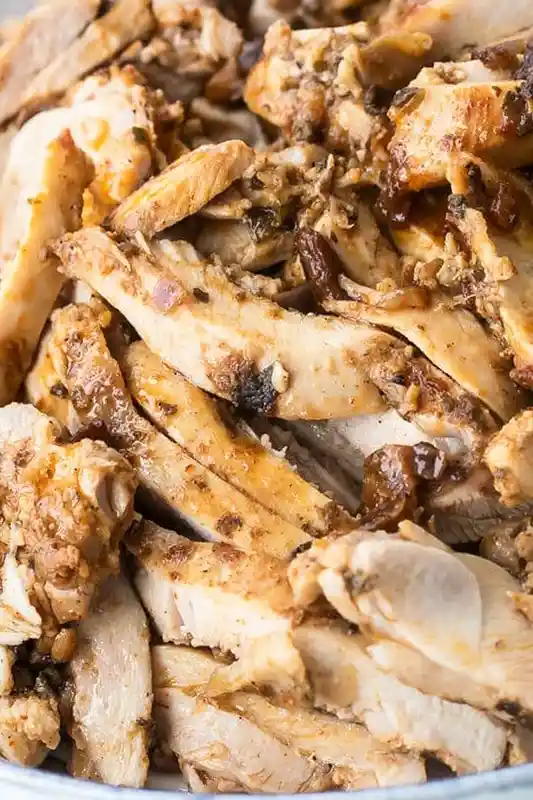
List of ingredients
- 1/2 medium red onion, coarsely chopped – provides a savory base.
- 3 cloves garlic – adds pungent depth to the marinade.
- 2 tablespoons adobo sauce – delivers the signature chipotle heat and tang.
- 2 tablespoons ancho chile powder – creates a rich, smoky flavor profile.
- 2 tablespoons olive oil – helps emulsify the marinade and prevents sticking.
- 2 teaspoons ground cumin – adds earthy, warm notes.
- 2 teaspoons dried oregano (or Mexican oregano) – provides a subtle herbal balance.
- Salt and freshly ground black pepper – essential for enhancing all other flavors.
- 4 pounds boneless, skinless chicken – use thighs for juiciness or breasts for a leaner option.
step-by-step instructions
- Prepare the marinade: Place the chopped red onion, garlic, adobo sauce, ancho chile powder, olive oil, ground cumin, dried oregano, 1 teaspoon salt, and 1/2 teaspoon pepper into a food processor or blender. Blend the mixture until it is completely smooth. Pour the blended marinade into a measuring cup and stir in water until the total volume reaches 1 cup.
- Marinate the chicken: Put the boneless, skinless chicken pieces into a large, freezer-safe plastic bag. Pour the prepared marinade over the chicken, seal the bag tightly, and massage the meat until every piece is evenly coated. Place the bag in a dish and refrigerate for at least 30 minutes, or leave it overnight for a more intense flavor.
- Stovetop cooking method: Heat 2 tablespoons of oil in a large skillet over medium-high heat until the oil is shimmering. Add the chicken to the pan, cooking in batches if necessary to avoid overcrowding. Turn the pieces occasionally until an internal thermometer reads 165 degrees Fahrenheit.
- Grill cooking method: Preheat your grill to medium-high heat and lightly coat the grates with 2 tablespoons of oil. Grill the chicken in batches, turning occasionally for 10 to 15 minutes. Remove the chicken when the internal temperature reaches 165 degrees Fahrenheit and charred bits of caramelized fond have formed on the surface. Apply 1 to 2 tablespoons of oil between batches to prevent sticking.
- Oven baking method: Preheat the oven to 400 degrees Fahrenheit. Coat a baking dish with oil or nonstick spray and arrange the chicken in a single layer. Cover the meat completely with parchment paper, tucking the edges around the chicken. Bake for 30 to 40 minutes, or until the internal temperature reaches 165 degrees Fahrenheit.
- Final preparation: Transfer the cooked chicken to a cutting board and tent it loosely with aluminum foil for 10 minutes to allow juices to redistribute. Chop the meat into small, bite-sized pieces. Season with additional salt to taste and serve immediately in tortillas or bowls with your preferred toppings.
Optimal Cooking Methods
Choosing Chicken Thighs for Maximum Juiciness
Boneless, skinless chicken thighs are the ideal choice for this recipe because they have a higher fat content than breasts. This allows them to withstand high heat without drying out, resulting in a texture that closely matches the restaurant version. Thighs also absorb the smoky marinade more effectively due to their muscle structure.
Using Chicken Breasts for Leaner Results
If you prefer a lower-fat option, boneless, skinless chicken breasts work well, particularly with the oven-baking method. Because breasts lean toward drying out quickly, the parchment paper cover used in the oven creates a steaming effect. This traps moisture and ensures the white meat remains tender while absorbing the chipotle spices.
Mastering the Stovetop Sear
When using a skillet, ensure the oil is shimmering before adding the meat to create a proper sear. Avoid crowding the pan, as too much meat will release moisture and cause the chicken to steam rather than brown. Cooking in batches ensures each piece gets a caramelized exterior, which adds a layer of depth to the smoky flavor.
Achieving Authentic Grill Marks and Char
Grilling provides a distinct charred flavor that complements the ancho chile powder. Maintain a medium-high temperature to ensure the exterior browns quickly before the interior overcooks. The caramelized bits, known as fond, clinging to the chicken are a sign of a successful grill and provide the most authentic taste.
Baking for Efficient Batch Preparation
The oven method is the most efficient way to cook large quantities of chicken at once. By using a single layer in a baking dish, you ensure even heat distribution across all pieces. The parchment paper lid is critical here, as it prevents the top of the chicken from scorching before the center reaches the safe temperature of 165 degrees.
Marinade Customizations and Substitutions
Using Dried Ancho Chiles Instead of Powder
For a more authentic and complex flavor, replace the ancho chile powder with 1 ounce of dried ancho chiles. Remove the stems and seeds, then toast the chiles in a dry skillet over medium-low heat for 5 minutes until fragrant. You can then perform a quick soak in boiling water for 10 minutes or a slow soak in warm water overnight before blending them into the marinade.
Creating a Homemade Adobo Sauce Alternative
If you do not have canned chipotle peppers in adobo, you can whisk together a substitute. Combine 1 tablespoon of tomato paste, 1 tablespoon of cider vinegar, 1 teaspoon of chipotle chile powder, 1/2 teaspoon of cumin, and a pinch each of oregano, garlic powder, and salt. This mixture provides the necessary acidity and smokiness required for the recipe.
Adjusting the Heat Level for Different Palates
To increase the spiciness, add extra adobo sauce or incorporate the seeds from the canned chipotle peppers into the blender. If you prefer a milder flavor, reduce the amount of adobo sauce and increase the proportion of ancho chile powder. Ancho chiles provide the smokiness without the intense heat found in chipotles.
Swapping Olive Oil for Other Healthy Fats
While olive oil is a standard choice, you can use avocado oil or rice bran oil for a higher smoke point. This is especially beneficial when grilling or pan-searing at high temperatures. These oils have a neutral flavor that allows the cumin and chile powder to remain the primary taste profiles.
Choosing Between Mexican and Italian Oregano
Mexican oregano is the traditional choice, offering a citrusy, marjoram-like aroma that pairs perfectly with cumin. If only Italian oregano is available, it will still work well, though it provides a more pungent, earthy flavor. Both varieties complement the acidity of the adobo sauce and the sweetness of the red onion.
Storage and Food Safety
Refrigeration Guidelines for Cooked Chicken
Place the cooked and chopped chicken in an airtight glass or plastic container once it has cooled. Store it in the main body of the refrigerator, away from the door where temperatures fluctuate. The chicken will remain safe and flavorful for up to 4 days.
Freezing and Thawing Procedures
For long-term storage, freeze the cooked chicken in freezer-safe bags or vacuum-sealed pouches for up to 2 months. To maintain the best quality, remove as much air as possible from the packaging to prevent freezer burn. Thaw the chicken slowly in the refrigerator overnight before reheating.
Safe Reheating Methods
To reheat the chicken without drying it out, use a skillet over medium heat with a small splash of water or vegetable broth. Alternatively, use a microwave on medium power, covering the dish with a damp paper towel to trap steam. Heat until the internal temperature reaches 165 degrees Fahrenheit.
Maximum Marination Time
While 30 minutes is sufficient for basic flavor, marinating overnight allows the salt and acids to penetrate deeper into the meat. However, do not exceed 24 to 48 hours of marination. Prolonged exposure to the acidity in the adobo sauce and vinegar can begin to break down the meat fibers too much, resulting in a mushy texture.
Serving Suggestions and Pairing Ideas
Creating a Copycat Burrito Bowl
Start with a base of cilantro-lime rice and a scoop of black beans or pinto beans. Top the base with a generous portion of the chopped chipotle chicken, fresh corn salsa, and diced avocado. Finish the bowl with a dollop of sour cream or Greek yogurt for a creamy contrast to the spicy meat.
Making Smoky Chicken Tacos
Warm corn or flour tortillas over an open flame until slightly charred. Fill the tortillas with the diced chipotle chicken and top with finely shredded cabbage or lettuce. Add sliced radishes, pickled red onions, and a squeeze of fresh lime juice to brighten the heavy, smoky flavors.
Adding Chicken to Fresh Salads
Use the chicken as a protein topper for a Southwest-style salad featuring romaine lettuce, black beans, and corn. Pair it with a honey-lime vinaigrette or a creamy avocado dressing. The warmth of the chicken contrasts well with the crisp, cold vegetables of a fresh salad.
Complementary Side Dish Options
Serve the chicken alongside grilled zucchini or roasted bell peppers for a low-carb meal. For a heartier side, try Mexican street corn (elote) topped with cotija cheese and chili powder. A simple side of sliced cucumber and tomato salad with lime and salt also balances the richness of the marinade.
Troubleshooting Common Issues
Preventing the Chicken from Drying Out
Always use a meat thermometer to ensure you are not overcooking the meat. Because this recipe involves small pieces or thin breasts, a few extra minutes on the heat can lead to dryness. Remove the chicken from the heat as soon as it hits 165 degrees Fahrenheit, as carry-over cooking will slightly increase the temperature during the resting phase.
Fixing a Marinade That Is Too Spicy
If the blended marinade tastes too hot before you add the chicken, stir in a tablespoon of honey or maple syrup. The sweetness helps neutralize the capsaicin from the chipotle peppers without altering the smoky profile. You can also increase the amount of water to dilute the concentration of the adobo sauce.
Managing Chicken That Sticks to the Pan
Ensure the pan is fully preheated and the oil is shimmering before adding the meat. If the chicken sticks, avoid forcing it off the pan; wait a few seconds for the natural searing process to release the meat. Adding a small amount of oil between batches is essential to maintain a non-stick surface.
Handling Uneven Cooking in Large Batches
When cooking 4 pounds of meat, avoid the temptation to crowd the skillet. If the pan is too full, the chicken will release juices and boil in its own liquid rather than searing. Cook in 2 or 3 separate batches to maintain high heat and ensure an even, golden-brown crust on every piece.
Frequently Asked Questions
Is this identical to the restaurant version?
It is a very close copycat that uses similar flavor components like ancho chiles and adobo. The addition of red onion is a home-kitchen adjustment that improves the overall flavor balance compared to the strict commercial recipe.
Why toast dried chiles before soaking?
Toasting the chiles in a dry skillet wakes up the essential oils and intensifies the smoky aroma. This process removes the raw taste of the dried fruit and replaces it with a deeper, toasted flavor that is characteristic of authentic chipotle chicken.
Can the chicken be marinated in a bowl instead of a bag?
Yes, you can use a large glass bowl or a stainless steel container. However, a plastic bag is recommended because it allows you to massage the marinade into the meat more effectively and takes up less space in the refrigerator.
How do I ensure the chicken reaches 165 degrees?
Use an instant-read digital thermometer and insert it into the thickest part of the largest piece of chicken. If you do not have a thermometer, ensure the juices run clear and the meat is opaque throughout, though a thermometer is the only way to guarantee food safety.
Print
Homemade Smoky Chipotle Chicken
- Total Time: 50 minutes
- Yield: 8 servings 1x
- Diet: Gluten-Free
Description
This copycat Chipotle Chicken features a smoky, spicy ancho chile marinade that delivers restaurant-quality flavor at home. It is versatile and can be prepared on the stovetop, grill, or in the oven.
Ingredients
- 1/2 medium red onion, coarsely chopped
- 3 cloves garlic
- 2 tablespoons adobo sauce
- 2 tablespoons ancho chile powder
- 2 tablespoons olive oil
- 2 teaspoons ground cumin
- 2 teaspoons dried oregano
- 1 teaspoon salt
- 1/2 teaspoon freshly ground black pepper
- 4 pounds boneless, skinless chicken
Instructions
- Blend: In a food processor or blender, combine red onion, garlic, adobo sauce, ancho chile powder, olive oil, cumin, dried oregano, 1 teaspoon salt, and 1/2 teaspoon pepper; blend until smooth, then add water in a measuring cup to reach 1 cup total.
- Marinate: Place chicken in a large freezer-safe plastic bag, pour in the marinade, seal, and mash until evenly coated; refrigerate for at least 30 minutes or overnight.
- Cook (Stovetop): Heat 2 tablespoons oil in a large skillet until shimmering, then cook chicken in batches, turning occasionally, until the internal temperature reaches 165 degrees.
- Cook (Grill): Preheat grill over medium-high heat, coat with 2 tablespoons oil, and grill chicken in batches for 10 to 15 minutes, turning occasionally, until internal temperature reaches 165 degrees.
- Cook (Oven): Preheat oven to 400 degrees, arrange chicken in an oiled baking dish, cover completely with parchment paper, and bake for 30 to 40 minutes until internal temperature reaches 165 degrees.
- Finish: Transfer chicken to a cutting board, tent with foil for 10 minutes, chop into small pieces, and season with additional salt to taste.
Notes
To use dried ancho chiles instead of powder: remove stems and seeds, toast in a dry skillet over medium-low heat for 5 minutes, soak in boiling water for 10 minutes (or warm water overnight), drain, and blend in step 1.
- Prep Time: 5 minutes
- Cook Time: 15 minutes
- Category: Main Course
- Method: Grilling, Baking, or Pan-searing
- Cuisine: Mexican-American
Nutrition
- Serving Size: 6 ounces
- Calories: 326 kcal
- Sugar: 1 g
- Sodium: 1008 mg
- Fat: 14 g
- Saturated Fat: 3 g
- Unsaturated Fat: 11 g
- Trans Fat: 0.04 g
- Carbohydrates: 3 g
- Fiber: 1 g
- Protein: 44 g
- Cholesterol: 215 mg