This quick and filling meal is perfect for cold evenings when you need comfort in a bowl. It uses simple pantry staples to create a rich, savory flavor in just 30 minutes.
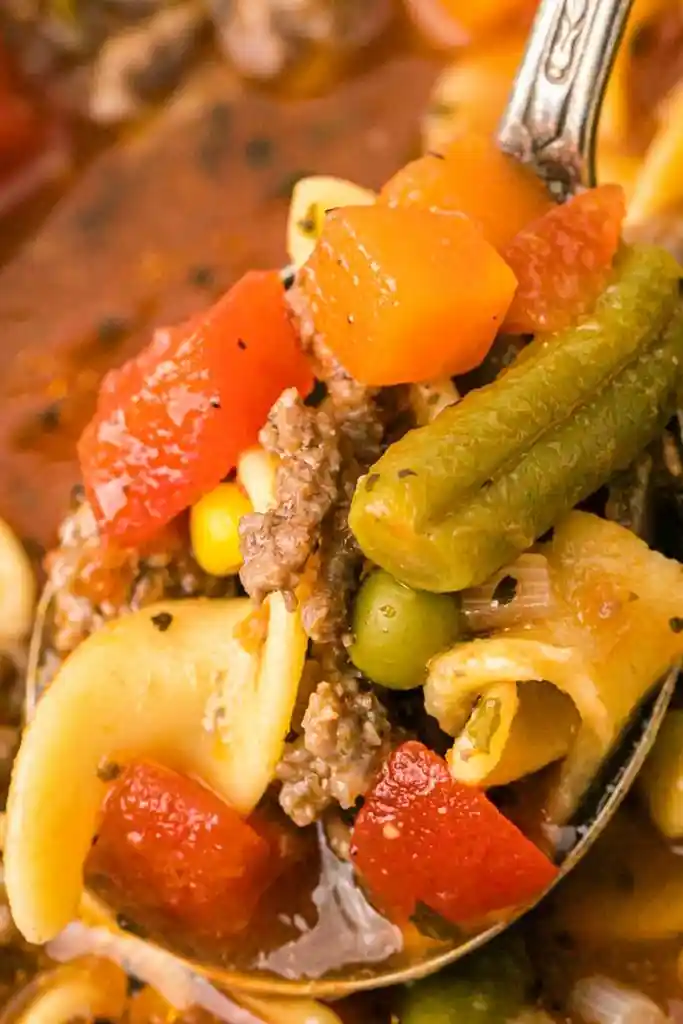
List of ingredients
- 1 lb lean ground beef – provides a hearty protein base.
- 1 small onion, finely diced – adds a mild aromatic foundation.
- 1 teaspoon kosher salt – enhances all the savory flavors.
- ½ teaspoon black pepper – adds a touch of warmth and spice.
- 1 can (15 oz) Italian style stewed tomatoes – creates a rich, flavor-dense base.
- 2 cans (15 oz each) beef broth – provides the essential savory liquid.
- 1 can (15 oz) petite diced tomatoes, do not drain – adds texture and acidity.
- 1 can (15 oz) mixed vegetables, drained – a convenient way to add varied nutrients.
- 1 teaspoon dried basil – brings a classic herbal note.
- 1 teaspoon dried parsley – adds a fresh, earthy finish.
- 1½ cups uncooked egg noodles – thick noodles that hold up well in broth.
step-by-step instructions
- Brown the Meat: In a large soup pot over medium-high heat, cook the ground beef, diced onion, salt, and pepper. Crumble the beef with a spoon as it cooks to ensure even browning. Once the meat is no longer pink, drain all excess grease from the pot to keep the broth clean.
- Prepare the Base: Pour the can of stewed tomatoes into a blender and process until smooth. Add the blended tomatoes to the soup pot with the beef. Stir in the beef broth, undrained petite diced tomatoes, drained mixed vegetables, dried basil, and dried parsley. Bring the mixture to a boil.
- Cook the Noodles: Once the soup reaches a boil, stir in the uncooked egg noodles. Cover the pot with a tight-fitting lid and reduce the heat to low. Let the soup simmer for 12-15 minutes until the noodles are tender.
Optimizing Your Meat Selection
Selecting Lean Ground Beef
Using a lean ground beef, such as 93/7 or 96/4, significantly reduces the amount of fat that renders during the browning process. This helps maintain a clearer broth and prevents an oily film from forming on the surface. If you use a higher fat percentage, be extra diligent about draining the pot.
Proper Fat Drainage Techniques
Draining the excess grease after browning the beef is a critical step for a balanced soup. You can use a colander or spoon out the fat carefully before adding the liquids. This ensures that the flavors of the tomatoes and herbs shine through without being masked by heavy grease.
Achieving a Fine Meat Texture
Use a meat masher or a sturdy wooden spoon to break the beef into very small crumbles while browning. Smaller pieces distribute more evenly throughout the soup and provide a better mouthfeel alongside the noodles. This prevents large clumps of meat from dominating a single spoonful.
Managing the Vegetable Components
The Efficiency of Canned Mixed Vegetables
Using canned mixed vegetables is a practical time-saving hack because they are already softened. This eliminates the need to sauté carrots, peas, and corn separately before adding the broth. You will find that they blend seamlessly into the stewed tomato base without tasting processed.
Transitioning to Frozen Vegetables
If you prefer frozen mixed vegetables over canned, you can easily make the switch. Keep in mind that frozen vegetables are often firmer and may require a longer simmer time. Add them to the pot and let them cook for several minutes before adding the egg noodles to ensure they are tender.
Selecting the Right Onion Variety
Yellow onions are recommended for this recipe because they provide a mild, all-purpose flavor. White onions can be used for a sharper bite, while Vidalia or sweet onions add a subtle sweetness to the broth. Ensure they are finely diced so they melt into the soup base.
Refining the Tomato and Broth Base
Blending Stewed Tomatoes for Texture
Stewed tomatoes offer a deeper flavor than crushed tomatoes, but they often come in very large chunks. Blending them creates a smooth, cohesive liquid that acts as a thickener for the soup. This allows the broth to coat the noodles and vegetables more effectively.
Utilizing Petite Diced Tomatoes
Keeping the juice from the petite diced tomatoes is essential for the overall flavor profile. The liquid contains acidity and concentrated tomato flavor that balances the richness of the beef. These smaller pieces add a pleasant contrast to the blended base.
Balancing Sodium in Beef Broth
To control the salt levels, consider using one can of regular beef broth and one can of reduced-sodium broth. This provides a deep savory taste without making the soup overly salty. Always taste the broth before adding any extra salt at the end of the process.
Mastering the Egg Noodles
Cooking Noodles Directly in the Broth
Adding uncooked egg noodles directly to the simmering pot allows them to absorb the flavors of the beef and tomato broth. This method is more efficient than boiling noodles separately and then adding them. It also releases natural starches that slightly thicken the soup.
Timing the Simmer for Perfect Texture
Simmering the noodles on low heat for 12 to 15 minutes ensures they reach an al dente consistency. Avoid boiling them vigorously, as this can cause the noodles to break or become gummy. Keep the lid on to trap heat and ensure even cooking.
Preventing Mushy Noodles in Leftovers
If you know you will be saving the soup for several days, consider undercooking the noodles by two or three minutes. Because the noodles continue to absorb liquid while cooling and reheating, slightly undercooked noodles will maintain a better texture over time.
Customizing Flavor and Seasoning
Enhancing with Garlic Powder
Adding a small amount of garlic powder during the meat-browning phase adds a layer of savory depth. Garlic complements the beef and onion perfectly, rounding out the flavor profile. It is a simple addition that makes the soup taste more complex.
Using Dried Basil and Parsley
Dried basil and parsley provide a classic herbal aroma that cuts through the richness of the beef. For the best results, rub the dried herbs between your palms before adding them to the pot to release their essential oils. This maximizes the aromatic impact.
Experimenting with Italian Seasoning
You can replace the individual herbs with a pre-mixed Italian seasoning blend for convenience. These blends often contain oregano and thyme, which add an earthy dimension to the soup. This is a great way to vary the taste without adding more ingredients to your shopping list.
Storage and Preservation
Cooling and Refrigerating Leftovers
Allow the soup to cool to room temperature before transferring it to an airtight container. Store it in the refrigerator for up to 3 to 4 days. Ensure the container is sealed tightly to prevent the soup from absorbing other odors in the fridge.
Reheating Tips for Thicker Soup
Egg noodles act like sponges and will soak up much of the broth while stored in the fridge. When reheating, add a splash of beef broth or water to restore the original soup consistency. Heat it slowly on the stove or in the microwave until thoroughly warmed.
Reasons to Avoid Freezing
Freezing is not recommended for this specific recipe because of the egg noodles. Once thawed, the noodles often lose their structure and become mushy or disintegrate. If you must freeze the soup, cook the noodles separately and add them fresh when reheating.
Serving and Pairing Ideas
Pairing with Warm Bread
Serving this soup with freshly baked dinner rolls or garlic breadsticks provides a wonderful textural contrast. The bread is ideal for dipping into the rich tomato broth. A toasted slice of sourdough also pairs well with the savory beef flavors.
Adding Fresh Herb Garnishes
A sprinkle of freshly chopped parsley or basil on top of each bowl adds a burst of color and freshness. This simple garnish elevates the presentation and provides a bright contrast to the cooked herbs. A few cracks of fresh black pepper can also add a nice finishing touch.
Combining with a Light Side Salad
To create a balanced meal, serve the soup alongside a crisp green salad with a light vinaigrette. The acidity of the dressing helps cleanse the palate between spoonfuls of the hearty soup. This prevents the meal from feeling too heavy.
Common Troubleshooting Guide
Fixing a Broth That is Too Thin
If your soup feels too watery, simmer it uncovered for an additional 10 to 15 minutes. This allows some of the liquid to evaporate, concentrating the flavors and thickening the base. You can also blend a small portion of the vegetables and stir them back in.
Correcting Over-Salty Results
If the broth becomes too salty, you can dilute it with a small amount of water or unsalted vegetable broth. Adding a pinch of sugar or a squeeze of lemon juice can also help mask the excess salt. Always add liquid in small increments to avoid thinning the soup too much.
Managing Acidic Tomato Tastes
If the tomato base tastes too tart or acidic, add a tiny pinch of baking soda to the pot. Stir it in slowly and watch for a brief reaction as the soda neutralizes the acid. This creates a smoother, more mellow flavor in the broth.
Frequently Asked Questions
Can I use ground turkey instead of beef?
Yes, lean ground turkey is an excellent alternative. Since turkey is leaner than beef, you may not need to drain as much grease, but you might want to add a dash of Worcestershire sauce to maintain the savory depth.
What other noodles can be used?
Rotini, ditalini, or small shells are great substitutes for egg noodles. Be sure to check the pasta package for cooking times and add them to the pot accordingly to avoid overcooking.
How do I make the soup heartier?
You can increase the heartiness by adding diced carrots, celery, or potatoes. Sauté these root vegetables with the onions at the beginning of the recipe to ensure they are fully cooked and tender.
Can this recipe be made in a slow cooker?
Yes, brown the beef and onions first, then add all ingredients except the noodles to the slow cooker. Cook on low for 6-8 hours or high for 3-4 hours, then stir in the noodles during the last 30 minutes of cooking.
Should I use fresh or dried herbs?
Dried herbs are used in this recipe for a concentrated, mellow flavor. If you prefer fresh herbs, use a ratio of three times the amount of fresh versus dried, and add them at the very end of the cooking process.
Print
Hearty Ground Beef and Vegetable Noodle Soup
- Total Time: 30 minutes
- Yield: 6 servings 1x
- Diet: General
Description
Vegetable Beef Noodle Soup is full of ground beef, stewed tomato beef broth base, simple canned vegetables, egg noodles, and dried seasonings. So hearty, comforting, and it’s ready for the dinner table in just 30 minutes!
Ingredients
- 1 lb lean ground beef
- 1 small onion, finely diced
- 1 teaspoon kosher salt
- ½ teaspoon black pepper
- 1 can (15 oz) Italian style stewed tomatoes
- 2 cans (15 oz each) beef broth
- 1 can (15 oz) petite diced tomatoes
- 1 can (15 oz) mixed vegetables, drained
- 1 teaspoon dried basil
- 1 teaspoon dried parsley
- 1½ cups uncooked egg noodles
Instructions
- Brown: Brown the ground beef, onion, salt, and pepper in a large soup pot over medium-high heat. Crumble beef as it cooks. Once beef is no longer pink drain the grease.
- Blend and Combine: Blend up the can of stewed tomatoes in a blender and add to the soup pot with the cooked beef. Add the beef broth, diced tomatoes, mixed vegetables, basil, and parsley. Bring to a boil.
- Simmer: Once boiling, stir in the uncooked egg noodles, and cover the pot with a lid. Turn heat to low and let the soup cook for 12-15 minutes.
Notes
Store leftovers in an airtight container in the fridge for 3-4 days. Add additional water or beef broth when reheating as noodles soak up the broth. Blending the stewed tomatoes creates a smoother base, but they can be added whole if preferred.
- Prep Time: 10 minutes
- Cook Time: 20 minutes
- Category: Soup
- Method: Stovetop
- Cuisine: American
Nutrition
- Serving Size: 1.5 cups
- Calories: 241 kcal
- Sugar: 6 g
- Sodium: 1246 mg
- Fat: 5 g
- Saturated Fat: 2 g
- Unsaturated Fat: 3 g
- Trans Fat: 0.3 g
- Carbohydrates: 27 g
- Fiber: 5 g
- Protein: 23 g
- Cholesterol: 55 mg