This nutrient-dense vegetable soup combines root vegetables and legumes for a hearty meal. It is designed for efficient preparation, making it a practical choice for weekday dinners.
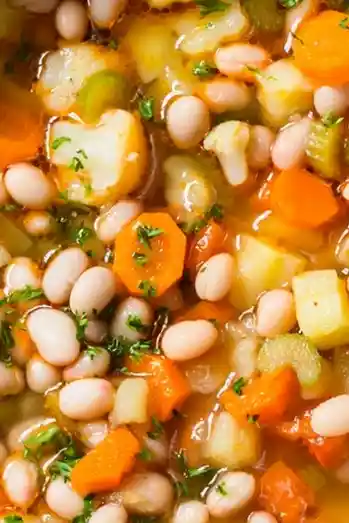
List of ingredients
- 4 medium Yukon gold potatoes, peeled and diced – provides a creamy texture and holds shape well.
- 1 (16 ounce) can cannellini beans, drained and rinsed – adds plant-based protein and thickness.
- 1 cup cauliflower florets – introduces textural variety to the soup.
- 2 medium carrots, peeled and sliced – provides natural sweetness and beta-carotene.
- 2 medium celery stalks, sliced – adds a savory, aromatic base.
- 1 medium yellow onion, chopped – essential for a deep flavor foundation.
- 2 medium cloves garlic, minced – adds pungent aromatic notes.
- 5 cups chicken broth – the primary liquid base for savory flavor.
- 2 tablespoons extra virgin olive oil – used for sautéing vegetables.
- 2 tablespoons fresh parsley, chopped – provides a fresh finish.
- 1 tablespoons fresh thyme, chopped – adds an earthy, herbal depth.
- 1/2 teaspoon pepper – for basic seasoning.
- 1/2 teaspoon kosher salt – to enhance all other flavors.
step-by-step instructions
- Sauté Aromatics: Heat olive oil in a large pot over medium heat. Add onions and thyme and cook until onions are translucent, about 5 minutes. This step builds the initial flavor layer.
- Cook Base Vegetables: Add carrots, cauliflower and celery. Cook until vegetables are soft, about 8 minutes. Stir occasionally to prevent sticking.
- Brown the Garlic: Add garlic and sauté until lightly browned. Do not overcook the garlic as it can become bitter.
- Simmer Broth: Pour in chicken broth and bring to a low simmer. A low simmer prevents the vegetables from breaking apart.
- Add Hearty Ingredients: Add cannellini beans and potatoes. Ensure all ingredients are submerged in the liquid.
- Tenderize Potatoes: Cook until potatoes are fork tender, about 10 minutes. Test the largest potato piece to ensure it is cooked through.
- Final Seasoning: Add parsley and season with salt and pepper. Stir well to distribute the seasoning before serving.
Optimal Potato Selections for Hearty Soups
Yukon Gold Texture Advantages
Yukon Gold potatoes are categorized as medium-starch, which makes them superior for soups. They possess a naturally buttery flavor and a texture that remains firm during the simmering process. This ensures the soup maintains its rustic appearance without the potatoes disintegrating into a puree.
Russet Potato Considerations
Russet potatoes have a higher starch content, which causes them to break down more quickly when boiled. If you use Russets, the soup will naturally thicken as the starch releases into the broth. This is useful if you prefer a denser consistency, though it lacks the clean cubes of the Yukon Gold.
Red Potato Characteristics
Red potatoes are waxy and hold their shape better than almost any other variety. They provide a tighter bite and a cleaner look in the pot. However, they do not contribute as much to the thickening of the broth as the other two varieties.
Vegetable Preparation Techniques
Uniform Dicing for Consistent Cooking
Cutting potatoes and carrots into uniform half-inch cubes is critical for even cooking. When vegetable sizes vary, smaller pieces overcook and turn mushy before larger pieces are tender. Using a consistent measurement ensures every bite has a similar texture.
Managing Cauliflower Floret Size
Cauliflower should be broken into small, bite-sized florets to match the scale of the diced potatoes. This allows the cauliflower to soften at the same rate as the carrots and celery. Avoid oversized chunks, as they may remain too firm in the center.
Preparing the Mirepoix Base
The combination of onion, carrot, and celery is known as a mirepoix. Chopping these finely allows them to release their sugars and aromas more effectively during the sautéing phase. This creates a more cohesive flavor profile throughout the entire broth.
Broth and Flavor Enhancements
Managing Sodium Levels in Broth
Using a low-sodium chicken broth allows you to control the salt content of the final dish. Because canned beans and kosher salt are already present, low-sodium broth prevents the soup from becoming overly salty. You can always add more salt at the end, but you cannot remove it.
Timing the Addition of Fresh Herbs
Thyme is added early in the process to infuse the oil and vegetables with its earthy flavor. In contrast, parsley is added at the very end to preserve its bright color and fresh taste. Cooking parsley for too long destroys its volatile oils and turns it brown.
The Role of Sautéed Garlic
Garlic should be added after the other vegetables because it burns at a lower temperature. Sautéing it just until lightly browned releases the allicin and creates a fragrant base. Avoid adding it at the start with the onions to prevent bitterness.
Legume Usage and Preparation
Benefits of Cannellini Beans
Cannellini beans are ideal for this recipe because of their creamy interior and mild flavor. They blend well with the autumn vegetables without overpowering them. Their high protein and fiber content make the soup a complete meal.
Substituting with Great Northern Beans
Great Northern beans are a viable alternative to cannellini beans. They have a similar flavor profile and texture, though they are slightly smaller. The substitution is a one-to-one ratio and will not significantly alter the final result.
Importance of Rinsing Canned Beans
Rinsing canned beans under cold water removes the excess salt and the thick canning liquid. This liquid contains starches and preservatives that can make the soup cloudy or overly salty. Rinsing ensures a cleaner taste and better color.
Pairing and Presentation Ideas
Complementary Bread Selections
A crusty sourdough or a warm baguette provides a necessary textural contrast to the soft vegetables. The acidity of sourdough complements the sweetness of the carrots. Serving with buttered biscuits also adds a richness that balances the light broth.
Fresh Garnish Options
Adding a sprinkle of fresh cracked black pepper or a pinch of paprika on top enhances the visual appeal. A small amount of freshly grated parmesan cheese can add a salty, umami depth to the dish. These additions provide a professional finish to a home-cooked meal.
Nutritional Balance Suggestions
To make this a more balanced meal, serve the soup alongside a crisp green salad with a lemon vinaigrette. The acidity of the salad cuts through the starchiness of the potatoes and beans. This provides a refreshing counterpoint to the warm, heavy soup.
Preservation and Reheating Guidelines
Refrigeration and Shelf Life
Store the soup in airtight containers in the refrigerator for up to four days. Ensure the soup is cooled to room temperature before sealing to prevent condensation from altering the texture. The flavors often meld and improve after a day of resting.
Freezing and Thawing Process
This soup can be frozen for up to three months. However, be aware that potatoes can sometimes change texture and become slightly grainy when frozen. To mitigate this, cool the soup completely and freeze it in portions using freezer-safe bags.
Best Reheating Methods
Reheat the soup on the stovetop over medium-low heat for the best results. Adding a splash of water or extra broth can restore the consistency if the soup thickened in the fridge. Avoid microwaving on high heat to prevent the vegetables from bursting.
Planning and Efficiency Tips
Pre-cutting Vegetable Guide
To save time on busy weeknights, dice the potatoes, carrots, celery, and onions in advance. Store them in separate airtight containers or a mixed mirepoix bag. This reduces the active prep time to just a few minutes before cooking.
Using Batch Cooking for Meal Prep
This recipe scales easily for larger batches. Cooking a double portion allows you to have several lunches ready for the week. Use a larger stockpot to ensure there is enough room for the vegetables to move during the sautéing phase.
Selecting the Right Cooking Vessel
A heavy-bottomed pot or a Dutch oven is recommended for this soup. These vessels distribute heat more evenly, preventing the onions and garlic from scorching. The thick walls help maintain a consistent simmer, which is vital for tender potatoes.
Solving Common Cooking Issues
Correcting a Thin Consistency
If the soup is too thin, you can use a potato masher to crush some of the cannellini beans and potatoes directly in the pot. This releases natural starches that thicken the broth without needing flour or cornstarch. Stir well to integrate the mashed portions.
Preventing Overcooked Vegetables
To avoid mushy vegetables, strictly follow the timing for adding the potatoes and cauliflower. If you prefer a firmer bite, remove the pot from the heat as soon as the potatoes are just fork-tender. Residual heat will continue to cook the vegetables as the soup cools.
Balancing a Lack of Depth
If the soup tastes flat, increase the acidity by adding a teaspoon of lemon juice or apple cider vinegar. Acid brightens the other flavors and cuts through the heaviness of the starch. A small amount of additional salt can also wake up the muted herbal notes.
Frequently Asked Questions
Can I use dried beans instead of canned?
Yes, but you must soak the beans overnight and boil them until tender before adding them to the soup. Since the recipe is designed for 25 minutes, dried beans would require an additional several hours of preparation time.
What is the best substitute for chicken broth?
Vegetable broth is the most direct substitute and maintains the savory profile. For a richer taste, you can use a mushroom-based broth, although this will change the color of the soup to a darker brown.
How do I stop the cauliflower from getting mushy?
Add the cauliflower later in the process if you prefer a crunchier texture. Instead of adding it with the carrots and celery, add it at the same time as the potatoes and simmer for only 10 minutes.
Can I make this recipe in a slow cooker?
Yes, combine all ingredients except the parsley and garlic in the slow cooker. Cook on low for 6-8 hours or high for 3-4 hours, adding the garlic and parsley in the last 30 minutes of cooking to preserve their flavor.
Which oil is best for sautéing these vegetables?
Extra virgin olive oil is recommended for its flavor and heart-healthy fats. However, avocado oil or grapeseed oil can be used if you prefer a neutral taste or a higher smoke point for the initial sauté.
Print
Rustic Autumn Vegetable Soup
- Total Time: 25 minutes
- Yield: 5 servings 1x
- Diet: General
Description
Our recipe for rustic autumn soup really hits the spot!
Ingredients
- 4 medium Yukon gold potatoes, peeled and diced
- 1 (16 ounce) can cannellini beans, drained and rinsed
- 1 cup cauliflower florets
- 2 medium carrots, peeled and sliced
- 2 medium celery stalks, sliced
- 1 medium yellow onion, chopped
- 2 medium cloves garlic, minced
- 5 cups chicken broth
- 2 tablespoons extra virgin olive oil
- 2 tablespoons fresh parsley, chopped
- 1 tablespoons fresh thyme, chopped
- 1/2 teaspoon pepper
- 1/2 teaspoon kosher salt
Instructions
- Step: Heat olive oil in a large pot over medium heat. Add onions and thyme and cook until onions are translucent, about 5 minutes.
- Step: Add carrots, cauliflower and celery. Cook until vegetables are soft, about 8 minutes.
- Step: Add garlic and sauté until lightly browned.
- Step: Pour in chicken broth and bring to a low simmer.
- Step: Add cannellini beans and potatoes.
- Step: Cook until potatoes are fork tender, about 10 minutes.
- Step: Add parsley and season with salt and pepper.
Notes
Cutting vegetables small ensures they cook quickly, making this a great weeknight dinner option. Leftovers are excellent for lunch the next day.
- Prep Time: 10 minutes
- Cook Time: 15 minutes
- Category: Soup
- Method: Stovetop
- Cuisine: American
Nutrition
- Serving Size: 1 serving
- Calories: 210 kcal
- Sugar: 6 g
- Sodium: 820 mg
- Fat: 7 g
- Saturated Fat: 1 g
- Unsaturated Fat: 6 g
- Trans Fat: 0 g
- Carbohydrates: 28 g
- Fiber: 7 g
- Protein: 9 g
- Cholesterol: 10 mg