This recipe produces juicy chicken thighs with a savory, sticky glaze using simple pantry staples. It is an efficient weeknight dinner that delivers deep umami flavor with minimal preparation time.
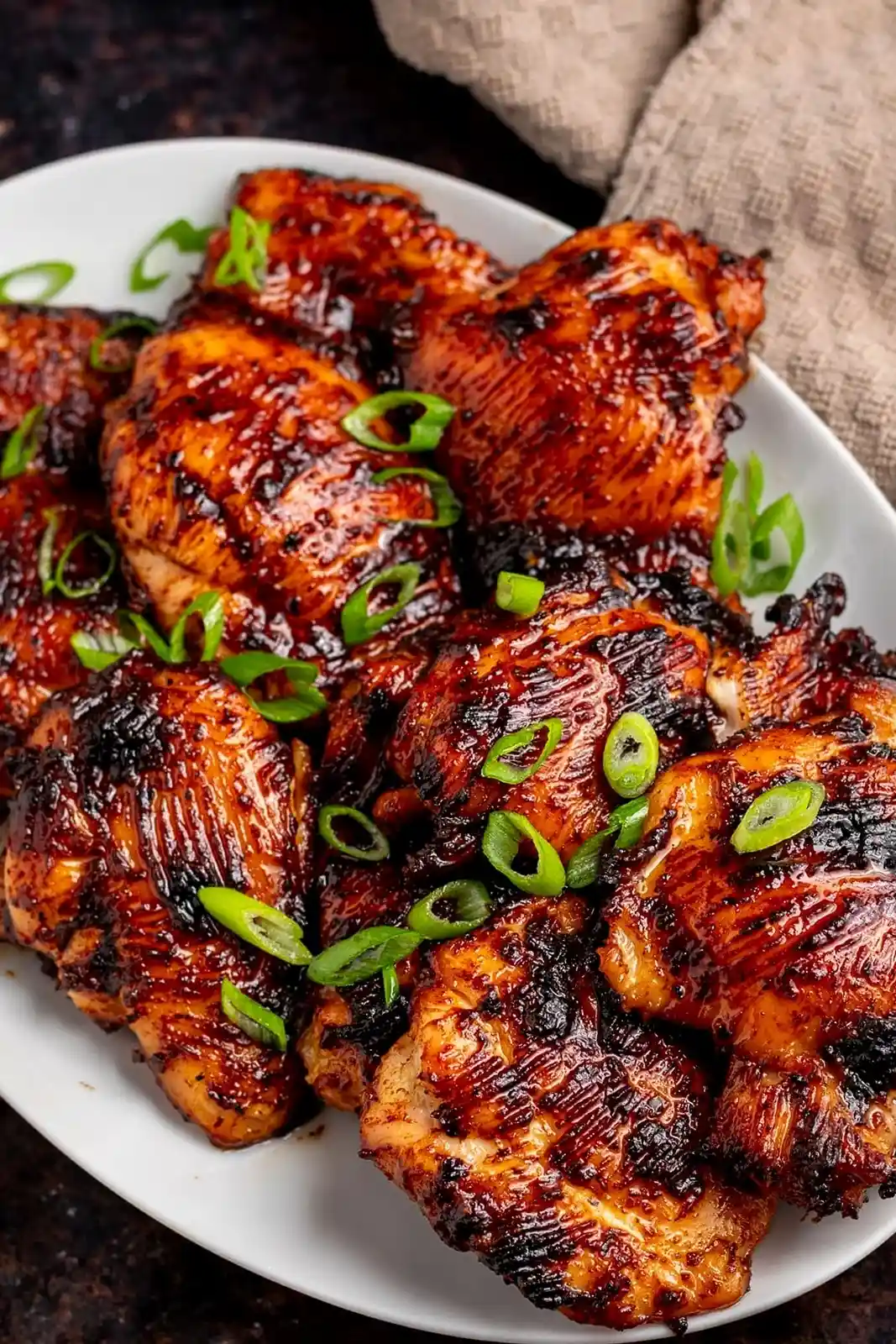
List of ingredients
- 3 tablespoons white miso paste – provides a mild, salty, and sweet umami base.
- 2 tablespoons brown sugar – adds sweetness and helps the glaze caramelize.
- 2 teaspoons rice vinegar – adds acidity to balance the richness of the butter and miso.
- 2 tablespoons softened butter – creates a creamy texture and carries the flavors.
- 1/4 teaspoon red pepper flakes – adds a subtle hint of heat.
- 1/4 teaspoon ground ginger (or 1 teaspoon freshly grated) – provides a warm, zesty note.
- 1/4 teaspoon black pepper – adds basic seasoning.
- 1 1/2 lb boneless skinless chicken thighs – chosen for their juiciness and ability to withstand high heat.
- Green onions – optional garnish for freshness and color.
step-by-step instructions
- Prepare the Oven: Preheat your oven to 425°F. Line a large rimmed baking sheet with parchment paper, aluminum foil, or a silicone baking mat to prevent sticking.
- Create the Glaze: In a small mixing bowl, use a fork to mash together the white miso paste, brown sugar, rice vinegar, softened butter, red pepper flakes, ground ginger, and black pepper until the mixture is smooth.
- Prep the Chicken: Pat the chicken thighs dry with paper towels to ensure the glaze adheres. Use kitchen scissors to trim away any excess or dangling pieces of fat.
- Coat the Meat: Place the chicken thighs on the prepared baking sheet. Add a dollop of the miso mixture to each thigh and use your hands to spread and smoosh the glaze evenly over the top of each piece.
- Roast: Bake for 25 minutes until the miso glaze is caramelized and has darkened in color. If the miso butter melts off the chicken during cooking, use a spoon to push it back onto the thighs once or twice.
- Finish and Glaze: If there are caramelized bits stuck to the pan, add a small splash of water to loosen them, scrape them up, and brush the resulting liquid onto the chicken for extra flavor.
- Serve: Serve the chicken hot alongside rice, noodles, stir-fried vegetables, or an Asian-style slaw.
Understanding Miso Variations
White Miso for Mild Flavor
White miso, also known as shiro miso, is fermented for a shorter period and often contains a higher proportion of rice. This results in a milder, slightly sweeter taste that does not overpower the chicken. It is the ideal choice for this recipe to maintain a balanced sweet-and-savory profile.
Yellow Miso for Savory Depth
Yellow miso is fermented longer than white miso, creating a more intense and salty flavor. If you use yellow miso, it is recommended to reduce the amount by one tablespoon to avoid making the dish too salty. It provides a deeper golden color to the finished glaze.
Red Miso for Intense Umami
Red miso is aged the longest and has the highest concentration of soybeans, resulting in a bold, pungent, and salty taste. Because of its strength, you should use only 2 tablespoons instead of 3. Red miso creates a very dark, rich crust on the chicken.
Ingredient Substitutions
Honey or Maple Syrup for Brown Sugar
If you do not have brown sugar, honey or maple syrup are excellent liquid alternatives. These sweeteners provide the necessary sugar for caramelization and a similar depth of flavor. Be aware that liquid sweeteners may make the marinade slightly thinner.
Fresh Ginger for Ground Ginger
Freshly grated ginger offers a more potent, citrusy zing compared to the dried powder. Use 1 teaspoon of freshly grated ginger to replace 1/4 teaspoon of ground ginger. This is a great way to brighten the overall flavor of the dish.
Lime Juice for Rice Vinegar
Fresh lime juice can be used as a substitute for rice vinegar if you prefer a more citrusy acidity. The ratio is 1:1, so use 2 teaspoons of lime juice. This change shifts the flavor profile slightly toward a Southeast Asian style.
Using Chicken Breasts Instead of Thighs
While thighs are preferred for their moisture, you can use boneless skinless chicken breasts. To prevent them from drying out, slice the breasts in half lengthwise to create thinner fillets. Reduce the cooking time by approximately half and monitor the internal temperature closely.
Skin-on Bone-in Chicken Thighs
Using skin-on, bone-in thighs adds more flavor and a crispier texture. However, these require a longer cooking time, typically 35 to 45 minutes at 425°F. Ensure the internal temperature reaches 165°F before removing them from the oven.
Pro Cooking Techniques
Patting the Chicken Dry
Moisture on the surface of the meat creates steam, which prevents the glaze from sticking and caramelizing. Using paper towels to thoroughly dry the chicken ensures the miso butter clings to the meat. This results in a thicker, stickier crust.
Lining the Baking Sheet
The high sugar content in the miso and brown sugar causes the glaze to burn and stick to the pan. Using parchment paper or a silicone mat is essential for an easy cleanup. Without a liner, the caramelized sugar can become very difficult to remove from the metal.
Using an Instant-Read Thermometer
The most accurate way to ensure the chicken is cooked through without overcooking it is by using a meat thermometer. Insert the probe into the thickest part of the thigh. Remove the chicken from the oven once it reaches an internal temperature of 165°F.
Utilizing Pan Fond for Extra Flavor
The brown bits left on the pan, known as fond, are concentrated flavor. By adding a splash of water and scraping these bits, you create a quick pan sauce. Brushing this back onto the meat intensifies the roasted miso flavor.
Alternative Cooking Methods
Air Fryer Preparation
For a faster cook time, you can use an air fryer. Preheat the air fryer to 375°F and prepare the chicken as described in the recipe. Air-fry for 16 to 20 minutes, flipping the thighs several times to ensure an even caramelization.
Grilling the Chicken
This recipe works well on an outdoor grill over medium heat. Place the coated thighs on the grill grates and flip them every few minutes. Be careful, as the sugar in the glaze can burn quickly over direct flames; use an indirect heat zone if necessary.
Serving and Pairing Ideas
Grains and Noodles
Steamed jasmine rice or brown rice provides a neutral base that absorbs the excess miso glaze. Alternatively, serve the chicken over udon or soba noodles tossed in a light sesame oil and soy sauce dressing. This makes the meal more filling and texturally diverse.
Fresh Vegetable Sides
Steamed bok choy or sautéed shiitake mushrooms complement the umami flavors of the miso. Roasted sweet potato cubes or blanched asparagus also work well to provide a balance of sweetness and earthiness. These vegetables can often be roasted on the same sheet pan if there is enough room.
Salad Integration
For a lighter meal, slice the cooked miso chicken and serve it over a bed of mixed greens. A cucumber salad with rice vinegar, sesame seeds, and a pinch of sugar pairs perfectly. This is also an excellent way to serve the chicken cold for lunch the next day.
Storage and Reheating Guide
Refrigeration Guidelines
Store leftover cooked miso chicken in an airtight container in the refrigerator. It will remain fresh and safe to eat for up to 4 days. Ensure the chicken is cooled slightly before sealing the container to prevent excess moisture from forming.
Best Reheating Methods
To maintain the texture of the glaze, reheat the chicken in an air fryer at 350°F for 3 to 5 minutes. If using a microwave, cover the chicken with a damp paper towel to prevent the meat from drying out. Heat in short bursts until warmed through.
Freezing for Meal Prep
While the chicken can be frozen, the texture of the glaze may change slightly. Freeze cooked thighs in a freezer-safe bag for up to 3 months. Thaw completely in the refrigerator overnight before reheating in the oven or air fryer.
Troubleshooting and FAQs
Why is my miso glaze burning?
If the glaze darkens too quickly before the chicken is cooked, your oven temperature may be too high or the chicken may be too thin. Lower the heat to 400°F or cover the pan loosely with foil to protect the sugar from direct heat.
How do I store leftover miso paste?
Miso paste lasts a long time in the refrigerator, but you can extend its life by freezing it. Spoon the paste into ice cube trays and freeze. Once frozen, transfer the cubes to a freezer bag and pop one out whenever you need a specific portion for a recipe.
Can I make this recipe dairy-free?
Yes, you can replace the softened butter with an equal amount of coconut oil or a plant-based butter substitute. Coconut oil adds a slight coconut flavor that pairs well with miso, while vegan butter provides a more neutral taste.
Why is the glaze not sticking to the chicken?
This usually happens if the chicken was not patted dry or if the butter was too melted when applying the glaze. Ensure the butter is softened but not liquid, and always dry the meat thoroughly before coating.
What if I cannot find white miso?
If white miso is unavailable, any light-colored miso paste will work. In a pinch, a combination of soy sauce and a small amount of tahini can mimic some of the salty, nutty characteristics, though the flavor will not be identical.
Print
Roasted Miso Chicken Thighs
- Total Time: 30 minutes
- Yield: 4 servings 1x
- Diet: General
Description
These juicy miso chicken thighs are savory, slightly sweet, and packed with umami flavor. An easy weeknight dinner made with just a few pantry staples.
Ingredients
- 3 tablespoons white miso paste
- 2 tablespoons brown sugar
- 2 teaspoons rice vinegar
- 2 tablespoons softened butter
- ¼ teaspoon red pepper flakes
- ¼ teaspoon ground ginger
- ¼ teaspoon black pepper
- 1 ½ lb boneless skinless chicken thighs
- green onions, for serving (optional)
Instructions
- Preheat: Preheat the oven to 425°F. Line a large rimmed baking sheet with a silicone baking mat, parchment paper or foil.
- Mix: In a small bowl, use a fork to smash together 3 tablespoons white miso paste, 2 tablespoons brown sugar, 2 teaspoons rice vinegar, 2 tablespoons softened butter and ¼ teaspoon each red pepper flakes, ground ginger and black pepper.
- Coat: Use a paper towel to pat chicken thighs dry. Use kitchen scissors to trim away any dangling or excess pieces of fat. Place the chicken thighs on the baking sheet and add a dollop of miso mixture to each thigh. Use your hands to smoosh the mixture over top of the thighs, making sure the chicken is evenly coated.
- Bake: Bake for 25 minutes, until the miso is caramelized and darkened in color. If the miso butter melts off while cooking, simply spoon the mixture back on top of the thighs 1-2 times throughout the cooking process.
- Finish: If there are stuck-on bits on the pan, add a splash of water, scrape them up and brush onto the thighs. Color = flavor! You can use a pastry brush to brush the marinade evenly over each thigh.
- Serve: Serve hot with rice, noodles, Asian slaw, stir-fry, or steamed veggies.
Notes
Air-fryer instructions: Prepare chicken per the recipe. Preheat air fryer to 375 degrees. Air-fry for 16-20 minutes, flipping several times until golden brown, caramelized and cooked through.
- Prep Time: 5 minutes
- Cook Time: 25 minutes
- Category: Chicken
- Method: Roast
- Cuisine: Asian
Nutrition
- Serving Size: 2 chicken thighs
- Calories: 308 kcal
- Sugar: 5.4 g
- Sodium: 804.3 mg
- Fat: 13.8 g
- Saturated Fat: 5.5 g
- Unsaturated Fat: 8.3 g
- Trans Fat: 0 g
- Carbohydrates: 8.8 g
- Fiber: 0.9 g
- Protein: 35.7 g
- Cholesterol: 175.1 mg