This method ensures a moist interior and a caramelized glaze by utilizing aluminum foil boats on the grill. The soy-based marinade provides a balanced flavor profile that complements the richness of the fish without overwhelming it.
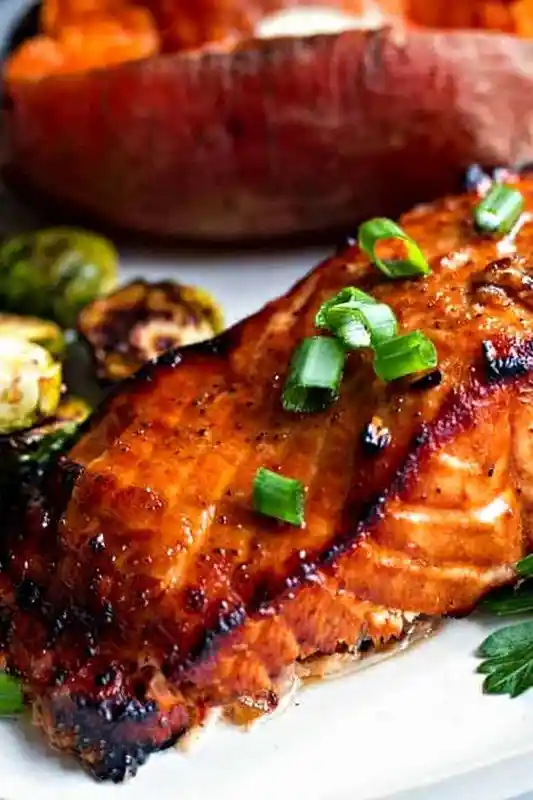
List of ingredients
- 1/4 cup brown sugar – creates a sweet glaze and aids in caramelization.
- 2 tablespoons lemon juice – adds acidity to brighten the flavor.
- 1/2 teaspoon black pepper – provides a subtle spicy warmth.
- 1 teaspoon salt – enhances all other flavors in the marinade.
- 1/4 cup lite soy sauce – adds a savory umami depth.
- 1/4 cup olive oil – keeps the fish moist during the grilling process.
- 2 tablespoons water – thins the marinade for better penetration.
- 2 cloves minced garlic – provides a bold, aromatic base.
- 4 6-oz. Salmon filets – the main protein, preferably with skin on.
step-by-step instructions
- Prepare the marinade: Place all marinade ingredients into a gallon size zip lock bag and seal. Squeeze gently to combine ingredients, then add salmon fillets. Seal and refrigerate for 1 to 3 hours to allow flavors to penetrate the fish.
- Setup the grill and foil: Preheat grill to medium high heat. For each salmon fillet, take a piece of heavy duty aluminum foil and fold into a ‘dish’ with sides. Place a salmon fillet into each dish skin side down. Add a little of the marinade on top and place the entire dish on the grill.
- Cook the salmon: Grill for 15-18 minutes with the lid closed. Flip the salmon onto the grill to sear the top, about 1-2 minutes. Carefully scrape off the skin (it should lift right off) and serve.
Professional Preparation Techniques
Selecting the Best Salmon Cut
Choose center-cut fillets for uniform thickness, which ensures that every piece cooks at the same rate. Look for fish with a vibrant pink or orange color and firm flesh that springs back when touched. Avoid any fillets that have gaps in the muscle or an overly fishy odor.
Optimizing Marinade Penetration
Allowing the salmon to marinate for at least one hour is crucial for the soy and sugar to penetrate the fibers. However, avoid marinating for more than three hours, as the acid in the lemon juice can begin to break down the proteins and make the texture mushy. Keep the fish chilled in the refrigerator throughout this process.
Building Effective Foil Boats
Use heavy-duty aluminum foil to prevent tearing when moving the fish on and off the grill. Fold the edges up at least one inch to create a basin that captures the juices and prevents the marinade from leaking into the burners. This method essentially steams the fish in its own flavorful liquid before the final sear.
Ingredient Substitutions and Alternatives
Soy Sauce Substitutes for Different Diets
If you need an alternative to soy sauce, coconut aminos provide a similar salty and sweet profile with less sodium. Tamari is another excellent option for those seeking a gluten-free alternative while maintaining the same umami depth. Ensure the substitute is measured identically to the original recipe.
Alternative Sweeteners for the Glaze
Maple syrup or honey can be used instead of brown sugar to achieve a different type of sweetness. Honey will produce a thicker, stickier glaze, while maple syrup adds a distinct woody flavor. Adjust the quantity slightly as these liquids are more concentrated than granulated brown sugar.
Citrus Variations for Brightness
While lemon juice is standard, lime juice can be used for a zestier, more tropical flavor profile. Orange juice can also be substituted to lean further into the sweetness of the dish. These variations work best when paired with the garlic and soy base already in the recipe.
Advanced Grilling Guidelines
Maintaining Medium-High Heat
Medium-high heat is typically between 375°F and 400°F. You can test this by holding your hand about three inches above the grate; the heat should be uncomfortable for only 3 to 5 seconds. Consistent temperature prevents the foil from burning while ensuring the fish cooks through.
Identifying the Perfect Doneness
The salmon is ready when the thickest part of the fillet flakes easily when pressed with a fork. The center should look slightly translucent, as the fish will continue to cook for a few minutes after being removed from the heat. Using a digital thermometer to hit an internal temperature of 135°F to 145°F is the most accurate method.
Mastering the Final Sear
The final flip is intended to caramelize the sugars in the marinade through direct contact with the grill grates. Keep this step brief, usually 1 to 2 minutes, to avoid drying out the interior. Watch for a deep golden brown color on the top surface before removing from the heat.
Complementary Serving Ideas
Pairing with Complex Grains
Serve this salmon alongside a wild rice pilaf or a lemon-herb quinoa for a nutrient-dense meal. The earthy tones of wild rice balance the sweetness of the brown sugar glaze. Quinoa adds a light, fluffy texture that absorbs any extra marinade from the plate.
Selecting the Right Vegetable Sides
Roasted asparagus or steamed broccoli are ideal pairings because their slight bitterness cuts through the richness of the salmon. Brussels sprouts roasted with a hint of balsamic glaze also complement the smoky notes of the grill. Aim for vegetables that can be prepared in the oven while the salmon is on the grill.
Fresh Garnish Enhancements
Finish the plated salmon with a sprinkle of freshly chopped parsley or dill for a burst of color and freshness. A final squeeze of fresh lemon juice over the seared top helps wake up the savory soy flavors. Sliced green onions can also add a mild bite and professional visual appeal.
Storage and Reheating Protocols
Safe Cooling and Refrigeration
Allow the salmon to cool to room temperature for about 30 minutes before transferring it to an airtight container. Store the fish in the coldest part of your refrigerator to maintain freshness. Properly stored grilled salmon will remain safe to eat for 3 to 4 days.
Gentle Reheating Methods
To avoid overcooking the fish during reheating, use a low-power microwave setting or a warm oven. Heating the fillets in a 250°F oven covered with foil for 10 minutes preserves the moisture. Avoid high heat, which can make the salmon rubbery and dry.
Freezing Grilled Salmon
Grilled salmon can be frozen if wrapped tightly in plastic wrap and then placed in a heavy-duty freezer bag. This prevents freezer burn and keeps the glaze intact. Thaw the fish slowly in the refrigerator overnight before reheating it gently.
Common Troubleshooting Solutions
Preventing Salmon from Sticking
If the fish sticks to the foil, ensure you are using a non-stick variety of aluminum foil or lightly grease the foil with olive oil before adding the fish. Using a thin metal fish turner instead of a standard spatula also helps lift the fillet without breaking it. Always ensure the grill is fully preheated before adding the foil boats.
Correcting Overcooked Salmon
If the salmon becomes too dry, serve it with a side of melted garlic butter or a dollop of Greek yogurt mixed with lemon. These fats add moisture back into the fish and mask the dryness. In the future, reduce the grilling time by 2 to 3 minutes to find the perfect window.
Managing Grill Flare-ups
Flare-ups usually occur when marinade drips onto the burners. The foil boat method significantly reduces this risk by containing the liquids. If a flare-up does occur, move the foil dish to a cooler part of the grill immediately to avoid scorching the fish.
Frequently Asked Questions
How do you know when fish is done?
Fish is done when it flakes easily with a fork in the thickest part of the filet. The color should change from red to pink, but may still look a little translucent in the center.
Which side do you cook first?
Always start cooking with the skin side down as the fish will be easier to flip. This protects the delicate flesh from the direct heat and prevents the fillet from sticking to the grill grates.
Can you eat the skin?
Yes, the skin is edible and contains healthy omega-3 fatty acids. However, because this recipe uses foil, the skin does not get crispy and is often removed for better texture.
Should you wash fish before cooking?
Rinsing the fish under cool running water can remove any surface debris. If you do this, be sure to pat the fillets completely dry with paper towels to ensure the marinade adheres properly.
Print
Sweet and Savory Foil-Grilled Salmon
- Total Time: 1 hour 30 minutes
- Yield: 4 servings 1x
- Diet: General
Description
Perfectly grilled salmon with a slightly sweet and smoky flavor.
Ingredients
- ¼ cup brown sugar
- 2 tablespoons lemon juice
- ½ teaspoon black pepper
- 1 teaspoon salt
- ¼ cup lite soy sauce
- ¼ cup olive oil
- 2 tablespoons water
- 2 cloves minced garlic
- 4 6-oz. Salmon filets
Instructions
- Step 1: Place all marinade ingredients into a gallon size zip lock bag and seal. Squeeze gently to combine ingredients, then add salmon fillets. Seal and refrigerate for 1 to 3 hours to allow flavors to penetrate the fish.
- Step 2: Preheat grill to medium high heat. For each salmon fillet, take a piece of heavy duty aluminum foil and fold into a “dish” with sides. Place a salmon fillet into each dish skin side down. Add a little of the marinade on top and place the entire dish on the grill.
- Step 3: Grill for 15-18 minutes with the lid closed. Flip the salmon onto the grill to sear the top, about 1-2 minutes. Carefully scrape off the skin (it should lift right off) and serve.
Notes
The salmon is done when it flakes easily with a fork and still looks just slightly translucent in the center.
- Prep Time: 10 minutes
- Cook Time: 20 minutes
- Category: Fish & Seafood
- Method: Grilling
- Cuisine: American
Nutrition
- Serving Size: 1 filet
- Calories: 643 kcal
- Sugar: 11 g
- Sodium: 1549 mg
- Fat: 42 g
- Saturated Fat: 7 g
- Unsaturated Fat: 35 g
- Trans Fat: 0 g
- Carbohydrates: 13 g
- Fiber: 0 g
- Protein: 52 g
- Cholesterol: 143 mg