This savory dish combines the classic components of a sushi roll into a convenient, baked casserole format. It is an efficient way to serve a crowd without the labor of rolling individual pieces.
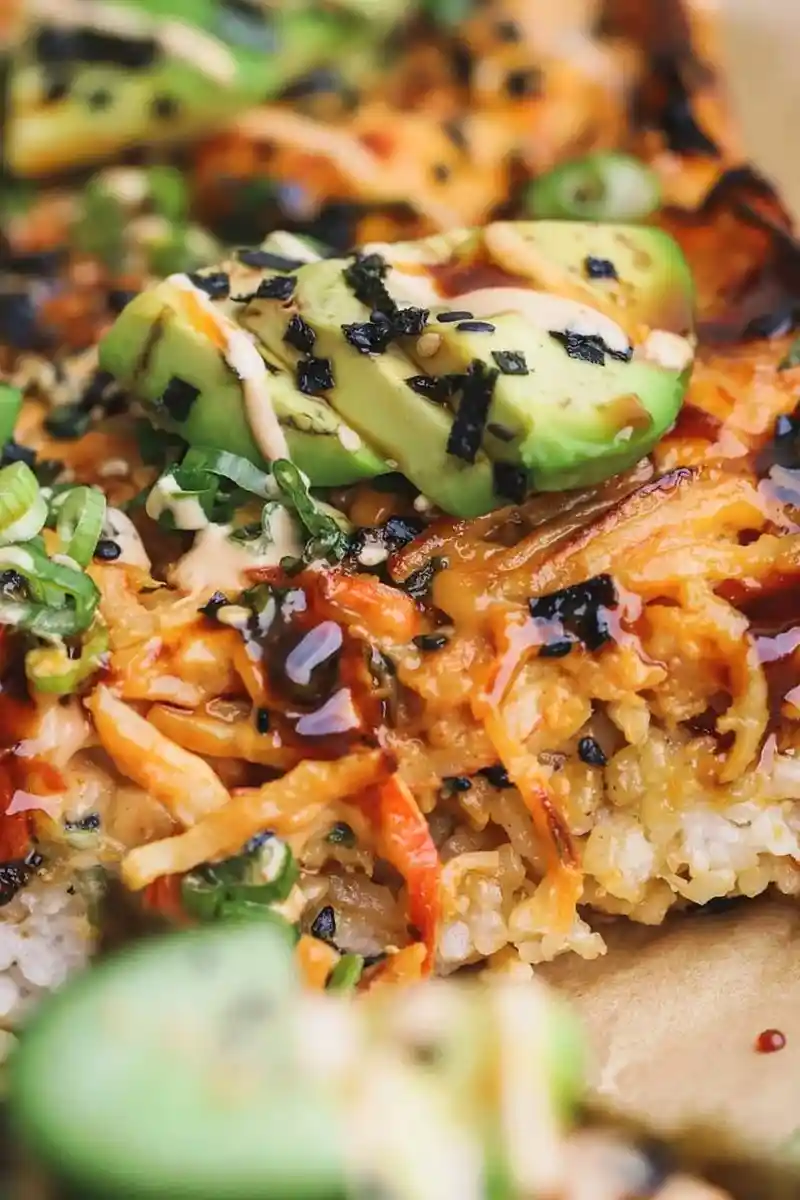
List of ingredients
- 1 1/2 cups Sushi rice, rinsed – use short-grain for proper stickiness.
- 2 cups Water – for cooking the rice.
- 1/4 cup Lite seasoned rice vinegar – adds the traditional tangy flavor.
- 2 tbsp Furikake – Japanese seasoning for the rice layer.
- 8 oz Salmon filet, skin removed and cut into 1/2″ pieces – fresh Atlantic salmon is recommended.
- 8 oz Imitation crab meat, shredded – adds texture and saltiness.
- 1/3 cup Kewpie mayo – richer than standard mayonnaise.
- 3 oz Cream cheese, softened – ensures a smooth mixture.
- 2 tbsp Sriracha – provides the spicy kick.
- 2 tbsp Soy sauce or Tamari – for savory depth.
- 1/4 cup Green onions, sliced thin – adds a fresh bite.
- 1/4 cup Soy sauce – for the unagi glaze.
- 1/4 cup Mirin – adds sweetness to the glaze.
- 2 tbsp Vegetable broth – replaces sake for a clean flavor.
- 1 1/2 tbsp White granulated sugar – helps the glaze thicken.
- 1/2 cup Kewpie mayo – for the finishing spicy mayo.
- 2 tbsp Sriracha – for the finishing spicy mayo.
- 1 tsp Fresh lime juice – adds acidity to the mayo.
- 1/4 tsp Salt – enhances the overall flavor.
- Avocado, sliced thin – for topping.
- Sesame seeds, black and white, toasted – for garnish.
- Green onion, sliced thin – for garnish.
- English cucumber, sliced thin – for topping.
- Nori sheets, cut into small squares – used for scooping.
step-by-step instructions
- Prepare the rice: Rinse the rice in a fine mesh strainer under cold water until the water runs clear. Place the rice in a large pot, cover with water, and let it soak for 15 minutes. Bring the pot to a boil, then reduce to a simmer, cover with a lid, and cook for 20 minutes. Remove from heat and let it sit for 10 minutes.
- Season the rice: Drizzle the rice vinegar over the warm rice. Gently fold the vinegar into the rice using a rubber spatula to avoid mashing the grains. Cover the rice with a clean dish towel and let it cool to room temperature on the counter.
- Mix the salmon filling: Dice the skinless salmon into 1/2-inch cubes. In a small bowl, blend the Kewpie mayo, softened cream cheese, sriracha, soy sauce, and sliced green onions. Gently fold in the diced salmon and shredded imitation crab, then cover with plastic wrap and refrigerate.
- Simmer the unagi sauce: Combine soy sauce, mirin, vegetable broth, and sugar in a small saucepan. Heat over medium heat until boiling, then reduce the heat and simmer for 5 minutes until the liquid thickens. Remove from heat and allow it to cool.
- Whisk the spicy mayo: Combine the Kewpie mayo, sriracha, fresh lime juice, and salt in a small bowl. Mix until smooth and refrigerate until the bake is ready to be served.
- Layer the bake: Preheat the oven to 425°F. Grease a baking dish with nonstick spray and line it with parchment paper. Pour the seasoned rice into the pan and press it down gently with wet hands to create an even layer. Sprinkle furikake over the top of the rice.
- Add the topping and bake: Spread the refrigerated salmon mixture evenly over the rice layer using a spatula. Place the pan in the oven and bake for 10-15 minutes. Switch to the broiler for the last few minutes to caramelize the top, monitoring closely to prevent burning. Remove from the oven and let cool for 10 minutes.
- Garnish and serve: Drizzle the unagi sauce and spicy mayo over the baked mixture. Top with sliced avocado, cucumber, toasted sesame seeds, and green onions. Serve with squares of nori for scooping.
Technical Tips for Better Results
Rinse the Rice Thoroughly
Rinsing the sushi rice removes excess surface starch. If the starch remains, the rice can become overly gummy or sticky in a way that makes it difficult to scoop. Continue rinsing until the water is almost clear.
Soaking the rice for 15 minutes before boiling allows the grains to hydrate evenly. This step ensures that the center of each grain is cooked through without the outside becoming mushy.
Apply Vinegar While Warm
Adding the rice vinegar while the rice is still warm allows the grains to absorb the liquid more effectively. This ensures a consistent flavor throughout the rice base rather than having pockets of acidity.
Use a folding motion with a rubber spatula. Avoid stirring aggressively, as this can break the short grains and release more starch, ruining the texture.
Manage the Broiler Carefully
The broiler adds a charred, caramelized finish that mimics professional sushi toppings. However, the high heat can burn the mayonnaise and sugar quickly.
Stay by the oven during the final 2-3 minutes of cooking. Remove the pan the moment you see golden-brown bubbles on the surface to avoid a bitter, burnt taste.
Ingredient Substitutions
Dairy-Free Cream Cheese Alternatives
To make this recipe dairy-free, replace the softened cream cheese with a plant-based alternative made from cashews or almonds. These provide a similar creaminess and tang.
If you cannot find a suitable substitute, you can omit the cream cheese entirely. Increase the amount of Kewpie mayo slightly to maintain the moisture level of the salmon mixture.
Gluten-Free Soy Options
For a gluten-free version, replace the soy sauce in both the salmon mixture and the unagi sauce with Tamari or coconut aminos. Tamari is the closest match in terms of saltiness and depth.
Check the labels on the imitation crab and furikake, as some brands contain wheat-based fillers or seasonings. Use certified gluten-free versions of these ingredients.
Alternative Seafood Choices
While salmon is the star, you can substitute it with sushi-grade tuna or cooked shrimp. If using shrimp, chop them into small, uniform pieces to match the texture of the crab.
You can also use only imitation crab for a more budget-friendly version. The cream cheese and spicy mayo will still provide the necessary richness.
Flavor Variations
Increase the Heat with Fresh Chilies
For those who prefer more spice, fold thinly sliced fresh jalapeños or serrano peppers into the salmon mixture before baking. This adds a crisp texture and a sharper heat than sriracha.
You can also add a teaspoon of chili garlic sauce or gochujang to the spicy mayo for a more complex, fermented heat profile.
Incorporate Sweet and Tart Elements
Adding small cubes of fresh mango on top of the finished bake creates a beautiful contrast with the spicy salmon. The sweetness of the mango balances the salty unagi sauce.
Adding a squeeze of fresh lemon juice over the avocado slices just before serving prevents browning and adds a bright acidity to the dish.
Modify the Rice Seasoning
Instead of just rice vinegar, you can mix in a small amount of sugar and salt to create a homemade sushi vinegar. This allows you to control the sweetness level of the base.
Adding a pinch of matcha powder to the rice before cooking can give the base a unique green color and a subtle earthy flavor that pairs well with the salmon.
Serving and Presentation
Preparing the Nori Scoops
Cut the nori sheets into 2-inch squares. This size is ideal for scooping a generous portion of the bake while remaining structurally sound enough to hold the weight.
Keep the nori in an airtight container until the very last second. Nori absorbs moisture from the air quickly and will lose its crispness if left exposed.
Assembling the Perfect Bite
Place a small scoop of the warm salmon and rice mixture in the center of a nori square. Top it with one slice of avocado and one slice of cucumber.
Finish the bite with a small drop of spicy mayo and a few sesame seeds. This ensures every guest gets a balanced ratio of all the different flavors and textures.
Complementary Side Pairings
Serve this dish with steamed edamame lightly salted with sea salt. The nutty flavor of the soybeans provides a clean contrast to the rich, creamy bake.
A side of wakame (seaweed salad) or a chilled cucumber salad with rice vinegar and sesame oil complements the Japanese flavor profile and adds a refreshing element to the meal.
Storage and Reheating
Refrigeration Guidelines
Store the leftovers in an airtight glass container in the refrigerator. The bake will stay fresh for up to 3 days, though the nori must be stored separately.
Press a piece of plastic wrap directly onto the surface of the salmon mixture before sealing the lid. This prevents the top from drying out or absorbing other smells from the fridge.
Microwave Reheating Process
To reheat in the microwave, place a portion of the bake on a plate and cover it with a damp paper towel. This creates steam, which prevents the sushi rice from becoming hard and grainy.
Heat on medium power in 30-second intervals. Overheating the fish can make the mayonnaise separate, so stop as soon as the center is warm.
Oven Reheating Method
For the best texture, reheat the bake in the oven at 300°F. Cover the dish with aluminum foil to trap moisture and prevent the top from overcooking.
Heat for 10-15 minutes until warmed through. Remove the foil for the last 2 minutes if you want to slightly crisp the top again.
Frequently Asked Questions
Can this be served cold?
Yes, this dish can be enjoyed at room temperature or cold. Some prefer it chilled as it tastes more like traditional sushi, while others prefer the warmth of a casserole.
How do I prevent the rice from sticking to the pan?
Lining the pan with parchment paper is the most effective method. If you don’t have parchment, use a generous amount of nonstick spray or a thin layer of neutral oil.
What is the best way to slice the avocado?
Use a very sharp knife to slice the avocado into thin crescents. Place the slices on the bake at the very end to avoid them getting mushy during the baking process.
Can I use brown rice instead of sushi rice?
You can use brown rice, but keep in mind that it is less sticky. You may need to add a bit more rice vinegar or a teaspoon of honey to help the grains adhere to each other.
Is this dish suitable for meal prep?
The components can be prepared ahead of time. You can make the sauces and the salmon mixture 24 hours in advance, but the final baking and topping should happen just before serving for the best quality.
Print
Spicy Salmon Sushi Bake
- Total Time: 55 minutes
- Yield: 8 servings 1x
- Diet: General
Description
This salmon sushi bake has all the flavors of sushi baked into one pan. Layers of sushi rice, seaweed, and a delicious creamy salmon mixture broiled to perfection and served with sheets of nori, ripe avocado and spicy mayo.
Ingredients
- 1 1/2 cups Sushi rice, rinsed
- 2 cups Water
- 1/4 cup Lite seasoned rice vinegar
- 2 tbsp Furikake
- 8 oz Salmon filet, skin removed and cut into 1/2" pieces
- 8 oz Imitation crab meat, shredded
- 1/3 cup Kewpie mayo
- 3 oz Cream cheese, softened
- 2 tbsp Sriracha
- 2 tbsp Soy sauce or Tamari
- 1/4 cup Green onions, sliced thin
- 1/4 cup Soy sauce
- 1/4 cup Mirin
- 2 tbsp Water
- 1 1/2 tbsp White granulated sugar
- 1/2 cup Kewpie mayo
- 2 tbsp Sriracha
- 1 tsp Fresh lime juice
- 1/4 tsp Salt
- Avocado, sliced thin
- Sesame seeds, black and white, toasted
- Green onion, sliced thin
- English cucumber, sliced thin
- Nori sheets, cut into small squares
Instructions
- Prepare Rice: Rinse rice, soak in water for 15 minutes, bring to a boil, then simmer covered for 20 minutes. Let sit for 10 minutes.
- Season Rice: Gently fold in rice vinegar and let cool to room temperature.
- Prepare Salmon Mixture: Combine mayo, cream cheese, sriracha, soy sauce, and green onions; fold in diced salmon and shredded imitation crab.
- Make Unagi Sauce: Simmer soy sauce, mirin, water, and sugar for 5 minutes until thickened.
- Make Spicy Mayo: Mix mayo, sriracha, lime juice, and salt.
- Assemble: Press seasoned rice into a greased 9×9 baking pan and sprinkle with furikake.
- Add Topping: Spread salmon mixture evenly over the rice.
- Bake: Bake at 425°F for 10-15 minutes, broiling at the end to caramelize the top.
- Finish: Cool for 10 minutes, drizzle with unagi sauce and spicy mayo, then garnish with avocado, cucumber, sesame seeds, and green onions.
Notes
Serve with sheets of nori. For a gluten-free version, ensure the imitation crab, furikake, and soy sauce are certified gluten-free.
- Prep Time: 40 minutes
- Cook Time: 15 minutes
- Category: Appetizer
- Method: Baking
- Cuisine: Japanese
Nutrition
- Serving Size: 1 portion
- Calories: 428 kcal
- Sugar: 6 g
- Sodium: 1317 mg
- Fat: 23 g
- Saturated Fat: 5 g
- Unsaturated Fat: 17 g
- Trans Fat: 0.04 g
- Carbohydrates: 41 g
- Fiber: 1 g
- Protein: 12 g
- Cholesterol: 39 mg