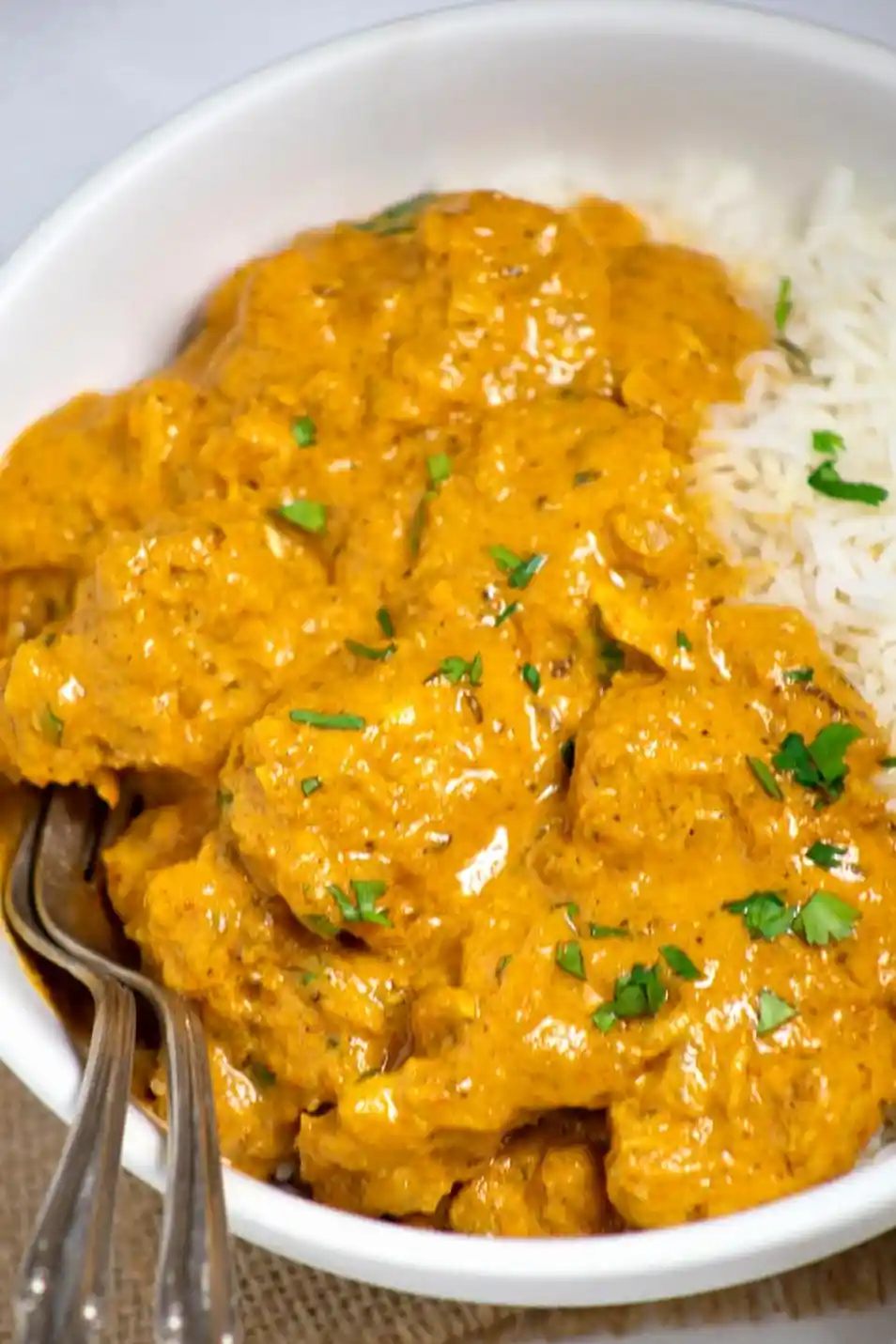
This creamy coconut chicken curry is a fast and healthy meal designed for the Instant Pot. It combines aromatic Indian spices with rich coconut milk to create a satisfying dinner in under 30 minutes.
List of ingredients
- 1 tablespoon Ghee or Oil – used for sautéing aromatics.
- 1 teaspoon Cumin seeds (Jeera) – optional for extra earthy flavor.
- 1 cup Yellow onions, diced – provides the base flavor.
- 1/2 tablespoon Ginger paste or grated – for aromatic heat.
- 1/2 tablespoon Garlic paste or minced – for depth of flavor.
- 1 cup Tomato puree – canned or freshly blended tomatoes.
- 1 pound Boneless skinless chicken thighs – cut into 1-1.5 inch pieces for tenderness.
- 1/4 cup Water – necessary for pressure cooking.
- 1 cup Canned full-fat unsweetened coconut milk – creates the creamy sauce.
- 1 teaspoon Garam Masala – added at the end for fragrance.
- 1 tablespoon Lime juice – adds a bright acidic finish.
- Fresh cilantro – used for garnish.
- 1 teaspoon Ground cumin (Jeera powder) – core curry spice.
- 1/2 teaspoon Ground turmeric (Haldi powder) – for color and earthiness.
- 1 teaspoon Kashmiri red chili powder or paprika – adjust based on heat preference.
- 1 teaspoon Coriander powder (Dhaniya powder) – adds citrusy notes.
- 1 teaspoon Salt – to enhance all flavors.
step-by-step instructions
- Sauté Aromatics: Set the Instant Pot to Sauté mode. Add ghee or oil and cumin seeds, letting them sizzle for 30 seconds.
- Brown the Base: Add diced onions, ginger, and garlic. Sauté for approximately 3 minutes until the onions turn a golden brown color.
- Cook Spices: Stir in the tomato puree and ground spices. Let the mixture sauté for 2-3 minutes to develop flavor.
- Sear Chicken: Add the chicken pieces to the pot. Stir and sauté for 3-4 minutes to brown the meat and lock in juices.
- Prepare for Pressure: Pour in the water and stir well to deglaze the bottom. Press cancel and seal the lid with the vent in the sealing position.
- Pressure Cook: Select Manual or Pressure Cook mode on high pressure and set the timer for 4 minutes.
- Release Pressure: Once the timer beeps, perform a quick pressure release manually and open the lid.
- Finish the Sauce: Stir in the coconut milk and garam masala. Let the curry simmer on Sauté mode for 4-5 minutes until the sauce thickens.
- Final Touch: Stir in the lime juice and garnish with fresh cilantro before serving.
Optimal Cooking Techniques for Better Results
Use Boneless Chicken Thighs for Moisture
Chicken thighs are preferred over breasts because they contain more connective tissue and fat. This allows them to remain tender and juicy during the high-pressure cooking cycle without drying out. If you use breasts, reduce the pressure cooking time by one minute to avoid a rubbery texture.
Deglazing the Pot to Prevent Burn Notifications
The Instant Pot has a sensitive burn sensor that triggers if food sticks to the bottom. Adding water and stirring thoroughly after sautéing the chicken is essential to scrape up the browned bits. This process, known as deglazing, ensures a smooth cooking cycle and a deeper flavor profile.
Blooming Spices in Fat
Sautéing the cumin seeds and ground spices in ghee or oil is called blooming. This process releases the essential oils within the spices, intensifying their aroma and flavor. Skipping this step can result in a curry that tastes raw or lacks depth.
Choosing the Right Coconut Milk
Always use full-fat, unsweetened canned coconut milk for the best consistency. Light coconut milk or carton versions often lack the necessary fat to create a rich, velvety sauce. The fat in full-fat milk also helps balance the heat from the chili powder.
Protein and Ingredient Alternatives
Replacing Chicken with Shrimp
If you prefer seafood, you can use shrimp instead of chicken thighs. Since shrimp cook much faster, reduce the pressure cooking time to 1-2 minutes. Avoid overcooking them, as they can become tough and shrink in size.
Using Extra-Firm Tofu for a Plant-Based Version
For a vegetarian option, replace the chicken with cubed extra-firm tofu. Press the tofu to remove excess water and sauté it until the edges are golden brown before pressure cooking. Tofu absorbs the curry flavors efficiently and maintains a great texture.
Substituting Fresh Tomatoes for Puree
If you do not have canned puree, you can blend two fresh ripe tomatoes until smooth. Fresh tomatoes offer a brighter, more acidic taste compared to the concentrated flavor of canned puree. Ensure the puree is smooth to avoid chunks in the final sauce.
Selecting the Best Cooking Oil
While ghee provides a traditional nutty flavor, you can use neutral oils like avocado or canola oil. Olive oil is also an option, though its distinct flavor may slightly alter the traditional Indian taste. Avoid using butter for the initial sauté as it can burn at high temperatures.
Vegetable Additions and Timing
Incorporating Root Vegetables
Potatoes or sweet potatoes add heartiness to this curry. Cut them into large 2-inch chunks and add them to the pot just before starting the pressure cooking cycle. Keeping them in large pieces prevents them from dissolving into the sauce.
Adding Leafy Greens at the Finish
Fresh baby spinach or kale can be stirred into the curry during the final simmering stage. The residual heat from the coconut milk is enough to wilt the greens without overcooking them. This adds a boost of iron and color to the dish.
Including Cruciferous Vegetables
Cauliflower florets or broccoli can be added to the pot for more texture. For the best results, roast them separately and stir them in at the end to keep them from becoming mushy. If pressure cooking, add them for only the last 2 minutes of the cycle.
Using Frozen Peas for Contrast
Frozen green peas are an easy addition that provides a pop of sweetness. Stir them in during the final 5 minutes of simmering on Sauté mode. This ensures they are heated through while remaining bright green and firm.
Serving and Pairing Recommendations
Perfecting Long-Grain Basmati Rice
Rinse basmati rice under cold water until the water runs clear to remove excess surface starch. Cook the rice with a 1:1.5 ratio of rice to water for fluffy, separate grains. This provides a neutral base that complements the rich curry sauce.
Pairing with Traditional Indian Flatbreads
Warm naan, roti, or paratha are ideal for scooping up the thick coconut sauce. Brush the bread with a little melted ghee and warm it on a griddle for an authentic experience. The charred flavor of the bread balances the creaminess of the coconut.
Adding Acidic Side Salads
A side of Kachumber salad, consisting of diced cucumbers, tomatoes, and onions with lime, adds a refreshing crunch. The acidity of the salad cuts through the richness of the coconut milk. This creates a balanced palate between each bite of curry.
Using Yogurt to Cool the Heat
Serve the curry with a dollop of plain Greek yogurt or a side of raita. The coolness of the dairy helps neutralize the spice from the Kashmiri chili powder. This is especially helpful when serving the dish to children or those sensitive to heat.
Storage, Freezing, and Reheating
Safe Refrigeration Practices
Store leftover curry in an airtight glass container to maintain freshness. It will stay safe to eat in the refrigerator for up to 3 days. Ensure the curry is cooled to room temperature before sealing to prevent condensation buildup.
Long-Term Freezer Storage
This curry freezes exceptionally well for up to 3-4 months. Use freezer-safe bags or containers and leave a small amount of space at the top for expansion. Label the container with the date to ensure you use it within the recommended timeframe.
Reheating Methods to Maintain Texture
Reheating on a stovetop over medium-low heat is the best way to preserve the texture. Stir occasionally to distribute the heat evenly and avoid scorching the bottom. If using a microwave, heat in short intervals and stir in between.
Fixing Coconut Milk Separation
Coconut milk may separate during cooling or freezing, appearing grainy. To fix this, stir the curry vigorously while reheating on the stove. The heat and movement will re-emulsify the fats, returning the sauce to a smooth consistency.
Common Troubleshooting and Solutions
Thickening a Watery Sauce
If the sauce is too thin after pressure cooking, create a cornstarch slurry. Mix 1 tablespoon of cornstarch with 1/4 cup of cold water or sauce, then stir it back into the pot. Simmer on Sauté mode for one minute until the sauce reaches your desired thickness.
Adjusting Overly Spicy Flavors
If the curry is too spicy, stir in an extra 1/4 cup of coconut milk or a tablespoon of yogurt. The fats in these ingredients bind with the capsaicin in the chilies to mellow the heat. A pinch of sugar can also help balance excessive spice.
Preventing Overcooked Meat
If the chicken pieces are small, they may overcook and become tough. Ensure the pieces are cut consistently to 1-1.5 inches to ensure even cooking. Always perform a quick pressure release to stop the cooking process immediately.
Handling the Instant Pot Burn Error
If you encounter a burn error, it is likely due to the tomato puree settling at the bottom. To prevent this, ensure you stir the water and chicken thoroughly to deglaze the pot. If the error occurs, quick release, stir the bottom, and add a tablespoon of water before restarting.
Frequently Asked Questions
Can this be made on a stovetop?
Yes, you can follow the recipe in a Dutch oven. Follow all steps until the pressure cooking stage, then cover with a lid and simmer on low heat for 15-20 minutes until the chicken is cooked through.
Is this dish naturally dairy-free?
If you use oil instead of ghee, the dish is entirely dairy-free. The creaminess comes from the coconut milk, which is a plant-based alternative to heavy cream.
What can I use if I don’t have lime juice?
Fresh lemon juice is a perfect 1:1 substitute for lime juice. In a pinch, a small amount of apple cider vinegar can provide the necessary acidity, though the flavor will be slightly different.
How do I adjust the cooking time for frozen chicken?
It is highly recommended to thaw chicken before pressure cooking for consistent results. If using frozen pieces, increase the pressure cooking time to 6-8 minutes, but be aware that the meat may lose some texture.
Print
Creamy Instant Pot Coconut Chicken Curry
- Total Time: 30 minutes
- Yield: 4 servings 1x
- Diet: Dairy-free, Gluten-free
Description
Easy & healthy Indian Coconut Chicken Curry made in an Instant Pot in just 20 minutes!
Ingredients
- 1 tablespoon Ghee or Oil
- 1 teaspoon Cumin seeds (Jeera) (optional)
- 1 cup Onions (yellow diced)
- 1/2 tablespoon Ginger (paste or grated)
- 1/2 tablespoon Garlic (paste or minced)
- 1 cup Tomato puree
- 1 pound Chicken thighs (skinless and boneless, cut into 1–1.5 inch pieces)
- 1/4 cup Water
- 1 cup Coconut Milk (canned, full-fat, unsweetened)
- 1 teaspoon Garam Masala
- 1 tablespoon Lime juice
- Cilantro (to garnish)
- 1 teaspoon Ground Cumin (Jeera powder)
- 1/2 teaspoon Ground Turmeric (Haldi powder)
- 1 teaspoon Kashmiri red chili powder (or paprika)
- 1 teaspoon Coriander powder (Dhaniya powder)
- 1 teaspoon Salt
Instructions
- Step: Start the instant pot in Sauté mode and let it heat. Add ghee (or oil), and then add cumin seeds. Let them sizzle for 30 seconds.
- Step: Add onions, ginger and garlic paste. Sauté for about 3 minutes until the onions turn golden brown.
- Step: Add tomato puree and spices. Mix and let it sauté for 2-3 minutes.
- Step: Add chicken pieces to the pot. Stir and saute the chicken for about 3-4 minutes.
- Step: Add the water and stir. Press cancel and close lid with the vent in sealing position.
- Step: Start the instant pot in Manual or Pressure cook mode on high pressure for 4 minutes.
- Step: When the instant pot beeps, quick release the pressure manually and open the lid.
- Step: Stir in the coconut milk, garam masala and let it simmer on sauté mode for 4-5 minutes or until the sauce is thickened.
- Step: Stir in the lime juice and garnish with cilantro.
Notes
Use chicken thighs for the best result when pressure cooking. If the sauce is not thick enough, mix 1 tablespoon cornstarch with 1/4 cup of the sauce and stir it back into the pot. For a stovetop method, cook in a dutch oven on medium-high heat, then cover and cook for 10-15 minutes until chicken is cooked.
- Prep Time: 5 minutes
- Cook Time: 25 minutes
- Category: Main Course
- Method: Pressure Cooking
- Cuisine: Indian
Nutrition
- Serving Size: 1 serving
- Calories: 497 kcal
- Sugar: 5 g
- Sodium: 714 mg
- Fat: 41 g
- Saturated Fat: 22 g
- Unsaturated Fat: 19 g
- Trans Fat: 0 g
- Carbohydrates: 14 g
- Fiber: 2 g
- Protein: 22 g
- Cholesterol: 111 mg